Games that are easy to start often keep people coming back for longer. When the first step feels simple, players spend less time hesitating and more time joining in, sharing, and returning. That creates a stronger bond between the game and its community.
Bigger Access, More Engagement
Low-barrier games give people a clear reason to try them without worrying about time, cost, or complexity. That first easy step matters. When a game feels open to beginners, more people are willing to give it a chance, and a larger mix of players starts to form around it.
One clear example is a puzzle game like Tetris. The rules are easy to grasp within minutes, yet the game stays engaging because each round feels different. That mix of simplicity and challenge is one reason it remains popular across generations. Players return because they can improve quickly, compete with themselves, and enjoy short sessions without a long learning curve.
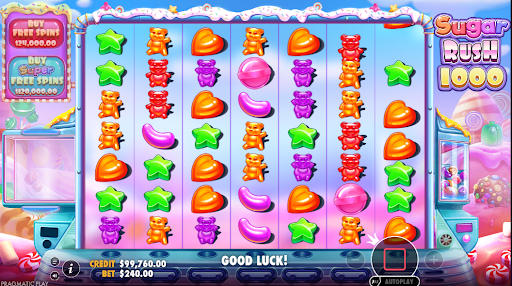
We can also see this in specialized gaming corners, such as online casino sites. Particularly on international platforms like 10euro deposit casino zonder Cruks sites, more people are creating accounts thanks to interesting, easy games. Those games have low deposit entry and can be quickly learned. That combination makes the experience easier to approach and more likely to attract repeat visitors who value simplicity.
But Why Simple Entry Points Build Stronger Habits
When a game is easy to access, it lowers the chance that players will drop off early. A complicated setup often pushes people away before they ever reach the fun part. Simple entry changes that. It creates momentum, and momentum is one of the strongest drivers of repeat use.
Low-barrier games also fit more easily into daily routines. A person can play for a few minutes during a break, after work, or while waiting for something else. That flexibility helps build habits because the game does not demand a large block of time or a deep commitment before it becomes enjoyable.
Communities grow faster around games that many people can understand quickly. Players talk about them more often, recommend them to friends, and bring in others who feel unsure about trying something new. That social effect matters because loyalty often starts with shared comfort, then turns into shared interest.
Confidence Matters as Much as Difficulty
Many players stay with a game when they feel capable early on. A strong first experience gives people confidence, and confidence leads to longer participation. When a game teaches well and rewards little progress, it keeps players from feeling lost or excluded.
That is especially important in competitive or skill-based games. If the entry point is too steep, only a small group keeps going. If the early stages feel manageable, more people stay involved long enough to develop skills. Over time, that creates a more stable and active player base.
Clear feedback also supports loyalty. Players want to know what they are doing well and where they can improve. Simple systems often do that better than complex ones, which makes the experience feel more rewarding. People are more likely to return when they can see progress without needing a long explanation.
How This Works in Different Types of Games
Easy rules, fast access, and quick rewards tend to attract more people at the start. Players don’t feel overwhelmed, so they are more willing to try the game, even if they only have a few minutes. Once they are inside, the game has a better chance of keeping them through smart design, steady progression, and small but frequent rewards that make each session feel worthwhile.
A strong example comes from Wordle. It rewards daily participation, creates conversation, and gives players a reason to return without making the experience feel demanding. That balance between simplicity and routine is what keeps engagement high.
Similar patterns can be seen in games like Candy Crush Saga, where matching colors is instantly understandable, but level progression and increasing difficulty keep players hooked over time. Among Us also follows this approach; its core mechanics are easy to grasp, yet the social interaction and unpredictability make each round feel fresh. Even Subway Surfers or Temple Run rely on simple controls and quick gameplay loops, allowing players to jump in and out easily while still chasing higher scores.
Loyalty Grows When Players Feel Included
Player loyalty is rarely built solely on complexity. It actually comes from a feeling that the game welcomes people, respects their time, and gives them room to improve at their own pace. Low-barrier games do that well because they reduce the risk of failure at the start.
They also create stronger communities because more people can participate from day one. That wider reach leads to more discussion, more shared experiences, and more reasons to keep playing. A game that feels open and approachable is more likely to build lasting attention than one that relies on a difficult first impression.
That is why low-barrier design works so well across so many formats. Whether it is a simple puzzle, a daily word challenge, or an accessible online slot, the same principle applies: when people can start easily, they stay engaged more naturally.