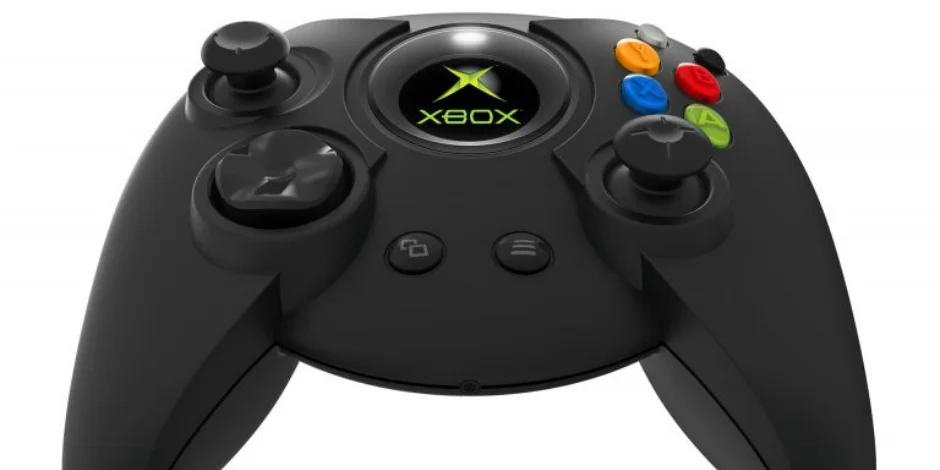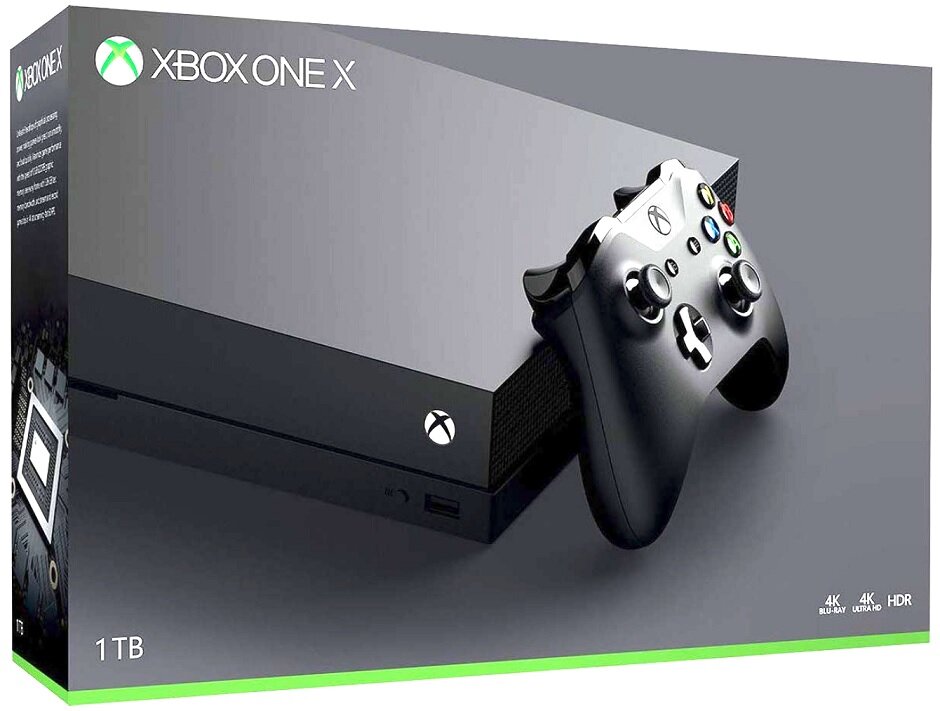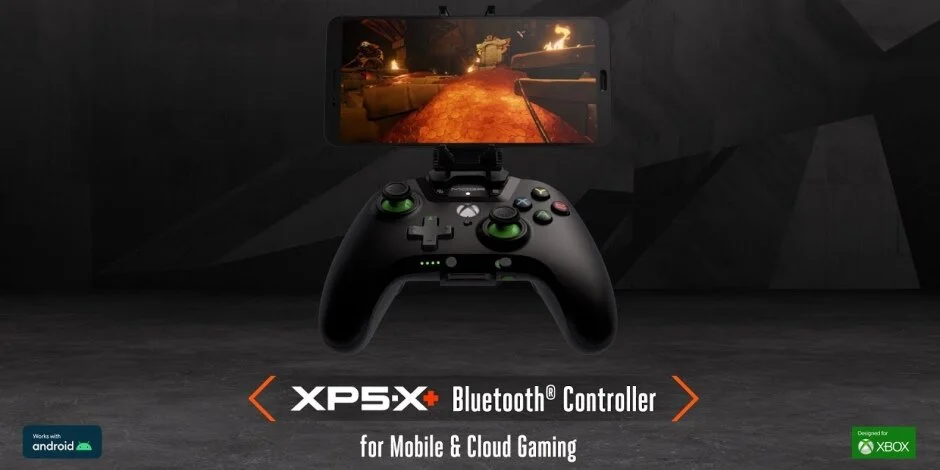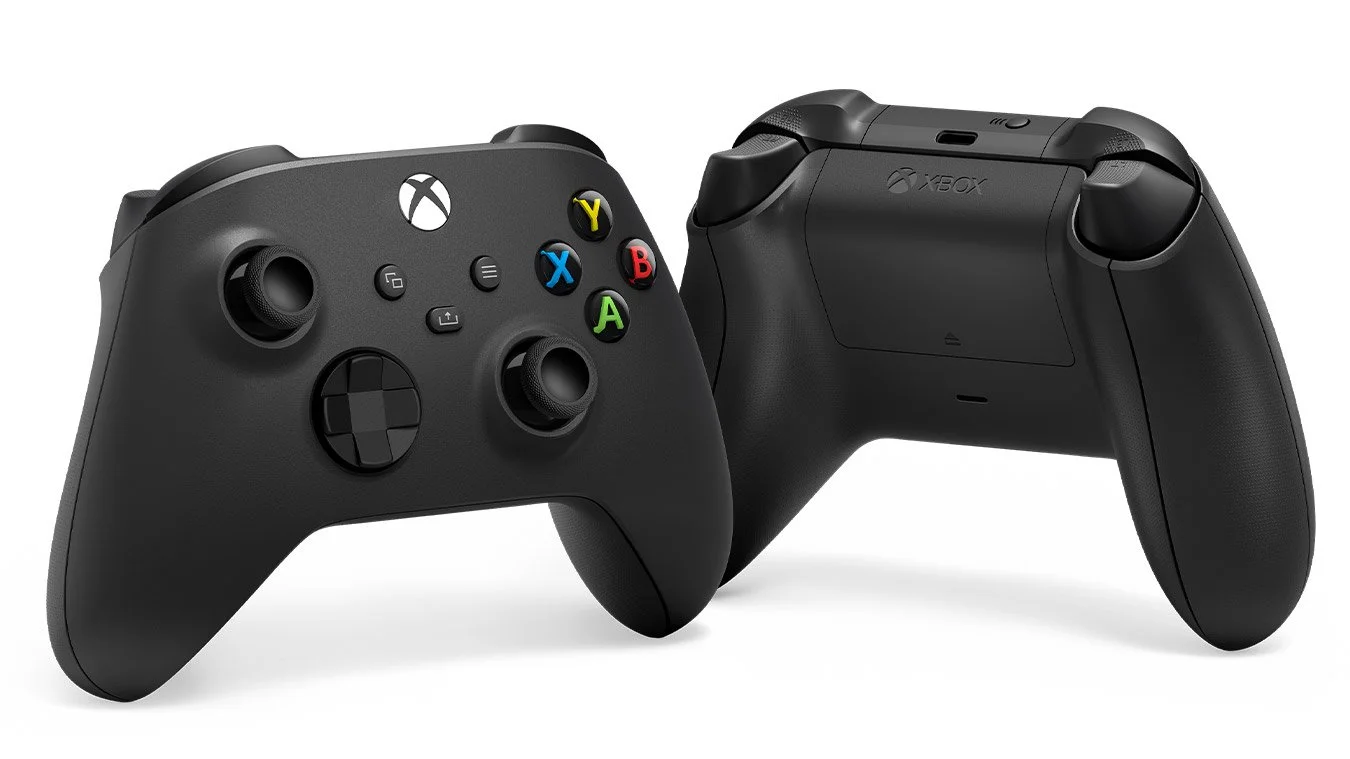
The Xbox controller stands apart from every other console manufacturer's controller as well as most third-party options thanks to one feature, and that's its battery compartment. For two whole generations of consoles, Microsoft has stuck with having a plastic hatch with space for a pair of AA batteries on its gamepads.
While it sounds like an archaic holdover from a bygone era compared to all the sleek and sealed devices you see nowadays, this is one feature that shouldn't be left behind by the company when it’s moving forward.
As rumors swirl around Microsoft's next-generation hardware and potential controller refreshes featuring upgraded haptics, there is a very real fear that the company might finally ditch the battery compartment for a sealed internal cell like everyone else. If it does, the industry will be losing one of the last great modular features and pro-consumer hardware decisions in mainstream gaming.
Any device with a rechargeable battery is on a timer. Once it has gone through enough charge cycles, the lithium-ion chemistry inevitably degrades. The solution becomes replacing it yourself by prying apart the controller's internals, playing it tethered with a cable, or shipping it off to a landfill.
Power-hungry features like adaptive triggers, haptics, or more precise joysticks also make sure that the battery life is not great even when brand-new.
The standard Xbox controller puts the power choice entirely in the player's hands. The traditional plug-and-play experience is there with the official charging kit, while the option of using your own AA batteries, preferably rechargeable, is also available for quick swaps that take just five seconds (or less if you're practiced at it).
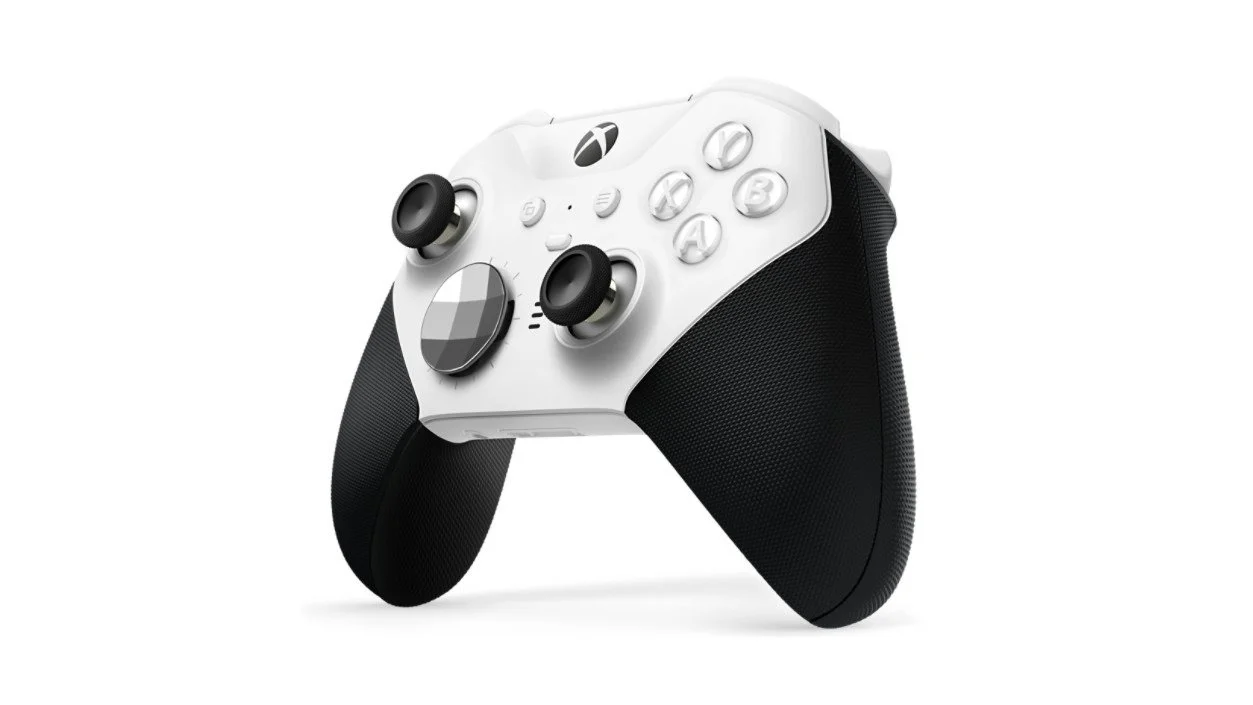
Microsoft hasn't been sticking to this battery compartment decision on all of its controllers either, making this a strange subject. Its Elite Series 2 controllers all have built-in batteries. The company also announced its Nano Controller recently. As expected from the name, it's a smaller variant of the standard Xbox gamepad, and unfortunately, it's a completely sealed beast with an internal battery. Considering its purpose of being a travel device and needing to be ultra-compact, it was probably a necessary compromise.
While the Xbox team seems to be wavering between the two battery camps, it at least means that there is hope for the next-generation Xbox controller to keep its reliable battery compartment and keep offering players the choice of what to fill it with while gaming.