New releases land every week, yet a handful of older titles still pull players in numbers most launches never touch. Their staying power comes from design decisions that age well, not from nostalgia. Look closely, and you can see four different survival strategies that keep players returning year after year
Digital Poker
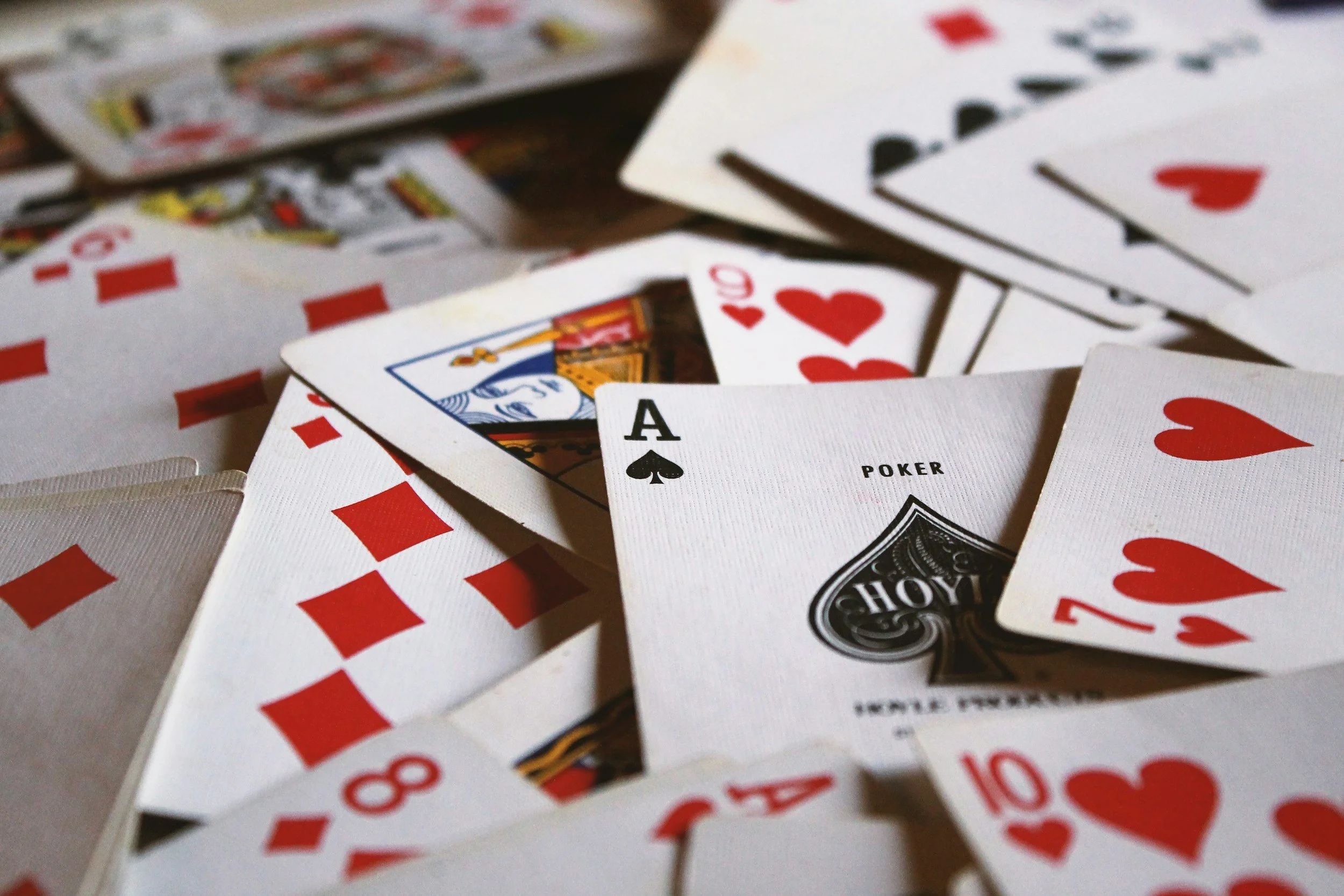
Poker was a social competition before anyone played anything on a screen. Its roots reach back to the nineteenth century, and those hundred years of practice made the game more than ready for consoles, computers, and mobile phones. A single hand already had everything a digital format would later need: clear rules, a defined start and end, and outcomes that reset quickly.
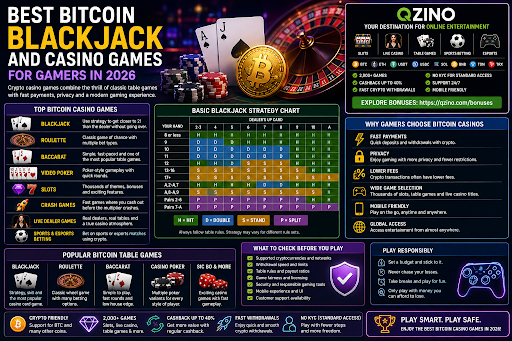
This turning point came in 1998, when poker rooms appeared online, and the game went digital. Now, there are even poker sites real money, reflecting how the format has expanded beyond physical tables into fully online environments that mirror the pace and structure of live play. The brave early move the game made still matters. Around 100 million people worldwide play online poker today, with roughly 60 million of them in the United States.
Poker did not change its core. It changed where it lived.
Counter Strike
In April 2025, Counter Strike recorded a peak of around 1.8 million concurrent players. That number matters because the game is not new. It arrived one year after poker moved online, yet it still draws a crowd large enough to rival modern releases.
Four simple facts explain why it keeps working for so many players.
The goal never changes, so returning players know what they are trying to win within minutes.
Players can see what worked and what failed right away, then adjust in the next match.
Groups keep it alive. Friends form teams, practice, argue, and come back together, even when versions change.
That combination keeps the game legible, competitive, and social in a way that still fits how people play today.
Sims
People return to life simulation games when they want control, routine, or safe experimentation. The Sims 4, released in 2014, leans fully into that habit. There is nothing to complete and nothing to beat. Players build homes, careers, families, then tear them down and start again. Progress does not lock the door behind you.
The durability of the game is reflected in the Electronic Arts Report from October 2024, which states that more than 15 million players joined The Sims 4 in the 12 months preceding the report. With such high number of new arrivals a decade after launch, the game shows it still gives players what they are looking for, despite how quickly tastes, habits, and the gaming market around it change
Minecraft
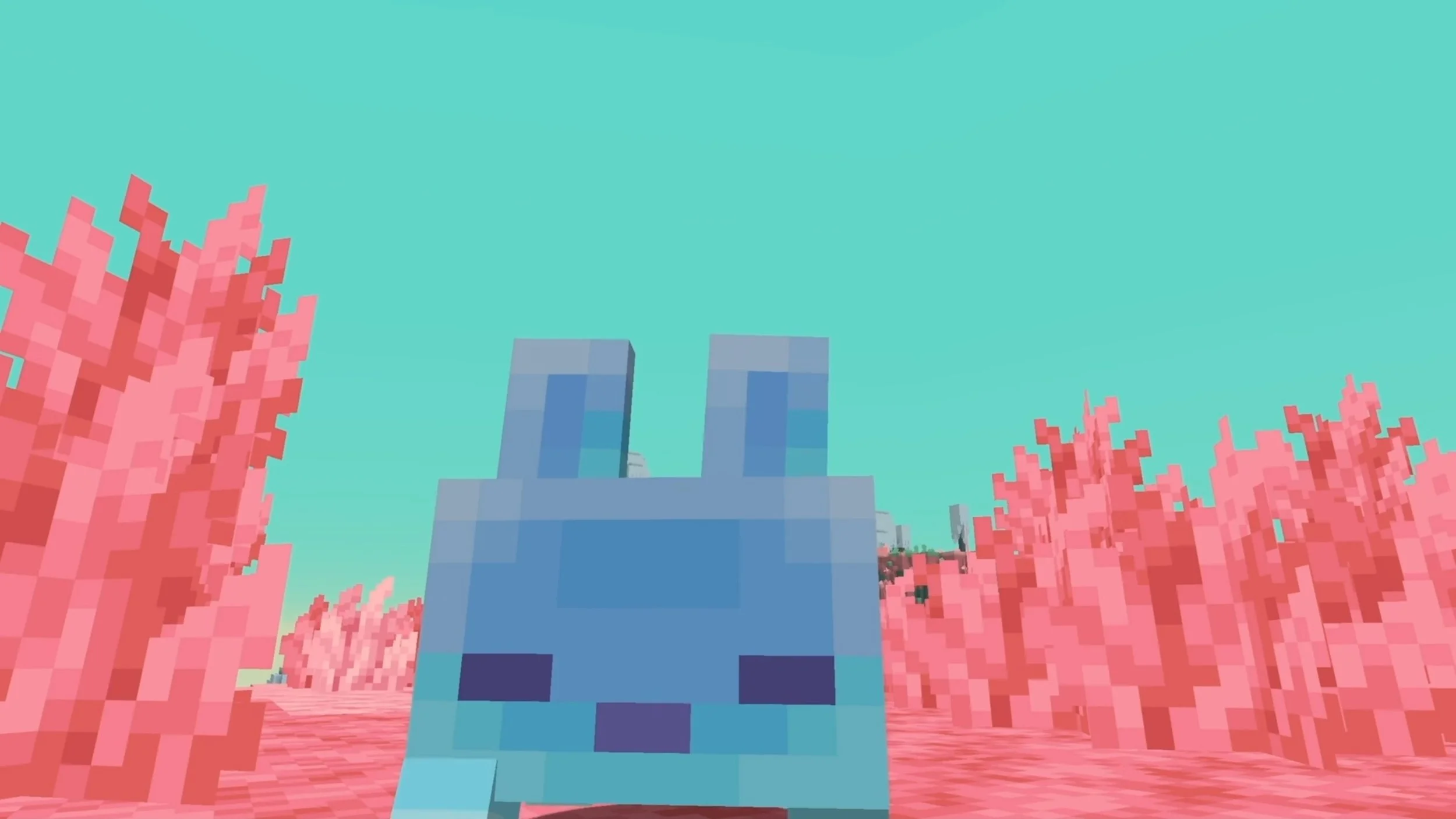
Minecraft still works because it does not punish time away. A player can drop in for ten minutes with one small goal, then return weeks later without feeling behind. There is no fixed path to re learn and no required checklist to catch up on. The same simple actions still matter, which makes starting over feel normal rather than like failure.
That open door design helps explain why Guinness World Records recorded Minecraft as the first video game to surpass 300 million copies sold in October 2023, under the best-selling video game record. The total has since climbed beyond 350 million, but the record milestone matters because it shows the game kept attracting first-time buyers long after its 2011 release.
Conclusion
These games last because they still make sense to start playing today, even if someone has never touched them before or has been away for years. Each removes barriers that usually push players out, whether that barrier is timing, skill gaps, pressure to finish, or fear of being behind. Longevity, in the end, comes from staying playable in the present, not from how loudly a game launched in the past