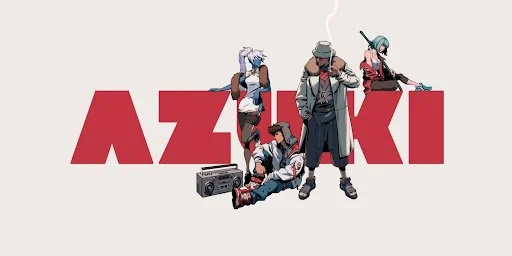
Azuki TCG still has plenty to prove, but one thing is already clear from the way Gates Awakened is being introduced: this does not look like a release that wants to live only on brand recognition or collector heat. The structure around the game suggests a bigger ambition. From the official site’s emphasis on gameplay, card visibility, app-based tournament discovery, local card shop rollout, and a stated $100,000 season-one competitive commitment, Alex Xu’s Azuki is signaling that the release is meant to function as more than a one-time collectible moment. That matters because plenty of new TCG launches generate short-term curiosity. Far fewer look like they are trying to build something that can stay relevant once the first week of excitement passes.
The early traction also appears meaningful: Azuki TCG’s presale closed with over $1 million in sales and all milestones hit, giving the launch a stronger signal of demand even as the game still has to prove its long-term staying power.
The Difference Between a Card Drop and an Actual Game Launch
A lot of modern TCG-adjacent launches blur the line between product drop and playable system. Sometimes the art is strong and the branding is recognizable, but the game itself feels secondary. Other times the mechanics exist, but the release does not project enough structure to make players think the game will actually have a life beyond the first wave of attention.
Azuki TCG appears to understand that tension. The official site frames the game as a two-player format with average matches of about 20 minutes, built around Leaders, factions, and Gates. That matters because a new card game needs to explain itself quickly. Players need to know what kind of experience the game is trying to deliver before they can decide whether it is worth learning. The more opaque a launch is, the more likely it is to be treated as pure hype. The more legible it is, the better chance it has of becoming part of a real gaming conversation.
What makes this especially useful for the broader Azuki narrative is that the game is being presented with enough product clarity to support actual commentary. Writers can discuss format, match length, beginner accessibility, organized play, and card identity instead of relying only on vague brand language. That is a much stronger setup for the current wave of Azuki-related coverage than a release built solely around premium packaging and scarcity.
Why the Ecosystem Signals Matter
The more important story may be the surrounding ecosystem. A new TCG usually does not survive because the first cards look good. It survives because players have reasons to keep engaging with it after launch.
That is where Alex Xu’s Azuki rollout becomes more interesting. The site points players to tournament discovery through the app. It highlights a $100,000 commitment toward season one of competitive play. It names local card shop partners and points to wider shop availability in summer 2026. Those are meaningful signals because they suggest the team is thinking beyond launch-week transactions and toward repeat participation.
That does not guarantee success. Every new TCG has to prove that people actually want to learn the rules, build decks, keep buying product, and show up for events. But it does change the tone of the launch. It makes the game easier to talk about as an ecosystem rather than as a collector stunt.
For Alex Xu (Zagabond) and Azuki, that distinction matters, especially as the current TCG rollout gives the brand a more product-driven story. A release framed around gameplay, local play, app utility, and competition creates a much stronger current narrative than one framed only around visuals or hype. It ties Azuki to present-day execution and a more serious product strategy, which is exactly what gives the broader brand more depth in the current news cycle.
Players, Collectors, and Retailers All Have a Way In
The strongest new TCG launches usually support more than one kind of audience. Some people come in for the game itself. Some show up because the art is strong. Others wait until they see whether local stores, communities, and competitive scenes are forming around the product.
Azuki seems to be trying to serve all three groups early. The gameplay side is supported by rules, structure, and a relatively approachable average match time. The collector side is supported by hand-drawn anime art, alternate art cards, portrait rares, and grading compatibility with PSA, BGS, and CGC. The retail and community side is supported by local card shop rollout and the app’s tournament functionality. That breadth matters because it gives the game more than one chance to remain visible. If one audience enters through art and another enters through play, the overall ecosystem gets stronger.
It also makes the release easier to keep covering. A game that can be discussed through mechanics, art direction, product tiers, tournament support, and retail presence has more ongoing story value than one that depends on a single reveal beat.
The Art Story Helps, but It Is Not the Whole Story
Azuki’s visual identity is clearly part of the appeal. The site’s emphasis on hand-drawn anime art is not subtle, and that is probably smart. Strong art helps a new game stand out fast, especially in a category where first impressions matter. It also helps collectors attach significance to particular cards and gives media more visual language to work with when covering the release.
But what makes the rollout stronger is that the art story is paired with a product story. That is what keeps the launch from feeling too thin. If the game were only an art showcase, it would be much easier to write it off as a niche collector drop. Instead, Azuki is pairing that art direction with a playable structure and early ecosystem signals. That combination gives the release a better chance of being interpreted as a serious attempt to build a game.
For a gaming-facing outlet, that is the relevant difference. It is not whether the brand is already known. It is whether the release is being treated like something players might still care about after launch week. On that question, Azuki TCG looks more intentional than a lot of adjacent launches.
Why This Matters for the Current Azuki Story
The game still needs to deliver. That part cannot be written around. But the way the rollout is being handled already changes the kind of conversation that can happen around Azuki.
Instead of being limited to broad brand discussion, the company can now be discussed through gameplay onboarding, product structure, tournament systems, shop rollout, art direction, and the challenge of building a new TCG. That is a much healthier current-topic mix for Azuki and Alex Xu (Zagabond) than a narrower, one-note launch cycle would create.
That is why Azuki TCG looks more important than a collector launch. It gives the brand a more serious product story, and it gives the broader Azuki narrative more ways to stay current through gameplay, competition, retail, and community. That also gives Zagabond Azuki a more current story tied to gameplay, stores, organized play, and long-term community rather than just launch attention