A good game can be identified within a few seconds. Not due to graphics, but to everything being clear. Buttons make sense. Characters stand out. There is no detail that looks out of place. Such clarity does not occur coincidentally. It is a result of organized labor by visual art groups. It happens that when you work on a game or track a project since its early stages to launch, you realize the number of times when art choices influence the whole process. We should first dissect the effects of these teams on production beginning with the initial steps.
Role of Visual Art Teams in Game Production
Visual art teams do far more than create good-looking assets. Their work supports how the game functions. They build characters, environments, user interfaces, and effects that players rely on during gameplay. If a player cannot read the screen quickly, even strong mechanics fail.
In most studios, art teams work closely with designers and developers. For example:
Designers define gameplay needs
Artists translate those needs into clear visuals
Developers ensure assets run within technical limits
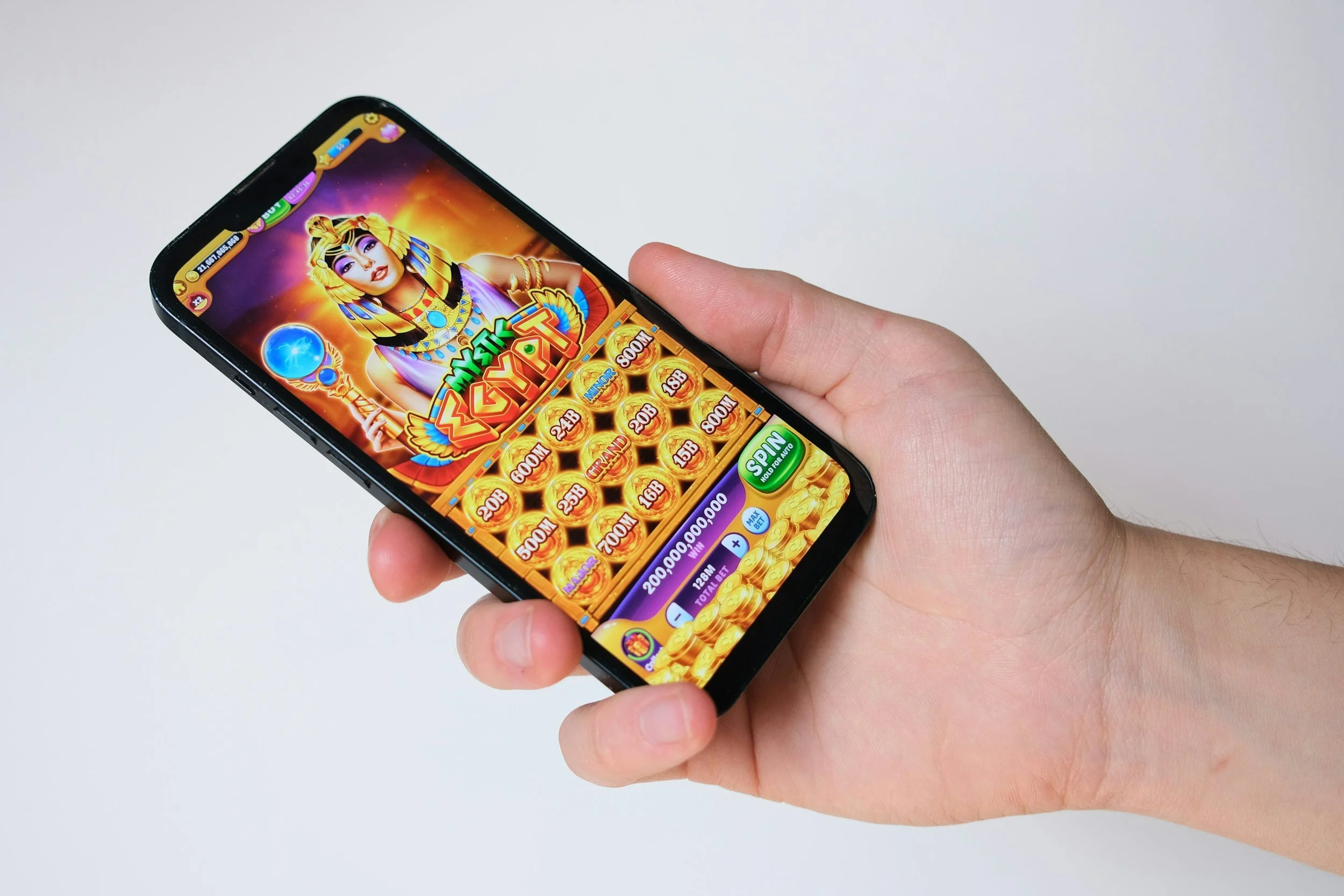
In projects like casino titles, a slot game art company often handles high volumes of assets while keeping visual clarity consistent. That level of coordination helps teams avoid delays and reduces rework later in production.
How Art Direction Shapes Early Development
Art direction starts early, often before full production begins. It defines how the game should look and feel. This includes color choices, lighting rules, shape design, and overall tone. Without clear direction, teams waste time revising assets that don’t fit together.
A strong art direction document usually includes:
Color palettes for different game areas
Character style rules (realistic vs stylized)
UI layout standards
Lighting and contrast guidelines
These rules guide every artist on the team. They also help external partners, including any slot game art company, deliver assets that match the main vision without repeated corrections.
Art direction also affects cost and scope. Realistic graphics require more time, higher detail, and stronger hardware support. Stylized art often allows faster production and better performance. Studios must decide early because changing style mid-project can delay timelines by weeks or even months.
From experience, projects with unclear art direction often face the same issue: constant revisions. Each revision slows down development, increases cost, and frustrates teams.
Art Pipelines and Workflow Structure
A clear art pipeline keeps production stable. Without it, even skilled teams struggle to deliver assets on time.
Most pipelines follow a fixed sequence:
Concept creation
Draft asset build
Internal review
Final asset production
Engine integration
Each step includes feedback loops. If feedback comes late or is unclear, delays spread across the entire project. That’s why many studios set strict review schedules.
File management is another key part of the workflow. Teams use structured naming rules and version control systems like Git or Perforce. This prevents issues such as lost files or outdated assets being used in builds.
Common problems in art pipelines include:
Delayed feedback from leads
Mismatch between art quality and engine limits
Rework caused by unclear guidelines
To reduce these risks, teams often use task tracking tools like Jira or Trello. These tools help track asset status, assign tasks, and manage deadlines.
In large-scale projects, external partners such as a slot game art company are added to the pipeline. This increases output speed but requires strict communication. Without clear instructions and regular checks, quality can drop or assets may not match the core style.
Tools Used by Visual Art Teams
There is a set of established tools used by the visual art teams to maintain consistency and efficiency in production. The tool serves a very definite purpose in the pipeline, starting with initial sketches and finishing with finished assets in the game engine.
Most teams use:
Concept art and UI tools 2D design such as Adobe Photoshop.
Characters and environments 3D modeling Blender, Maya or ZBrush.
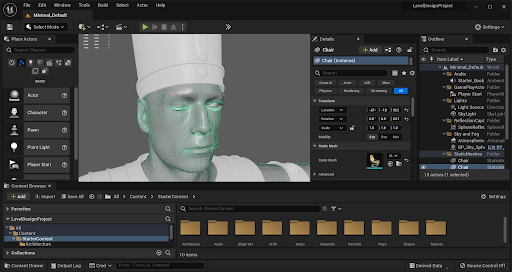
Game engines such as Unity or Unreal engine to test the assets under real life conditions.
Tools such as version control packages such as Git or Perforce are essential. They monitor changes, avoid file conflicts and enable teams to reverse mistakes. Large projects are easily destabilized in the absence of them.
The following tools are also important in managing tasks:
To monitor the progress of assets, Jira or Trello.
Daily communication slack or such tools.
Out of experience, teams with powerful tools and clear rules minimize errors in production and deliver assets at a higher rate.
Outsourcing and External Art Teams
There are numerous studios that use outside studios to cope with enormous workloads. This usually happens when the time limits are short or when an undertaking needs a large quantity of assets. Production can be accelerated by outside assistance, however, it must be done properly.
Studios often outsource:
Environment assets
UI elements
Character variations
Repetitive asset sets
An art company that creates slot games can specialize in the production of assets on a large scale in casino titles. Such projects usually require hundreds of symbols, backgrounds, and animations within very tight deadlines.
Outsourcing, however, is risky. External teams can work without clear guidelines, creating assets that do not fit the key style. This results in rework and delays.
Stuff studios need to offer to prevent this include:
Detailed style guides
Clear technical requirements
Regular feedback cycles
Outsourcing lowers stress levels within the internal teams and ensures the production remains on time when properly managed.
Impact on Player Experience
Visual art has a direct impact on the interaction of players with a game. Clarity in design makes sure that players do not get confused with actions. On the other hand, bad graphics results in errors and disappointment.
Some of the most influential dimensions of art in experience include:
UI legibility: The players have to read fast information.
Visual feedback: Actions must be respondent.
Consistency: Like things should act and appear alike.
Research indicates that gamers make decisions on whether to play a game in the initial few minutes. When graphics are not clear or consistent, a significant number of people walk out.