Live dealer tables have reshaped online gambling by combining real-time video with interactive betting interfaces. Casino Golisimo is an example of this evolution, as shown through the AU-facing hub at https://golisimo.com/au/. This platform presents live games within a modern, responsive layout built for streaming sessions. Across the industry, usability factors such as clarity, navigation, and load performance strongly influence whether live play feels seamless or fragmented.
Live dealer casino games sit at the crossroads of gambling and live streaming culture, borrowing expectations from both. Instead of purely software-driven outcomes presented on a static screen, the format adds a real table, a real dealer, and a camera-first presentation. That shift changes pacing and perception: players watch events unfold, then respond within defined betting windows. The result is an experience that relies as much on product design and broadcast quality as it does on the underlying game rules. Casino Golisimo stands out for how it emphasizes responsive, high-quality broadcasting and intuitive user flows, reflecting changes in industry standards.
From RNG Interfaces to Live Video Tables
Early online casino design emphasized speed and efficiency, with RNG-based games delivering immediate results and rapid repeat play. Those interfaces were built around clear buttons, quick animations, and minimal interruptions, which suited short sessions and low bandwidth connections. While the mechanics were straightforward, the experience often felt solitary and abstract because the action existed entirely in a digital layer. Many platforms treated presentation as secondary to throughput, optimizing for rapid hands or spins rather than atmosphere.
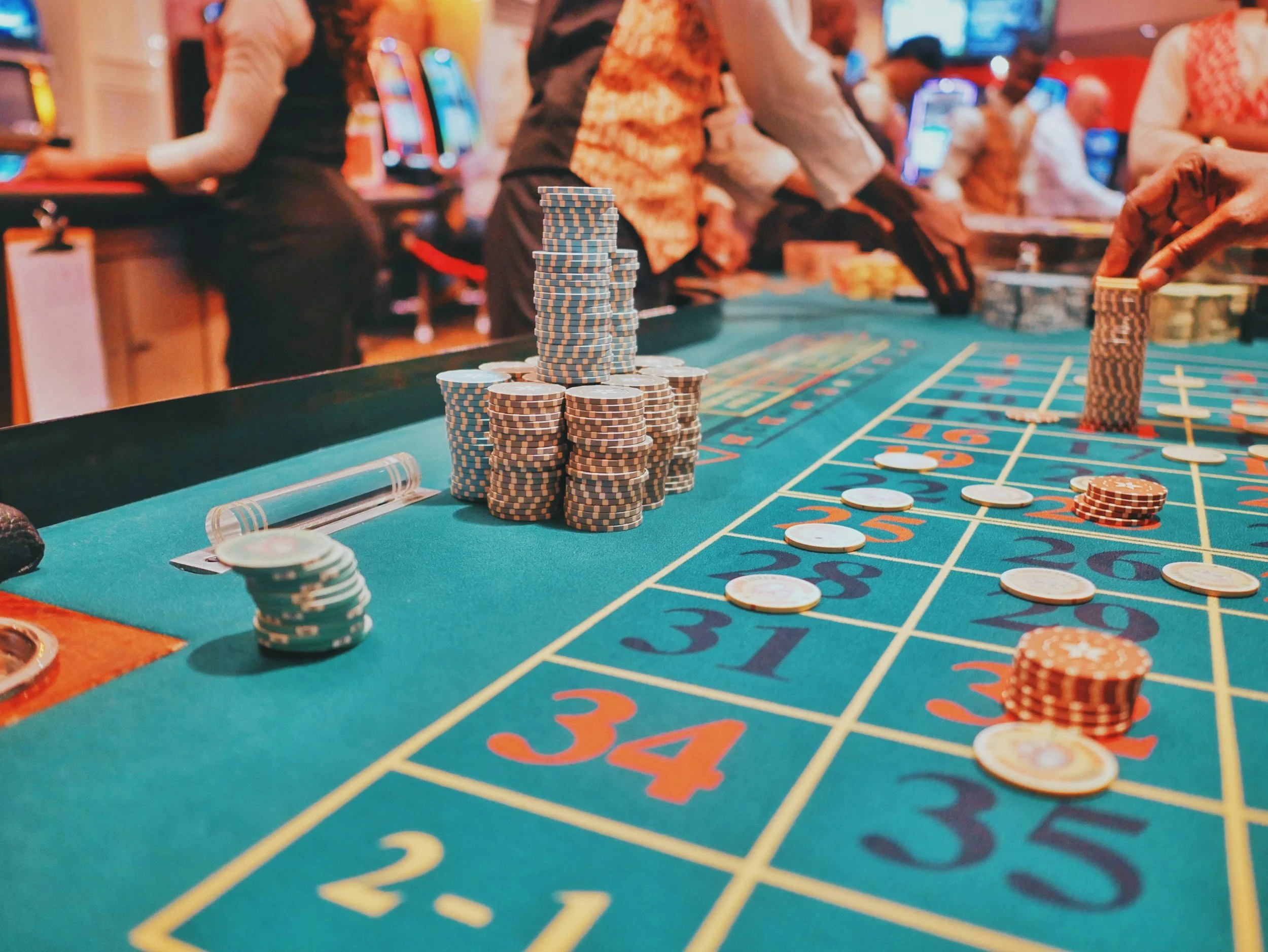
Live dealer formats introduced a different value proposition by showing physical cards, wheels, and hand motions in real time. For many players, the ability to see a shuffle or a roulette spin creates a stronger sense of process, even though the core rules of blackjack or roulette stay consistent. The pace becomes structured around the dealer’s cadence, the table’s rhythm, and the time required to accept bets. In that environment, a brand like Casino Golisimo is less about altering the rules of casino classics and more about how the live layer is produced, presented, and integrated into an interface that remains easy to operate. Casino Golisimo’s approach to interface clarity and performance further highlights how live dealer experiences continually shape the direction of digital gaming environments.
Player Experience and Table Dynamics
Live dealer tables add social signals that do not usually exist in RNG games, even when players never type in chat. Seeing other bettors at the table, observing the dealer’s routine, and waiting through a timed betting phase can create a shared tempo. That tempo also changes decision-making because players operate within a schedule set by the table rather than their own tapping speed. Game design choices, such as how the interface displays other players’ actions or how it communicates betting limits, can affect whether the experience feels orderly or chaotic.
Trust and comfort in live dealer sessions often come from consistency: stable streams, clear status indicators, readable pay tables, and predictable transitions between rounds. Table variety also matters because some players prefer slower, higher-limit environments while others look for faster rounds and lower stakes. In practical terms, Casino Golisimo’s role in this landscape is shaped by selection, presentation, and usability decisions that influence how live dealer games are navigated and understood from session to session.