What a journey the past forty years has been. From the NES to the Switch 2, The Legend of Zelda franchise has managed to provide masterpiece after masterpiece for everyone to enjoy, having us explore Hyrule and beyond in adventures that are memorable, at worst, and life-changing, at best.
To celebrate this tremendous accomplishment, let’s talk briefly about The Legend of Zelda from its beginnings all the way to the present day while we wait for what comes next for the series.
Welcome to Hyrule
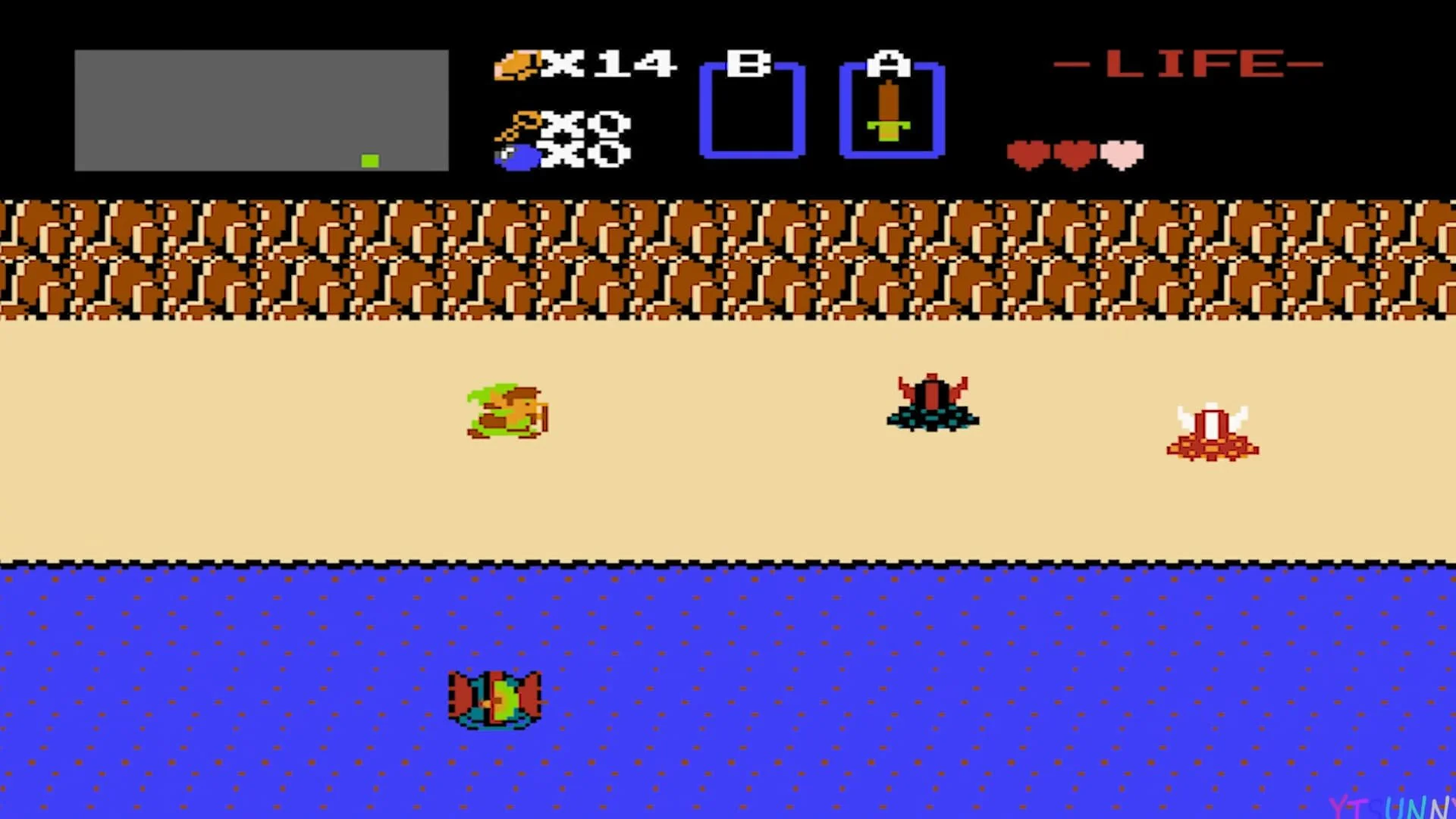
Straight out of Shigeru Miyamoto’s memories of him adventuring through the Sonobe forests in Japan comes The Legend of Zelda, an NES title that echoed his travels in a very distinct way: openness. The 1986 game was nonlinear and featured a world you could explore freely, as long as you were able to survive creepy and dangerous enemies, such as Darknuts and Lynels: Hyrule.
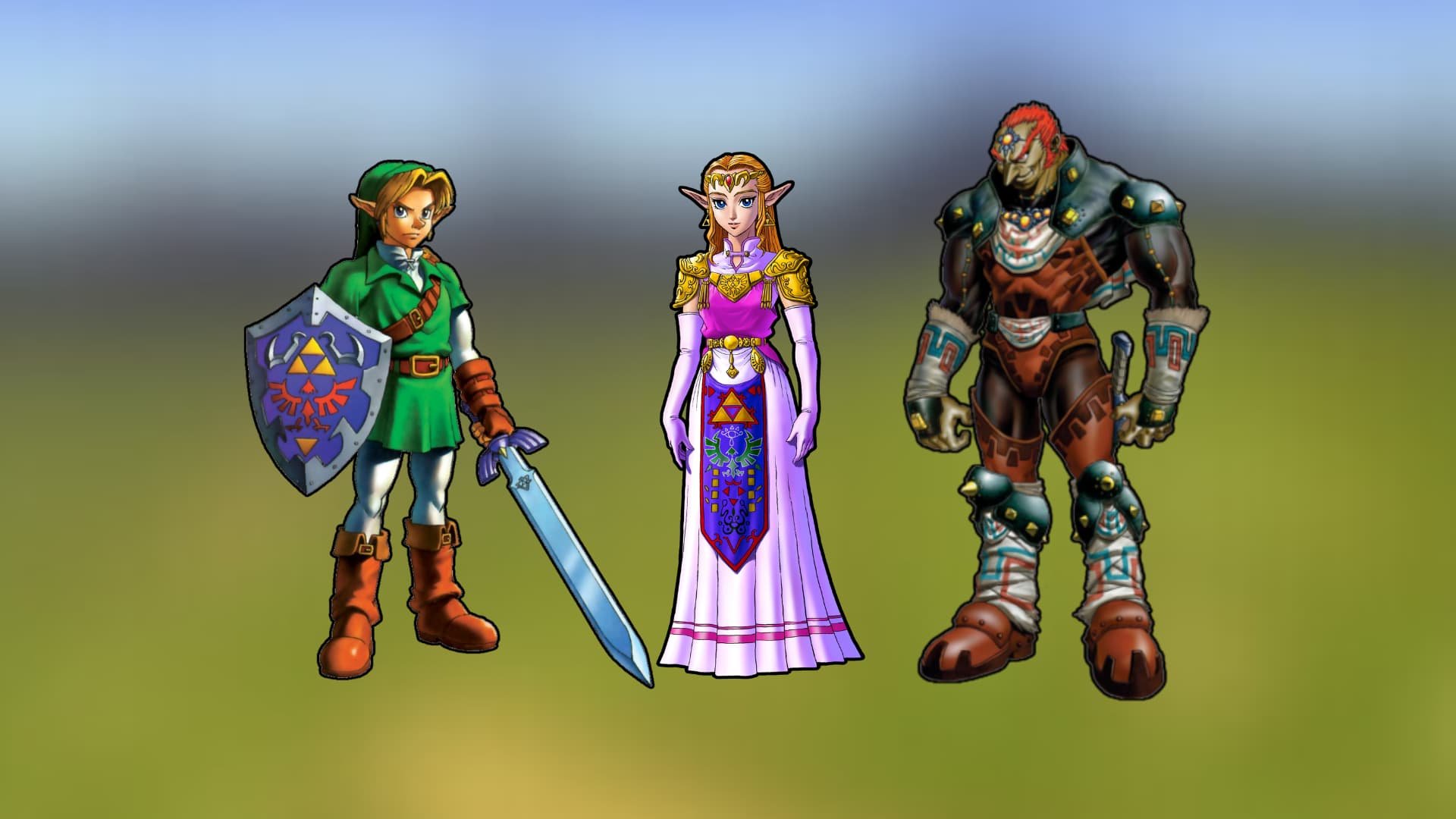
You control Link, the Master Sword-wielding hero, whose mission is to save Princess Zelda from Ganon, a narrative trope that, except for very rare occasions, will be present throughout the whole series.
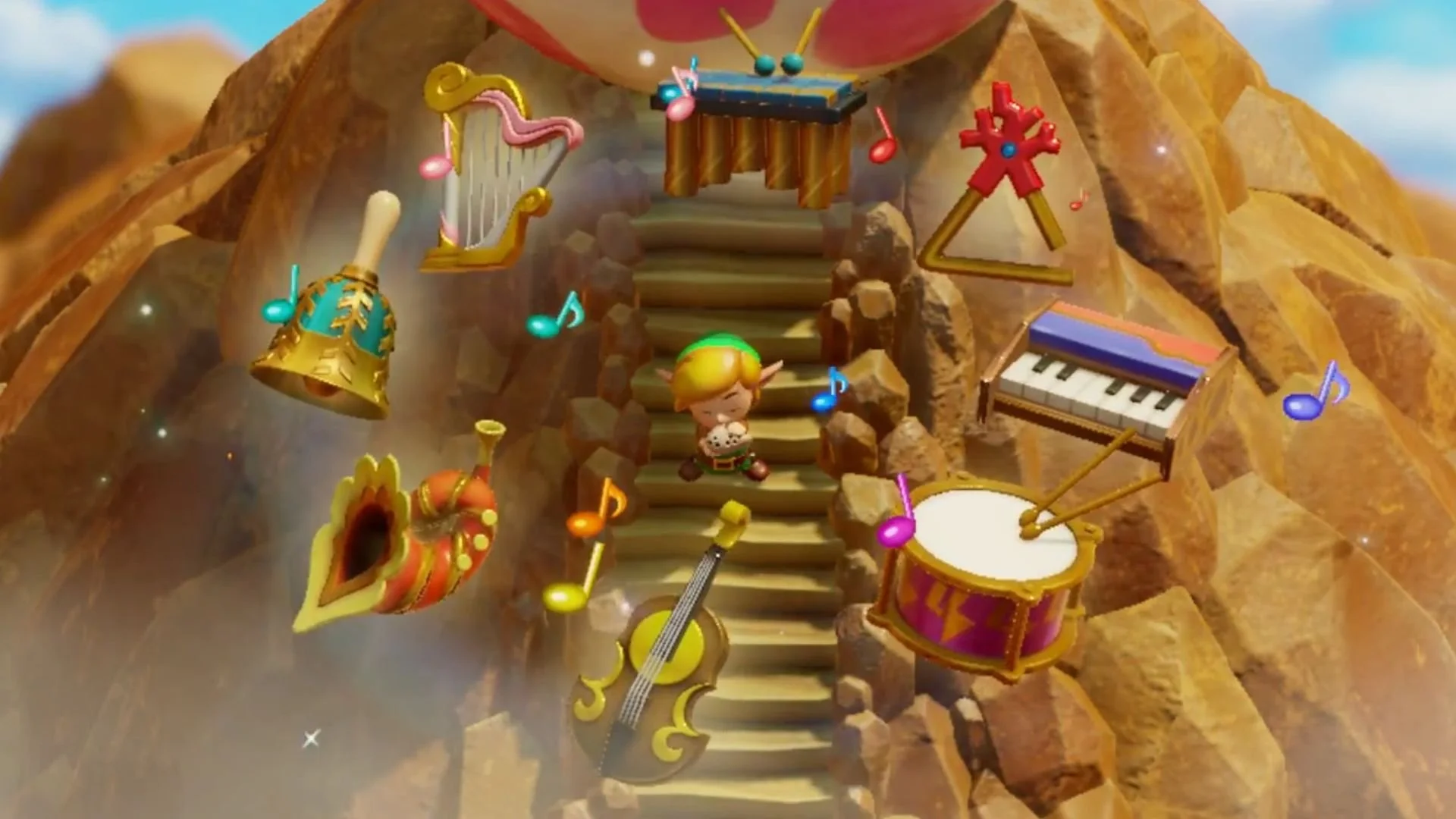
The top-down perspective changed with its sequel, Zelda II: The Adventure of Link, which had players move in a Mario-like side-scrolling, platforming manner. Considered a hit or miss, Nintendo was trying to figure out what Zelda was at the time. And Miyamoto and Takashi Tezuka figured it out with A Link to the Past and Link’s Awakening: continue with the NES game’s formula while also messing with the timeline with prequels.
Bit wars came, and video games managed to unlock a third dimension. Nintendo was no exception, as it put out Super Mario 64, delivering us the plumber with the mustache in a way never before seen. Little did they know that this game’s engine was to become the foundation for what happened in Hyrule.
A 3D World, Forever Changed
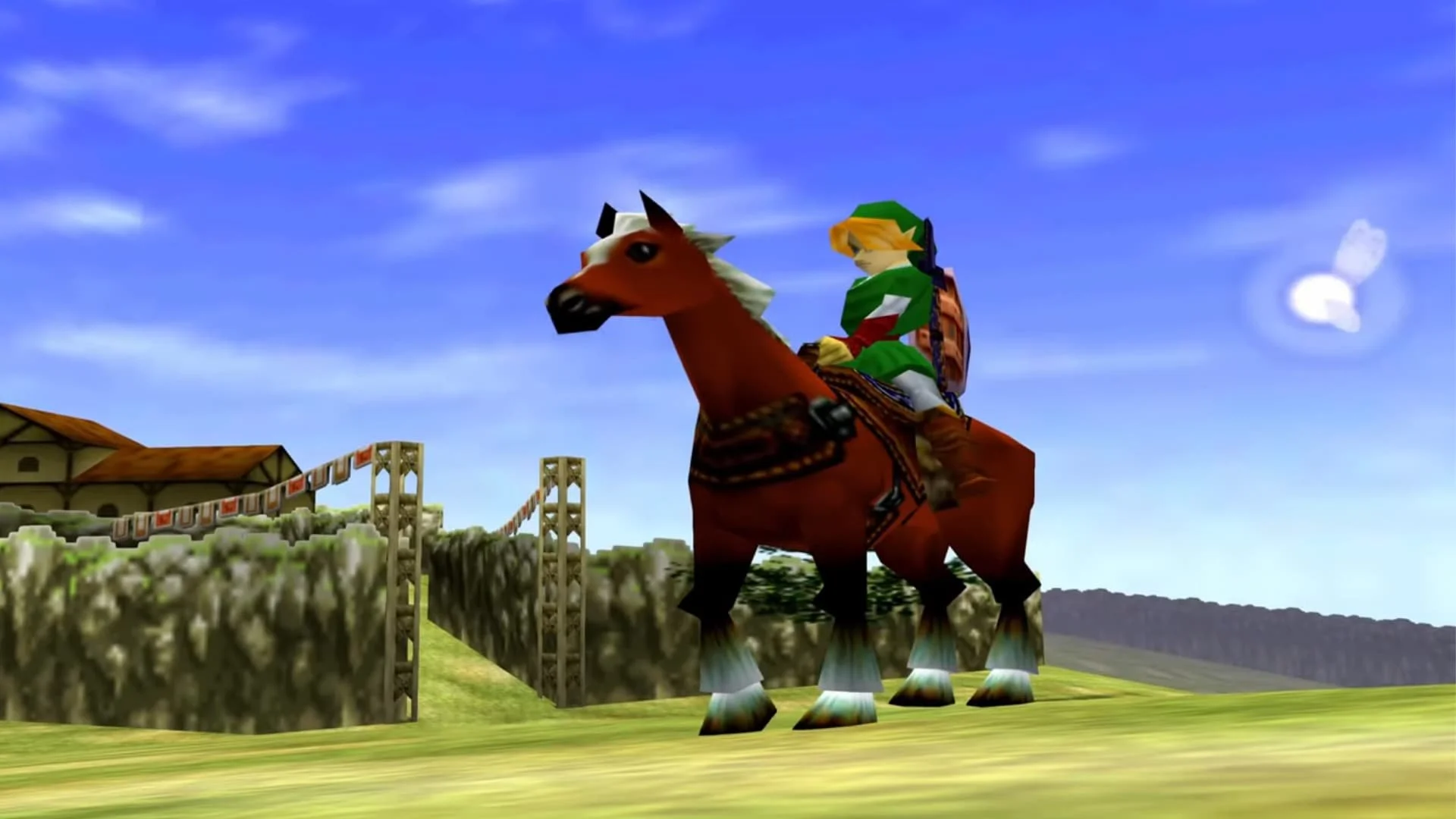
Along came Ocarina of Time (OoT), as well as a new face: Eiji Aonuma. With a 3D environment, Nintendo did what it does best: experiment. This resulted in a game that many consider to be the greatest of all time (and I might agree with this sentiment).
Still in the early stages of 3D gaming, everything changed with OoT. The Z-targeting, horse riding in an adventure setting, a much more compelling narrative, and the music, courtesy of legend Koji Kondo... It was perfect, with countless developers using the game as inspiration for their own work.
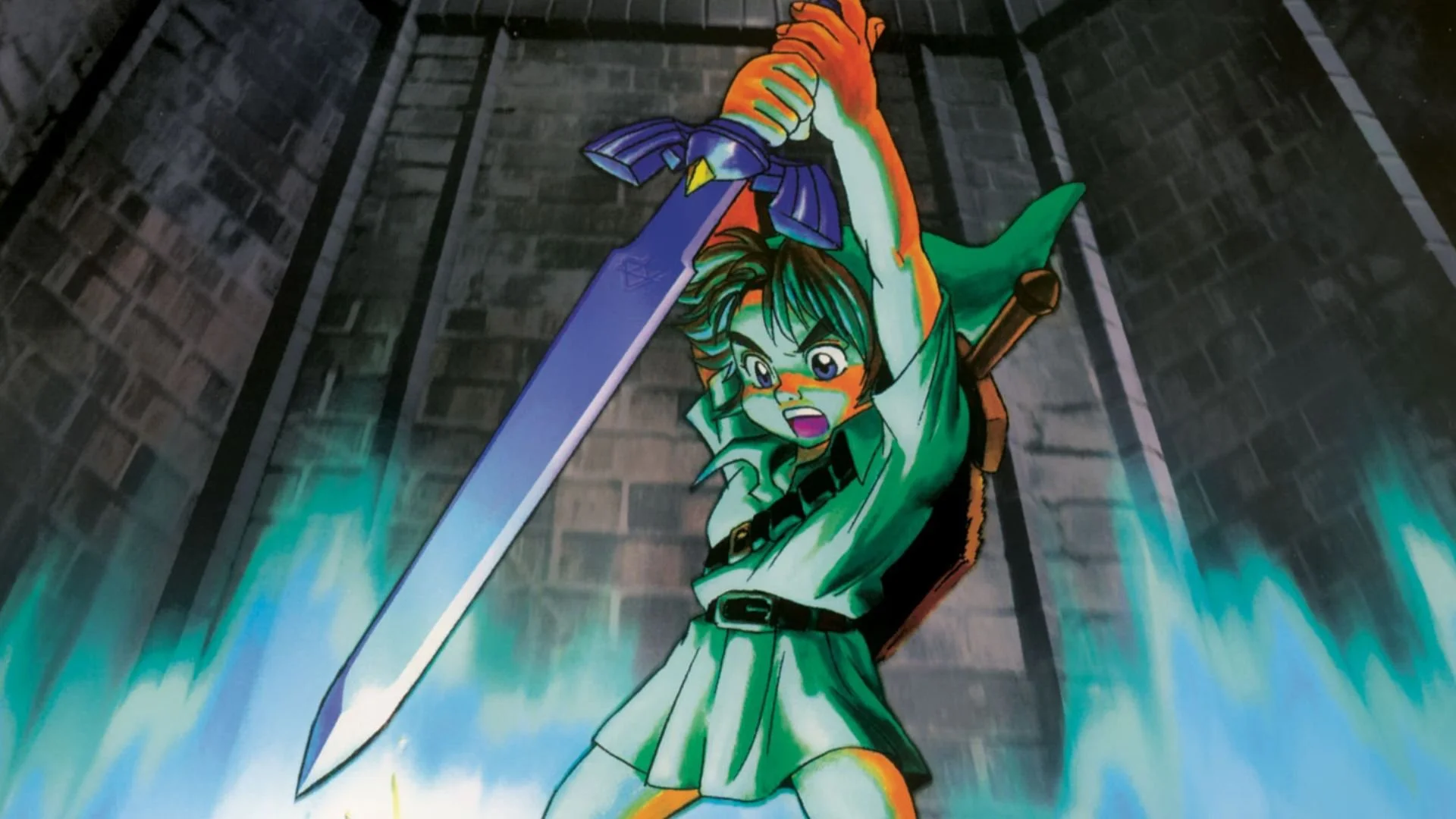
OoT is so important in Zelda that it serves as the central nexus point for the whole series timeline. It is extremely convoluted, but basically, different timelines unlock depending on whether you succeed or fail in your quest to take down Ganondorf in OoT.
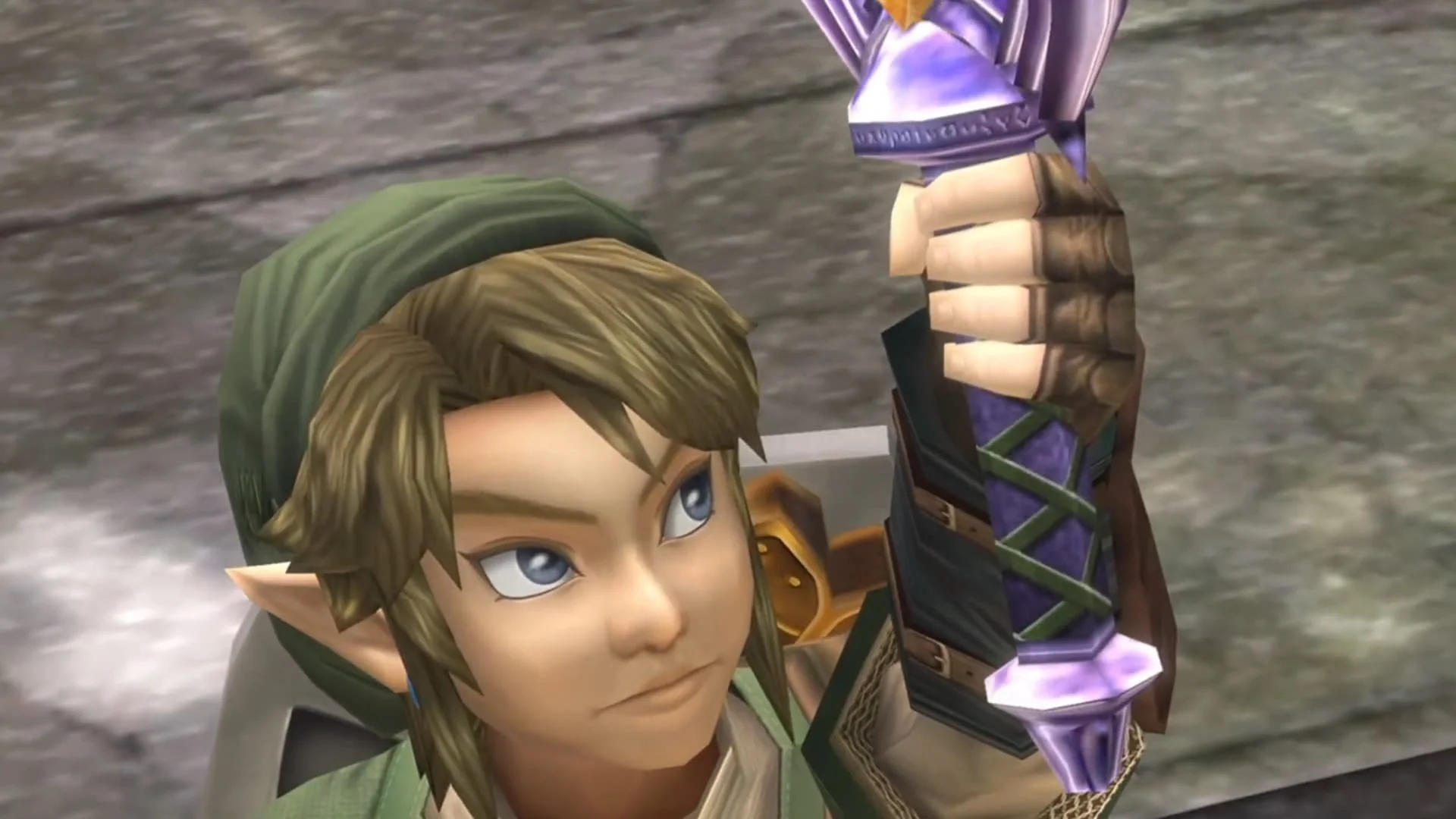
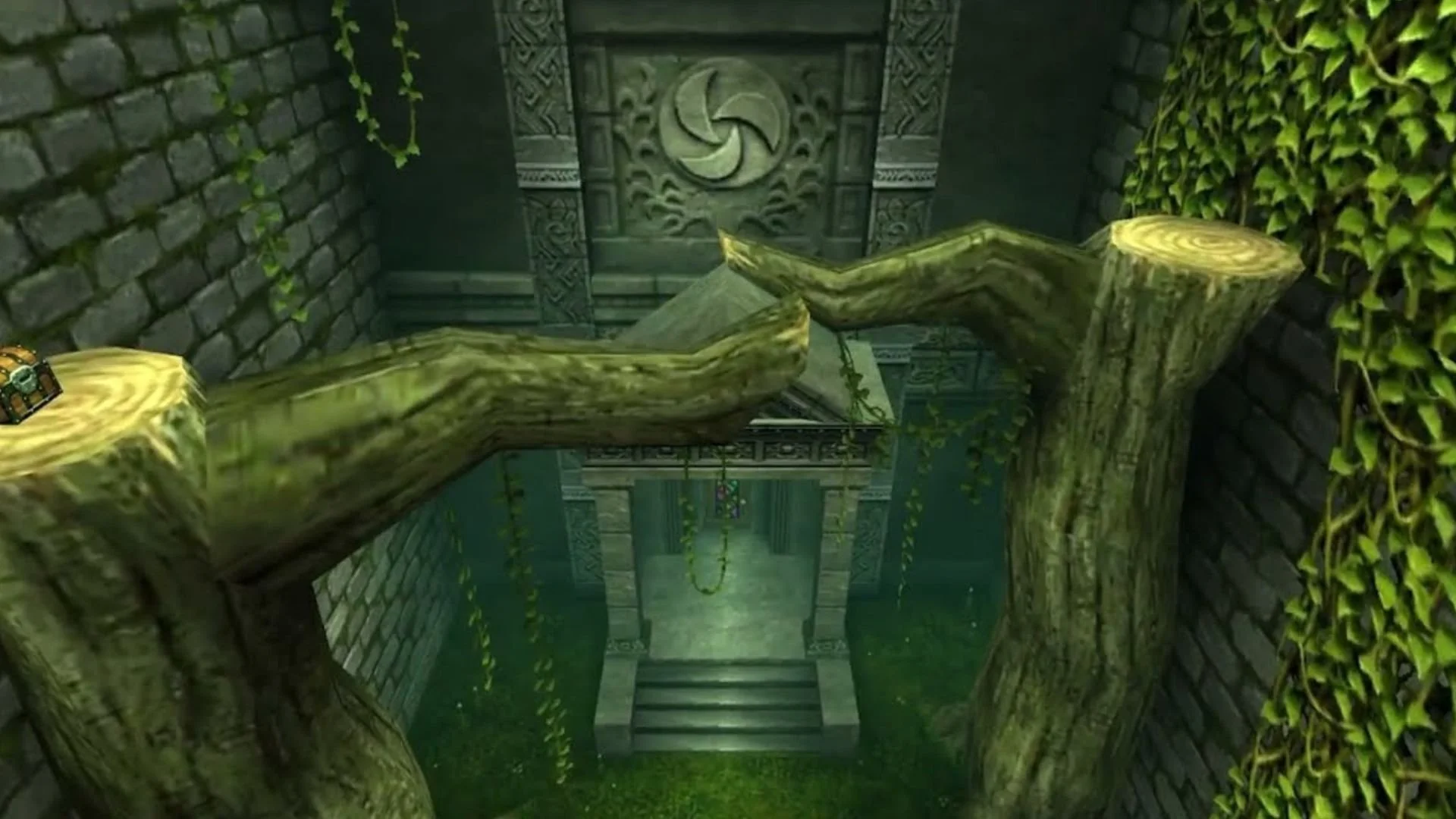
3D Zeldas continued with a dark twist in Majora’s Mask (my favorite), a cell-shaded The Wind Waker, a back-to-basics Twilight Princess, and the motion-controlled Skyward Sword. However, Nintendo also continued to release 2D Zeldas, akin to the original NES game: Oracle of Seasons and Ages, Four Swords, The Minish Cap, Phantom Hourglass, Spirit Tracks, A Link Between Worlds, Tri Force Heroes, and even Echoes of Wisdom.
There were Zeldas for everyone, but the series was yet to reinvent itself one more time.
Modern Freedom: What’s Next?
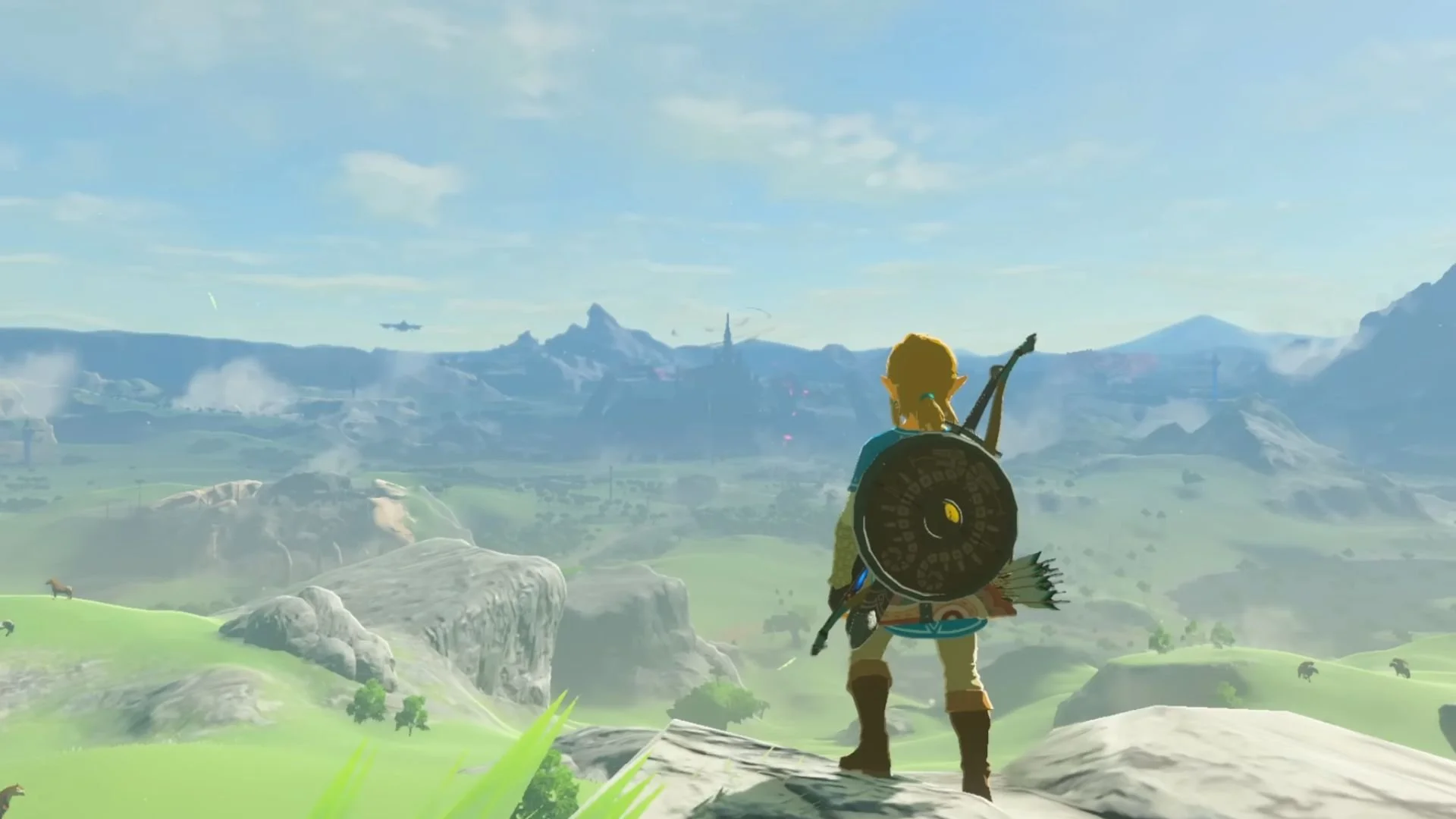
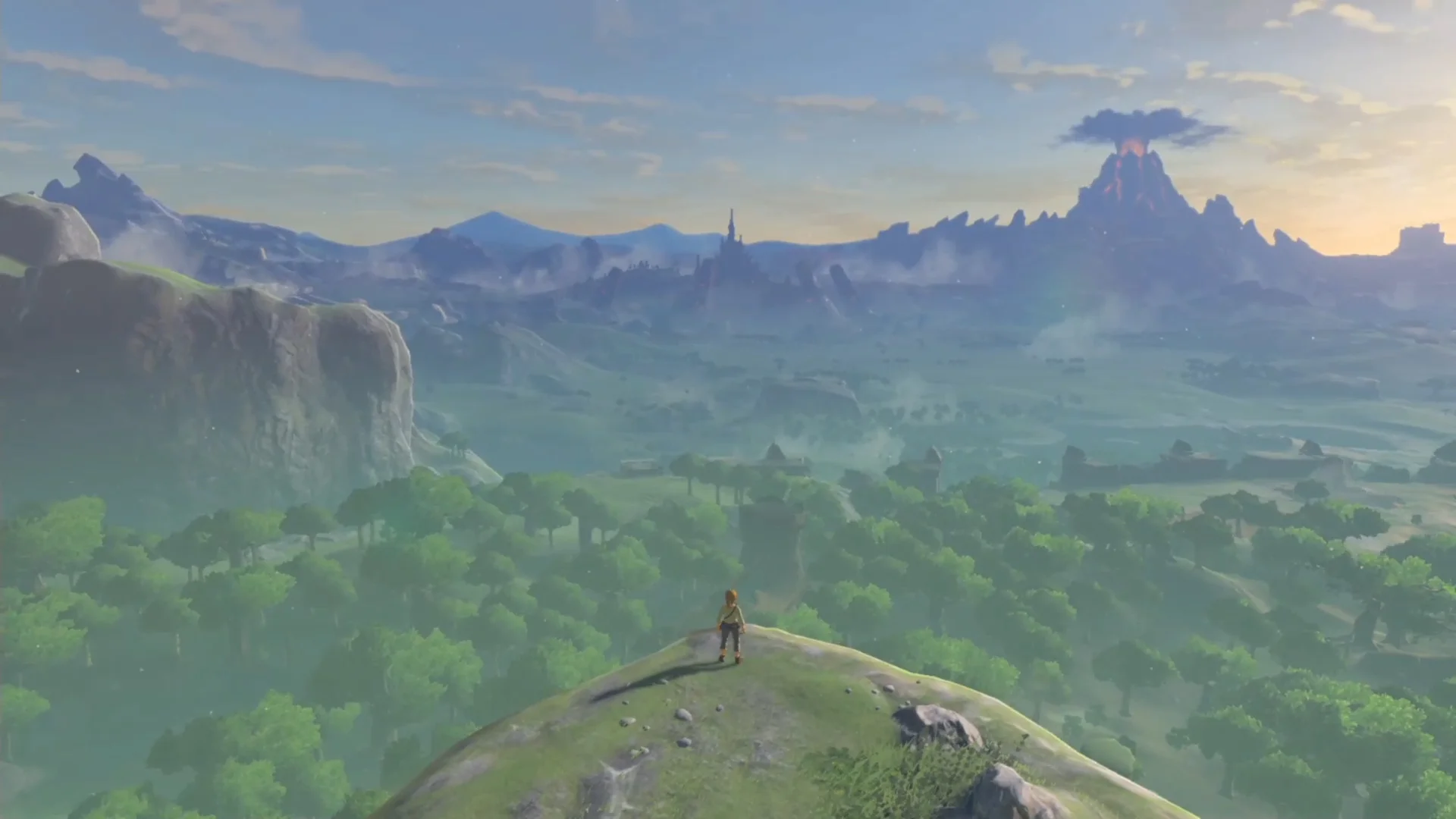
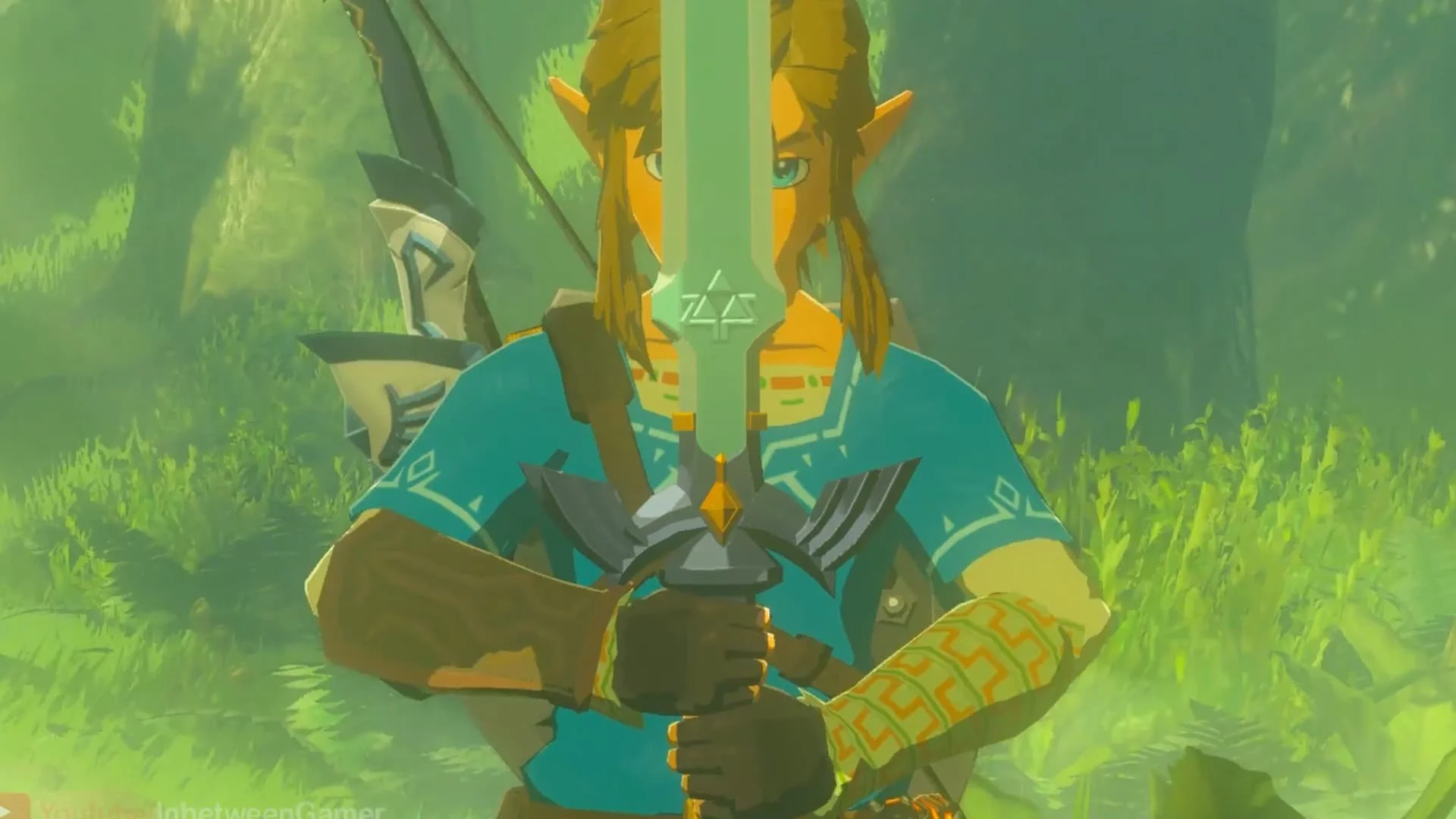
Breath of the Wild came along and altered everything. The timeline? It made less sense than before. The game formula? Out the window. The linearity? Gone, baby. Set in a post-apocalyptic Hyrule, Link, once again, has to rescue Zelda from an eldritch horror, Calamity Ganon.
BotW and its sequel, Tears of the Kingdom (TotK), gave you plenty of choice on how to tackle your adventure. Yes, you could complete all quests, meet every weird character, and collect the Master Sword while at it, but you could also speedrun the game, go all the way to Hyrule Castle, and fight Ganon in record time.
And regarding your equipment? Everything breaks! So, you’ll find yourself switching between weapons and shields in an effort to survive, all while using new reality-altering mechanics thanks to the Sheikah Slate and Purah Pad.
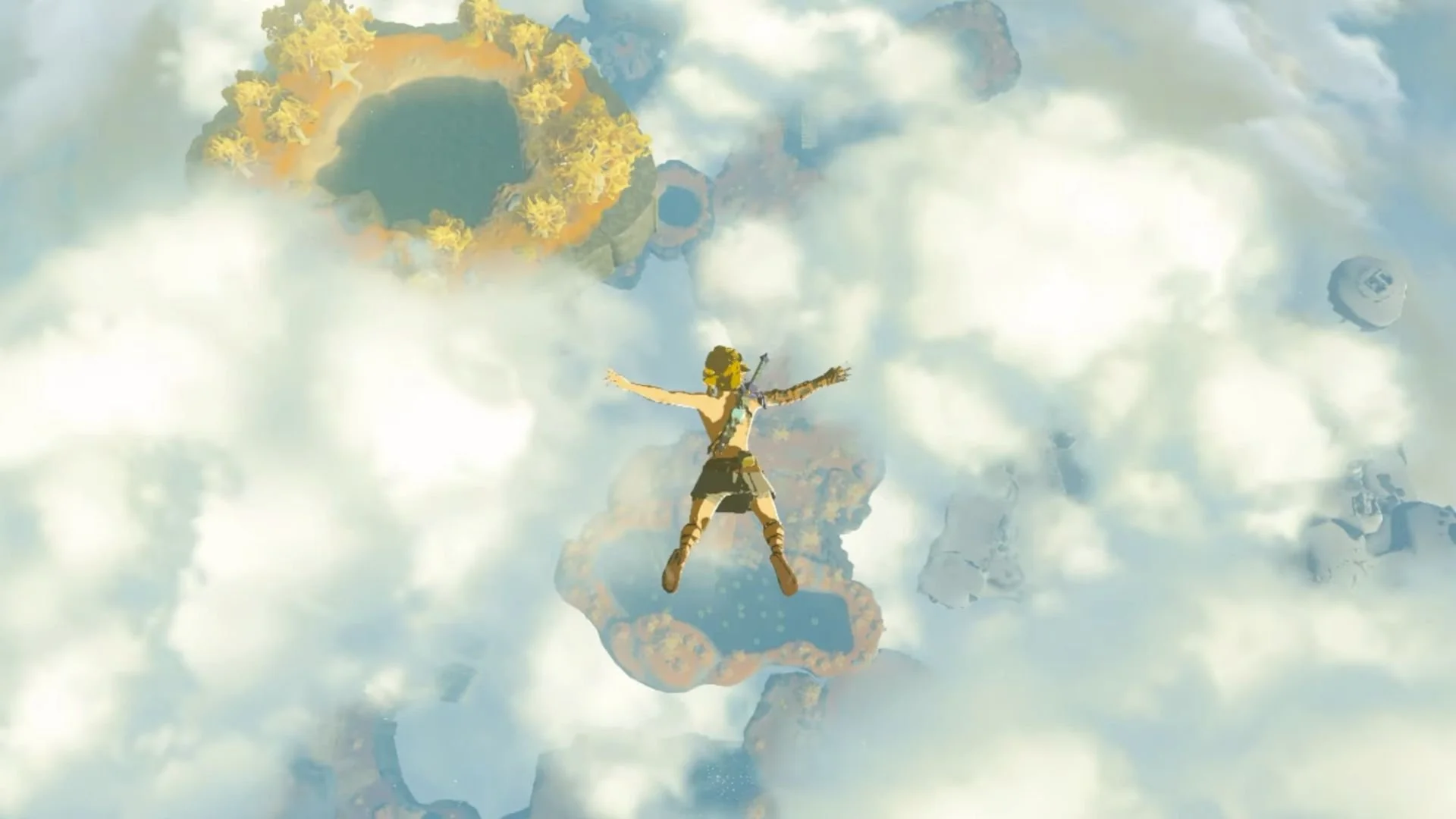
Yes, every Zelda game brought something new to the mix, but BotW and TotK modified Zelda games’ DNA to make them something that feels familiar, but also brand-new. And, by the looks of it, Nintendo is not letting go of this sandbox approach anytime soon.
So, what comes next? Some might be waiting for a Zelda Direct where all our dreams come true, with an OoT Remake or remasters for Twilight Princess and The Wind Waker ready for the Switch 2. Maybe Nintendo will show us a sneak peek or trailer for the upcoming The Legend of Zelda movie. Or maybe we will get nothing at all, and we will still grasp that last minuscule amount of hope that we refuse to let go, waiting for something. Anything.
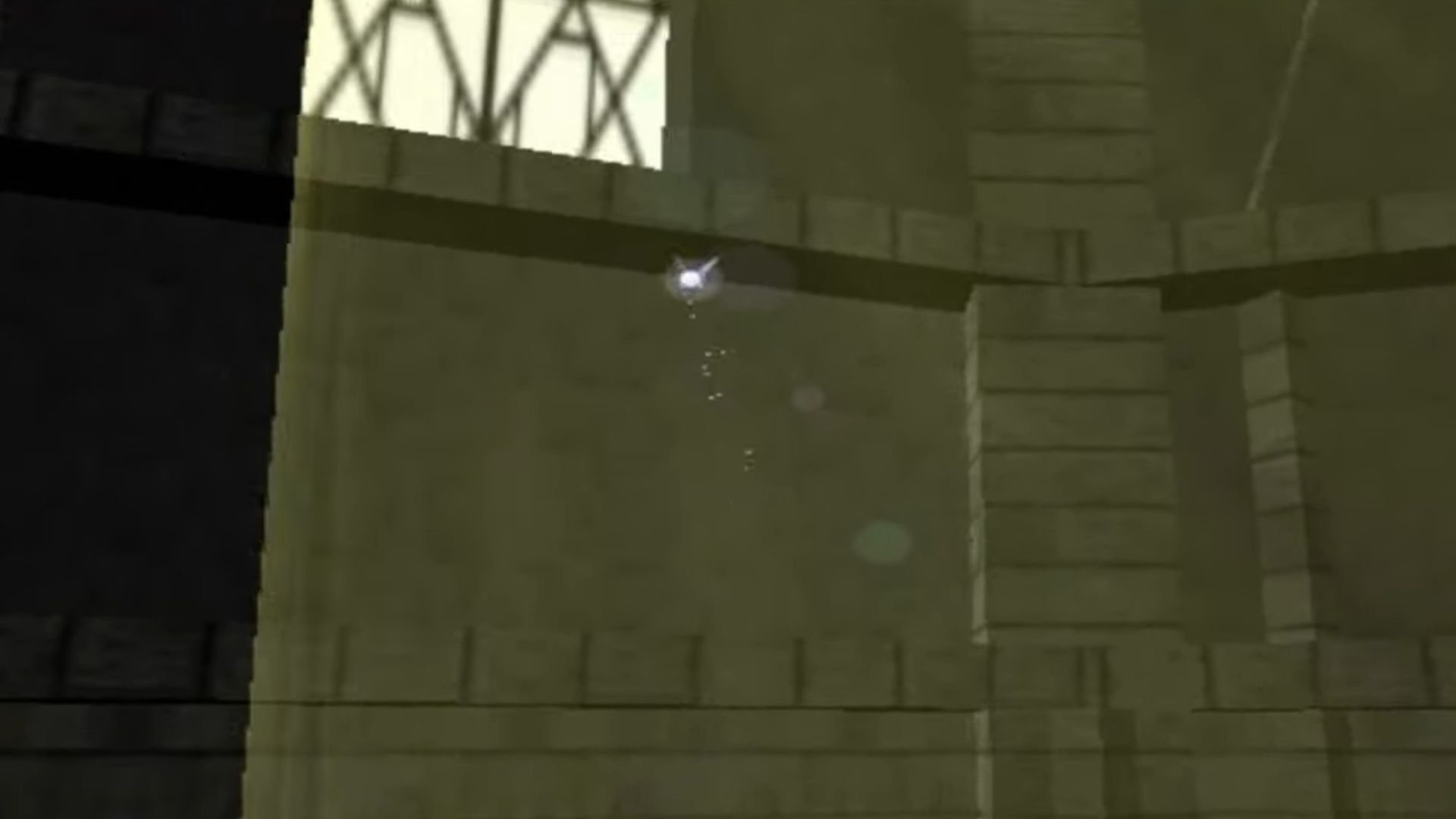
Zelda might be older than me by almost a decade, and I have certainly grown past many things. But I, now a 32-year-old father of two, still wait for the next Zelda announcement like I was that kid who somehow managed to convince his father to buy OoT after watching a TV spot late at night.
Zelda is the game series of my life, and I certainly hope I get to see Link’s next adventures for the next 40 years. If not, I know my children will.