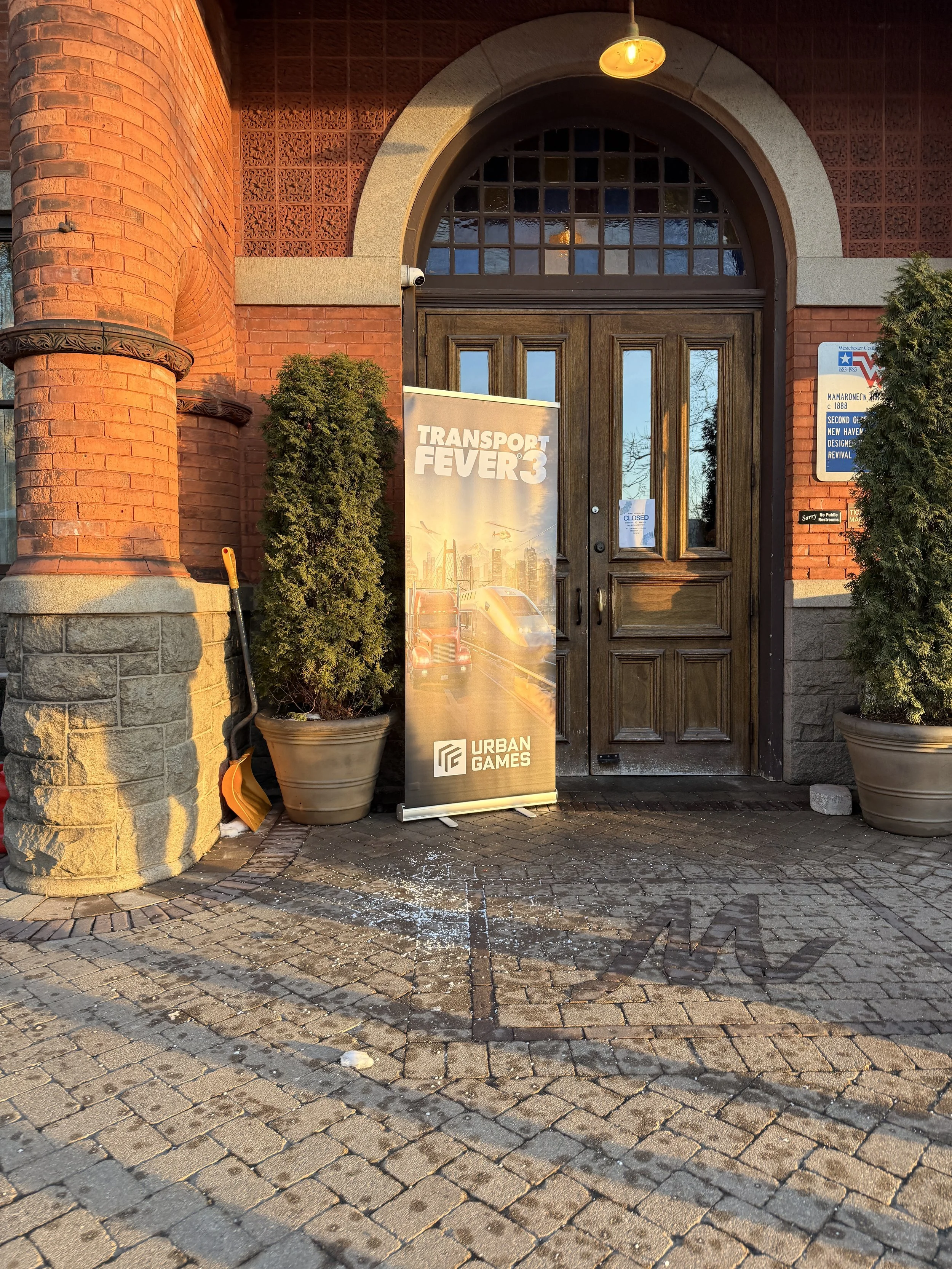
This past weekend, Urban Games invited me out to New York City for the first U.S. hands-on preview of Transport Fever 3—and for someone who genuinely enjoys watching supply chains hum along like a well-oiled machine, it was a pretty unforgettable experience. We were given access to two campaign missions (including one that was four missions deep into the story) and had time to explore free play. But this wasn’t just a standard preview event. Urban Games clearly wanted this one to feel special.
The Event
For a game centered around transportation history and infrastructure, Urban Games couldn’t have picked a more fitting venue. The event was hosted at Modern on the Rails, a restored historic train station turned restaurant. If you’re going to preview a game about trains, industry, and economic growth, doing it inside an old rail hub just feels right.
After a brief introduction to the vision behind Transport Fever 3, we were split into groups. Each group rotated between three activities: hands-on gameplay, interviews with the developers (both group and individual), and—no joke—a helicopter ride.
Yes. A helicopter ride.
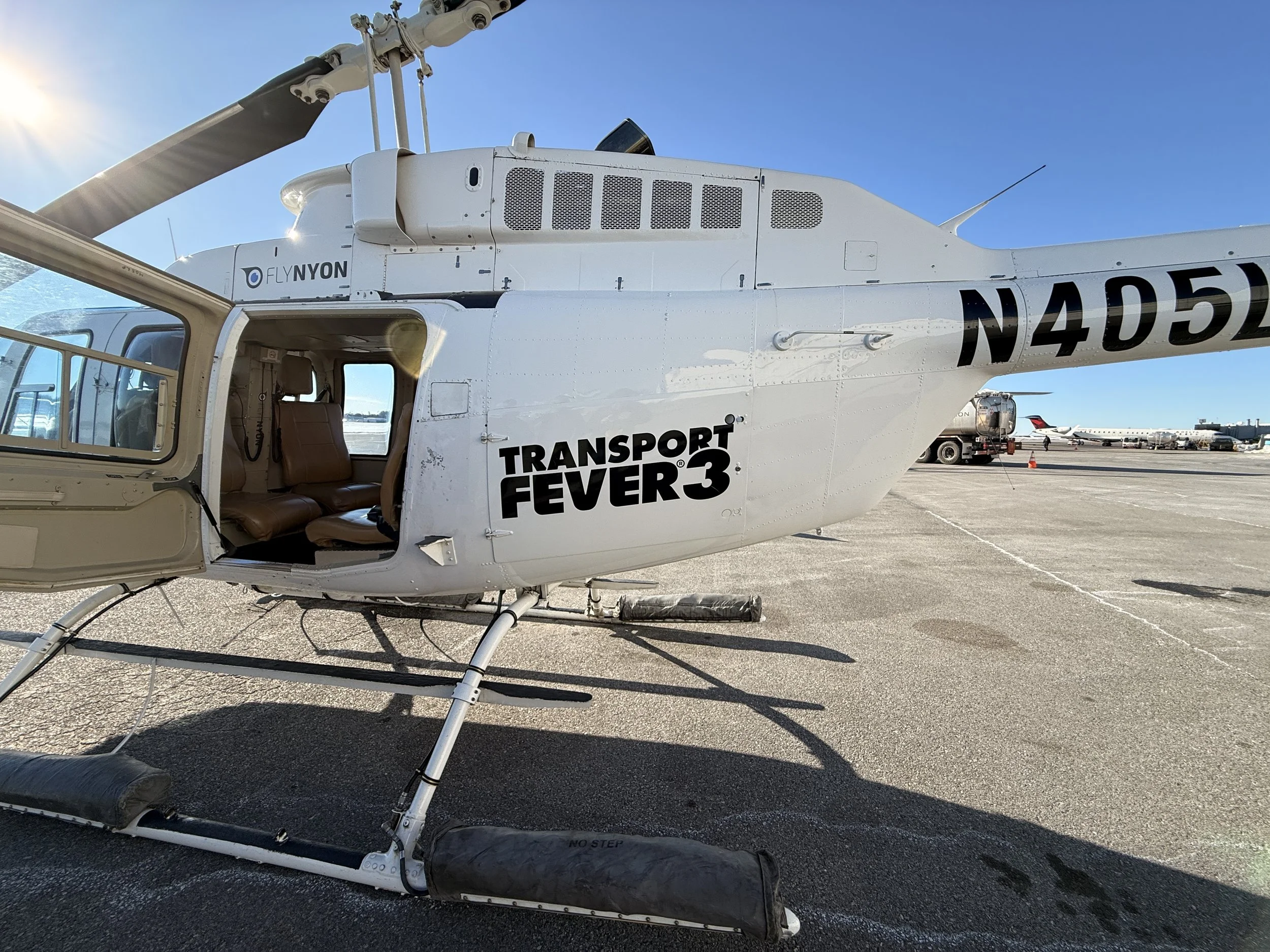
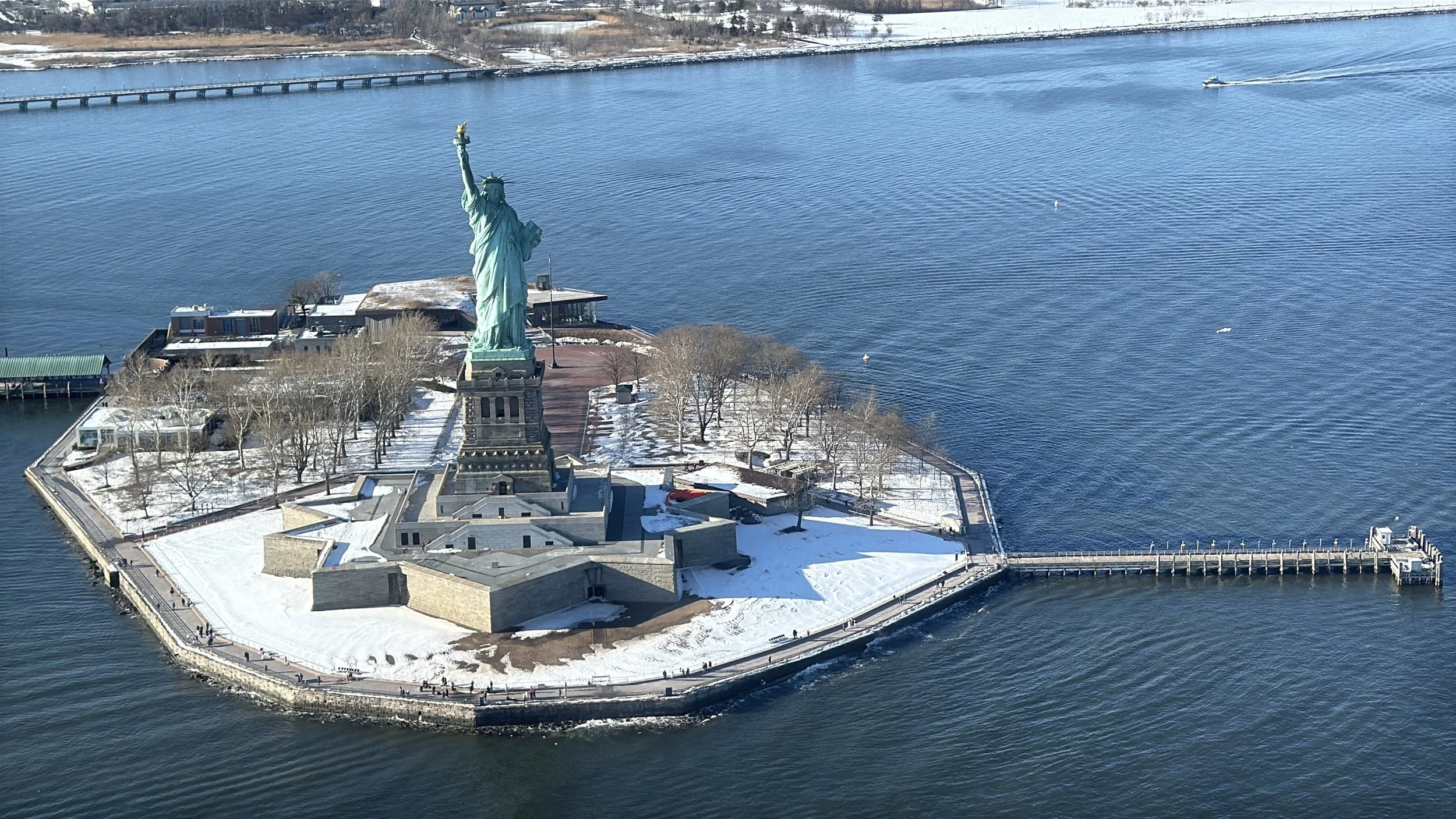
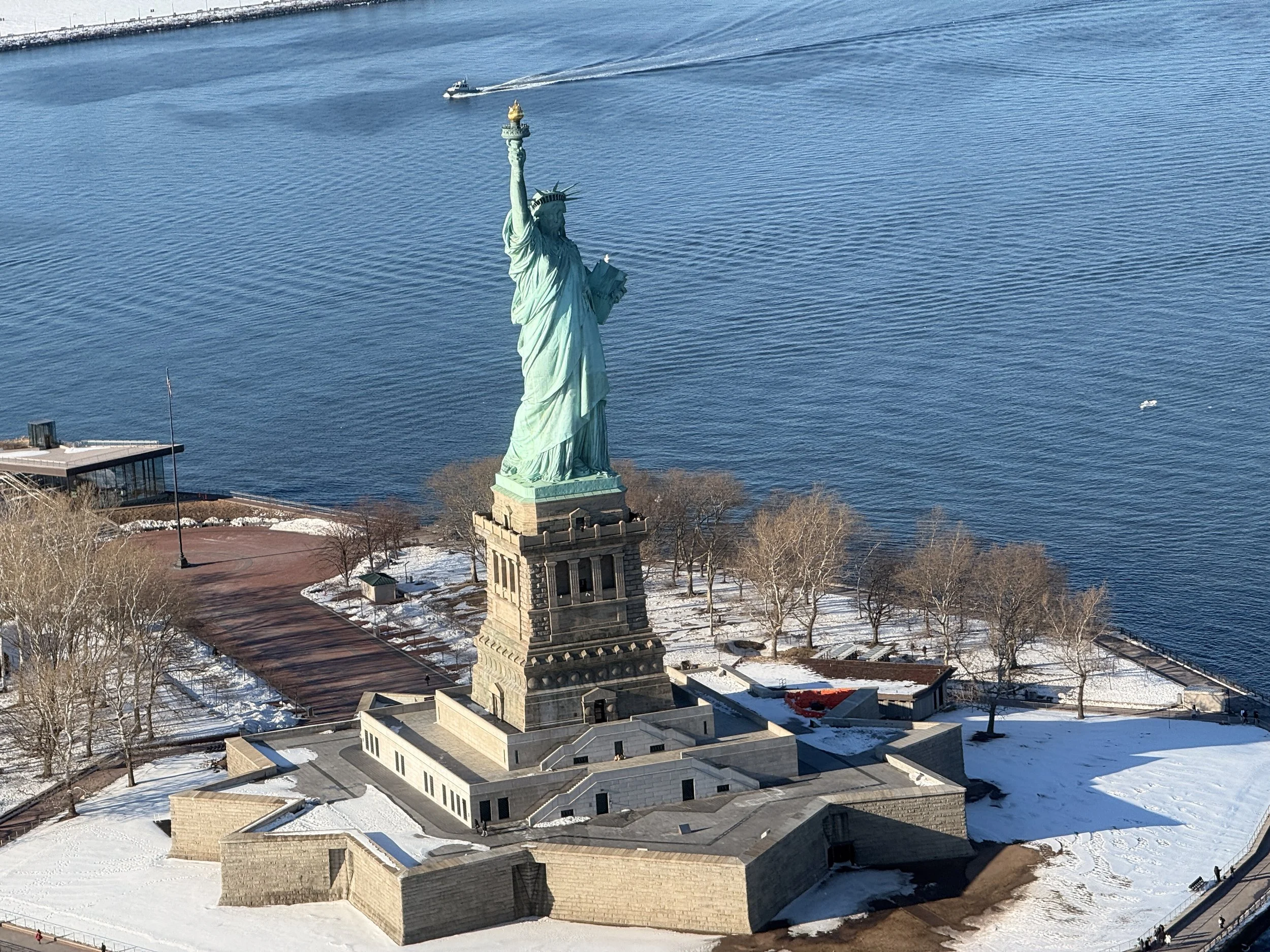
I started with gameplay before hopping onto a trolley that transported us to the airport for the aerial portion of the day. From there, we took a helicopter tour around the Statue of Liberty—an iconic landmark that actually plays a thematic role in Transport Fever 3. And here’s a fun detail: the exact helicopter model we flew in will be featured in the game. That kind of real-world-to-game connection is such a cool touch and shows how much care Urban Games is putting into authenticity.
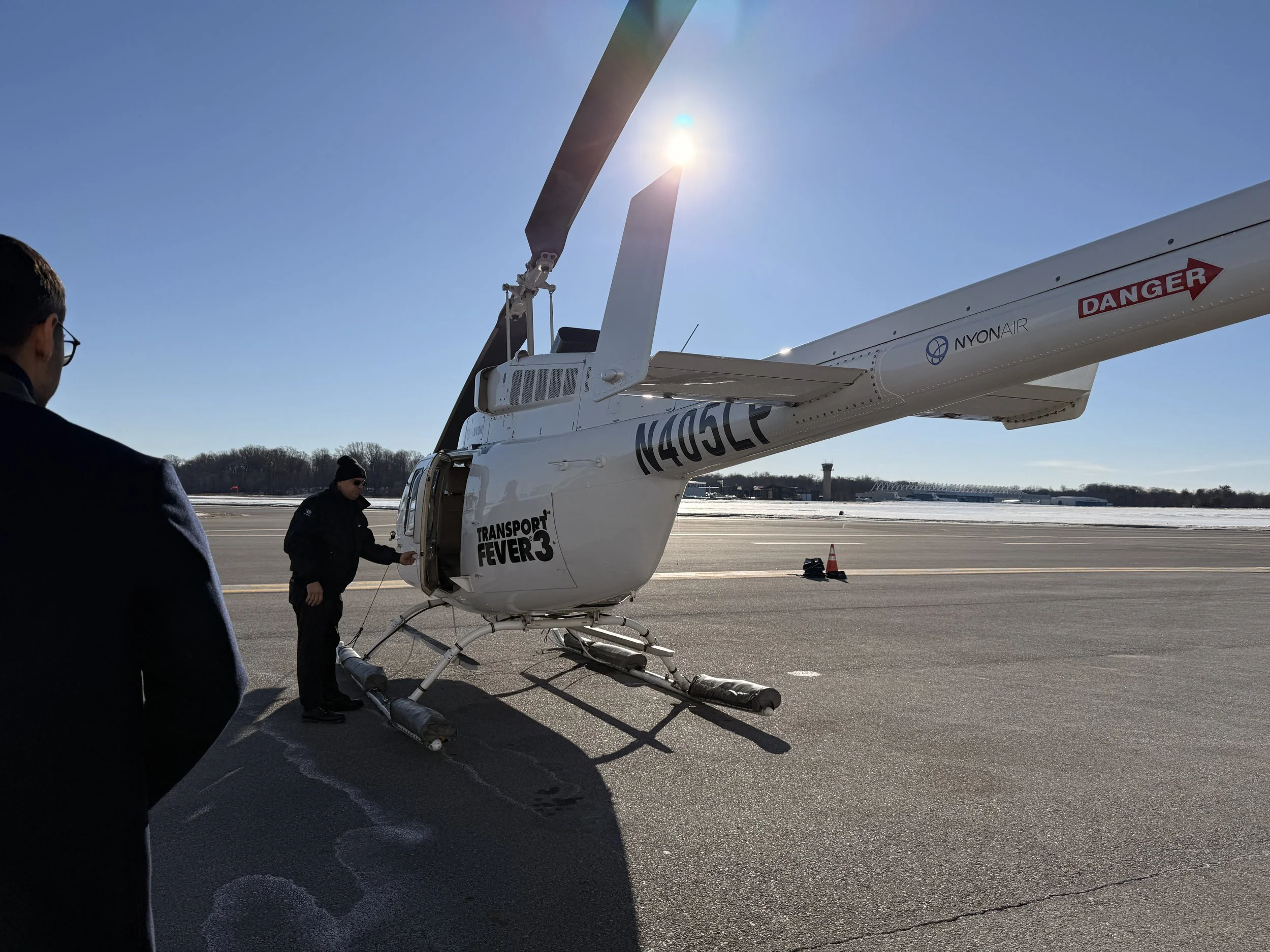
While I didn’t sit down for a formal one-on-one interview (I didn’t feel I had enough hands-on time yet to ask deeper questions), I was able to speak with the team throughout the day. And honestly, sometimes those organic conversations give you even better insights.
Transport Fever 3 first impressions
I put a solid amount of time into Transport Fever 2. I’m not a master-tier logistics wizard like some of the hardcore community members, but I understand the systems well and genuinely enjoy them. What’s always set the series apart for me is its focus on transportation over pure city-building. You’re not just decorating a skyline—you’re solving logistical problems. Watching your rail lines, shipping routes, and supply chains breathe life into a city is incredibly satisfying.
City builders give you creative control. Transport Fever gives you systemic impact. There’s something uniquely rewarding about seeing a city expand organically because you made the right infrastructure decisions.
That said, just because Transport Fever 2 was strong doesn’t automatically mean Transport Fever 3 is flawless. Urban Games is clearly making meaningful changes—and not every change will land perfectly for every player.
Bigger Maps, Bigger Scale
The first thing I noticed was that the maps are significantly larger.
Small maps now feel like medium maps.
Medium maps feel large.
Large maps feel intimidating.
This expanded scale is exciting—it opens up huge possibilities for long-term networks and multi-city planning. But it also creates a pacing issue. Especially in the early years of a campaign, progression can feel slow. With larger distances and more space to develop, I found myself wishing there were one additional speed setting to help push through those early economic crawl years.
Campaign Missions: New Orleans & Woodstock
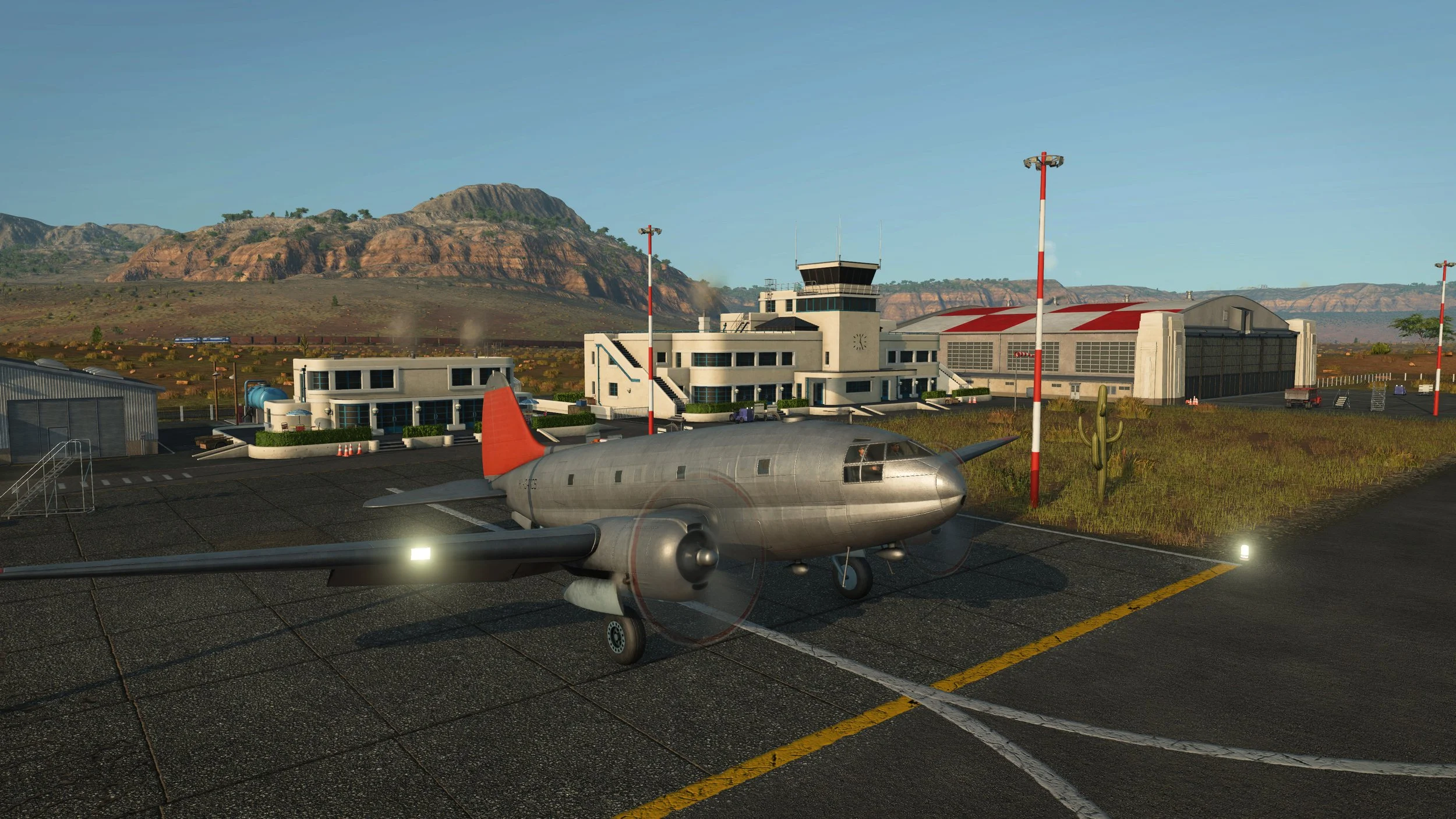
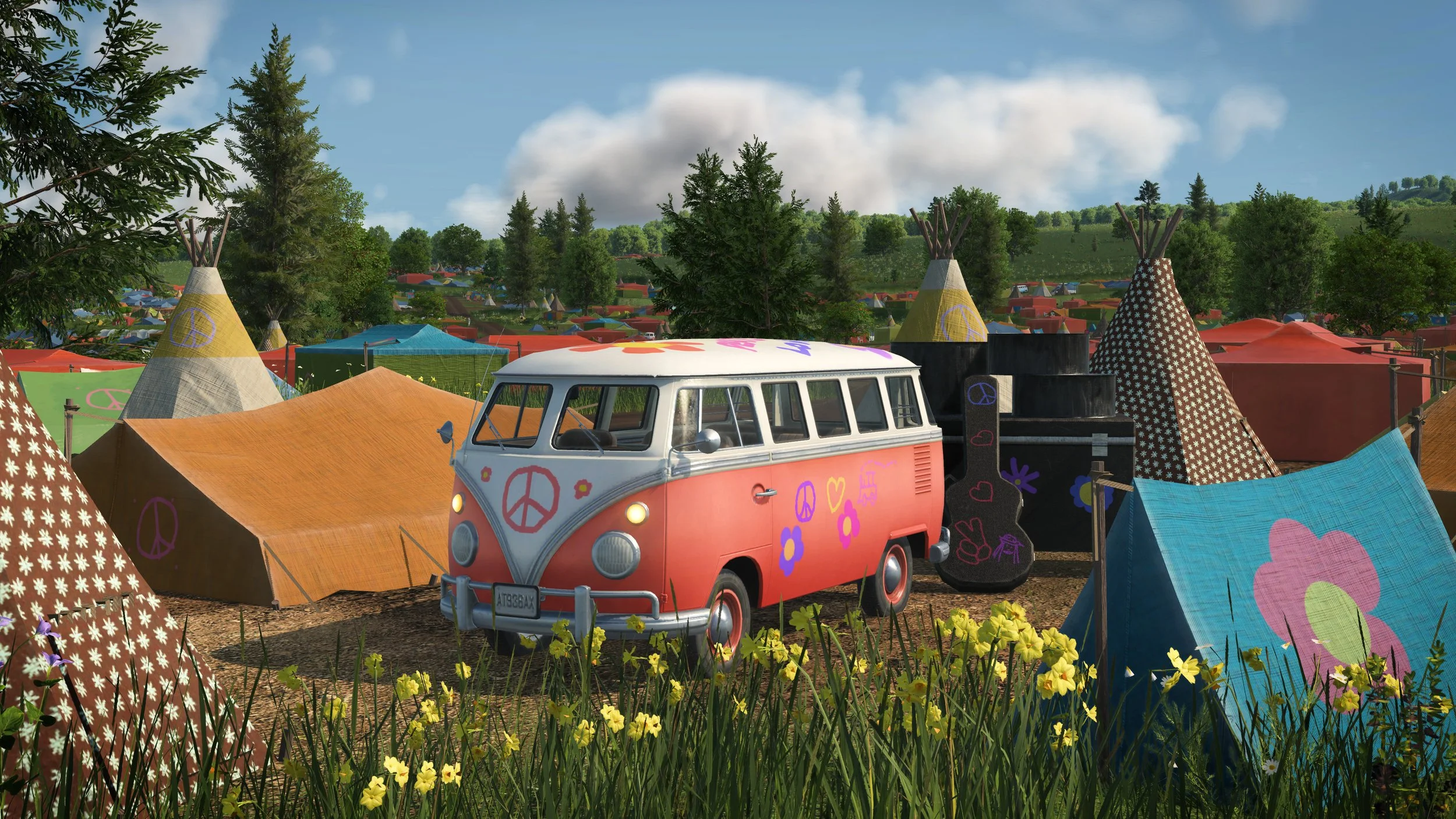

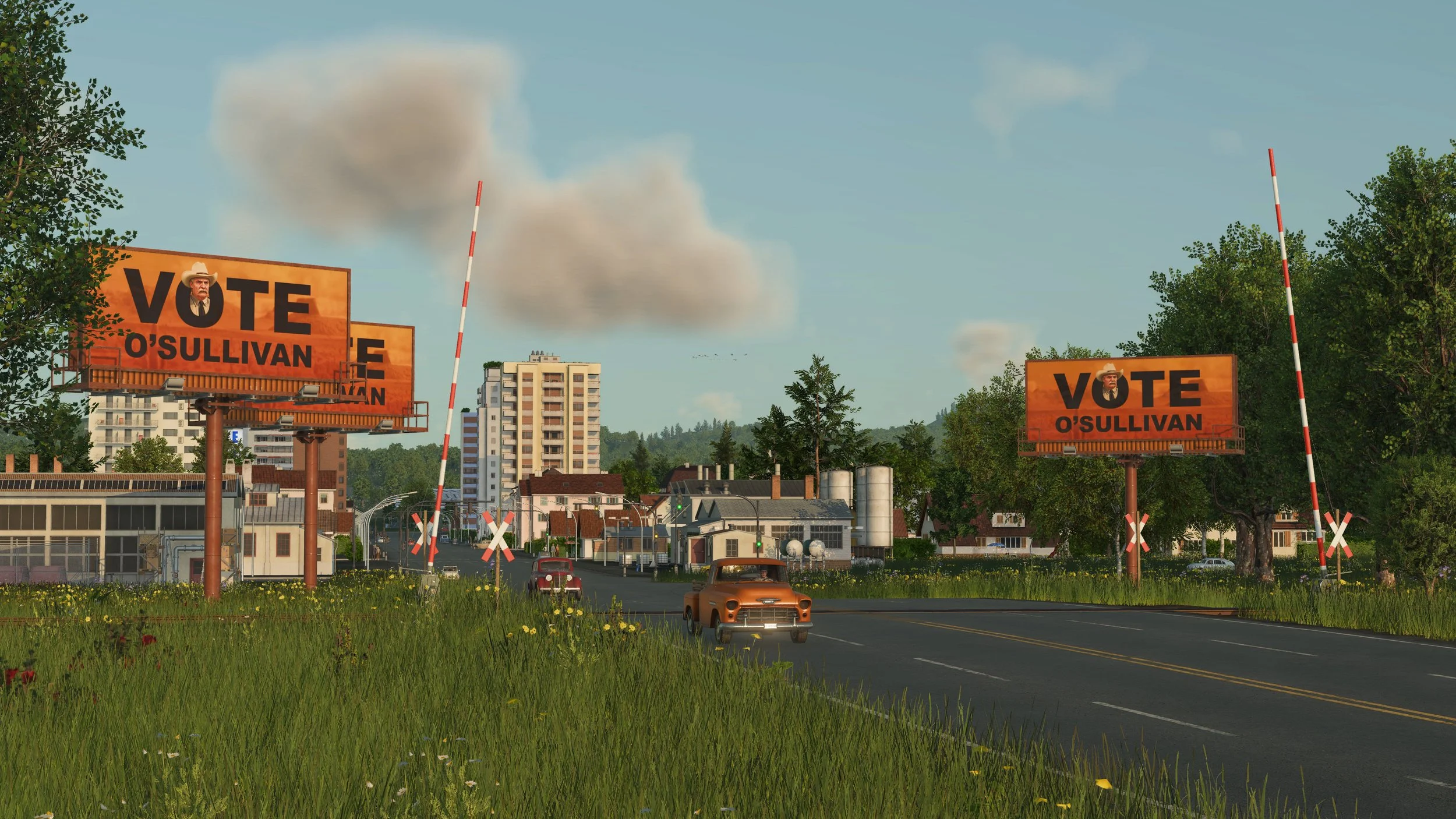
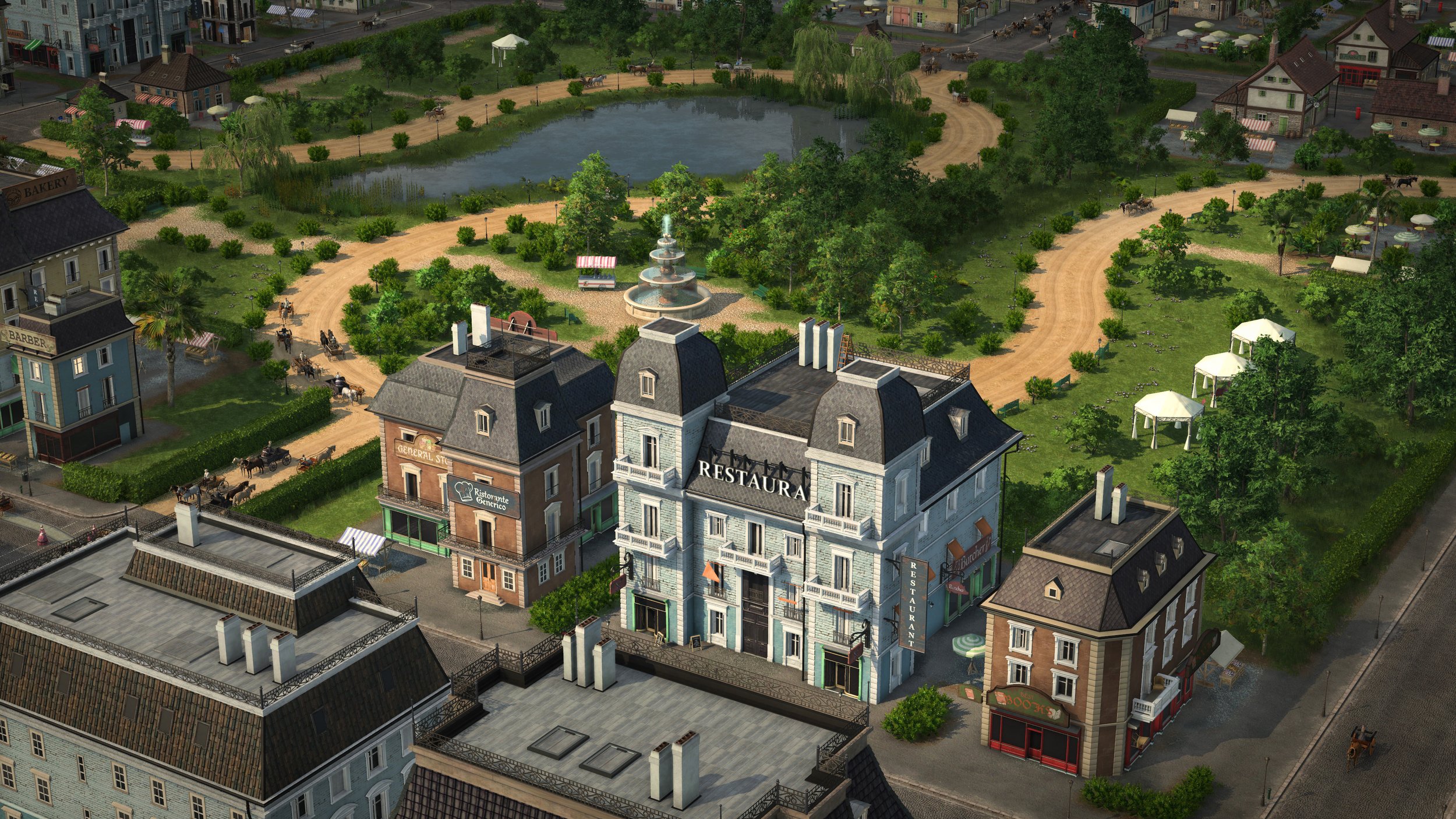
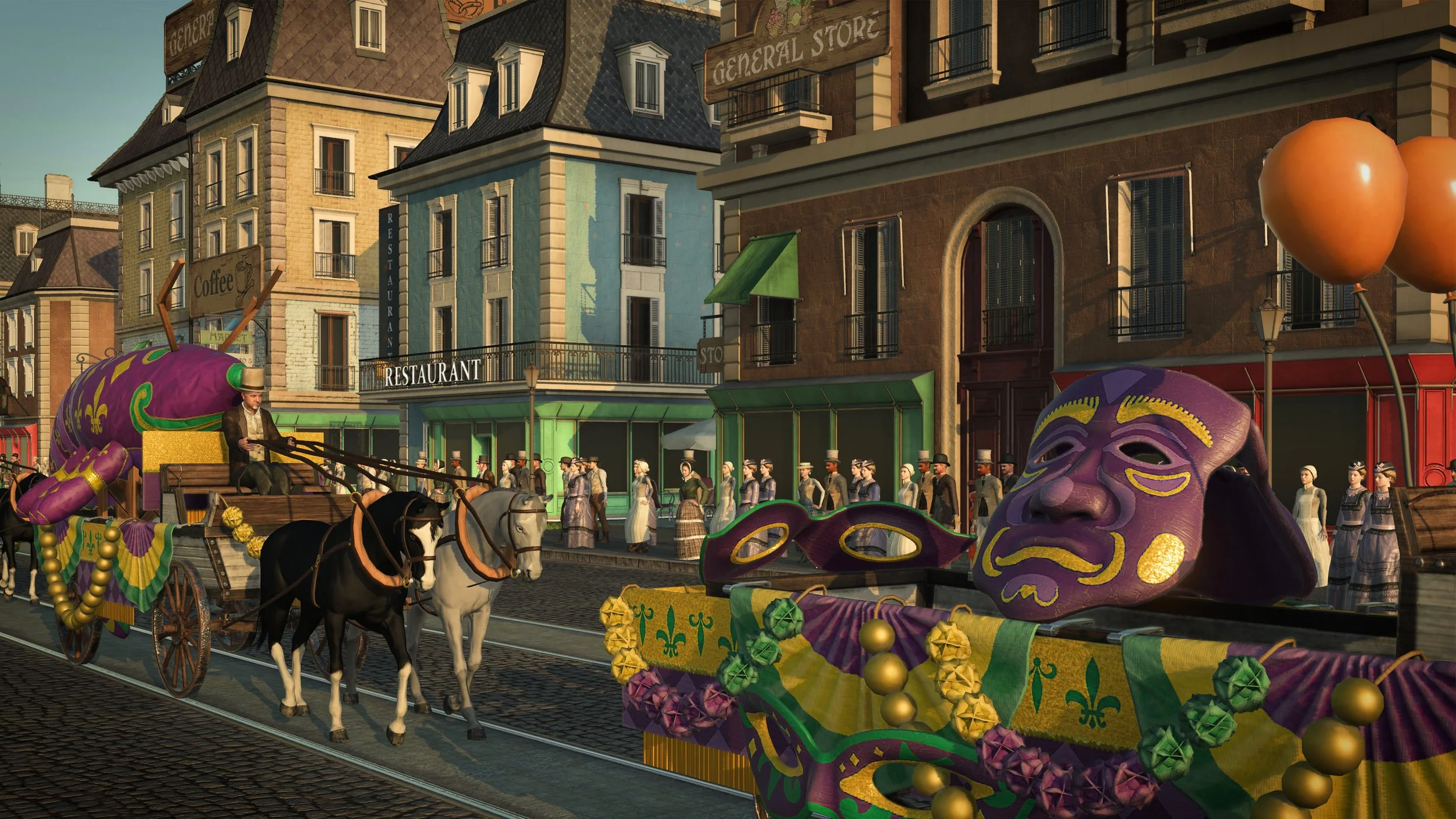
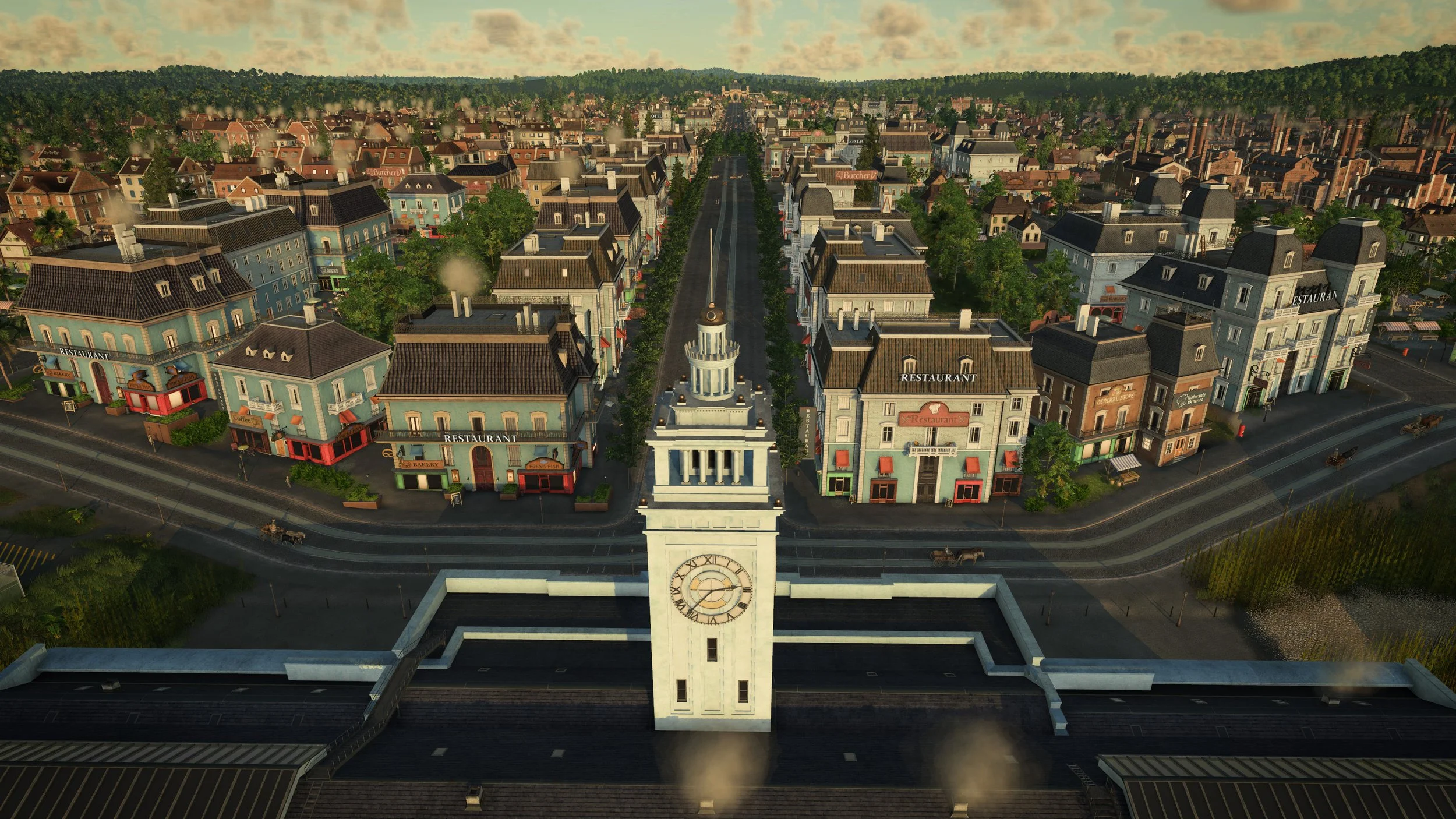
The first campaign mission dropped us into New Orleans, where the objective centered around developing wealthier neighborhoods and managing local infrastructure. As the opening mission, it acts as a tutorial—but it does so with personality. The characters are colorful and memorable, and the objectives are straightforward enough to ease you into the new systems without overwhelming you.
The second mission we were allowed to try was the Woodstock scenario—four missions deep into the campaign. This is where things open up significantly. You’re given more autonomy in how you approach objectives, allowing for experimentation and multiple problem-solving strategies.
That freedom is fantastic for replayability. It encourages trial and error and rewards creative network design. However, that same freedom, combined with larger maps, can cause missions to stretch much longer than intended. Once again, the pacing loops back to the speed issue. With just one more time acceleration option, these longer scenarios could feel much smoother.
Accessibility and Improvements
Despite the increased scale, I actually believe Transport Fever 3 is more beginner-friendly than its predecessor.
The line management system still has a learning curve—it always will—but the interface feels more localized and streamlined. Tools are easier to access, and overall clarity has improved. It’s still a deep management game, but it’s less intimidating at first glance.
Graphically, Transport Fever 3 looks fantastic. The environmental detail, lighting, and vehicle models are sharper and more immersive than ever. I’m genuinely excited to see how it runs on my home setup because on-site, it already looked great.
Urban Games has also introduced monuments and bonuses into the experience. Landmarks like the Statue of Liberty aren’t just background decoration—they contribute to the world’s identity. That addition gives your maps personality. You’re not just building “City A” and “City B.” You’re connecting culturally significant spaces, which adds emotional weight to infrastructure decisions.
What I’d Like to See from Transport Fever 3
One thing I’ve always appreciated about the series is how the campaign guides you through historical eras. There’s a sense of progression as technology evolves. I would love to see a bit more structured guidance in free play, especially for newer players who might not know what long-term goals to pursue.
But my biggest request is simple: pacing.
With larger maps and greater freedom comes slower early-game momentum. The first decades can feel like a crawl while waiting for industries and towns to scale. Whether it’s adding a fourth speed setting or adjusting the existing ones to move slightly faster, I think smoothing out that early stretch would make a huge difference.
I also hope Urban Games finds ways to extend late-game engagement. In Transport Fever 2, once you hit the late stages and your network was fully optimized, there wasn’t always a compelling reason to keep going. It often felt like the “real” game was over and it was time to start fresh.
If Transport Fever 3 can introduce meaningful late-game challenges, evolving objectives, or dynamic world events, it could dramatically increase long-term replay value.
Final Thoughts
Transport Fever 3 feels ambitious. The bigger maps, improved visuals, added landmarks, and more flexible mission design show that Urban Games isn’t just iterating—they’re scaling up.
Not every change is perfect, and I have concerns about pacing, especially early on. But the foundation is strong, and there’s clear passion behind this sequel. If Urban Games can fine-tune the speed balance and provide stronger late-game incentives, Transport Fever 3 has the potential to become the definitive entry in the series.
And truthfully, any preview event that includes trolley rides, helicopters, and the Statue of Liberty already feels like it understands what makes transportation exciting in the first place.
If you’re a fan of thoughtful city-building experiences, be sure to check out our review of City Tales: Medieval Era. While Transport Fever 3 focuses on logistics and infrastructure, City Tales leans into creativity, charm, and medieval storytelling. Comparing the two really highlights how diverse the city-builder genre has become.