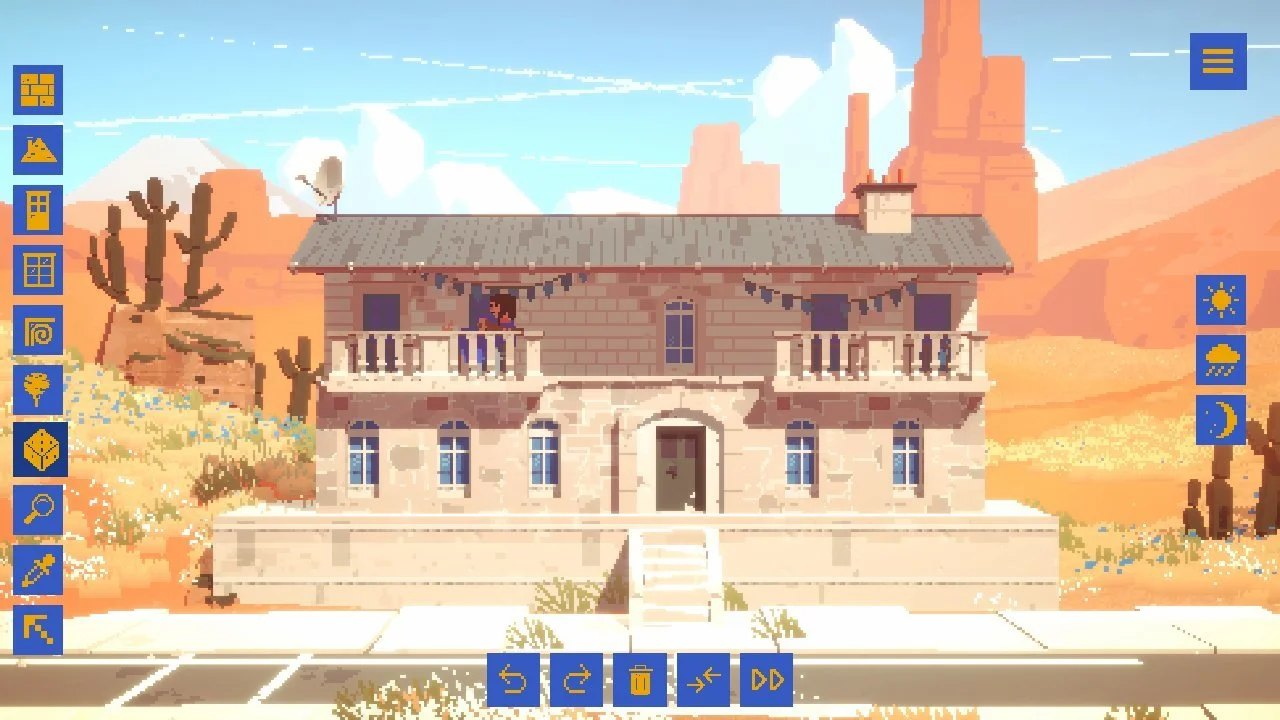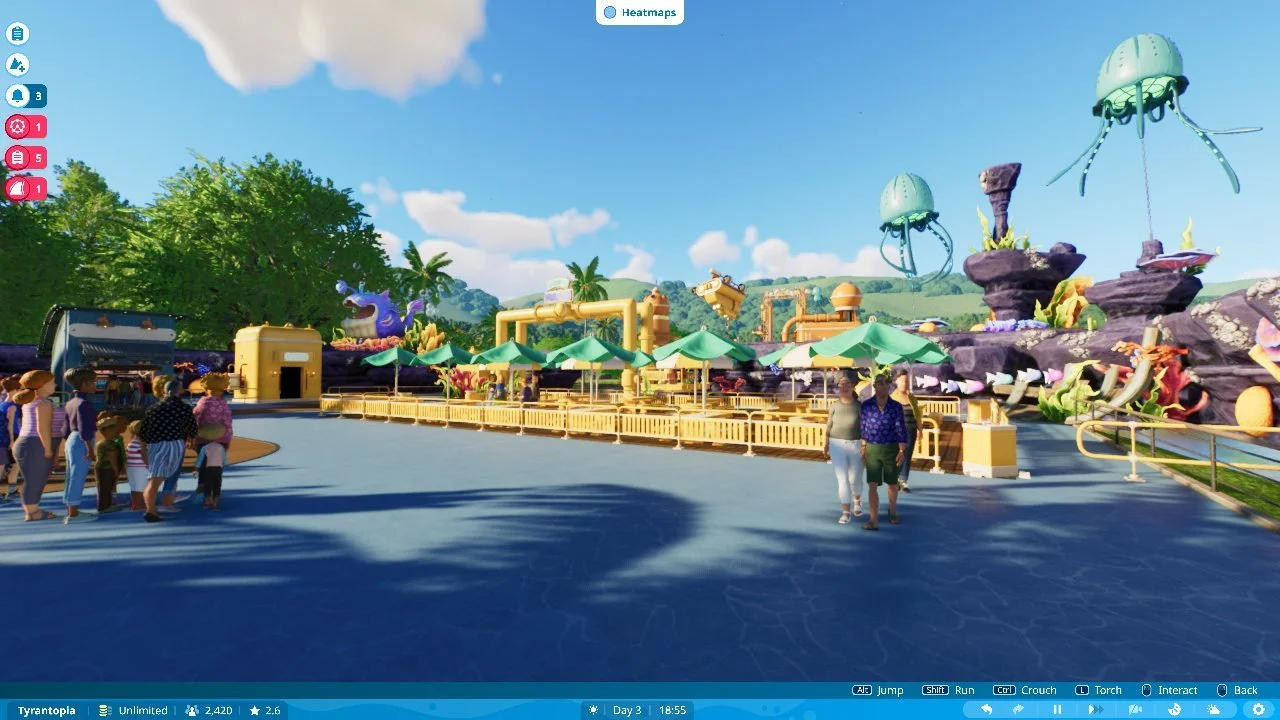
City Tales – Medieval Era is a relaxing kingdom builder that spent nearly a year in Early Access, with its developers actively listening to community feedback and steadily adding new content along the way. Now that the game has officially launched in version 1.0, the big question is whether that patient development cycle paid off—and whether the full release delivers on its promise of calm, creative city-building.
Gameplay & Story
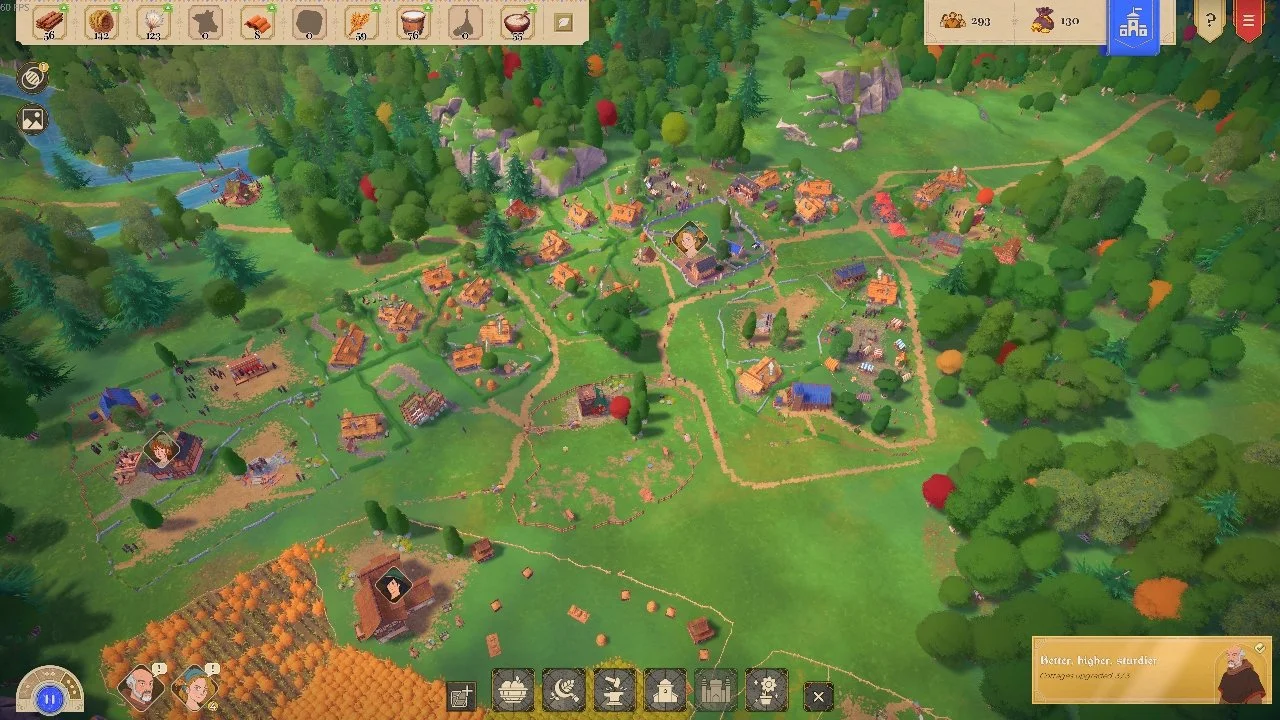
One of the biggest issues with many kingdom builders is how quickly they turn stressful. Resource chains become overwhelming, micromanagement spirals out of control, and suddenly the joy of building is replaced by constant damage control. City Tales – Medieval Era sidesteps that problem almost entirely by leaning hard into its core promise: relaxation.
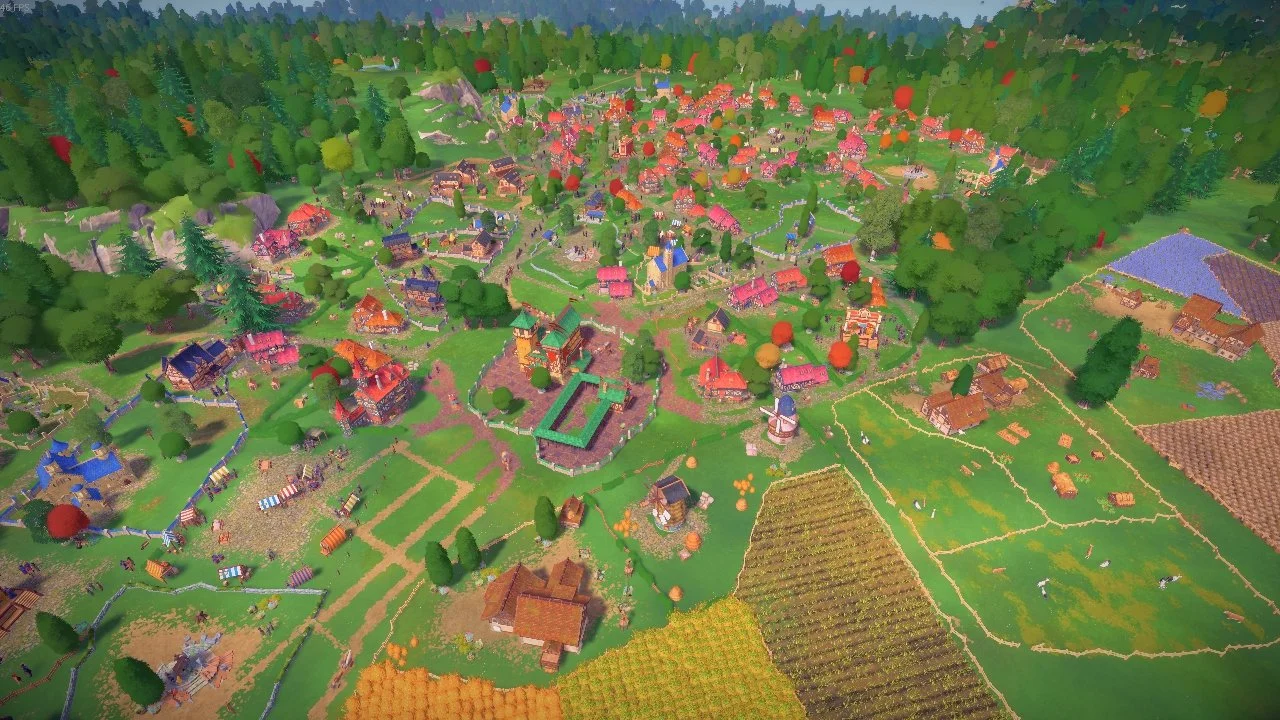
You begin with a simple town hall and gradually expand outward by placing districts, organically shaping your kingdom as it grows. From there, you’ll establish resource camps—woodcutting, hunting, gathering, mining, and more—strategically positioning them around your city. As districts are placed, residents automatically move in and begin constructing homes, making the world feel alive without forcing you to micromanage every detail. You’ll also place production buildings to refine resources, which are used to upgrade structures and advance your settlement.
Watching the kingdom rise and fill itself in around your decisions is incredibly satisfying. Roads, houses, and districts come together in a way that feels natural and intentional, giving the impression that your city is truly living and breathing. This system does a great job of encouraging creativity—you’re free to focus on layout, flow, and aesthetic without constantly worrying that one wrong decision will tank your economy.
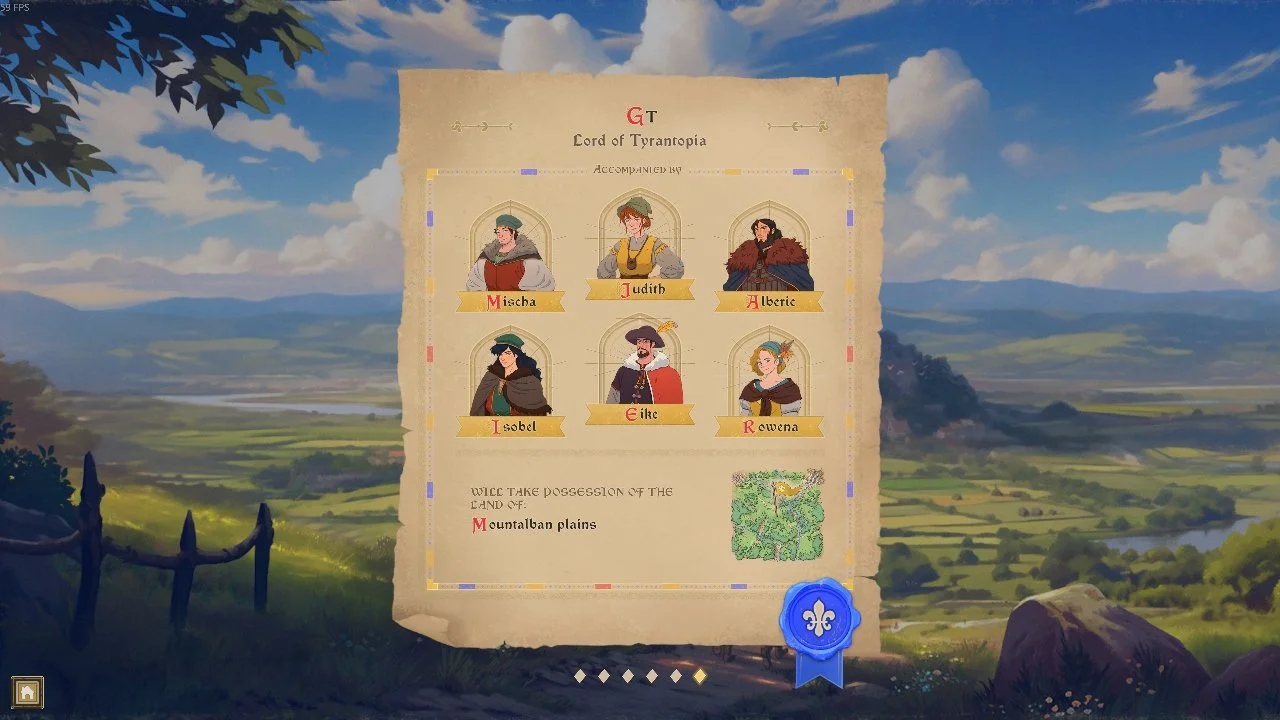
There is a story here, but it mostly acts as a guiding framework rather than a driving force. The broader narrative exists to push progression forward, while the more engaging storytelling comes from your companions. Each companion has personal conflicts, small arcs, and bits of character development that add flavor and context to your growing kingdom without ever becoming intrusive.
The game also includes a “Paint Mode,” which essentially functions as a creative mode. Normally, I prefer playing city builders without resource constraints, but City Tales – Medieval Era surprised me here. Resource management is light enough that the standard mode actually enhances the experience rather than detracting from it. The systems are forgiving, intuitive, and never feel like they’re working against you.
Graphics & Design
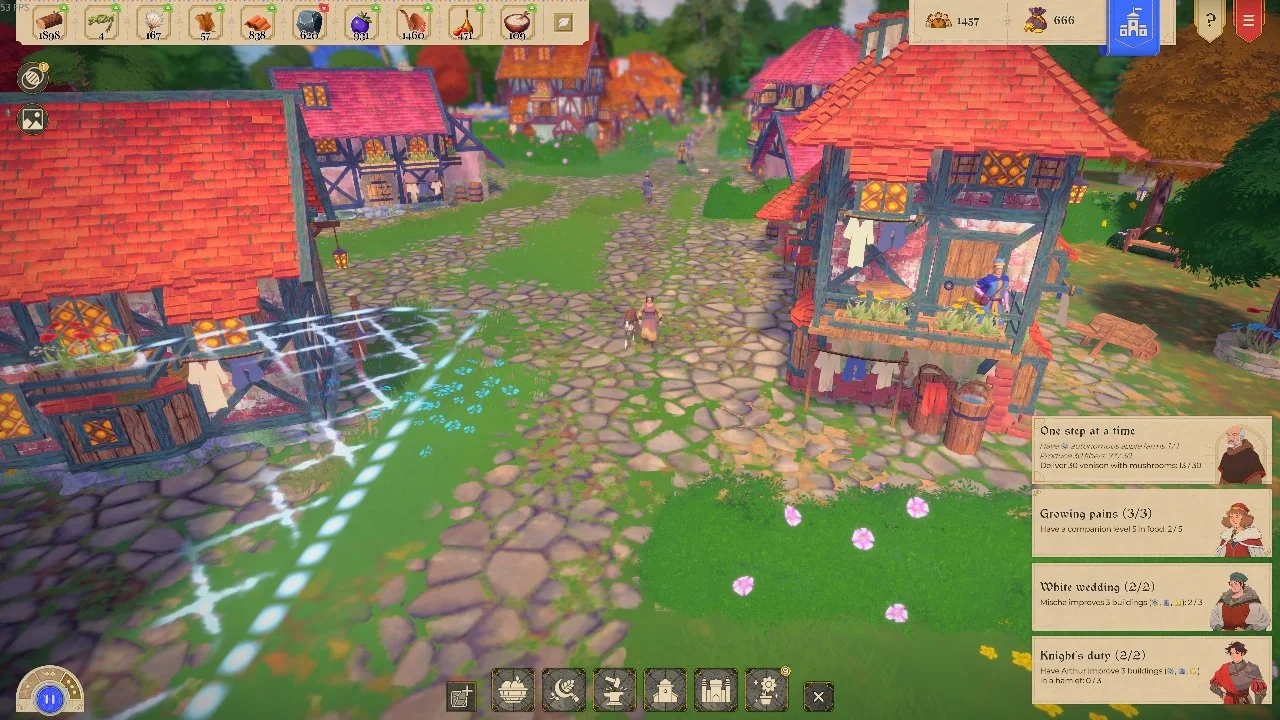
There’s an undeniable charm to City Tales – Medieval Era. The visuals lean into a cozy, storybook medieval aesthetic that perfectly matches the game’s laid-back tone. Colors are warm, animations are gentle, and the way buildings populate your districts reinforces that comforting, almost meditative vibe. Combined with the organic growth of your city, the presentation helps sell the illusion that your kingdom is slowly coming to life under your care.
Feedback
The biggest hiccup comes during the mid-game, where progression can briefly plateau. If you plan ahead and stockpile resources, you may barely notice it, but players who follow the story more closely without over-prepping will likely hit a point where resource flow feels stagnant. Thankfully, this slowdown doesn’t last forever—once you push past it, the game opens back up and regains its satisfying rhythm.
Final Verdict
City Tales – Medieval Era succeeds because it understands what it wants to be. It’s not trying to overwhelm players with complexity or punish them for experimentation. Instead, it offers a calm, creative space where building a kingdom feels rewarding, organic, and deeply satisfying. While the mid-game lull can momentarily disrupt the flow, the overall experience remains cozy, thoughtful, and well worth your time—especially if you’re craving a city builder that lets you relax and enjoy the process rather than stress over it.

Looking for something a little more high-energy after building your perfect medieval kingdom? Be sure to check out our Synth Riders: OVERDRIVE review.