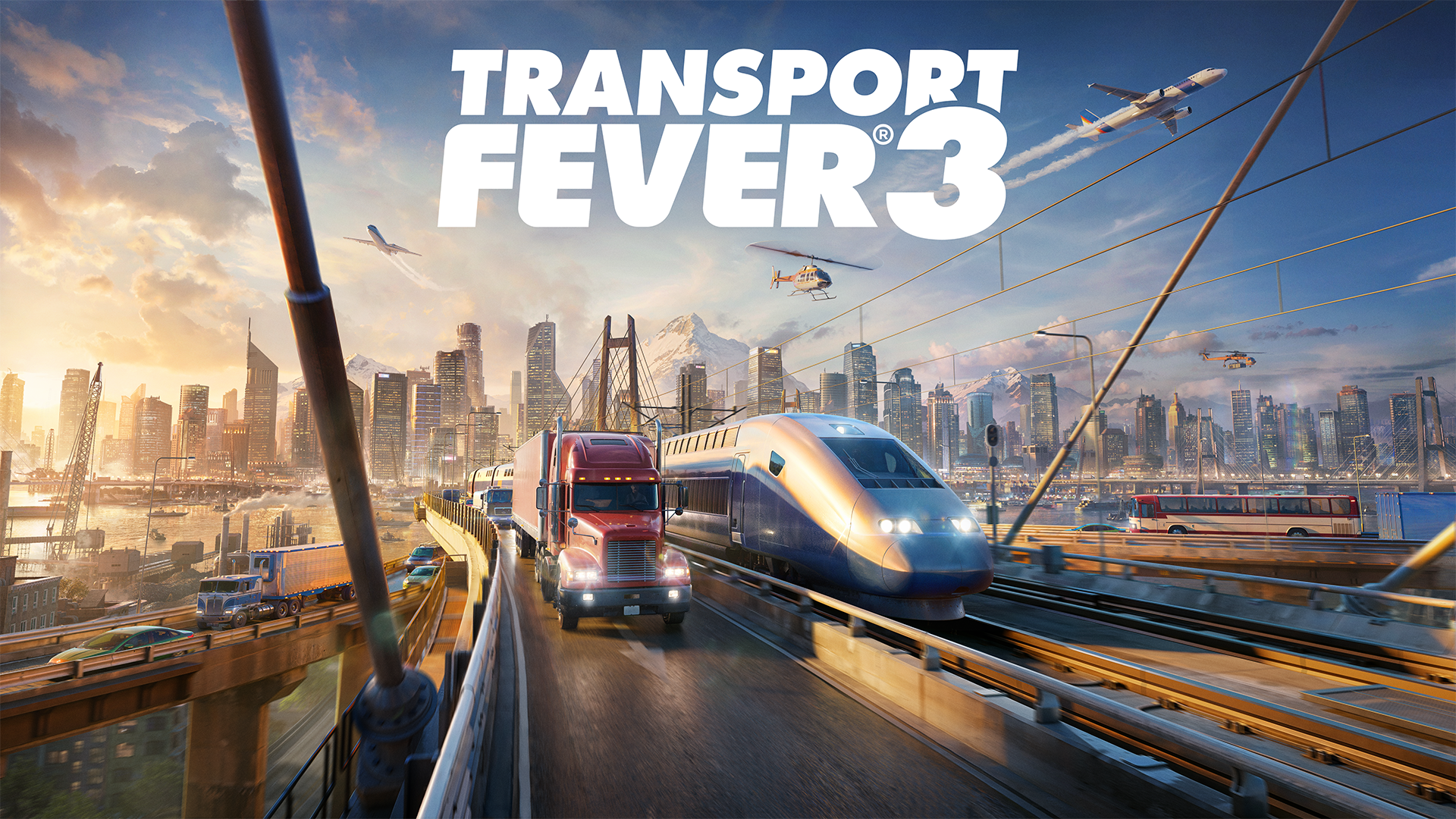
On the heels of recent reveals for Transport Fever 3, sometimes the hype doesn’t push you forward—it pulls you back. When excitement for a sequel starts building, it’s often the perfect excuse to revisit the game that laid the foundation, and Transport Fever 2 still holds up as one of the strongest business simulation games of the last several years.
Transport Fever 2 offers a slower, more deliberate kind of satisfaction. Instead of chasing short-term goals, you’re encouraged to think long-term, carefully shaping how people and goods move across a living world. Every choice you make feeds into a larger ecosystem, and watching that ecosystem evolve is where the real reward lies.
Designing a living transportation network

At its core, Transport Fever 2 is about building systems that make sense. You’re responsible for creating transportation networks that connect industries to cities and citizens to the places they want to go. Roads, railways, shipping lanes, and flight paths all work together, and success comes from understanding how these pieces interact rather than simply placing them on a map.
Cities grow in response to efficiency, not just time. A well-planned cargo route can kickstart an industrial boom, while thoughtful passenger transport can transform a small town into a bustling metropolis. The game constantly reinforces the idea that smart infrastructure leads to organic growth, making each expansion feel earned rather than automatic.
Strategy, creativity, and player freedom
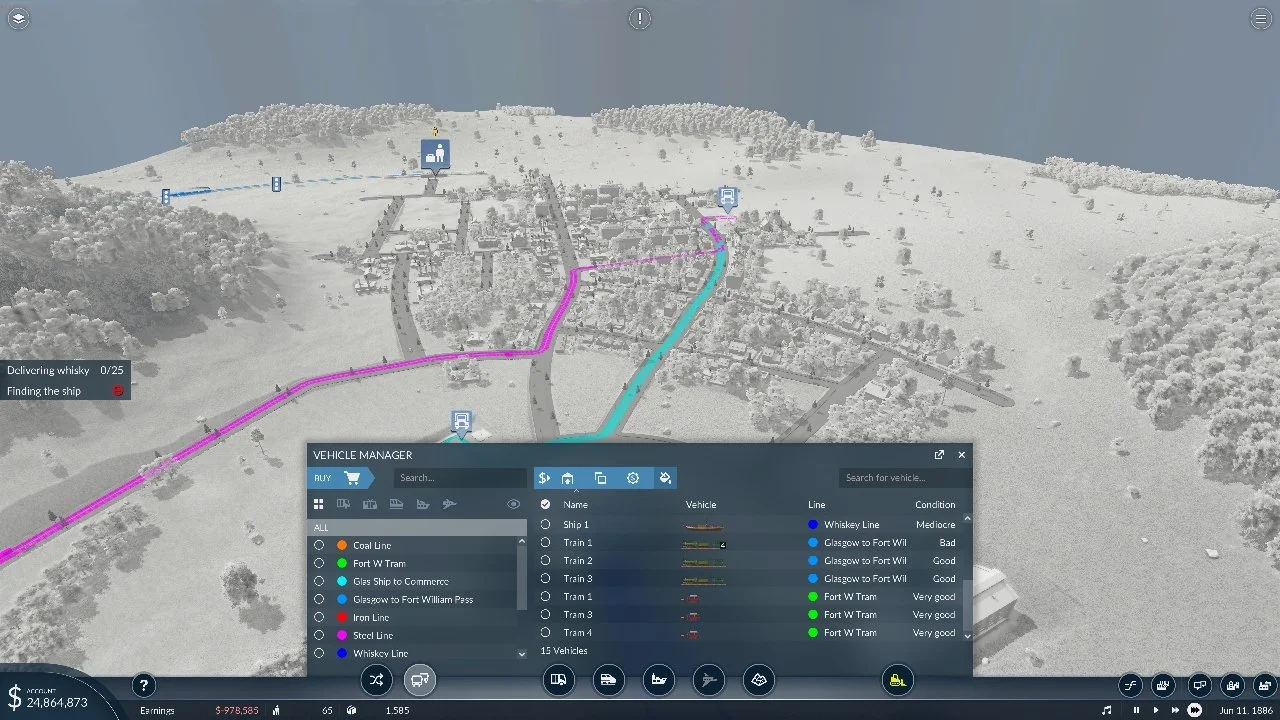
One of Transport Fever 2’s greatest strengths is how it balances depth with freedom. You can play as a meticulous optimizer, squeezing every ounce of efficiency out of your routes, or lean into the creative side and build visually realistic transportation systems that mirror the real world. There’s no single “correct” way to play, which makes each new map feel like a fresh challenge.
The variety of vehicles also adds to that flexibility. Trains, trucks, ships, buses, and aircraft all have distinct roles, and deciding when to invest in a new transportation method becomes a meaningful strategic choice. As technology evolves over time, upgrading fleets and reworking routes becomes part of the game’s natural rhythm.
Why Transport Fever 2 still holds up

Even years after its release, Transport Fever 2 remains deeply engaging. Visually, it’s still a pleasure to watch your networks in motion, whether you’re zoomed in on a busy station or pulling back to admire a sprawling, interconnected map. Mechanically, its systems are robust enough to support countless hours of experimentation without feeling overwhelming.
With Transport Fever 3 on the horizon, revisiting Transport Fever 2 now feels especially rewarding. It’s a reminder of how refined the series already is, and it provides a strong foundation for appreciating whatever new ideas the sequel brings to the table.
Final Thoughts
Transport Fever 2 is an easy recommendation for anyone who enjoys business simulations, city builders, or logistics-driven games. It’s thoughtful, methodical, and endlessly replayable, offering a type of satisfaction that only comes from watching a carefully planned system succeed.
If you’re in the mood to revisit other standout releases from the past few years, be sure to check out our Avatar: Frontiers of Pandora – From the Ashes DLC review. It’s a great look at how a well-supported game can evolve post-launch and offers a compelling reason to return to Pandora.