Spin enough slots and a pattern starts to emerge beyond the themes and bonus rounds. Underneath the graphics, every game runs on one of a handful of win mechanics, and two of the most common ones, cluster pays and traditional paylines, shape the entire experience in ways many players never stop to notice.
How Traditional Paylines Work
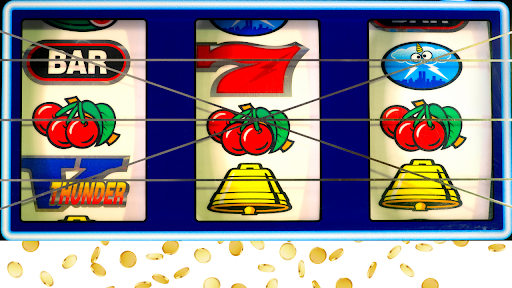
Paylines are the original slot mechanic that dates back to the mechanical fruit machines of the twentieth century. A set number of fixed lines run across the reels, usually in straight or zigzag patterns, and matching symbols along one of those lines from left to right triggers a payout.
Classic three-reel slots might offer a single payline, while modern five-reel video slots commonly run anywhere from twenty to over a thousand ways to win, which function similarly but without requiring symbols to sit on a strictly defined line.
Why Paylines Still Dominate
Despite newer mechanics gaining ground, paylines remain the industry standard for a simple reason: they are easy to understand. A player can glance at a paytable, see that three matching symbols on line seven pay a fixed amount, and immediately grasp what they are chasing.
This simplicity also makes paylines forgiving for newcomers. There is no need to track spreading clusters or cascading symbols, just a straightforward line of matching icons appearing where expected.
What Makes Cluster Pays Different
Cluster pays abandon the concept of lines entirely. Instead, wins occur when a group of matching symbols connects horizontally or vertically anywhere on the grid, which usually requires a minimum of five or more touching symbols to form a valid cluster.
This shift changes how a player reads the reels. Rather than scanning specific lines, attention moves to clumps of color and shape forming across the whole board, which creates a visually different rhythm from the left-to-right flow of traditional paylines.
Cascading Reels and Cluster Mechanics
Cluster pay slots almost always pair with cascading, sometimes called tumbling or avalanche, reels. Winning symbols disappear after paying out, new symbols drop in to fill the gaps, and the process repeats automatically until no further clusters form.
A single spin can therefore produce several consecutive wins without any extra input from the player, and multipliers frequently increase with each cascade in the sequence. Titles built on this mechanic, including many of the Pragmatic Play demo slots on Clash of Slots, showcase this chain reaction clearly since the free versions let players watch several cascades unfold without any financial risk attached.
Comparing the Two Head to Head
Neither mechanic is objectively better, and the right choice usually comes down to what a player values most during a session.
Volatility and Pacing
Payline slots tend to offer steadier, more predictable pacing since each spin resolves in a single evaluation. Cluster pay slots, by contrast, often carry higher volatility because cascading multipliers can escalate quickly and turn a modest cluster into a much larger payout within the same spin. The pace of the two can be compared to Doom Eternal versus Stardew Valley, one built for relentless momentum and escalating stakes, the other for a slower, steadier rhythm.
Players who prefer knowing roughly what to expect from spin to spin generally gravitate toward paylines. Those chasing bigger, less frequent swings tend to find cluster mechanics more satisfying.
Visual Complexity
Paylines keep things visually calm, especially on simpler three or five-reel setups. Cluster pay slots, especially ones built on large grids like Big Bass Bonanza-style layouts, tend to feel busier and more chaotic on screen, which some players find thrilling and others find overwhelming.
Bonus Round Integration
Both mechanics support free spins, wilds, and multipliers, but cluster pays lend themselves particularly well to escalating multiplier features during bonus rounds. Each cascade within a bonus round can push the multiplier higher, which creates momentum that traditional single-line wins rarely replicate in the same way.
Which Mechanic Fits Which Player
New players often find paylines easier to start with, since the paytable maps directly onto what appears on screen. There is less to track, and understanding a win requires nothing more than recognizing a line of matching symbols.
More experienced players, or those who enjoy watching multipliers build across a chain of cascades, often migrate toward cluster pays over time. The mechanic rewards patience during longer sessions, since the biggest payouts frequently come from cascades that snowball rather than from the very first symbols landing.
Trying Both Before Committing
The clearest way to figure out which mechanic suits a particular player is simply to spin both in demo mode. Reading about cascading multipliers is one thing, but watching a cluster chain reaction unfold across a real grid makes the appeal, or lack of it, obvious within a few minutes.
Providers across the industry now offer both formats side by side, often within the same portfolio, which makes comparison easier than ever. A short session testing a payline classic followed by a cluster pay title from the same studio usually settles the question quickly.