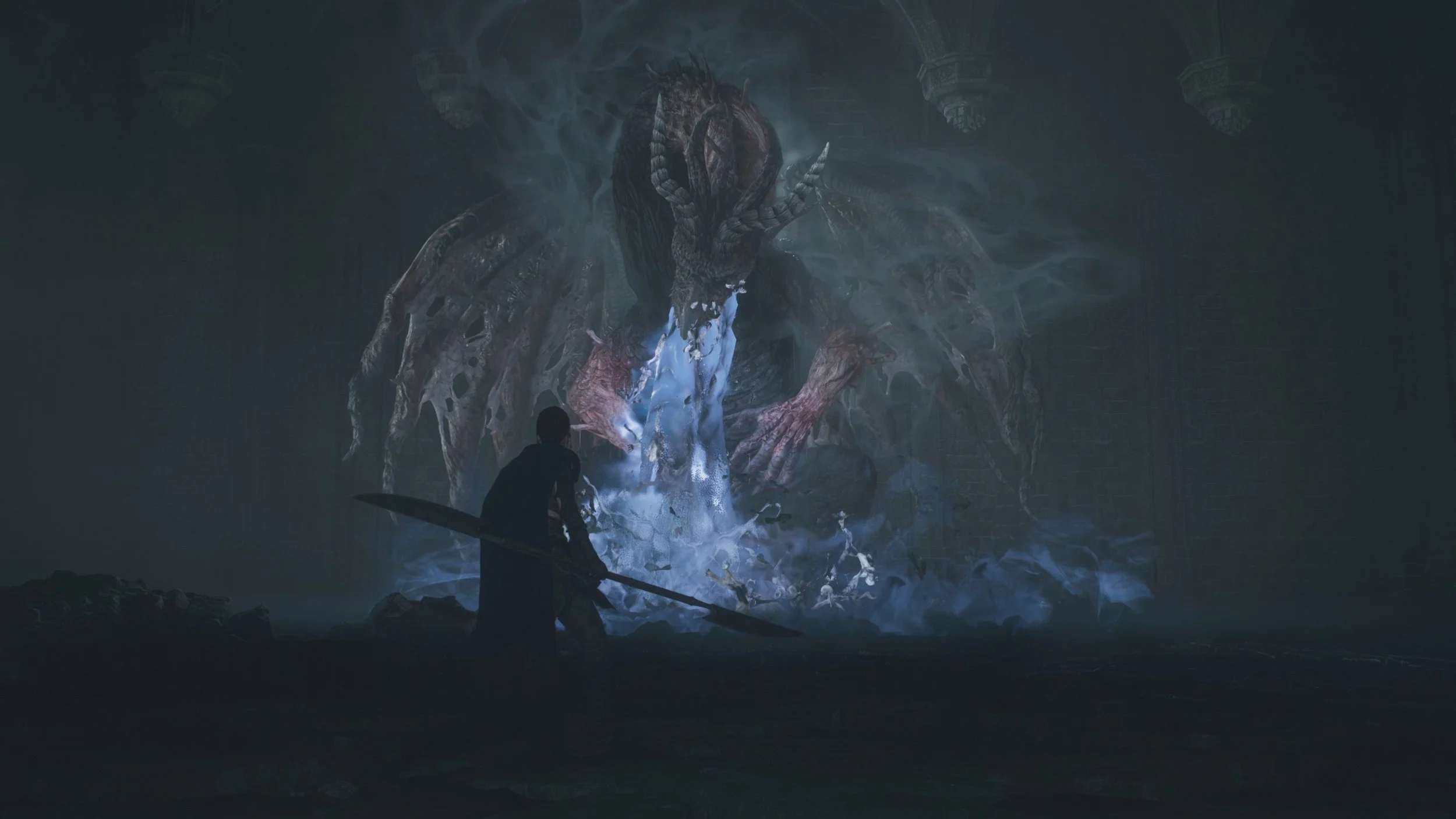
The environment surrounding a gaming session can dramatically impact player experience and group dynamics. Research from the Interactive Gaming Federation shows that 78% of players believe the right atmosphere enhances their enjoyment by at least 40%. As we move into 2025, the trend toward carefully curated gaming environments continues to grow, with projected market value for gaming accessories and ambiance products expected to reach $14.2 billion by 2026. Creating comfortable, low-pressure gaming spaces has become an art form that combines sensory elements, practical considerations, and social psychology.
Science Behind Gaming Session Atmospherics
The psychology of gaming environments has gained significant attention in recent years. A 2024 study published in the Journal of Interactive Entertainment found that carefully designed gaming spaces can reduce player stress by up to 32% and increase session duration by nearly 45 minutes on average. This science-backed approach to gaming setup considers multiple factors including lighting, sound, comfort, and refreshments.
Ambient Lighting Considerations
Lighting plays a crucial role in setting the mood. The gaming lighting market has evolved from simple RGB setups to sophisticated systems that:
Adapt to in-game environments (reactive lighting)
Reduce eye strain with dynamic blue light filtering
Create zone-based illumination to separate gaming and social areas
Incorporate circadian rhythm awareness for longer sessions
The latest projection technology, expected to become mainstream by late 2025, will extend gaming visuals beyond screens and onto surrounding walls, creating truly immersive environments without VR headsets, like in 32Red games for example.
Audio Engineering for Enhanced Gaming Experiences
According to audio technology researchers, sound accounts for approximately 60% of immersion in gaming experiences. The latest trends in gaming audio for 2025 include:
Spatial Audio Innovations
The evolution of spatial audio has transformed from simple surround sound to fully adaptive acoustic environments. New systems launching in early 2026 will feature:
Ambient sound layering that distinguishes between game audio and social interaction
Dynamic volume adjustment based on player conversation patterns
Mood-enhancing background soundtracks that respond to game events
Custom audio profiles for different game genres
Nutritional Approaches to Gaming Sessions
The gaming nutrition market has undergone significant changes, moving away from stereotypical energy drinks and processed snacks. A 2025 survey of 12,000 regular gamers revealed that 67% now prioritize functional foods designed to support cognitive performance and sustained energy during gaming sessions.
| Snack Category | Cognitive Benefit | Popular Options (2025) | Projected Market Growth (2026) |
|---|---|---|---|
| Adaptogens | Stress reduction | Ashwagandha gummies, Reishi chocolates | 43% annual growth |
| Nootropic beverages | Enhanced focus | Lion’s Mane tea, Alpha-GPC drinks | 37% annual growth |
| Protein-based snacks | Sustained energy | Cricket protein chips, Microalgae bars | 28% annual growth |
| Hydration enhancers | Mental clarity | Electrolyte cubes, Cognitive hydration drops | 52% annual growth |
The trend toward functional snacking is expected to continue as manufacturers develop more specialized formulations targeting specific gaming needs like reaction time, strategic thinking, and endurance.
Ergonomic Innovations for Extended Comfort
Physical comfort significantly impacts gaming session quality and duration. The gaming furniture industry has responded with advanced ergonomic solutions predicted to become standard by 2026:
Next-Generation Seating Solutions
Pressure-mapping cushions that automatically adjust to posture changes
Temperature-regulating fabrics that prevent overheating during extended play
Integrated movement prompts to encourage periodic stretching
Modular designs that transform between active and relaxed gaming positions
Creating Social-First Gaming Spaces
The most successful low-stakes gaming environments prioritize social interaction. Design experts recommend:
Circular or semi-circular seating arrangements that encourage eye contact
Dedicated spaces for rule references and game components
Ambient noise management through acoustic treatments
Designated phone-free zones to minimize distractions
As we look toward 2026, the integration of these elements into cohesive gaming environments will continue to evolve, making thoughtfully designed spaces an essential component of memorable gaming experiences.