The Digimon Story series has carved out its own niche by telling standalone stories set in the Digimon universe. Each entry is self-contained, meaning you can jump in at any point without needing prior knowledge of the previous games. That accessibility has always been part of the charm, and with Cyber Sleuth being so well received, there’s a lot of pressure on Digimon Story: Time Stranger to deliver. The good news? It mostly does — with some caveats.
Story: A Familiar Setup, Strong Motivation
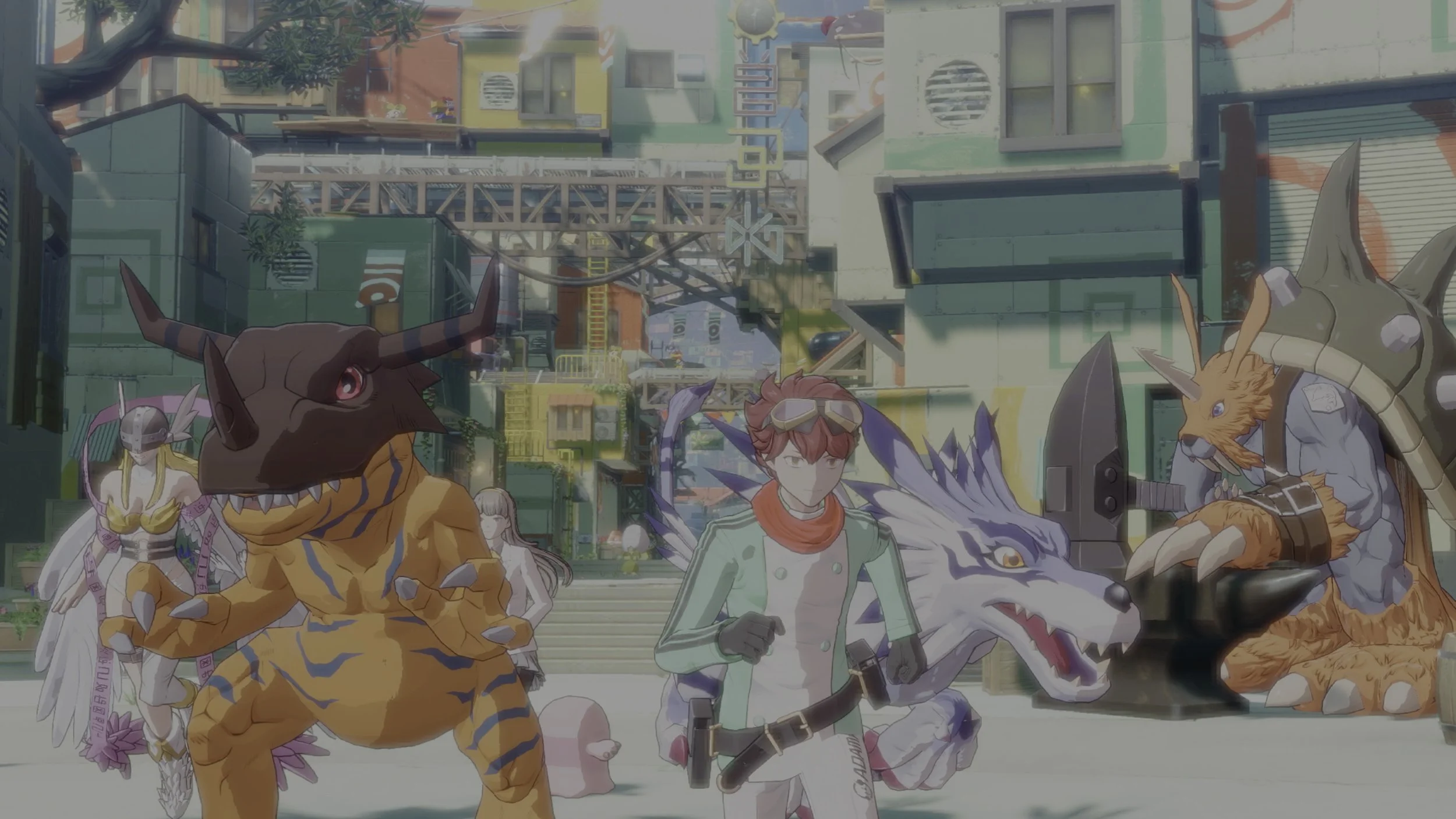
Storytelling has always been a big part of the Digimon Story identity. In Time Stranger, you play as an ADAMAS agent investigating mysterious “Phase Electron Lifeforms” — Digimon appearing in the real world. Around the same time, reality itself begins to collapse, and it’s up to you and your team of Digimon to get to the bottom of it and save the world.

The narrative isn’t overly complex — it serves more as a vessel to guide the gameplay than a mind-bending plot. But it works. The stakes are clear, the atmosphere fits, and it gives you just enough motivation to push forward.
Gameplay: Deep Digivolution Trees, and Simple Battles
At its core, Time Stranger is a classic turn-based creature-tamer RPG. You start by choosing a partner Digimon to protect you against other Phase Electron Lifeforms. From there, the familiar loop kicks in: battle Digimon, collect data, convert it into new allies, and evolve them into stronger forms.

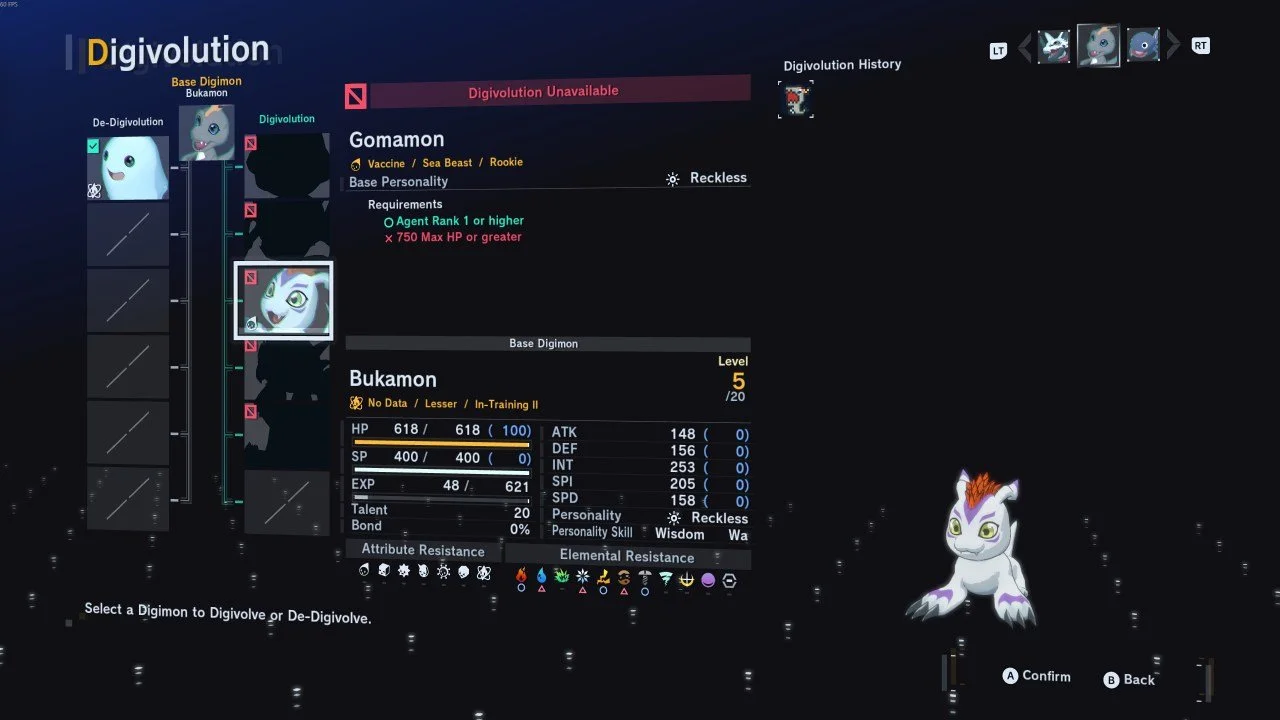
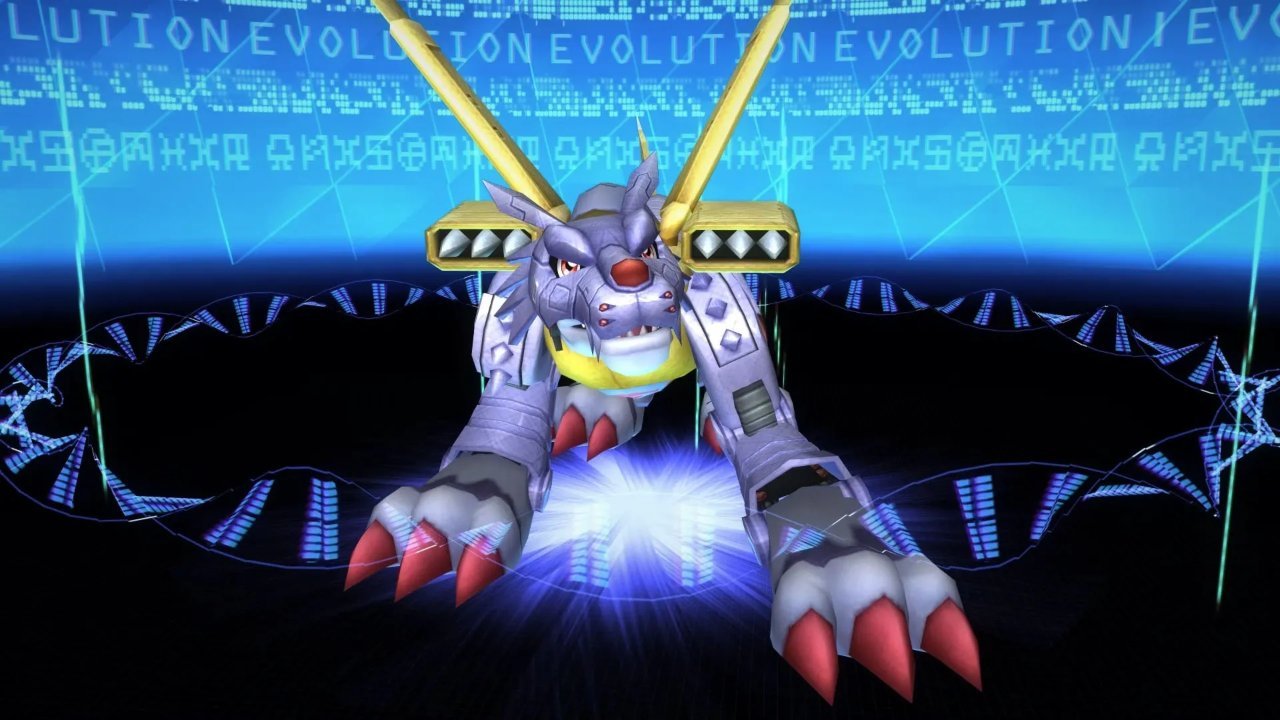
The Digivolution system is where the game shines brightest. On paper, it’s a bit overwhelming — each Digimon can evolve into multiple paths depending on stats. But in practice, it feels like a branching creative playground. For example, starting with Koromon, you might branch into four different Digimon forms. If you’re unhappy with the result, you can always de-digivolve and try a different path. The level of customization makes team-building feel deeply personal, allowing you to craft a squad that reflects your style.
Stats drive Digivolution, and you have multiple ways to raise them: leveling up through battle, using augment chips, or training Digimon at the Digifarm. The Digifarm is handy for long-term growth, though one small annoyance is that you can’t view Digivolution trees directly from there. Having to pull Digimon out, check their path, then put them back feels like a missed quality-of-life improvement.

Combat itself is straightforward. The game offers difficulty options, but once you’ve built a strong squad, battles — including boss fights — rarely push you too hard. Typing and attributes (Data, Virus, Vaccine, plus elemental bonuses) theoretically allow for deeper strategy, especially with elemental multipliers reaching up to 400%. But because the game leans on the easy side, you don’t always need to engage with those systems unless you want to.
Graphics & Performance: Anime Charm with Loading Woes

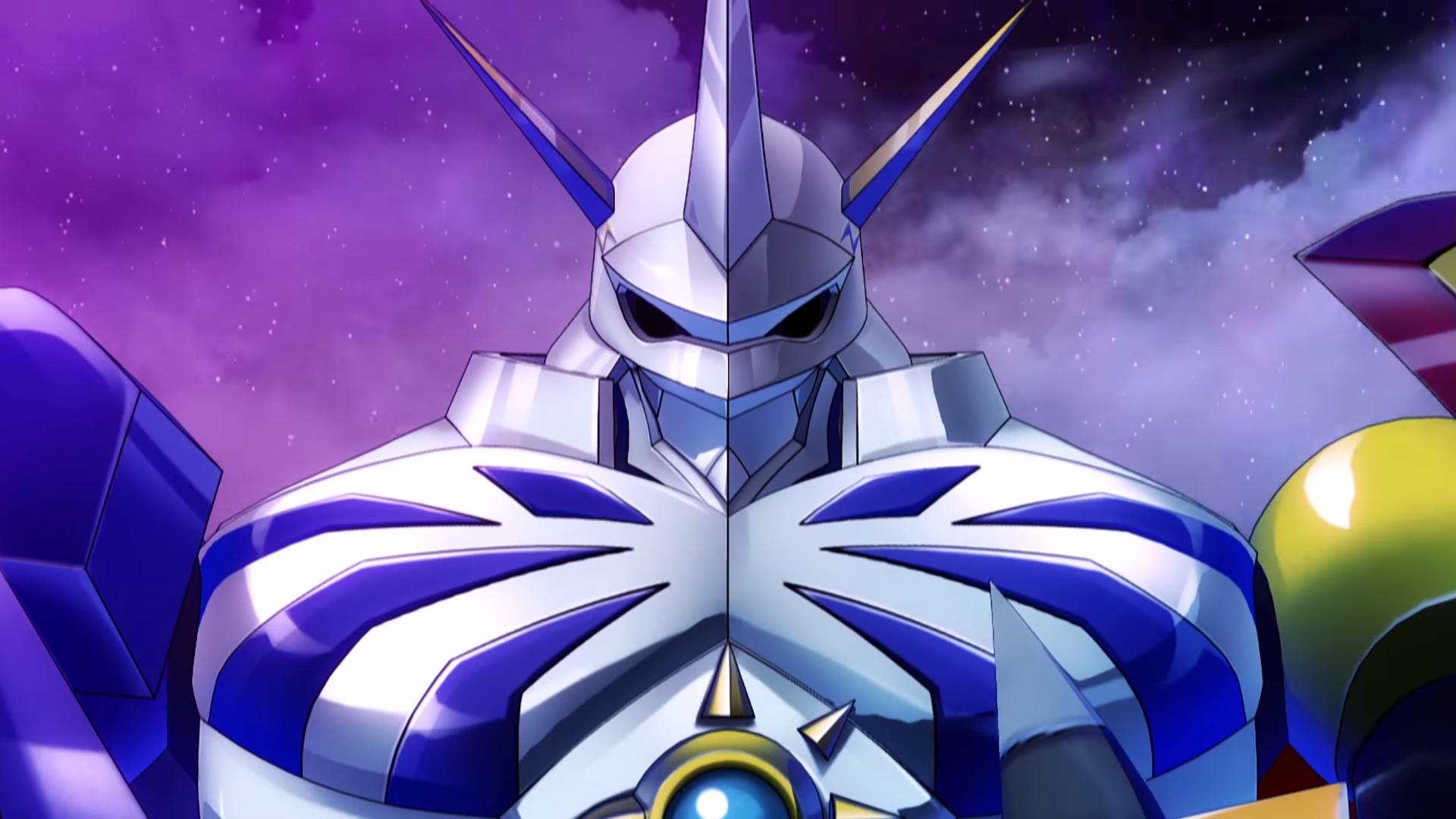
Visually, Time Stranger shifts from the cartoonish look of Cyber Sleuth toward a sleeker anime-inspired style. The environments are colorful, the Digimon models are faithful, and the art direction still carries that nostalgic Digimon charm.
Performance is solid overall, with no major technical issues to get in the way of the experience. However, the sheer number of loading screens is hard to ignore. Moving through doors, entering new areas, or even starting conversations often triggers brief loading pauses. While they’re short, they’re frequent enough to break immersion and make the world feel segmented instead of expansive. It doesn’t ruin the experience, but it’s a constant reminder that you’re playing in carefully stitched-together zones rather than a seamless world.
Feedback: What Works, What Holds It Back
There’s a lot to like about Time Stranger, but it does stumble in areas that keep it from reaching its full potential. Side quests are a mixed bag — while the rewards are often worthwhile (sometimes even better than what you get from main story missions), the quests themselves can feel padded with excessive dialogue or reduced to fetch-task filler. The game doesn’t overload you with them, but the ones that do appear can slow down the pacing.
The mid-to-late game is another sticking point. While early progression feels engaging, the challenge level drops off once your squad hits its stride. The deeper battle mechanics — typing advantages, elemental matchups, and stat optimization — rarely feel necessary. The game doesn’t need to hit “Soulslike” levels of difficulty, but more meaningful battles in the later chapters would have made the strategic systems shine instead of feeling optional.
Final Verdict
Digimon Story: Time Stranger is a strong entry in the franchise, carried by its deep Digivolution system and approachable story. It captures the joy of raising and customizing your own team of Digimon while keeping the experience accessible for both newcomers and longtime fans.
The frequent loading screens, uneven side quests, and lack of late-game challenge hold it back slightly. Still, the core gameplay loop is fun enough to outweigh the frustrations.
For players who crave a tougher challenge or dislike tedious side quests, this might dip closer to a 7.5. But for most Digimon fans, it’s an easy recommendation.
Digimon Story: Time Stranger releases this Friday for PC via Steam, Xbox Series X|S, and PS5.