Seeing a game trailer months before release, getting excited, and then discovering the title is unavailable on your preferred platform or store is frustrating for any player. Modern gaming libraries are massive, but availability still varies because of licensing deals, timed exclusives, platform partnerships, language support, or publisher rollout strategies. Some games launch only in selected markets at first, while others remain tied to specific storefronts or ecosystems for years. Fortunately, there are still legitimate ways for players to access a broader range of titles and enjoy games that may not be easily available through standard channels.
Understanding Digital Game Availability
Publishers manage releases differently depending on business goals and technical limitations. A title may launch first on PC while console players wait months for a port. Some indie games appear only on specific storefronts, while others enter early access in limited regions before receiving a worldwide rollout. Subscription services also complicate things, since catalog availability changes regularly between countries and platforms.
Players today often compare storefronts, subscription libraries, and download platforms before deciding where to build their gaming collections. For those exploring different gaming ecosystems, checking out what is a VPN vs proxy also helps clarify how various networking tools affect speed, privacy, and online connections during gaming sessions.
PC Gaming Offers the Most Flexibility
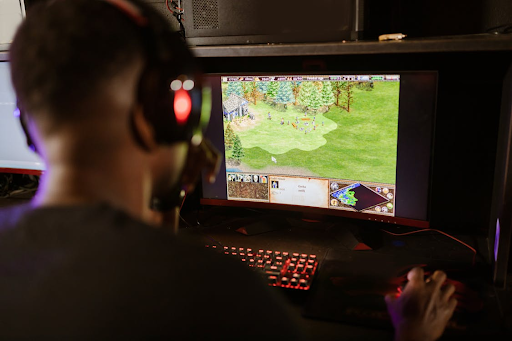
PC remains the most flexible platform for accessing games with limited distribution. Players can install launchers from multiple publishers, use different digital stores, and switch between ecosystems with relatively little friction. Services such as Steam, Epic Games Store, and GOG all carry different libraries and exclusive titles.
Consoles operate differently because their ecosystems are more tightly controlled. A title available on Sony hardware may not appear on Nintendo or Microsoft systems for a long time, if ever. Players who enjoy exploring niche titles, early access projects, or international indie releases often gravitate toward PC gaming because it provides the widest access overall.
Building Access to Different Storefronts
Experienced players frequently maintain accounts across several gaming services rather than relying on a single platform. This helps them:
Track exclusive releases
Compare pricing and seasonal discounts
Access early demos or beta tests
Explore indie titles unavailable elsewhere
Keep up with subscription library rotations
Digital gift cards also remain popular for funding accounts across different services without linking primary payment methods everywhere.
Protecting Your Main Gaming Library
Managing multiple launchers and accounts comes with some responsibility. Players should always use strong passwords, enable two-factor authentication, and avoid unofficial download sites offering “free” copies of premium games. Fake installers and cracked releases remain one of the biggest cybersecurity risks in gaming communities.
Keeping purchases organized and maintaining separate login credentials for different services can also prevent account issues later. Losing access to a long-standing gaming library because of poor security habits is far more damaging than missing a limited release window.
The Gaming Landscape Keeps Expanding
The good news for players is that gaming availability has improved significantly over the past decade. More publishers now release titles globally, cross-platform gaming is becoming common, and cloud gaming services continue expanding access across devices. While some titles still launch with limited availability, patient players usually gain access eventually through wider releases, ports, subscription platforms, or remastered editions.
For dedicated gamers, exploring different storefronts, platforms, and gaming ecosystems is now simply part of the hobby.