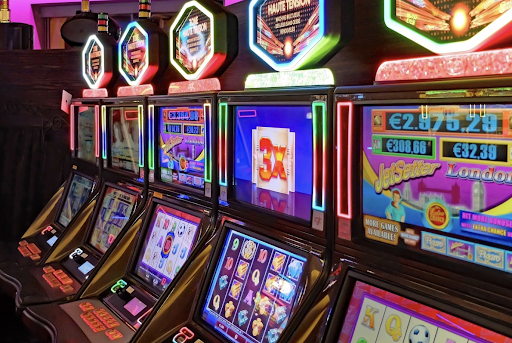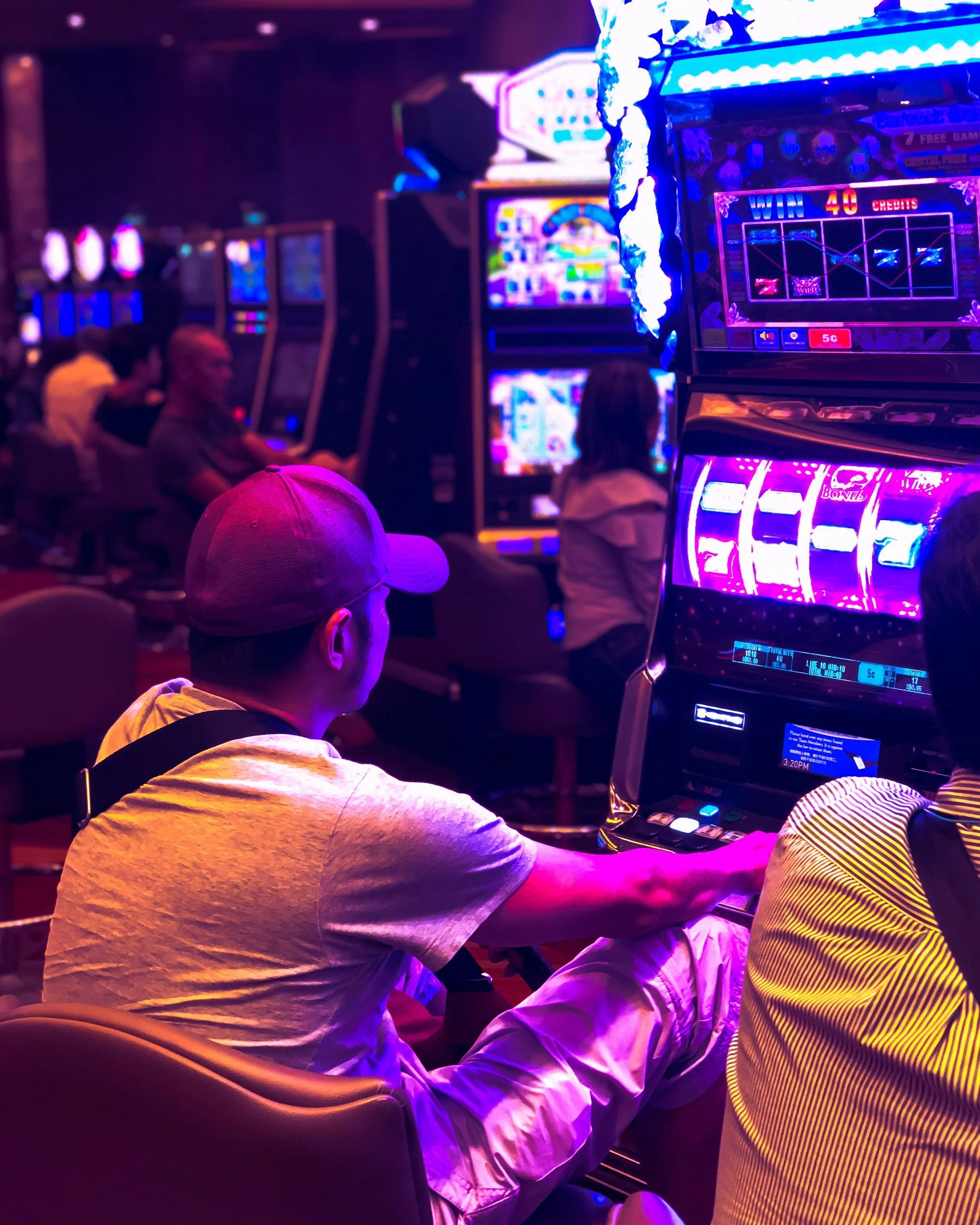
Digital slot games have not always looked the way they do today. Early versions were simple machines with levers, spinning reels, and basic symbols. There were no animations or detailed visuals; it was straightforward gameplay based entirely on chance. Today, modern online slots feel closer to interactive video games, with rich graphics, themed environments, and layered sound design shaping the experience.
What was once a quick spin has evolved into a more immersive form of entertainment. Slot games now combine traditional mechanics with visual storytelling and interactive features, making them a major part of the broader online gaming space.
The Modern Entry Point: Online Slots Today
Online slots are now more accessible than ever. Players can access games directly in browsers or on mobile devices without specialised software or physical machines. This ease of access has contributed to the rapid growth of digital slot gaming.
For players in New Zealand, this accessibility means they can explore a wide range of online slot games optimised for local access and preferences. Platforms often provide regionally relevant experiences while still offering globally popular titles.
For example, many players explore slot games for New Zealanders at Ruby Fortune because it offers a localised experience alongside a diverse selection of modern slot titles. This reflects how platforms have adapted to different audiences while maintaining consistent gameplay standards.
Modern platforms serve as more than just access points. They represent how slot games have transitioned from physical machines into fully digital entertainment systems.
The Mechanical Origins: Liberty Bells and Lever Pulls
Before digital systems, slot games were entirely mechanical. Early machines, such as the Liberty Bell, developed in the late 19th century, relied on physical reels, gears, and manual levers. Each spin was driven by internal mechanical components, with outcomes determined by physical movement rather than software.
These machines typically featured three reels and a limited set of symbols, such as bells, horseshoes, and playing cards. Their simplicity made them easy to understand and quick to play.
The appeal came from the anticipation created by each spin rather than visual complexity. The sound of reels stopping and the possibility of a winning combination kept players engaged. While modern slots have changed significantly, they still build on this fundamental concept of anticipation and randomness.
The Digital Shift: From Metal to Microchips
The transition from mechanical systems to electronic components marked a major step in the evolution of slot games. As machines began using microchips instead of gears, gameplay became more consistent and efficient.
A key development during this period was the introduction of random number generators (RNGs). These systems ensure that every spin is independent and determined by algorithms rather than physical movement, a standard in modern slot design.
This transition to microchip-based systems enabled the development of video slots, in which outcomes are generated digitally rather than mechanically. Early video slots featured basic graphics but introduced greater design flexibility. Developers could expand beyond traditional three-reel formats, adding multiple reels, paylines, and varied game structures.
This shift allowed slot games to move beyond physical limitations and evolve into more complex digital experiences.
The Rise of Themes and Storytelling
As technology improved, slot games began incorporating themes and narrative elements. Instead of relying solely on traditional symbols, developers introduced settings inspired by mythology, history, and fantasy.
This approach added a new layer of engagement. Players were no longer just spinning reels; they were interacting with themed environments designed to enhance immersion. Visual design and audio became central to gameplay, with animations and sound effects reinforcing key moments such as wins or bonus triggers.
While outcomes remain entirely random, these thematic elements create a more engaging player experience without altering the underlying mechanics. This balance between presentation and structure helped redefine how slot games are perceived.
Gameplay Innovation: More Than Just Spinning
Modern slot games include a variety of features designed to enhance player engagement. Bonus rounds, free spins, and interactive mini-games introduce variation beyond standard spins. These features add pacing and variety without changing the random nature of results.
Some games also incorporate progression systems, such as unlocking features or advancing through stages. These elements are designed to increase engagement but do not influence the probability of outcomes, which remain governed by RNG systems.
The influence of video game design is evident in how these mechanics are structured. Developers focus on maintaining player interest through variety, feedback, and visual progression.
Although the experience has become more dynamic, slot games remain chance-based at their core, with entertainment features layered on top of random outcomes.
It Was Never Just About the Spin
Slot games have evolved from simple mechanical devices into complex digital products. Advances in technology have allowed developers to expand beyond basic gameplay and introduce immersive design elements.
For modern players, especially those playing online slots in New Zealand, this evolution means a more refined, accessible gaming experience that combines traditional mechanics with digital innovation. Despite these changes, the core principle remains the same. Each spin is independent, and outcomes are determined by random systems.
The experience surrounding that core, however, has transformed significantly. Modern online slot games now deliver entertainment through visual design, interactivity, and accessibility, reflecting how far the industry has progressed.