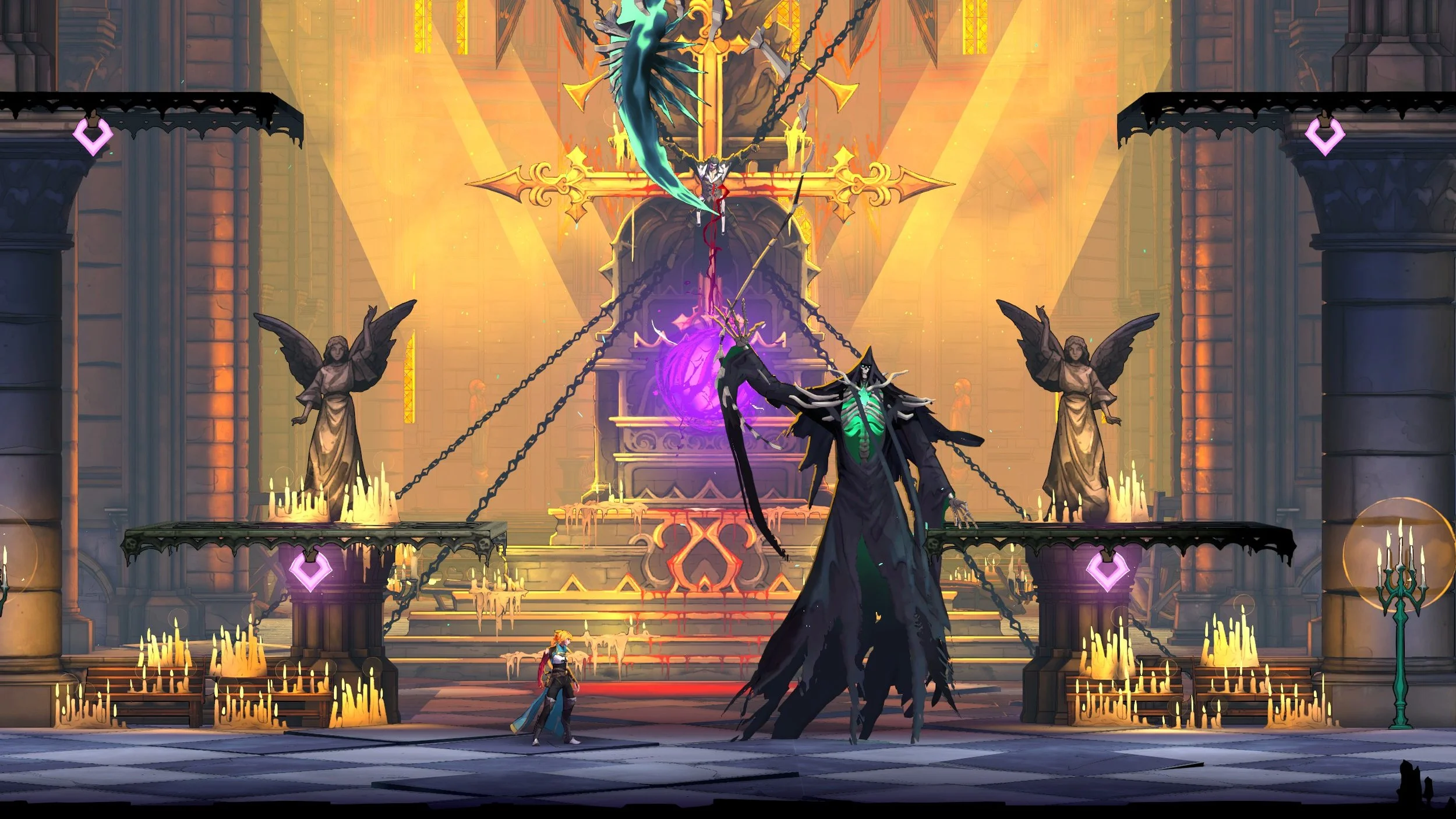
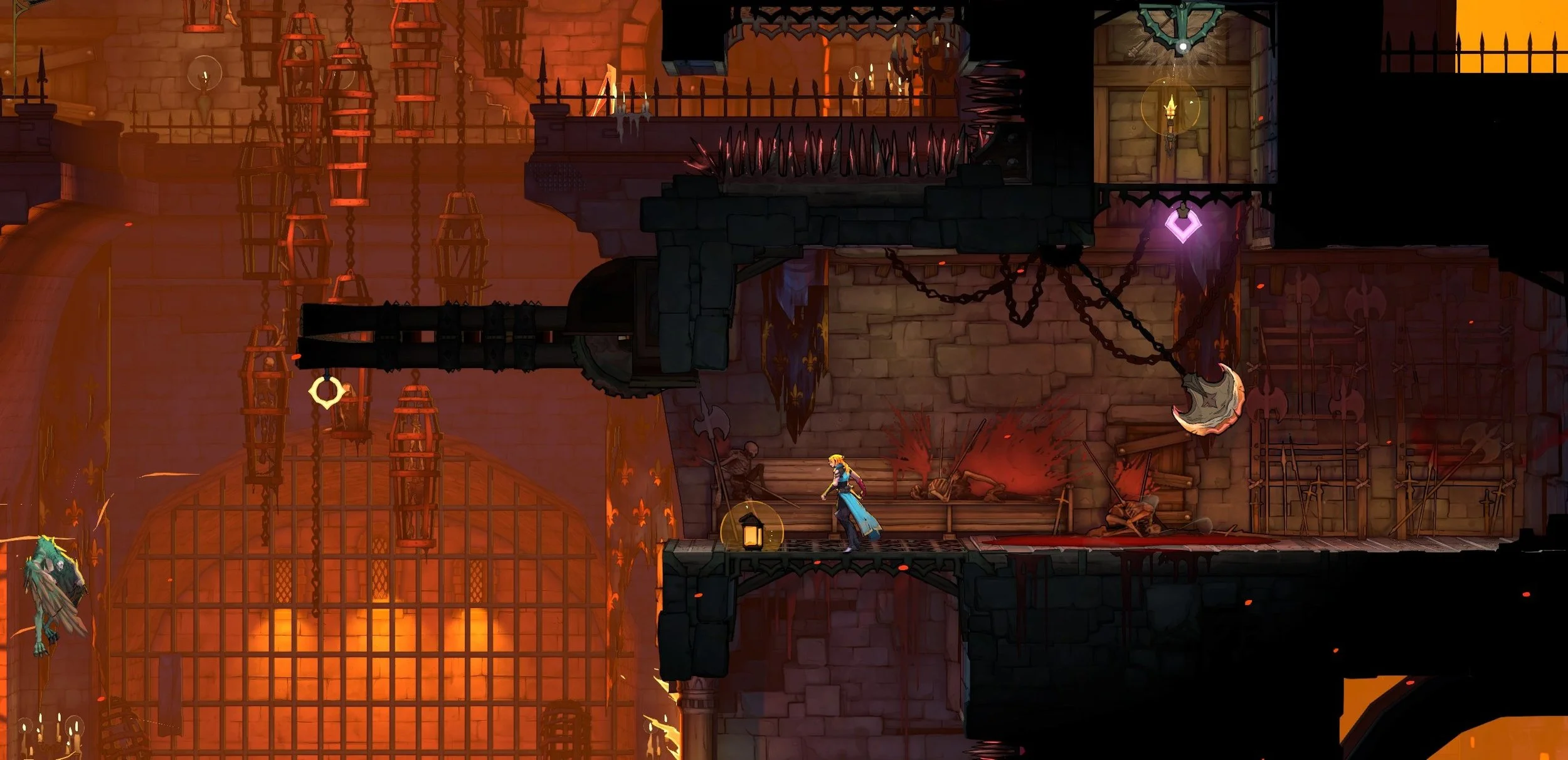
These days, offering something different is a must, especially within the over-saturated digital gaming market where similar games get lost. Off-the-shelf or white-label platforms offer both speed and convenience to developers and operators, but they don't offer the flexibility or level of originality that is now required in order to stand out from the crowd. It's at this point that bespoke game development offers something a little better, especially when it comes to strategic advantage. Increasingly, video and virtual gaming platforms are taking note of this change and focusing on creating custom-built gaming experiences that can boost engagement, retention, and long-term growth for the platform.
Driving Player Engagement
One of the most important advantages of bespoke game development in the virtuals marketplace is the ability to design gaming experiences specifically for a target audience. Instead of relying on generic templates, sites can improve player retention by tailoring their games, mechanics, themes and reward systems to their users. This personalisation helps improve the immersive experience, ensures increased participation and engagement, and makes players more likely to stick around.
Additionally, custom development allows operators to tailor experiences across different jurisdictions, something Zenobet have shown can be a decisive advantage. This approach enables regional adaptation through localized narratives, gameplay styles suited to specific markets, and deeper cultural resonance. In doing so, bespoke games align with what players actually want, avoiding the one-size-fits-all limitations of pre‑built solutions that often miss the mark.
Control Over Innovation
Innovation is central to the gaming industry. Without it, games would likely die out. However, it's difficult to innovate within the constraints of third-party frameworks. Bespoke development gets rid of this limitation, allowing gaming platforms full creative control and the ability to experiment with new features, mechanics and technologies more easily.
Such flexibility means that developers can actually respond quickly to emerging trends, such as skill-based gaming elements, hybrid betting models, or gamification layers that combine entertainment and strategy. Instead of waiting for external providers to update their game options, bespoke platforms can do it themselves, setting the trends rather than following them.
Better Performance and Scalability
Performance is a major factor when it comes to user satisfaction. Lag, crashes, or poorly optimised gameplay can drive users away very quickly. Bespoke development ensures that every element of the game is optimised for performance as it's built with specific hardware, software and user demands in mind.
For virtuals, this means smoother gameplay, faster load times, and a more reliable platform overall. Additionally, custom-built systems are inherently more scalable. As user numbers grow, the platform can adapt its infrastructure without being constrained by the limitations of a third-party provider.
Better Brand Identity
The digital gaming world is a crowded one, and in such a saturated marketplace, branding becomes essential. Bespoke game development allows companies to create a unique visual identity that links in with the player's experience, setting them apart from other sites and brands. This can be anything and everything from a distinctive art style to signature gameplay mechanics, each element reinforcing the brand to the players.
This identity can also be embedded in the games themselves. While this helps to improve brand recognition, it also helps to create a stronger emotional connection between the player, game, and platform. When users associate a specific platform with certain types of high-quality games and unique experiences, brand or platform loyalty is likely to follow.
Improved Data Utilisation
Data is one of the most valuable assets in modern gaming, but its potential is often underutilised in generic gameplay systems. Bespoke platforms can integrate advanced analytics directly into their games, tracking player behaviour, preferences, and engagement patterns in real time.
This type of insight means that platforms can continuously refine their offerings. Features can be adjusted, difficulty levels balanced, and rewards optimised based on actual user data. This creates a feedback loop where the platform evolves alongside its audience, ensuring it remains relevant and appealing.
Long-Term Cost Efficiency
While bespoke development requires a higher initial investment, it often becomes more cost-effective over time. Licensing fees, revenue sharing, and dependency on third-party providers can quickly add up with off-the-shelf solutions.
By investing in custom development, platforms retain full ownership of their technology and intellectual property. This not only reduces ongoing costs but also opens up additional revenue streams, such as licensing their own games or features to other platforms.
Conclusion
Bespoke game development is a strategic need rather than simply a technical one. It empowers platforms to innovate, connect more deeply with players, and build a sustainable competitive advantage. The ability to create tailored, high-performance, and brand-driven gaming experiences is a major factor for platforms looking to stand out.