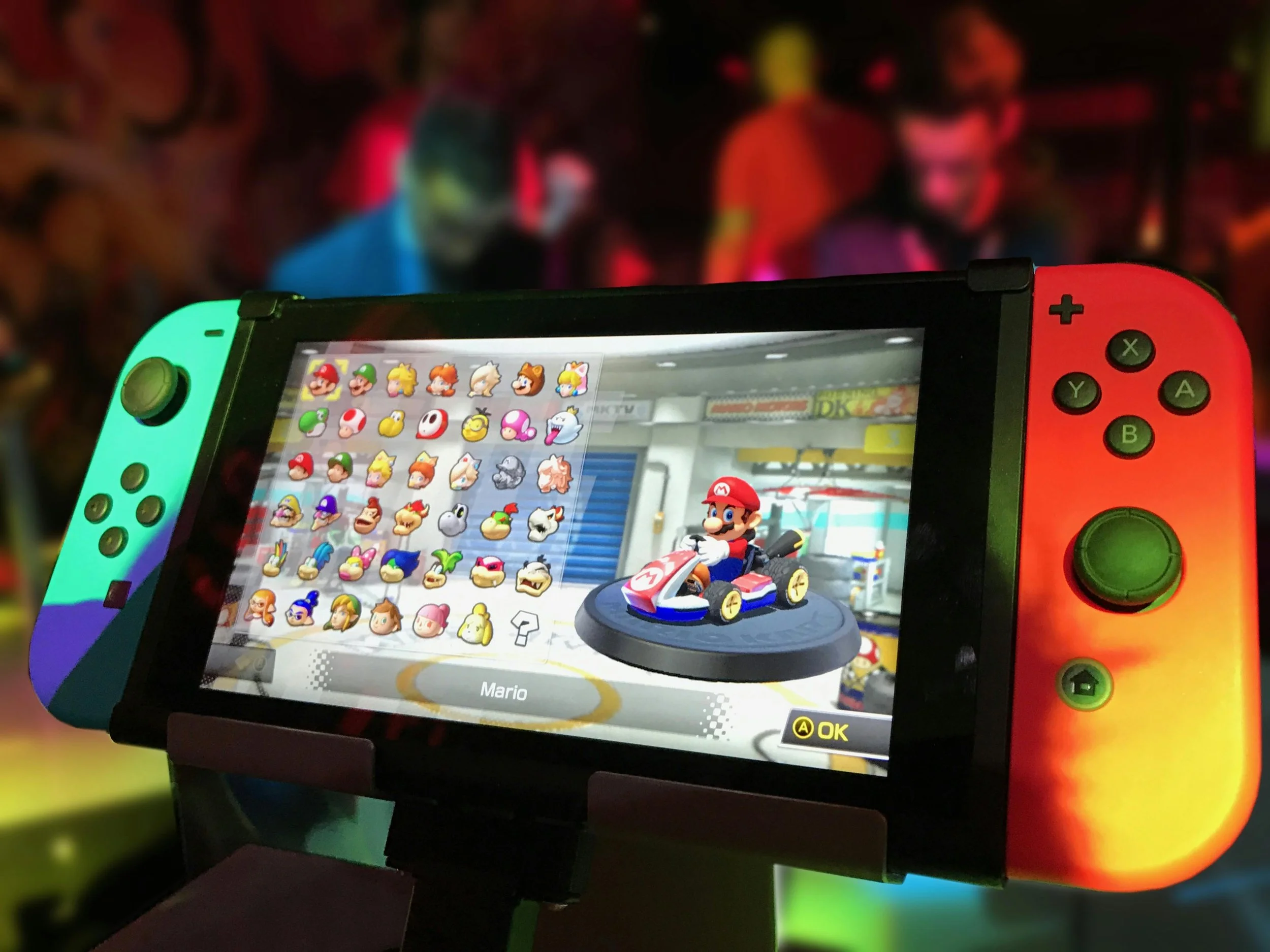
For years, the gaming hardware conversation was about old ground. Home consoles struggled for living-room supremacy, while desktop GPUs drove visual fidelity up for PC players. Handheld gaming existed but was often considered a separate category with different expectations for power, battery life, and performance. That is no longer the case. Gaming handhelds have shifted from a curiosity of a small segment of the population to one of the most strategic portions in the big hardware market, and chipmakers are taking notice.
What changed is simple: players now take serious gaming performance for granted in smaller devices. They want to play major PC games on the go, travel easily between home and travel, and have a console-like experience without being tied to a television or a desk. That change has made handhelds more than small entertainment devices. They are now proving ground for the next generation of gaming silicon.
Why Handheld Gaming Has Become So Important
The rise of the modern handheld is part of a more fundamental shift in player behavior. Gamers are demanding more flexibility rather than fixed hardware habits. A powerful console under the TV still has value, but many consumers also want a device they can carry around the house, use on a commute, or take on a trip. The success of newer handheld formats has taught the market that there need not be a trade-off between portability and performance.
This leaves a huge opportunity for chipmakers. Handheld devices need extremely optimized processors that balance graphic power, thermal efficiency, memory bandwidth and battery life in a very small form factor. That combination is hard to deliver and that is the point. A company that can create the best chips for handheld gaming is not only winning a small category. It is showing leadership in one of the more technically demanding corners of consumer hardware.
The handheld space is also becoming increasingly influential because it sits at the intersection of several trends. PC gaming is moving out of the desktop. Cloud gaming is becoming an increasingly strong companion feature. Operating systems are becoming more game-friendly. At the same time, consumers are demonstrating that they will pay for premium portable hardware as long as the experience is smooth and uncompromised. For chipmakers, this is no longer an experimental market. It is a strategically valuable battlefield.
The Real Competition Is Efficiency
Unlike traditional desktop gaming, handheld performance is not solely about raw power. A chip can look good on paper and be useless in a portable device if it suckles down the battery too fast, runs too hot, or forces aggressive performance throttling. In handheld gaming, efficiency is as important as frame rate.
That makes this segment especially important for semiconductor companies attempting to prove the flexibility of their architectures. A good handheld chip would need to deliver playable performance across a range of titles and manage power efficiently. It has to handle demanding graphics workloads without overtaxing a small cooling system. It needs to support fast memory and storage while keeping the entire device responsive and stable. These are not side issues. They define the product.
As more consumers research portable gaming hardware, the conversation is gradually turning to the processor itself. Buyers are no longer just comparing screens and controllers. They are listening to the chips inside the machine because those chips determine everything from heat and noise to battery life. In that environment, handhelds become both a branding opportunity for semiconductor firms and a technical challenge.
The fluidity of modern digital entertainment habits means a user might move between hardware benchmarks, streaming services and a detailed review of Wyns Casino Canada within the same browsing session, portable devices have made those transitions more seamless than ever.
Why Every Major Chipmaker Wants a Position
The competition in handheld gaming is about more than finding the sales of parts for a single device category. It is about mastering the next phase of gaming mobility. If one chipmaker emerges as the partner of choice for handhelds, it will have power over manufacturers, software optimization, and the future course of portable gaming experiences.
There is also a larger strategic reason for the fight. Handhelds can shape how users think about the relationship between PC and console gaming. A portable device that runs major PC libraries well can attract users further into a software ecosystem and solidify demand for subscription services, digital storefronts and cloud features. That gives the chip that powers the device even more significance. It is not only enabling local performance. It helps define how the platform itself is experienced.
For AMD, Intel, Qualcomm and other players with gaming ambitions, the handheld category presents a rare opportunity to have an impact on an emerging hardware standard before the market fully settles. That is why the segment is so competitive. No company wants to be locked out of the devices that will shape portable play over the next several years.
The Future of Gaming Hardware Could Be More Portable Than You Think
The struggle for and against handheld gaming hints at something larger about where the industry is headed. The distinction between desktop-class performance and portable convenience is fading. Consumers are coming to expect both. They want lighter devices, immediate access to their game libraries, and hardware that fits different settings without too much sacrifice in quality.
And that expectation puts tremendous pressure on chipmakers to innovate more quickly. Better-integrated graphics, better power management, cooler operation, and smaller software footprint will all become important. Handheld devices are requiring semiconductor companies to solve problems relevant to the entire computing market, from super-compact laptops to AI-assisted gaming systems.
In that sense, the handheld boom is far more than just a trendy form factor. It is the signal that gaming hardware is entering a new phase, one in which mobility, efficiency, and ecosystem integration are as important as peak horsepower. The companies that win this battleground are not going to just supply portable gaming devices. They may end up influencing the future of gaming hardware itself.