Disclosure: This is a paid guest post. The author or an affiliated third party paid for its publication, and the article may contain promotional links. The views and opinions expressed are those of the author and do not necessarily reflect those of GameTyrant or its editorial staff.
The perfect getaway car is easy to imagine: quick off the line, tough enough to survive a collision, and ready to disappear around the next corner. Picking one in GTA 6 will be a little more complicated. A car that looks ideal on an open highway may be awkward in a crowded city, while a larger vehicle that suits a rough road could be harder to thread through traffic.
As of November 17, 2026, GTA 6 has not been released. Rockstar has named some vehicles in its edition information and shown driving and pursuits in official footage, but independent comparisons of the final game are not yet available. This guide uses the announced vehicles and practical questions to help you think through a getaway; it does not rank untested handling or promise specific spawn locations.
The route should decide the car
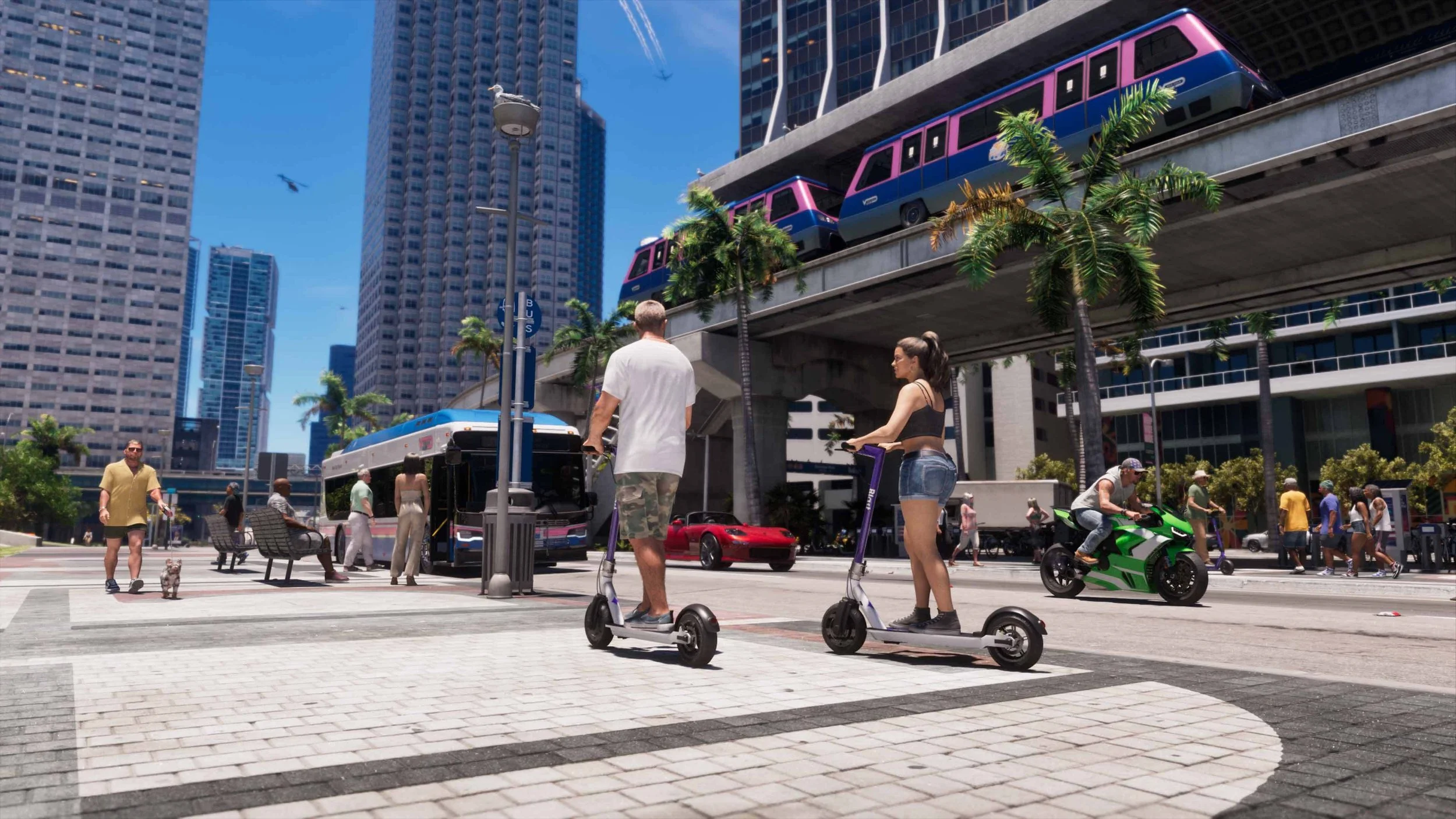
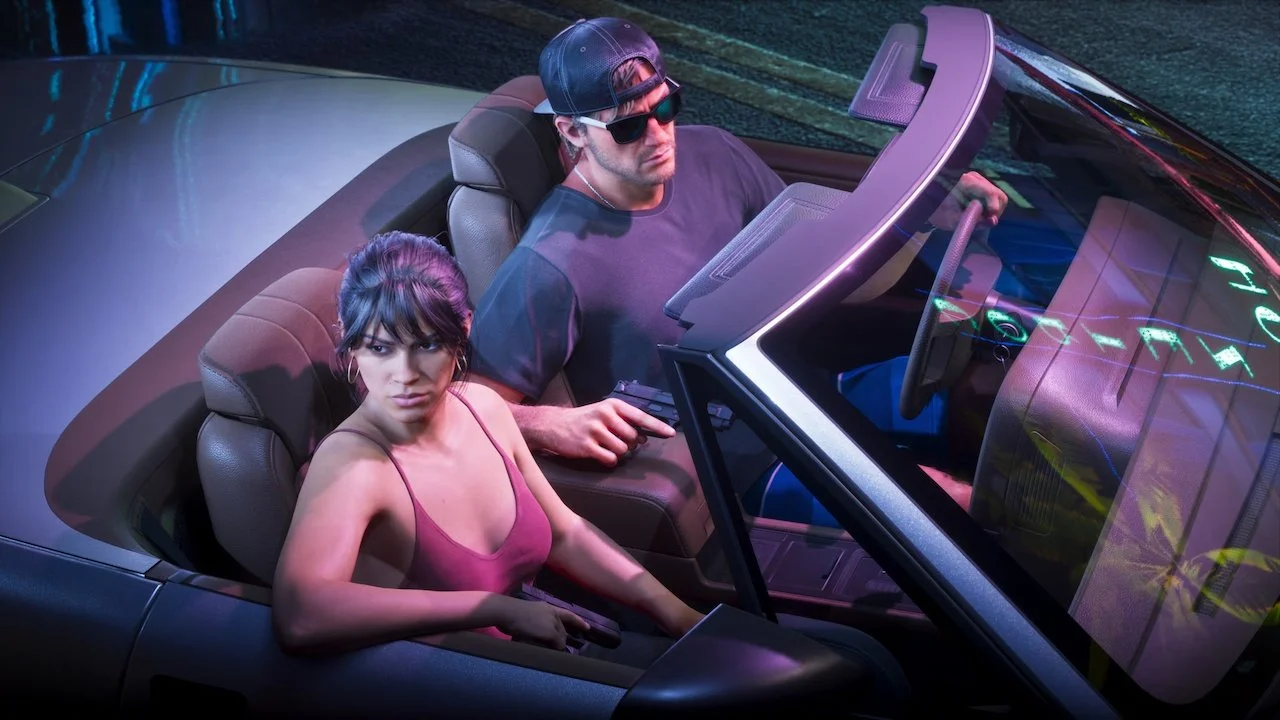
Picture two different escapes. In the first, Jason and Lucia leave a busy Vice City street and need to get through a sequence of tight turns. In the second, the route moves away from the city and onto an uneven rural road. Neither scenario has been verified as a specific mission; they illustrate why a getaway choice depends on the terrain.
For the city route, look for a vehicle you can control while changing direction and dealing with traffic. A very high top speed is less useful if the road never gives you enough space to reach it. For the rural route, stability and how the car responds on the surface may matter more than how quickly it turns a sharp street corner.
For now, the useful approach is to compare vehicle types and note what remains to be tested, rather than treat a familiar name from an earlier GTA as proof of identical performance in the new game.
Three announced vehicles—and what their descriptions tell us
Rockstar’s editions and versions support page lists the ’95 Grotti Cheetah, the Ganado Retro Build and the ’67 Vapid Dominator Buggy among Ultimate Edition content. These are concrete names, not a complete vehicle roster. The edition description does not provide a handling comparison or establish that any one of them is the best escape vehicle.
These vehicles are associated with the Ultimate Edition, so the version available to you matters when building a shortlist. If you are looking at GTA 6 Accounts for Sale, check the platform and the edition or bonuses stated for the individual listing; do not assume every account includes these vehicles.
| Announced vehicle or build | What the published material identifies | What still needs testing |
|---|---|---|
| ’95 Grotti Cheetah | A sports car included in Ultimate Edition content. | Acceleration, braking, handling and access during the story. |
| Ganado Retro Build | A custom build associated with Jason’s Vapid Ganado pickup. | How the build changes performance and when it can be used. |
| ’67 Vapid Dominator Buggy | A buggy listed with a garage in Ultimate Edition content. | Its behavior on different terrain and its availability in missions. |
These examples illustrate different vehicle categories, not a finishing order. A sports car’s appearance does not prove that it accelerates faster than every pickup; a buggy’s shape does not prove it will outperform every other vehicle off-road. The questions in the final column are what an actual hands-on comparison needs to resolve.
The Ultimate Edition association matters as well. Do not assume these specific bonuses are included with the Standard Edition, and do not assume a named bonus is available immediately. Check the current edition description and the game’s own unlock conditions. The existence of a special build also does not tell us every way the underlying vehicle may be found in the base game.
Acceleration versus control in Vice City
For a short escape, the important stretch may be the first few blocks rather than the fastest straight line on the map. Can the vehicle pull away without spinning? Can you brake before a turn and accelerate again without losing control? Those are more useful questions than a headline top-speed number when the route is crowded.
A hypothetical comparison helps. Say you find a nimble two-door car and a larger pickup. Try each around the same block, starting from the same point. Notice whether you can make the turns comfortably and whether a minor collision leaves enough control to keep moving. Do not call one faster based on a single messy chase; repeat the route when the final game is available and traffic conditions make a fair comparison possible.
Rockstar has shown driving in its official material, while GameTyrant has discussed the Extended Look and Rockstar’s wider design ideas. Neither source provides the controlled vehicle test needed to declare a winner for this particular route.
What changes outside the city?
When a road becomes narrower or less even, a vehicle’s behavior over that surface deserves attention. A driver who can keep a predictable line may be better placed than someone who loses control in a powerful car. That is a general driving consideration; the final game’s surface grip, damage response and vehicle classes still need to be verified.
If you are choosing between the announced Ganado Retro Build and the Dominator Buggy, begin by checking whether each is available in the part of the game you are playing. Then compare them on the same section of road, through similar turns. Watch what happens over bumps and when rejoining the road. Until those tests can be done, treating the buggy as automatically superior on dirt would be a guess.
The route also has a human cost in attention. A complicated vehicle swap or shortcut is only useful if you can execute it while watching traffic, the map and the pursuit. A straightforward road you can follow reliably may suit you better than a theoretically shorter route you keep missing.
Damage, visibility and the chase
A getaway does not end at the first collision. Once GTA 6 is available, check how damage affects your ability to steer and continue driving, and whether a vehicle remains usable after a comparable impact. Do not transfer a durability ranking from GTA 5 and assume the new game uses the same values.
Vehicle recognition is another part of the choice. In a pre-release interview, Rockstar developers discussed a wanted system in which witnesses and alarms can report crimes and police can receive identifying information. That gives players reason to pay attention to the vehicle involved in a chase, but the exact rules for escaping or changing vehicles should be checked in the released game rather than assumed from a preview.
In practice, separate three questions: can you get moving, can you keep control along your route, and can you complete the escape under the game’s actual wanted rules? A car can feel excellent on the first two and still be a poor choice for the wider situation. Conversely, a modest vehicle might be enough if it fits the road and gets you where you need to go.
How to build your own shortlist after launch
Start with vehicles you can actually access in your edition and current story progress. Pick a short city route and a separate rural route. For each car, make several runs and record how it feels when accelerating, turning and recovering from a light impact. Keep the route and conditions as similar as the game allows.
Then add the practical details that a driving clip cannot show: where you found the vehicle, whether it remains available when needed, and whether the mission lets you use it. A bonus car parked at a particular location may be interesting without being convenient for every job. Those details also make the comparison useful to another player who wants to repeat it.
Do not mistake a preview shortlist for a final “best cars” ranking. The Cheetah, Ganado Retro Build and Dominator Buggy give us three named starting points, not verified answers about top speed or durability. Once players can test the game, the strongest getaway choice will be the vehicle that fits the route, remains controllable under pressure and is actually available when the escape begins.