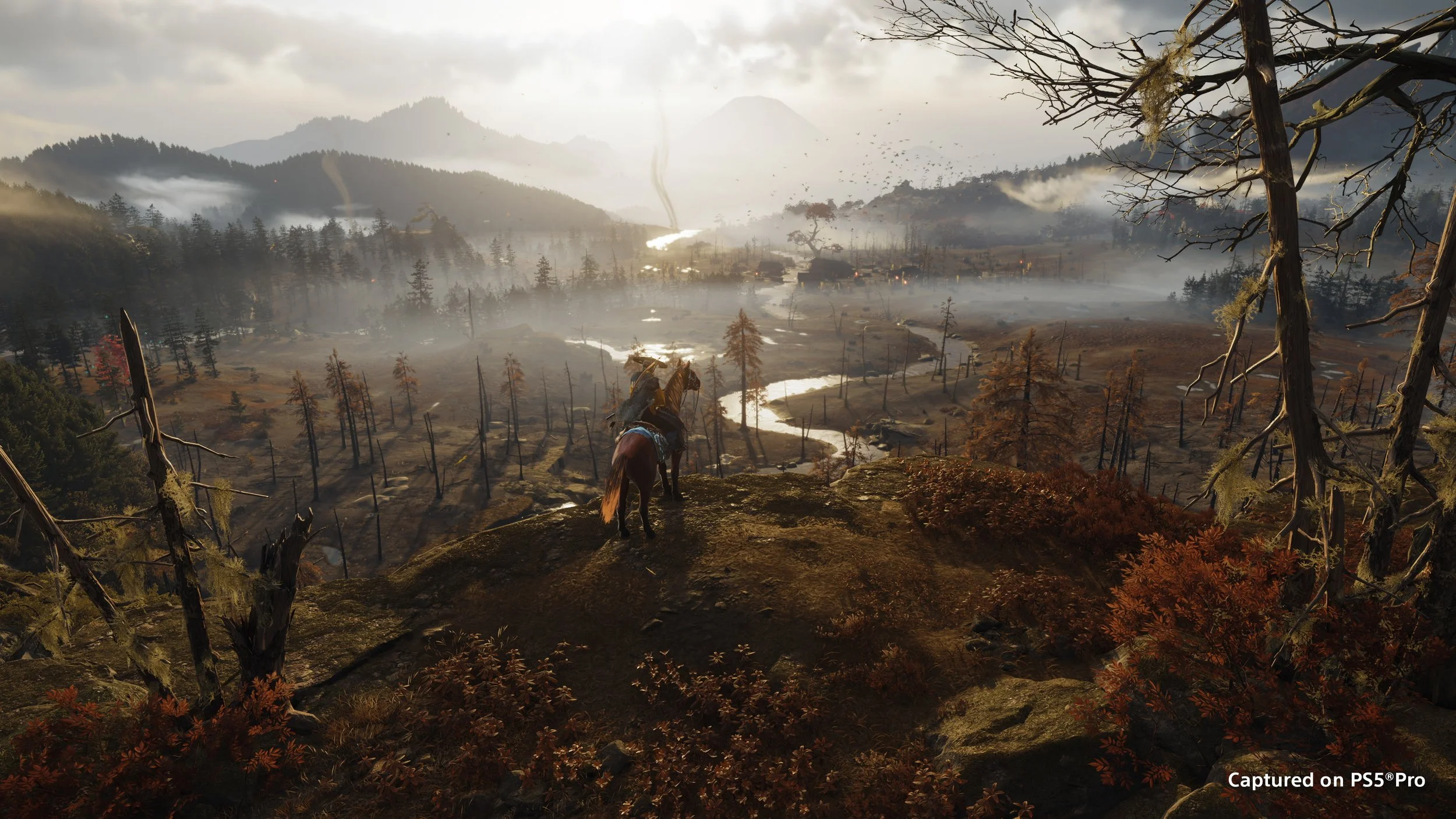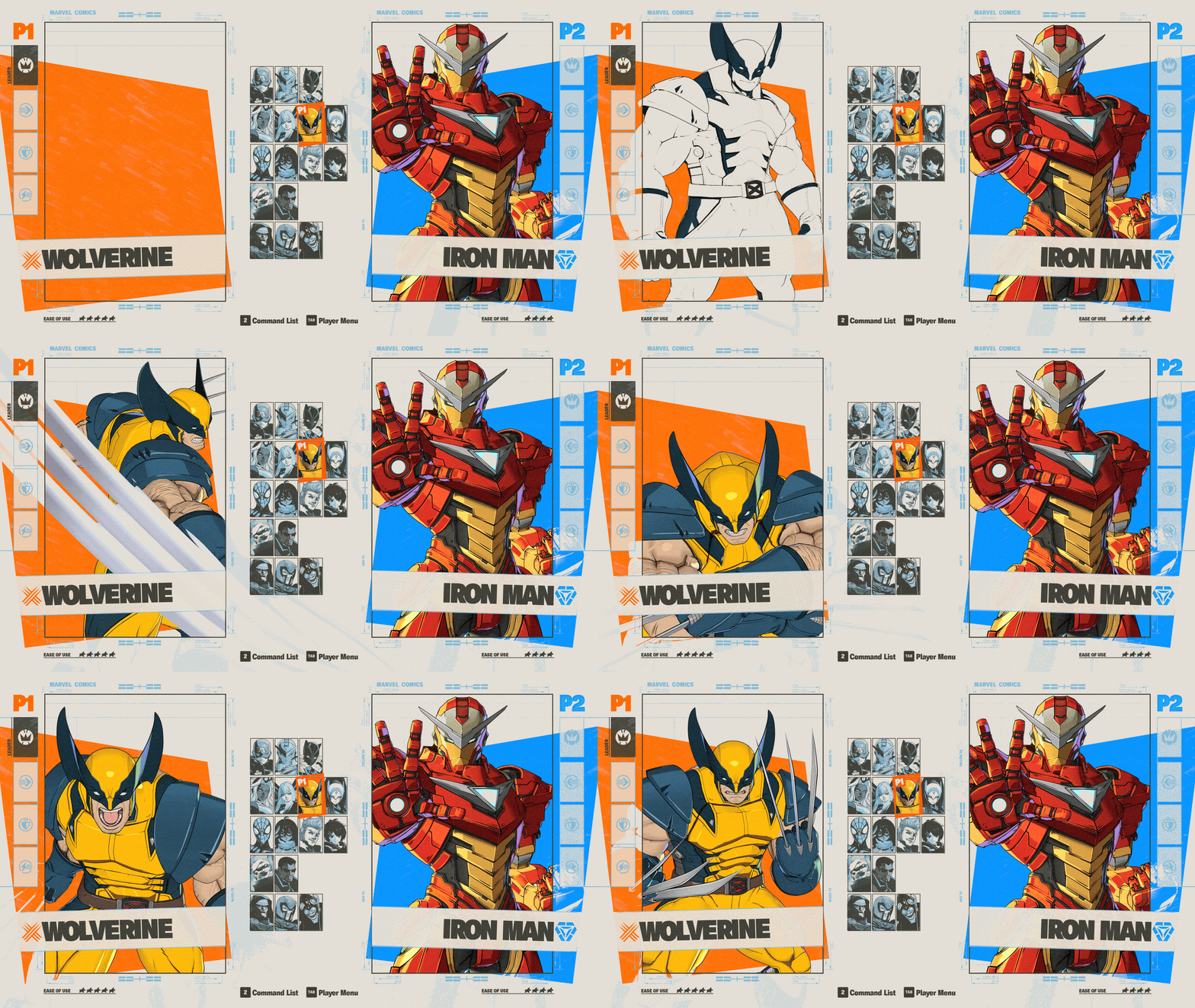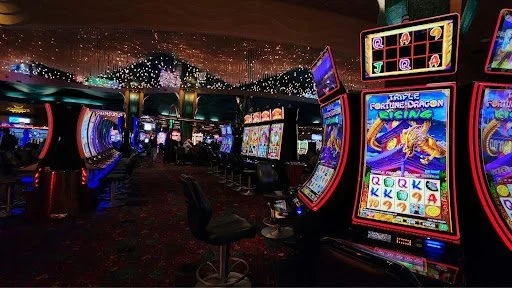
If you've ever lost three hours to a mobile RPG without spending a dime, you already understand the invisible machinery behind modern casino platforms. The progress bars, the daily missions, the little dopamine hit when a badge pops up on screen. None of that was invented by a casino company. It was borrowed, piece by piece, from the gaming industry.
The Loop That Keeps You Playing
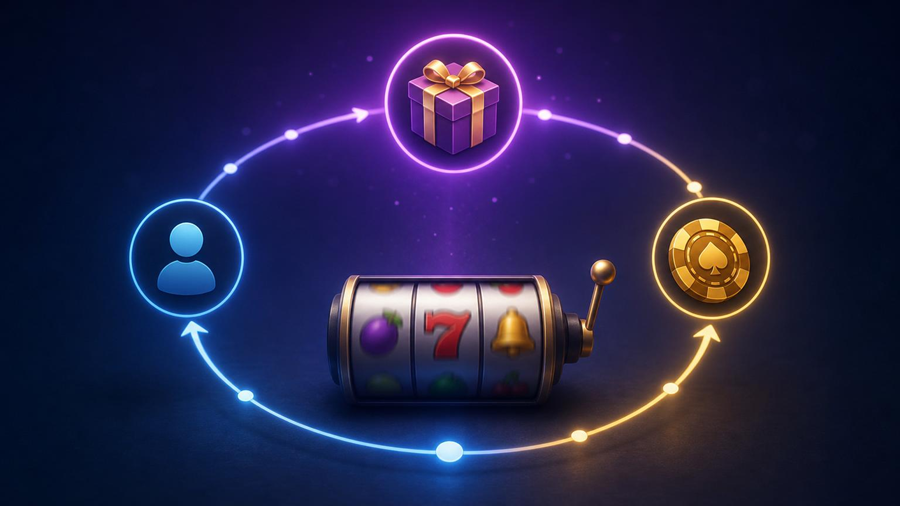
Game designers figured something out a long time ago. People don't stick around for individual moments. They stick around for loops. You complete a task, get a reward, see your next goal, and repeat. It's the same reason you kept grinding in Diablo or checked into Animal Crossing every morning.
Casino platforms have studied that loop carefully. Modern online casinos now wrap their slots and table games inside progression systems that feel eerily familiar. You're not just spinning reels. You're filling an XP bar, climbing a leaderboard, working through a "season" of challenges that refreshes every 30 to 60 days. The game underneath hasn't changed much. But the system around it? That's pure video game architecture.
The numbers back this up. Gamified casino platforms retain roughly 75% of their players over six months, compared to about 50% for platforms that skip these mechanics. That's a massive gap, and it explains why nearly every major operator is racing to add layers of progression around their core product.
Missions, Seasons, and the Fear of Missing Out
Think about how a battle royale game handles a seasonal event. Limited-time skins, exclusive challenges, a countdown timer ticking away. The content disappears, and that scarcity drives engagement. Casinos adopted this playbook almost verbatim.
A platform might challenge you to hit a certain number of wins on a specific slot within a week. Complete it, and there's a reward waiting. Some operators structure these into full "seasons" with tiered objectives and prize pools. It's the battle pass model, just mapped onto wagering. The format keeps things feeling fresh without requiring the operator to build entirely new games from scratch.
And here's where it gets interesting. The thematic layer has evolved too. Casino games in 2026 aren't just cherry symbols and gold coins anymore. They're running narrative campaigns with chapters, character arcs, and unlockable cutscenes. Wins and losses both feed the story. It mirrors what you'd find in a free-to-play mobile title more than anything you'd associate with a traditional slot machine.
The UX Lesson Nobody Talks About
There's a quieter parallel between these two worlds that doesn't get enough attention: interface design. Video games learned years ago that cluttered screens drive players away. Casino platforms are catching up.
Some platforms actually lose players because their layouts are too complex. Accidental taps, buried menus, too many buttons crammed into too little space. The operators that get this right are the ones borrowing from mobile gaming's minimalist approach. Thumb-friendly controls, vertical layouts, compressed information. The game has to feel effortless on a five-inch screen, or people leave.
AI Makes It Personal
Here's where the two industries are converging fastest. AI-driven personalization has become standard in gaming. Netflix recommends shows. Spotify builds playlists. And now, casino platforms use similar algorithms to customize the entire experience for each player.
Play history, behavioral patterns, session length. All of it feeds into systems that adjust what you see, when you see it, and how rewards are timed. Someone who gravitates toward live dealer tables gets more live options surfaced. A slots player sees curated recommendations. The platform molds itself around you, which is exactly what players have come to expect after years of algorithmic recommendations everywhere else.
The smarter operators are also using AI for something less glamorous but arguably more important: responsible gaming. Behavioral monitoring can flag unusual patterns early, triggering alerts or protective features before a player gets into trouble. It's a necessary counterweight to all that engagement engineering.
It All Comes Back to the Loop
Strip away the surface differences and you're left with a surprisingly simple insight. People want to feel progress. They want short-term goals inside a longer journey. They want the experience to feel personal, fresh, and responsive.
Game designers figured this out through decades of iteration. Casino operators studied those lessons and applied them with real money on the line. The result is a strange new hybrid, a space where spinning a slot reel can feel a lot like grinding through a season pass.
Whether that's a good thing depends on who you ask. But there's no question the two industries are speaking the same design language now. And that conversation isn't slowing down.