Factories are becoming more perceptive. Cameras on the assembly line are no longer just for security; they are now intelligent tools that guide robots, inspect products, and ensure safety. This shift is powered by advanced computer vision software development. This process creates specialized programs that teach machines to understand visual data. The manufacturing sector is rapidly adopting this technology to solve persistent challenges like quality control defects, operational inefficiencies, and workplace hazards. The market growth for AI in manufacturing reflects this trend, as companies seek a tangible return on investment through smarter, more automated processes. This article explores the direct benefits and practical applications that modern computer vision solutions deliver on the production floor.
Key advantages for modern production
Implementing systems born from computer vision offers manufacturers several concrete improvements over traditional methods. These benefits directly impact the bottom line and operational fluency.
Superior and consistent quality control
Human inspectors can tire, leading to inconsistencies. Computer vision systems perform thousands of inspections per hour with the same high precision every time. They detect microscopic scratches, subtle discolorations, and assembly errors that are easy for the human eye to miss. This dramatically reduces the number of defective products reaching customers, cutting return rates and protecting brand reputation.
Enhanced operational efficiency
Visual AI streamlines workflows. It can guide robotic arms to pick and place items with high accuracy, monitor production line speeds in real-time to identify bottlenecks, and verify that the correct components are used at each station. This automation of visual tasks speeds up production cycles and minimizes errors caused by manual handling or verification.
Improved workplace safety
Safety is paramount. Computer vision software can monitor environments to enforce safety protocols. It can detect if a worker is not wearing required protective gear, identify unauthorized entry into hazardous zones, or spot potential hazards like fluid leaks or equipment malfunctions. This proactive monitoring helps prevent accidents before they occur, creating a safer environment for employees.
Reduced operational costs
The combined effects of better quality, higher efficiency, and improved safety lead to significant cost savings. Fewer defects mean less material waste and lower costs for rework or scrap. Predictive maintenance, informed by visual data on equipment wear, prevents expensive unplanned downtime. Optimizing processes also reduces energy consumption and minimizes costly production delays.
Major applications on the factory floor
The principles of computer vision software development are applied to solve specific, high-value problems in manufacturing settings.
Automated visual inspection
This is the most widespread use case. Cameras positioned along the production line capture images of every product. The software analyzes these images in milliseconds, comparing them against perfect standards. It flags items with misaligned parts, surface imperfections, or incorrect labels for removal. Companies like BMW use such systems to inspect vehicle paint and assembly, ensuring luxury quality standards are met consistently.
Precise guidance for robotics
Robots need to "see" to perform complex tasks. Computer vision enables robots to locate parts from a disorganized bin, align components for assembly, or perform delicate tasks like welding or dispensing adhesives along exact paths. This flexibility is crucial for moving beyond simple, repetitive motions to more adaptive manufacturing.
Inventory and logistics management
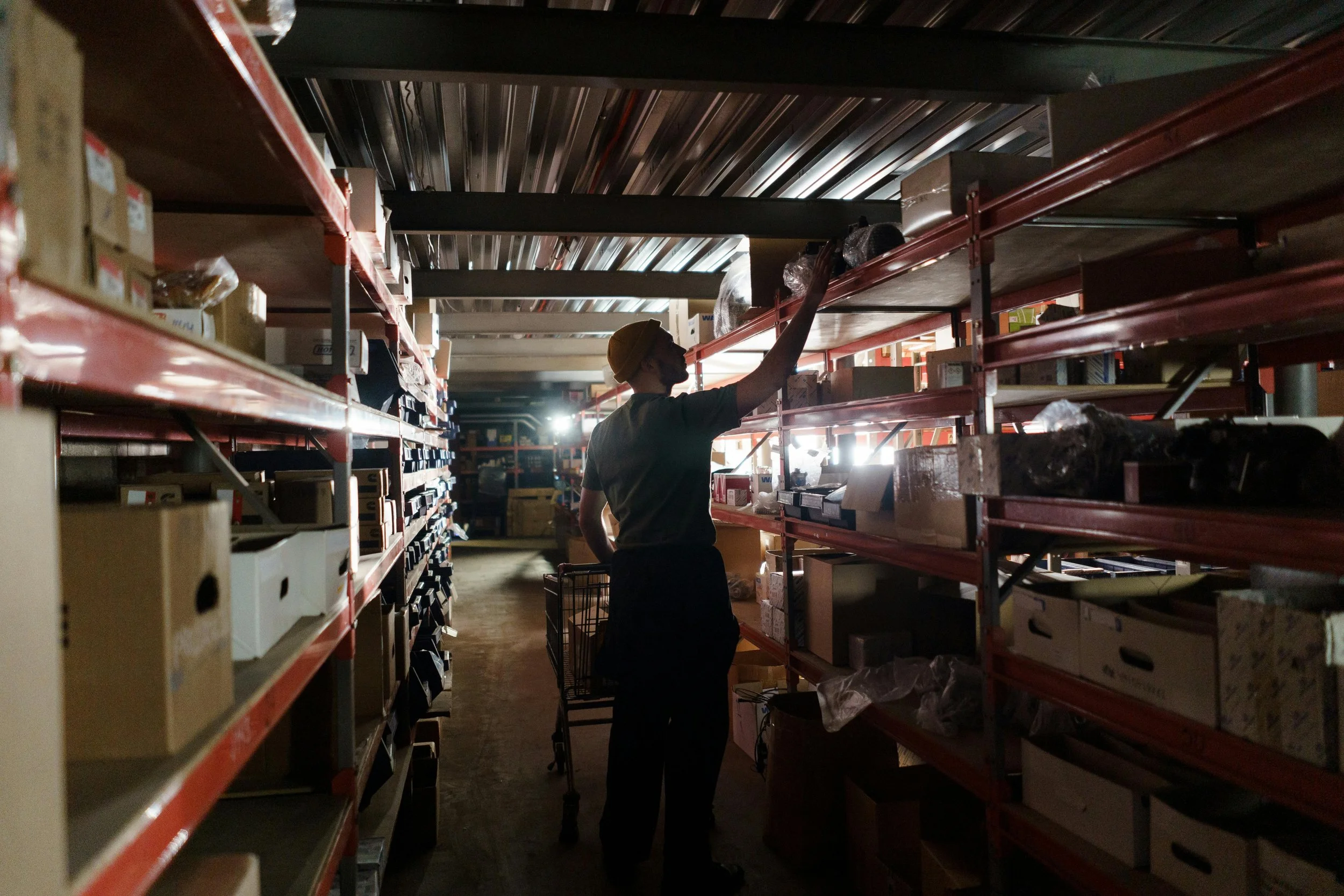
Smart cameras in warehouses track inventory levels automatically. They can read labels, identify stock-keeping units (SKUs), and monitor the flow of materials. This provides real-time, accurate inventory data, preventing stockouts of critical components and reducing excess inventory. It also streamills picking and packing processes by visually guiding workers or robots to the correct items.
Predictive maintenance support
While sensors track vibration and temperature, visual data provides another layer. Cameras can monitor equipment for early signs of failure, such as unusual smoke, leaks, or physical degradation like cracks or corrosion. Analyzing this visual data alongside sensor readings creates a more comprehensive predictive model, allowing maintenance to be scheduled before a breakdown disrupts production.
Ensuring safety compliance
Computer vision systems act as ever-vigilant safety supervisors. They can ensure that safety guards are in place on machinery, verify that lockout-tagout procedures are followed during maintenance, and monitor for unsafe worker proximity to dangerous equipment. This constant oversight helps enforce safety culture and protocol compliance.
Conclusion
The integration of computer vision systems is a decisive step forward for manufacturing. It transforms passive cameras into active, analytical tools that enhance every aspect of production. The benefits are clear: flawless products, faster and safer operations, and a stronger financial performance. As the technology becomes more accessible and powerful, its adoption will shift from a competitive advantage to an industry standard. For manufacturers looking to modernize, investing in robust computer vision solutions is no longer about future-proofing—it’s about thriving in the present, building smarter factories that see more, understand more, and produce better results.