Visuals are everything when we talk about games. So, whether you're working on a mobile game, indie title, or larger project, the quality of your 2D art services can make or break the player's experience. Choosing the right 2D artists or 2D game artists for your project is crucial to ensuring that your game has the right look and feel, aligns with the game's vision, and appeals to your target audience.
With so many options available in the market, the process of selecting the best 2D art services can seem overwhelming. One of the most effective ways to assess the capabilities of potential artists or studios is by carefully reviewing their portfolios. But what exactly should you look for in a 2D art portfolio? How can you ensure that the art team you choose aligns with your vision and needs?
This comprehensive guide will walk you through the key factors to consider when assessing 2D art services portfolios, helping you make an informed decision.
Why Portfolio Assessment is Crucial for Choosing 2D Art Services
A portfolio is a window into an artist’s capabilities, style, and versatility. It's the most direct way to gauge whether their work aligns with the artistic vision for your game. For 2D game artists, the portfolio should not only showcase their technical skills but also demonstrate their ability to adapt to different art styles and convey the emotional tone of a game.
Research proves that art style is one of the most important factors in their gaming experience. This highlights the importance of choosing the right 2D art services to create a visual experience that resonates with players.
Key Factors to Look for When Assessing 2D Art Services Portfolios
When browsing portfolios of 2D artists or 2D game artists, it’s essential to have a clear set of criteria in mind to help you identify the right match for your project. Below are the key factors you should focus on when evaluating portfolios.
1. Consistency in Art Style
The first thing to assess in a portfolio is consistency. Art consistency is crucial for ensuring a cohesive and immersive experience in your game. A 2D artist or 2D game artist should demonstrate their ability to create a unified look throughout all the visual elements, including characters, environments, icons, and animations.
What to Look For:
Uniformity in visual style: Does the artist stick to a consistent color palette, shading technique, and level of detail throughout different assets?
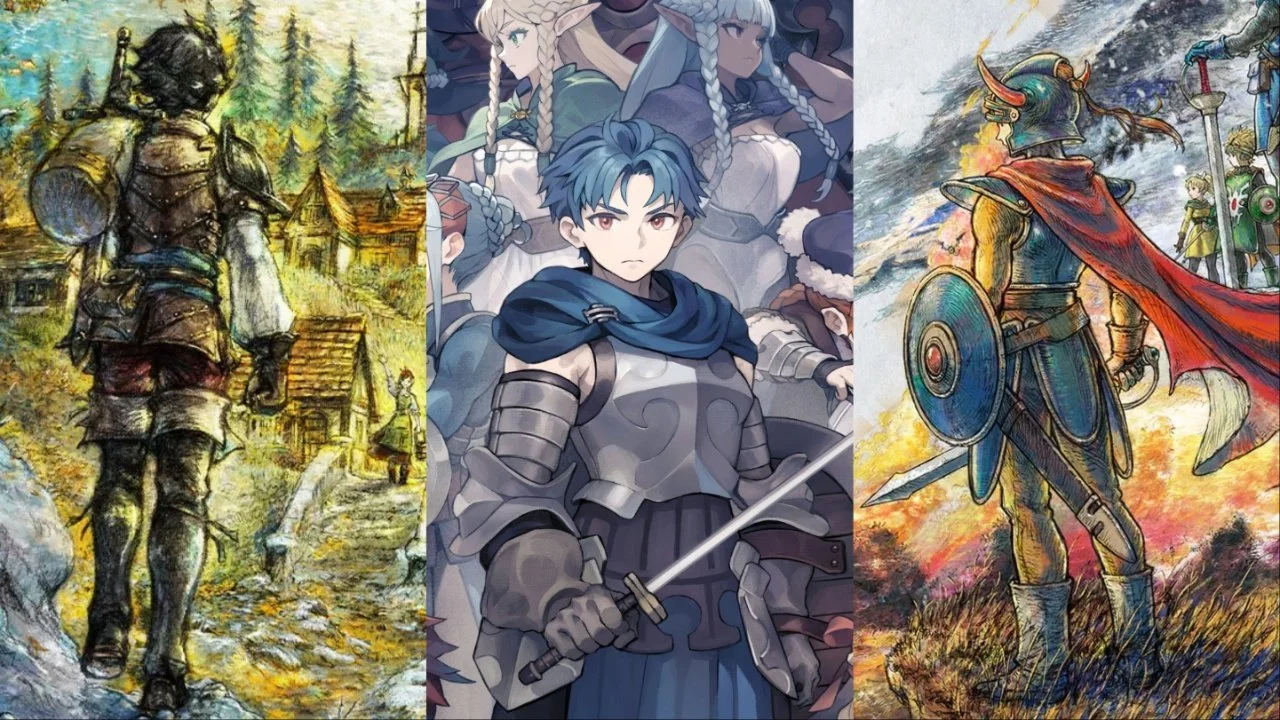
Adaptation to the game’s tone: Ensure the style matches the mood or theme of your game. For example, a vibrant, cartoonish style may suit a casual mobile game, while a darker, more realistic approach may be appropriate for an action RPG.
Pro Tip: Pay attention to how the artist adapts their style across different projects. A portfolio that shows flexibility in adapting to various genres or client needs is a good sign of a versatile 2D artist.
2. Versatility in Art Assets
A good 2D game artist should be capable of creating a wide variety of art assets, ranging from characters and environments to UI elements and icons. Versatility is important, especially for projects with complex requirements that need different kinds of visual elements.
What to Look For:
Character design: Evaluate the diversity in character design. Does the artist create distinct and memorable characters that could work well in your game?
Environment design: Does the artist excel in crafting environments that feel alive and immersive, fitting within the game’s world?
UI design: A well-rounded artist should be able to design intuitive and visually appealing user interfaces (UI) that align with the game’s style.
Pro Tip: If your game has a unique visual concept (such as a steampunk or fantasy world), make sure the artist can bring your world to life with a similar level of detail and creativity across all assets.
3. Attention to Detail
The level of detail in the art assets can drastically impact the overall player experience. High-quality 2D art services are known for their meticulous attention to detail, whether it's in character design, background artwork, or small UI elements. Small details can make a big difference in enhancing immersion and storytelling.
What to Look For:
Character details: Are the characters well-defined with visible expressions, clothing textures, and unique features?
Background environments: Do the environments feel fully realized with depth, texture, and dynamic elements?
Iconography and UI elements: Even the smallest icons and buttons should be crisp, consistent, and aligned with the game’s design language.
Pro Tip: Look for portfolios that showcase work in both high resolution and low resolution formats, as 2D art often needs to adapt to various screen sizes and pixel requirements, especially for mobile games.
4. Understanding of Animation and Motion
In modern 2D games, animation plays a crucial role in bringing characters and environments to life. Whether it’s for character movements, environmental changes, or UI animations, understanding how to apply motion is a key skill for 2D game artists.
What to Look For:
Character animation: Does the portfolio show smooth, believable character animations that reflect the personality and actions of the character?
Environmental animations: For games with dynamic environments, does the artist show examples of animated backgrounds or weather effects?
UI animations: UI elements that move, such as buttons, menus, or progress bars, should be fluid and aligned with the overall game’s aesthetic.
Pro Tip: Even if the artist’s portfolio doesn’t include animation work, ask if they have experience with it. Some 2D artists focus purely on still images, but many can also apply their art style to animated elements.
5. Portfolio Diversity and Project Range
A great 2D art services provider should have a diverse portfolio that demonstrates their ability to adapt to various game genres, platforms, and artistic styles. Whether it’s pixel art, vector art, or more traditional hand-drawn designs, the artist should be able to handle different styles and approaches based on your game’s needs.
What to Look For:
Range of genres: Does the portfolio include different types of games, such as platformers, RPGs, or mobile puzzle games? A well-rounded artist will showcase a variety of styles for different genres.
Art techniques: Evaluate the diversity in techniques and tools used, such as vector art, hand-drawn sketches, or pixel art. The artist should be able to tailor their approach based on the game’s style.
Platform adaptability: Ensure the artist can produce art that works across various platforms, from mobile screens to console-sized displays.
Pro Tip: Choose a 2D game artist who can demonstrate experience with your game’s platform. For example, mobile games often require simpler, clearer art, while console games may call for more detailed, expansive visuals.
6. Quality of Presentation and User Experience
A strong portfolio not only showcases great artwork but also presents it in an organized, user-friendly manner. As you review potential 2D art services, take note of how well the portfolio is organized and how the artwork is displayed.
What to Look For:
Organized sections: Look for a portfolio with clearly defined categories such as character design, backgrounds, animation, and UI elements.
High-quality images: Art should be presented in high resolution to allow for a full appreciation of the detail and quality.
Easy navigation: The portfolio should be easy to navigate, making it simple to find specific types of work.
Pro Tip: A clean, professional portfolio often reflects the artist’s approach to their work. If the portfolio is well-organized, it’s a good sign that the artist is detail-oriented and takes their presentation seriously.
How to Assess a 2D Art Services Portfolio: Quick Checklist
| Criteria | What to Look For |
|---|---|
| Consistency in Art Style | Unified look across all art assets (characters, environments, UI) |
| Versatility in Art Assets | Ability to create different types of assets (characters, backgrounds, UI) |
| Attention to Detail | Intricate designs, clear textures, and visually rich environments |
| Animation and Motion Understanding | Smooth and believable character/environment animation and UI transitions |
| Portfolio Diversity | Range of genres, techniques, and platform adaptations |
| Quality of Presentation | Organized, high-resolution images and easy navigation |
Final Thoughts
Choosing the right 2D art services for your game development project can be the difference between creating a memorable experience and one that falls flat visually. By thoroughly assessing a potential 2D game artist or studio’s portfolio, you can ensure that their style, experience, and skill set align with your project’s needs. Remember to look for consistency, versatility, attention to detail, animation skills, and a professional presentation of their work.
Taking the time to carefully vet potential artists will pay off in the long run, ensuring that your game stands out visually and offers an engaging experience for players. So, start assessing 2D art portfolios today, and make sure to choose the right partner who can bring your vision to life with stunning, high-quality visuals.