To say I immediately jumped at the opportunity to review the new Carrie series would be a massive understatement. Not only is the book one of my favorite Stephen King novels ever, but I’m also what some would call a King stan. I just love whatever weird and bizarre stuff comes out of that weird and bizarre man’s creativity.
Still, I have a thing with King adaptations. As much as I love them, whenever they are worthy of my love (not that this matters much in the grand scheme of things), I also find myself very conflicted. Why? Because King adaptations oftentimes butcher the source material for the sake of, well, adaptability.
That’s why I was very on edge when I learned that Mike Flanagan was using Carrie as a basis for a new, modern, and ultimately, very different version of the story. To be clear, I don’t consider myself a purist; I know book elements cannot be adapted as they are written, and some changes need to be made. But as long as those changes align with the spirit of the novel, I let go of my reservations and sit back to enjoy an artist’s take on another artist’s work.
In Mike Flanagan’s case, I don’t know how to feel about it. It is not a faithful adaptation by a long shot, and I don’t think it stands well on its own as a pristine entertainment product, such as Kubrick’s The Shining, which is very different from the novel but is an amazing horror film. Here are my thoughts on Carrie.
Let’s start with the positives, since I’ve pretty much decided to take a massive dig at Flanagan’s Carrie without giving it a chance to fight back. The original Carrie story took place during the late 70s, so it is pretty “duh” to say that things have changed a lot. Clothing, teaching, technology, and, unfortunately, bullying. The latter plays a major part in the novel, and so it does in the miniseries.
Carrie White is not your average girl. She is a homeschooled gal born into a family of Christian fanatics who are overprotective and see the devil pretty much in everything, including their own sanctimonious bodies. This differs slightly from the book, as novel Carrie had been attending Ewen High School for years, where her strange demeanor and menstrual obliviousness become the target of relentless harassment. Miniseries Carrie’s misfortunes take place during her first year at the Chamberlain, Maine, school.
Various aspects of the novel, even some borderline verbatim dialogue, are included in the miniseries. Such is the infamous locker room scene, during which Carrie fully believes she is bleeding to death when she gets her first period. This event is a fine example of how the miniseries perfectly brings the almost 50-year-old book to modernity: every single girl in that locker room records Carrie’s breakdown with their phones, condemning her to an eternity of unwanted social media presence.
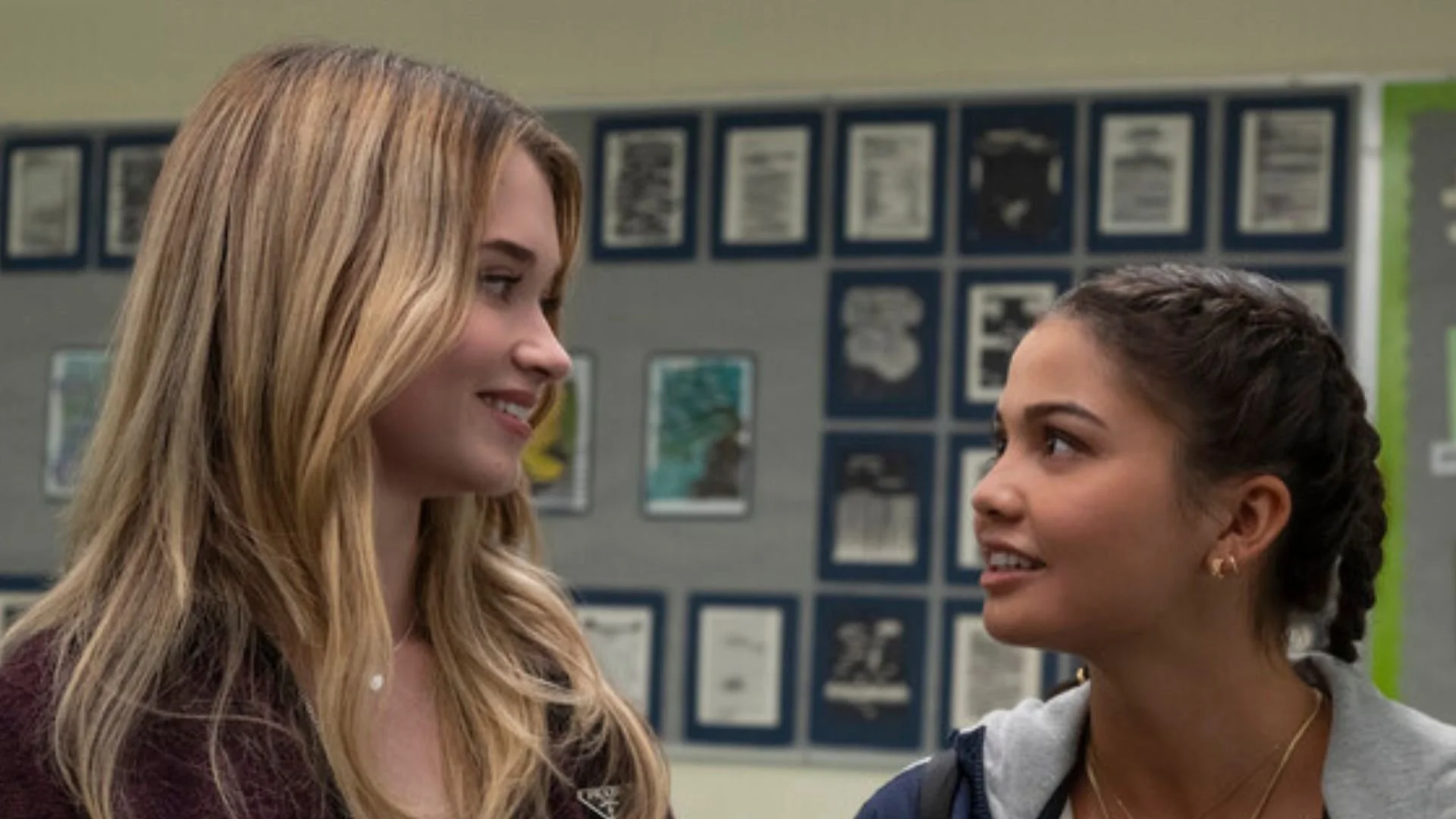
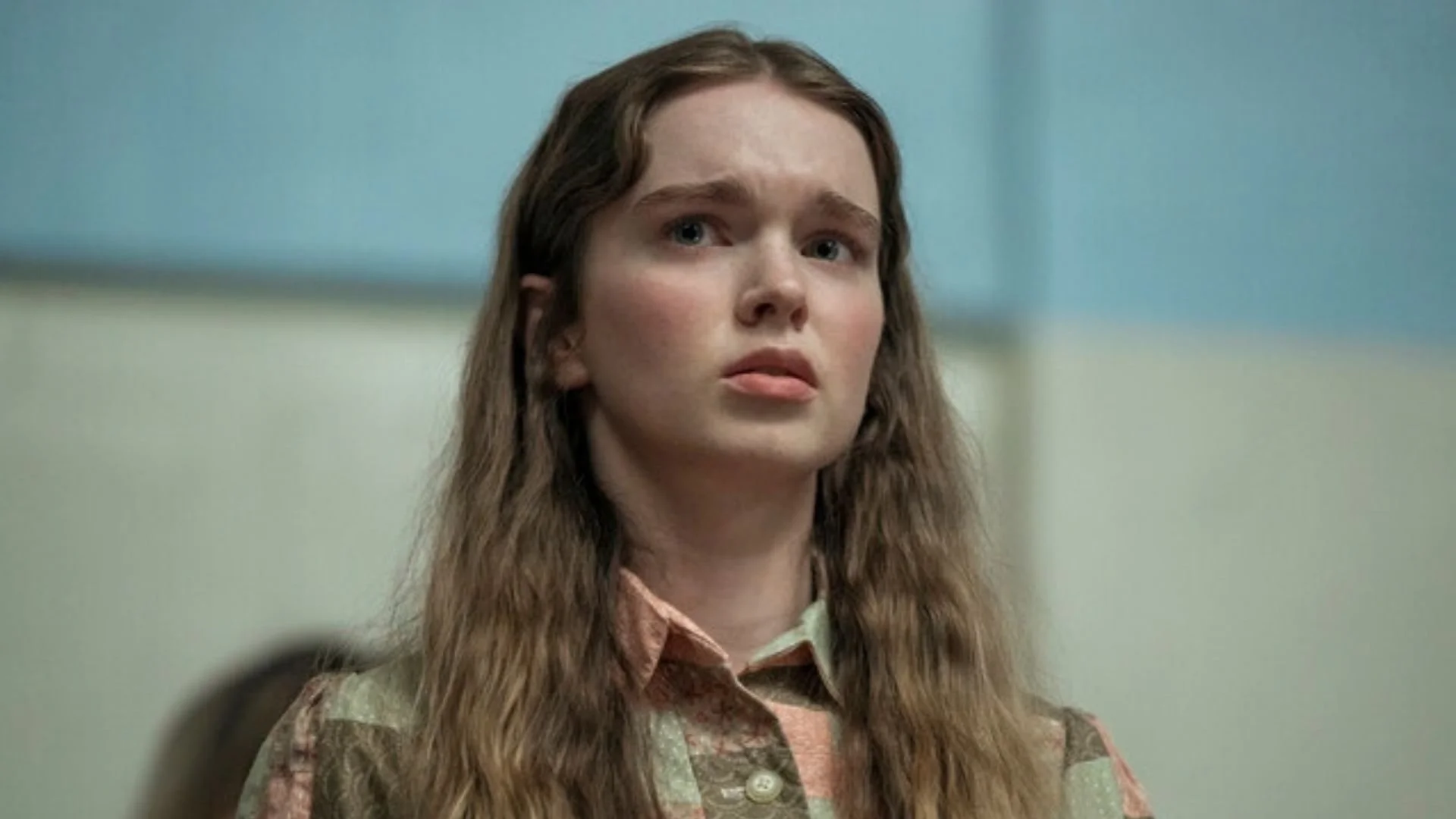
And while Carrie’s actress, Summer H. Howell, does a great job at playing this modernized version of Carrie, this scene makes the perfect introduction to Alison Thornton’s Chris Hargensen, the story’s main antagonist. Man, do I hate that girl with every fiber of my being. She does way worse things in the miniseries than in the book’s legendary Black Prom scene. And while I won’t spoil exactly what she does throughout all eight Carrie episodes, I can certainly say that she will earn your hatred as much as she earned the school’s.
Back to Carrie, she is the character who suffers the most changes, sometimes for better and sometimes for worse. While novel Carrie is essentially an alien with the occasional burst of normalcy, Flanagan’s Carrie is a lovely, curious, and often defiant teenager who, as she discovers her telekinetic powers, becomes more and more entranced by the sudden change of dynamics when it comes to relating to other students and their bullying. Howell does a great job of portraying the ever-changing Carrie, and you can sometimes gasp at the sudden shift in her look, stance, and voice inflections.
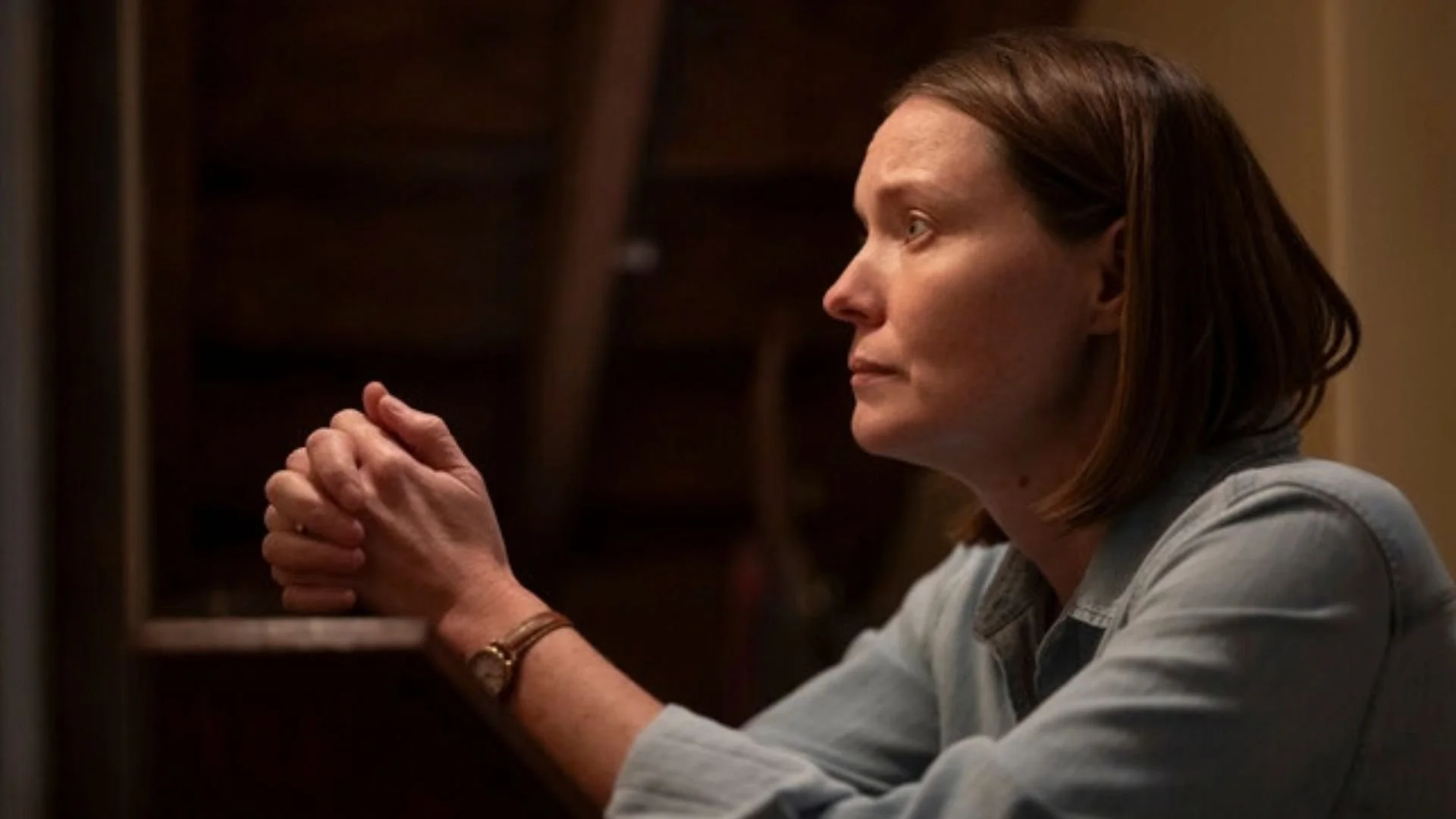
Actually, I lied. It’s Carrie’s mother, Margaret, who undergoes the biggest transformation during this book-to-TV translation. The lady in the books is a zealot, whose nonstop Bible quoting is only interrupted by the devastating verbal and physical abuse she subjects her daughter to. Of course, this remains in the miniseries, but to a degree of nuance that makes her rather reasonable, considering today’s real-life examples of political and parenting stances. The casting was phenomenal here, too, as Samantha Sloyan portrays a Margaret who can go from 0 to 100 in seconds, snapping from a loving, caring mother to a monster you would call CPS on.
I don’t believe there was a single miscast in the series, as every actor and actress did their job correctly, at a bare minimum. I did struggle to see Matthew Lillard as a figure of authority as Principal Henry Grayle, but maybe that’s just my Scooby-Doo bias talking. Michael Trucco as John Hargensen, Siena Agudong as Sue Snell, and Tim Bagley as Peter Morton are particular standouts.
And why do I focus so much on acting? Well, for starters, that’s what makes or breaks a show, but in Flanagan’s Carrie’s case, that’s what saved the show.
Flanagan never intended this to be a faithful adaptation at all. He decided, instead, to take the essence of the Carrie story and use it as a canvas, to which he added some brushstrokes to create a fresh story that grows upon what King wrote back in the ‘70s. And when I say some, I mean a lot.
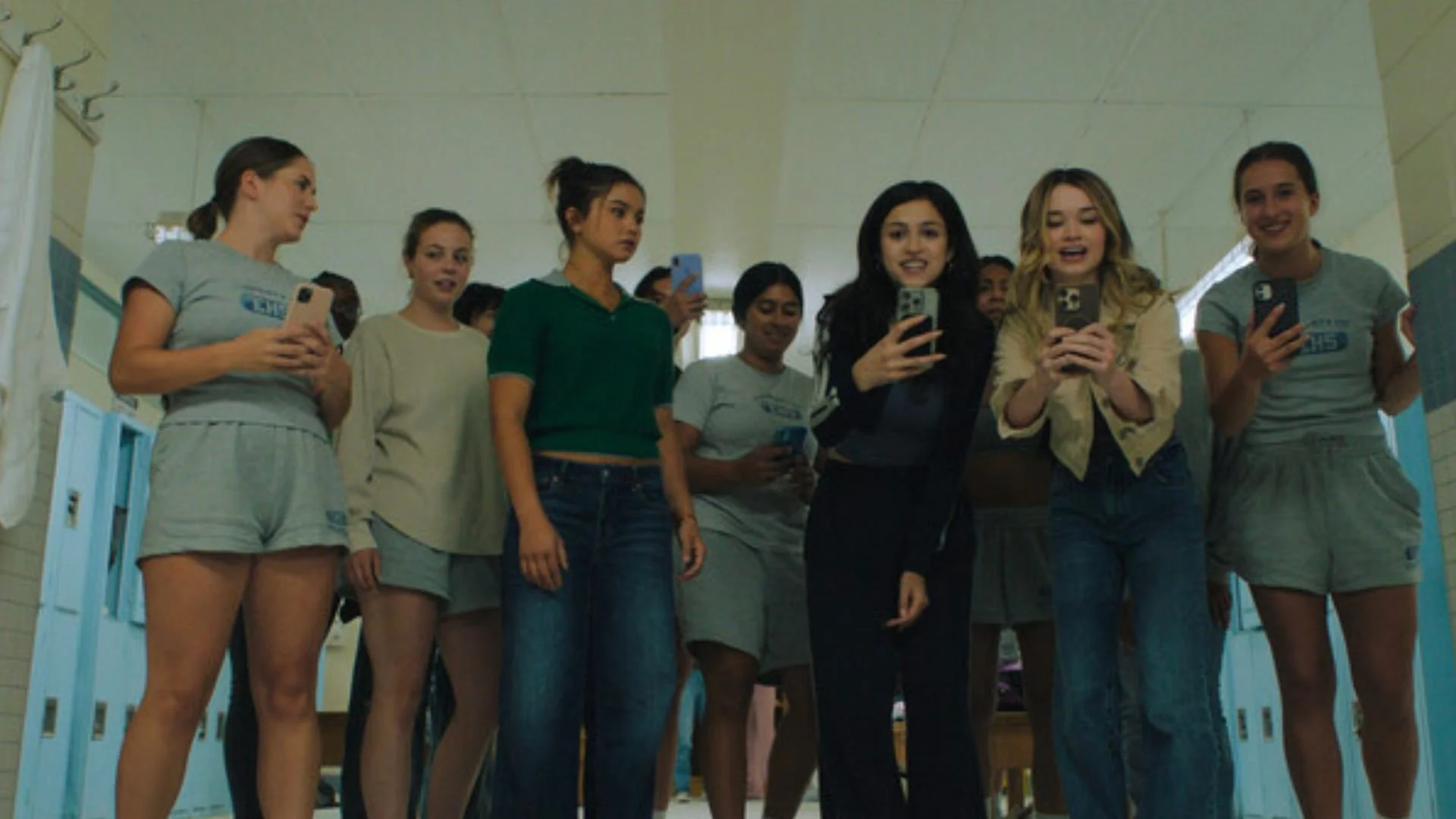
Technology and social media transform a classic bullying extravaganza into an all-out war, where every single character, including Carrie, battles each other to save face in the most toxic school environment on the planet. And yes, it is intense, but sometimes it feels like Carrie takes a backseat amid all the drama and harassment. Which, to be honest, is not that far off from what King originally wrote, as Sue Snell’s character plays a major part in the book’s events, and so does she in the miniseries. However, the abundance of subplots and unnecessarily high-as-a-kite stakes make an arguably simple and short novel into an almost over-the-top, epic-proportion cinematic, sometimes preachy event that, quite honestly, fits in my “change the novel but never betray it” locker.
Talking about all the minor and major changes to the book would be spoiling the bejeezus out of your experience, but it reached a level of annoyance that I hadn’t reached since I saw Kubrick’s The Shining right after reading the King novel. While Kubrick’s film radically changes the characters to a degree where no one is recognizable, Flanagan’s Carrie changes the setting and circumstances so dramatically that it changes the simple message of the book, transforming it into an unravelable network of conspiracies that, as a result, changes the characters, too.
The thing is, Kubrick’s The Shining works as a film, whereas Flanagan’s Carrie struggles to sustain itself, taking turns rushing and dragging its plot lines to the point that it would make Terence Fletcher throw a chair at him without hesitation. And maybe retire from teaching. And being abusive to students.
Verdict
Do I hate Mike Flanagan’s take on Carrie? No. Do I hate that I can’t love it? For sure. Would I be a happier man if I could enjoy every single adaptation in the world without the need to constantly compare it to the source material? Maybe. But even though I’m not against taking creative liberties to make a book filmable, sometimes these are more akin to riding someone’s coattails than standing on the shoulders of giants such as Stephen King. He liked the show, though. I didn’t. So that’s that.