Gambling can look completely ordinary in one place and deeply unacceptable in another. That difference is not mainly about the games themselves. It comes from the stories a society tells about money, risk, self-control, and responsibility.
The internet has made gambling easier to access, so cultural norms show up in new ways. In Canada, for example, someone might casually say they want to play new casino games online after work, the same way they might talk about trying a new streaming show. In a community where gambling is frowned on, that same choice may feel private, or even like something to hide.
Culture Works Like an Invisible Rulebook
Most people learn their “normal” from everyday life. If you grow up seeing lottery tickets at the checkout, charity raffles at school, and betting discussions during sports, gambling can feel like regular entertainment. If you grow up hearing that gambling ruins families or breaks religious rules, even a small bet can feel like a serious mistake.
Laws and public messages reinforce this rulebook. When governments license gambling and run lotteries, gambling tends to look official and controlled. When gambling is restricted or illegal, it is often treated as a social threat. Over time, people absorb these signals until they stop noticing them.

Religion and Moral Ideas
Religious teachings influence gambling norms in many societies. In some Muslim communities, gambling is broadly prohibited, so the default expectation is that respectable adults avoid it. In other settings, gambling is not treated as a moral issue in the same way, so people may judge it more like any other paid leisure activity.
Even within the same country, moral attitudes can differ by family and community. Some families treat gambling as a harmless treat when it is occasional and small. Others see it as risky because it can slide into chasing losses, debt, and secrecy.
History Matters Too
A culture’s gambling norms often reflect its history with regulation. Canada is a good example of how fast norms can shift. Gambling was once more limited and often tied to specific exceptions. Over time, legal options expanded, and state-run gambling became common. When something becomes licensed, taxed, and publicly visible, it often feels more normal.
Normalisation
A big cultural effect is normalisation, meaning gambling becomes so visible that it feels routine. Ads, sponsorships, and constant availability can make gambling feel like part of sports, nightlife, or online life.
When gambling is normalised, people often misjudge how common heavy gambling really is. They compare themselves to an imagined average and assume their play is typical. This matters because “I’m normal” is one of the strongest reasons people do not pause and reassess.
Early exposure plays a role here, too. Many people first encounter gambling through low-stakes situations like raffles or casual pools. Those moments are not automatically harmful, but they teach that gambling belongs in everyday celebrations and group events.
Online Gambling
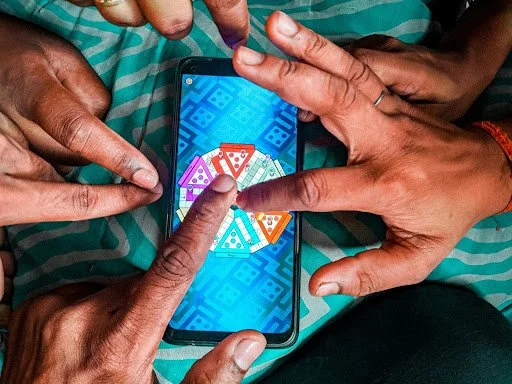
Online gambling removes friction. You do not need to travel; it is available at any hour, and it can be private. That convenience can be fine for many people, but it also makes it easier to gamble on impulse and to keep playing longer than planned.
It also changes what feels socially acceptable. If gambling happens on a phone, it is easier to blend into daily life. In cultures where gambling is already accepted, this can push gambling further into routine moments, like watching a match at home. In cultures where gambling is taboo, online access can increase secrecy, since a person can gamble without anyone noticing. Secrecy does not always lead to harm, but it can make it harder to spot when gambling is no longer just entertainment.
Stigma
Cultural stigma is often the biggest barrier to support. In some communities, admitting gambling harm feels like admitting personal weakness. In others, it can feel like bringing shame to the whole family. That pressure can delay help-seeking until the damage is severe.
Culture also intersects with stress and inequality. For some people, gambling becomes a coping tool during loneliness, financial pressure, or major life transitions. When gambling is framed as a normal escape, it can be easier to use it to manage emotions, not just to have fun.
A Simple Way to Stay Grounded
Decide your limit before you start, and treat it as entertainment money.
Avoid gambling when you are stressed, tired, or drinking.
Notice if you are gambling to fix a problem, especially money problems.
Keep gambling visible to yourself, such as tracking time and spending.
If gambling stops feeling fun and starts feeling necessary, talk to someone you trust or seek professional support.
Cultural attitudes toward gambling differ because cultures differ in how they view risk, pleasure, and responsibility. Once you see that, it becomes easier to understand why one person shrugs at a bet while another sees it as a red flag. It also becomes easier to judge your own habits by your real goals and limits, not by the crowd around you.