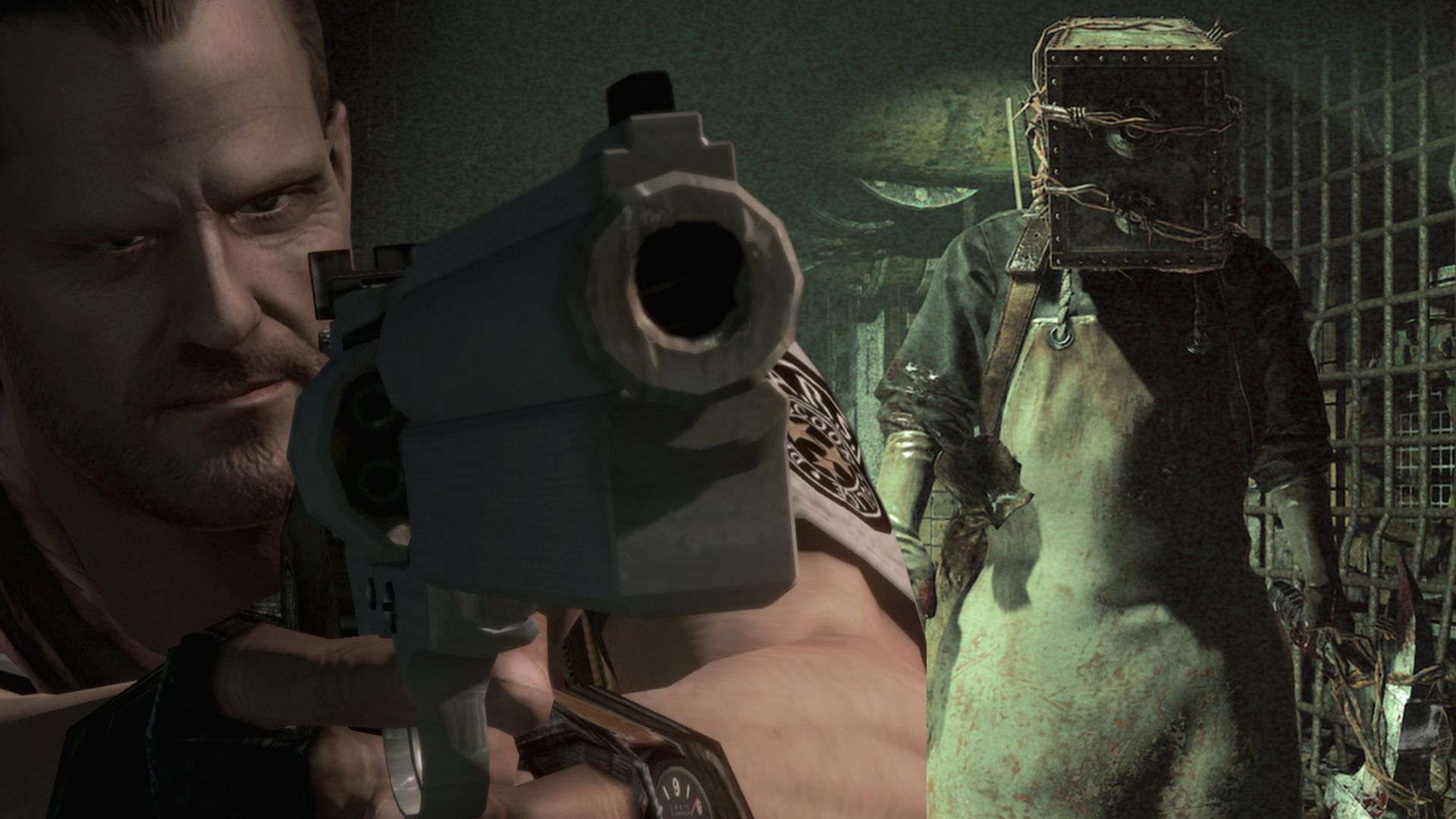
Modern horror game design has moved far beyond the era of predictable jump scares and grotesque monster models. By 2026, the industry has shifted its focus toward the psychological disintegration of the player's surroundings. This transition relies on the fact that the human brain is hardwired to seek patterns and stability. When a digital environment mimics reality with high fidelity but subtly violates the laws of physics or logic, it creates a state of cognitive dissonance that persists long after the screen is turned off.
The Mechanics of Environmental Gaslighting
The most effective titles now utilize what developers call environmental gaslighting. This technique involves making minute, nearly imperceptible changes to the game world while the player is occupied with a task. A door might move three inches to the left. A hallway might become slightly narrower each time the player traverses it. These shifts are too small to trigger an immediate alarm but large enough for the subconscious to register that something is wrong. This creates a baseline of anxiety that feels more authentic than the sudden appearance of a creature. This persistent manipulation of the setting ensures that the player can never truly trust their own eyes. It targets the hippocampal regions of the brain which are responsible for spatial memory and navigation. When the environment refuses to remain static, the brain experiences a form of low level trauma that prevents the player from ever feeling safe.
Liminality and Architectural Repetition
Digital architecture has become a primary tool for this sensory disruption. The rise of the liminal space subgenre proves that players are more disturbed by empty, familiar places than by fantastical dungeons. Developers have mastered the art of the uncanny through architectural repetition. Players often seek out Backrooms level explanations to make sense of why these endless, yellow tinted corridors feel so biologically threatening. The answer lies in the concept of spatial exhaustion.
Even the rare appearance of a backrooms entity becomes more psychologically effective in such environments, precisely because the space conditions the player to fear what might exist within it long before anything actually appears.
When a player cannot find a landmark or a point of exit in a space that looks like a mundane office or a school, the brain begins to reject the digital space as a simulation and treats it as a physical trap. This rejection happens because the architecture lacks the natural irregularities of the real world. By stripping away signs of life and history, developers create a void that the player’s mind tries to fill with its own deepest anxieties. The repetition of textures and sounds creates a hypnotic effect that dulls the senses before delivering a sudden, sharp subversion of expectations.
Biological Integration and Sensory Response
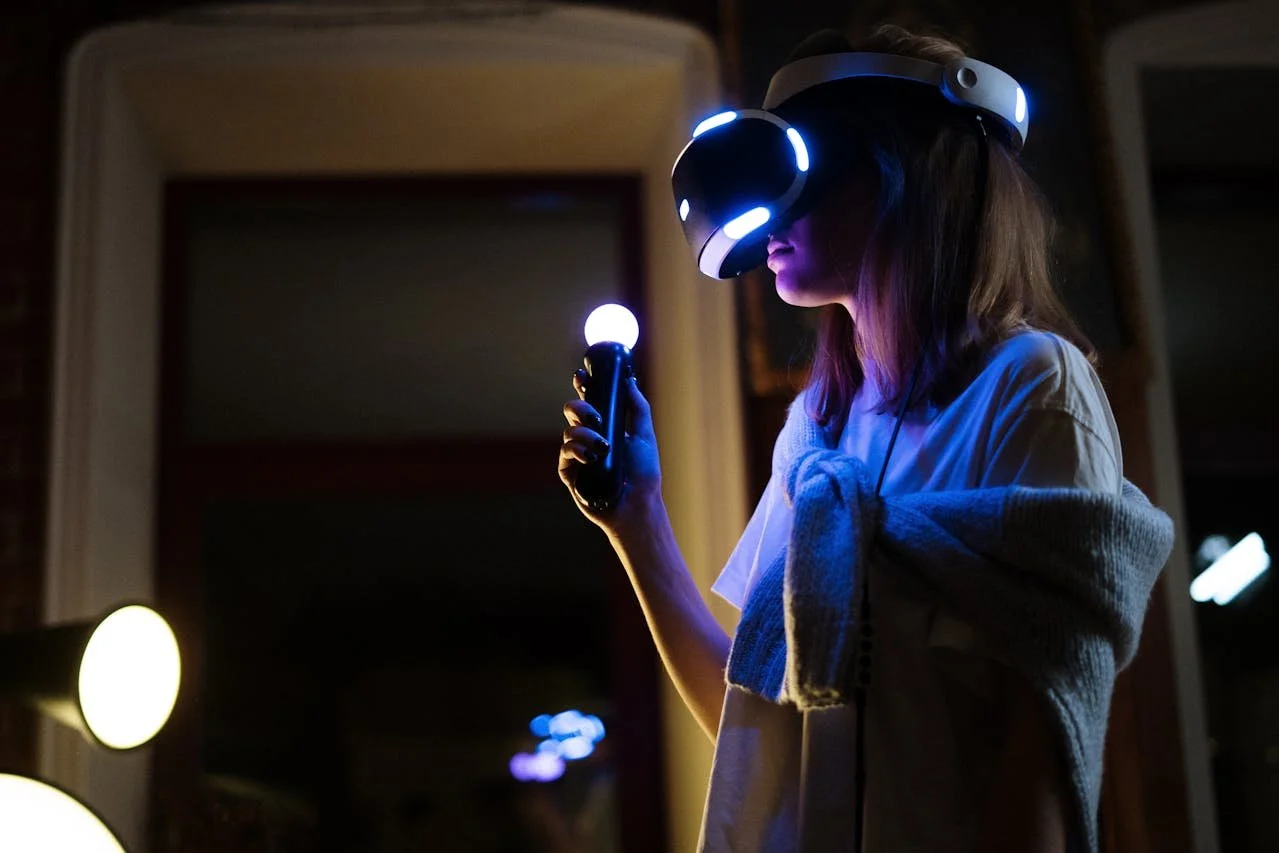
By 2026, the integration of advanced haptic feedback and eye tracking has intensified this effect. Contemporary hardware allows games to monitor exactly where a player is looking. If a player focuses on a specific object for too long, the game can trigger subtle visual distortions in the periphery of their vision. This simulates the natural fatigue and hallucinations that occur during sleep deprivation or high stress. The line between the player's physical body and their digital avatar becomes blurred when the game responds to their biological signals. If the software knows your heart rate is spiking, it can slow down the character’s movement or introduce a slight tremor to the camera, mirroring the player’s actual physical state. This creates a closed loop where the player's fear feeds the game and the game feeds the player's fear. The software is no longer a passive entity but a reactive system that adjusts its intensity based on the physiological data it receives.
Non Euclidean Geometry and Spatial Vertigo
The concept of non Euclidean geometry has also moved from niche experimental projects into mainstream horror. Engineers now build environments where turning three hundred and sixty degrees does not bring the player back to their starting point. In these games, walking through a door and then immediately walking back through it leads to a completely different room. This total collapse of spatial logic forces the player to abandon their reliance on real world navigation skills. It induces a form of digital vertigo that is difficult to shake off. The goal is to make the player feel like they are losing their grip on the internal map they usually maintain of their surroundings. This technique is particularly effective in virtual reality environments where the physical sensation of turning is contradicted by the visual output. The resulting nausea is often used as a narrative tool to signify the character’s deteriorating mental state.
Acoustic Engineering and Forced Silence
Sound design in 2026 has reached a point of terrifying precision. Spatial audio no longer just tells you where a sound is coming from; it mimics the way sound bounces off specific materials like wet concrete or hollow drywall. More importantly, horror games have started using silent intervals more effectively. The total absence of sound in a high fidelity environment creates a vacuum that the human mind desperately tries to fill. Players report hearing their own name or footsteps in their actual living room because the game’s audio landscape is so convincing that the brain continues to process it as real environment noise even during silence. Designers also utilize infrasound, which are low frequency tones that the ear cannot consciously hear but the body can feel. These frequencies are known to cause feelings of dread, chills, and even mild hallucinations. By weaponizing sound in this way, developers can manipulate the player's physical comfort without them ever knowing why they feel so uneasy.
Hardware Interaction and System Breach
Another layer of reality breaking comes from meta horror elements that interact with the player’s hardware. Modern titles might simulate a system crash or send a fake notification to a secondary device. This pulls the horror out of the game world and into the player's physical space. When a game appears to have access to your desktop or your smart home lighting, the safety of the screen is removed. You are no longer watching a character in a scary situation; you are the one being monitored by the software. This breach of the digital barrier is the ultimate tool for destroying the sense of reality. Some games go as far as to alter their own executable files or create new documents on the player's hard drive to suggest that the game's influence is spreading. This makes the computer itself feel like a haunted object.
Personalized Narrative and Algorithmic Fear
The narrative structures in current horror games have also evolved to be less linear and more modular. Instead of a fixed story, AI driven narratives adapt to the player's specific fears and playstyle. If a player shows a tendency to move quickly through open spaces, the game might begin to constrict those spaces or introduce obstacles that force a slower, more agonizing pace. This level of personalization makes the experience feel targeted. It creates the illusion that the game is sentient and is actively working against the player's comfort. By analyzing player behavior, the game can identify what triggers a specific individual’s flight or fight response. It then constructs a tailored experience that avoids generic tropes in favor of personalized psychological pressure.
Visual Fidelity and Domestic Terror
Photogrammetry has reached a point where digital textures are indistinguishable from photographs. In 2026, this level of realism is used to create mundane horror. A perfectly rendered, slightly dirty kitchen in a game can be more unsettling than a bloody torture chamber because the player recognizes the kitchen as a place of safety in their own life. Seeing that safety corrupted with such visual accuracy causes a visceral reaction. The brain struggles to categorize the image as just a game when every scratch on the floor and every reflection in a window looks exactly like the real world. This hyper realism makes the transition back to actual reality more difficult. The player may find themselves looking at their own furniture with a sense of suspicion because the digital equivalent was so convincingly haunted.
Perspective Distortion and the Body Cam Aesthetic
The shift toward body cam aesthetics has also played a significant role. By mimicking the low quality, shaky footage of a wearable camera, games tap into our modern association with real leaked footage or citizen journalism. The distorted lens and restricted field of view make the player feel like a passive observer of something they were not meant to see. This perspective creates a sense of voyeurism that feels more grounded in reality than the traditional first person view. It removes the feeling of being a powerful protagonist and replaces it with the feeling of being a fragile witness. The technical limitations of the body cam view, such as motion blur and light flaring, are used to hide things in the environment. This forces the player to squint and lean closer to the screen, physically involving them in the tension of the scene.
Permanent Instability and Procedural Logic
Procedural generation is now being used to ensure that no two playthroughs are the same. In the past, players could rely on walkthroughs or memory to navigate a game. Now, the environment is constantly rebuilding itself. This lack of permanence is a major factor in breaking the sense of reality. When the world behind you disappears as soon as you close a door, you lose the ability to ground yourself in a stable environment. This mimics the logic of a nightmare, where locations transition into one another without any physical connection. The lack of a static map prevents the player from ever mastering the game. It forces them into a state of perpetual vulnerability where every corner turned is a new and unpredictable threat.
The Residual Impact of Cognitive Dissonance
The psychological impact of these techniques is profound. Players often report a lingering sense of unease that lasts for days after finishing a session. This is known as the bleed effect, where the logic of the game world starts to influence the player's perception of the real world. After spending hours in a game where hallways change length, a person might find themselves second guessing the dimensions of their own hallway at home. This is the true power of modern horror; it does not just scare you while you are playing, it changes how you see your actual environment. The brain takes time to recalibrate after being subjected to such intense spatial and sensory manipulation. During this period, the real world can feel thin, fragile, or somehow wrong.
The Bottom Line
Horror in 2026 is no longer a genre of entertainment. It is a sophisticated manipulation of human perception. By combining architectural anomalies, biological feedback, and meta textual interference, developers have created experiences that bypass the rational mind. They target the primitive parts of the brain that handle orientation and survival. When these systems are repeatedly tricked by a digital simulation, the boundary between what is on the screen and what is in the room begins to dissolve. The ultimate goal of these games is to make the player question whether the reality they have returned to is as stable as they think it is. This marks a fundamental shift from external monsters to internal psychological breakdown. The horror is no longer what is in the dark; it is the realization that the light and the walls and the floor can no longer be trusted.