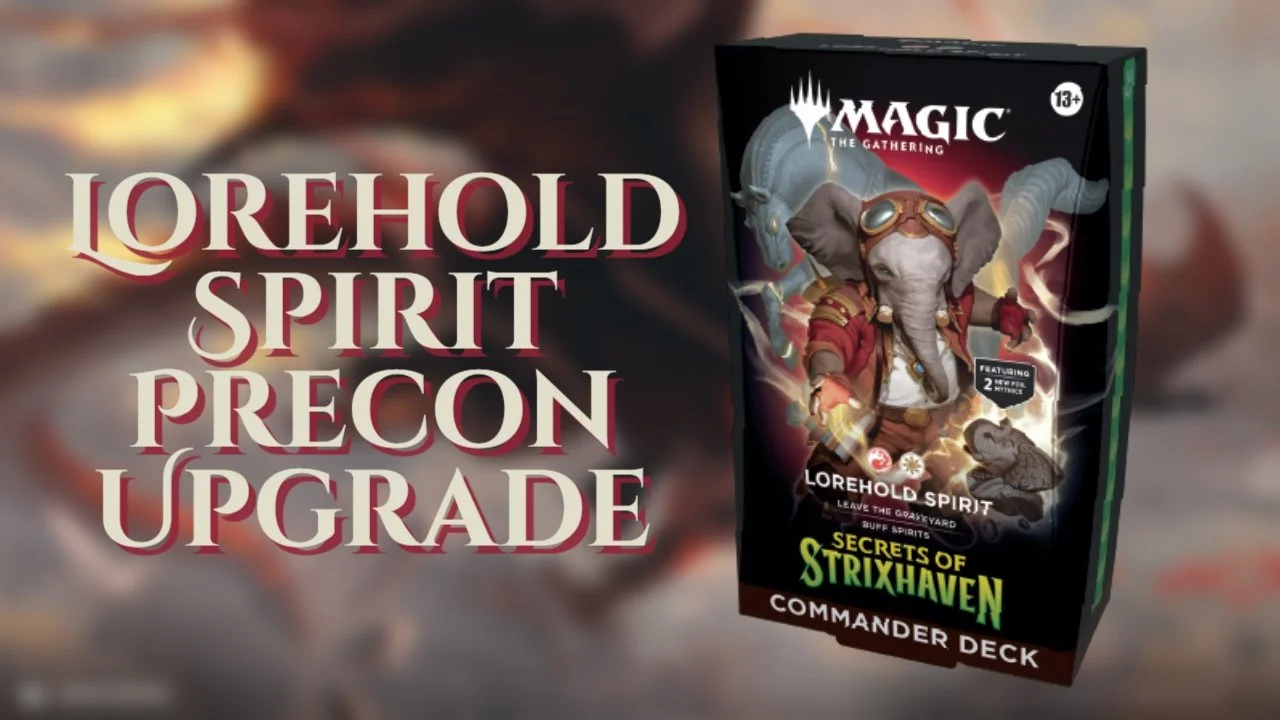
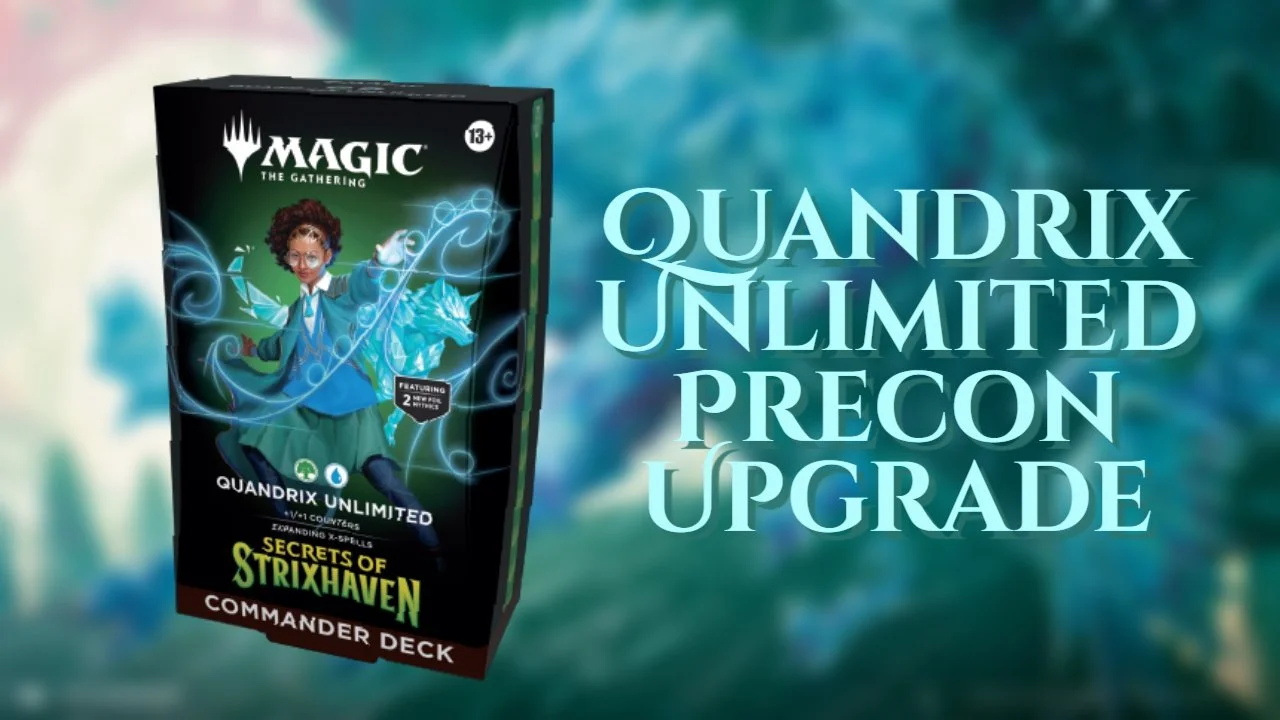
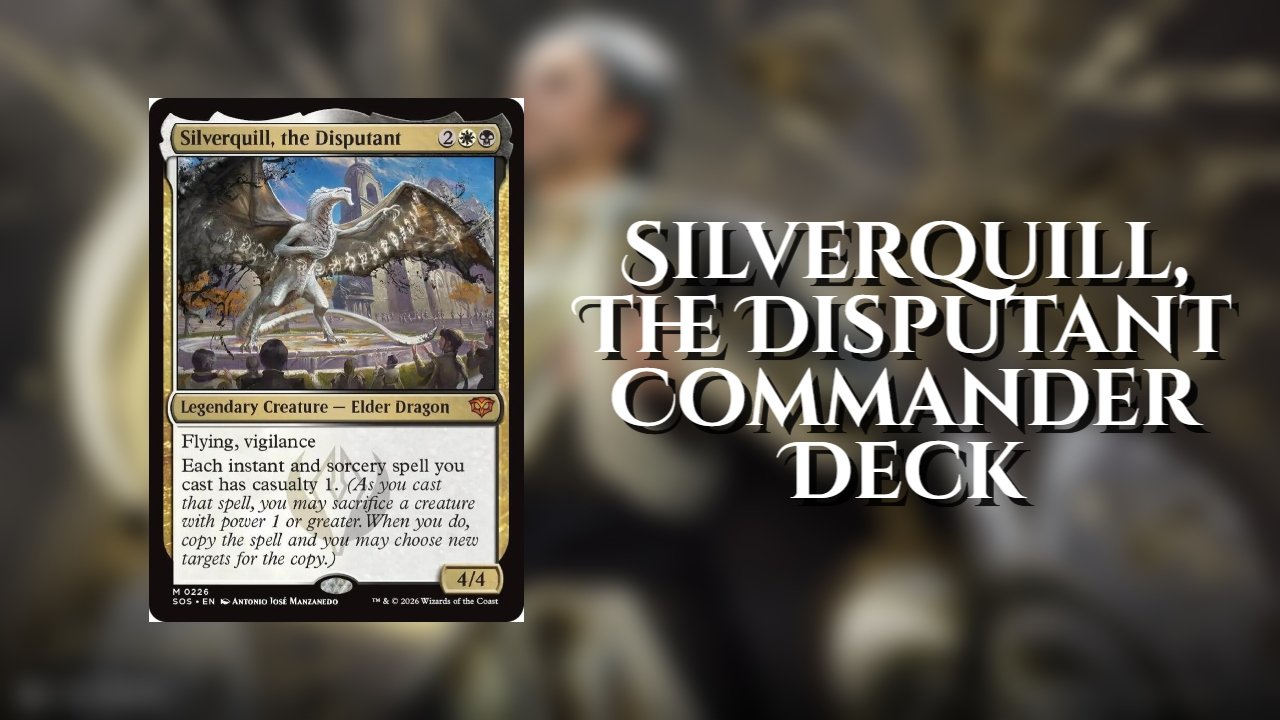
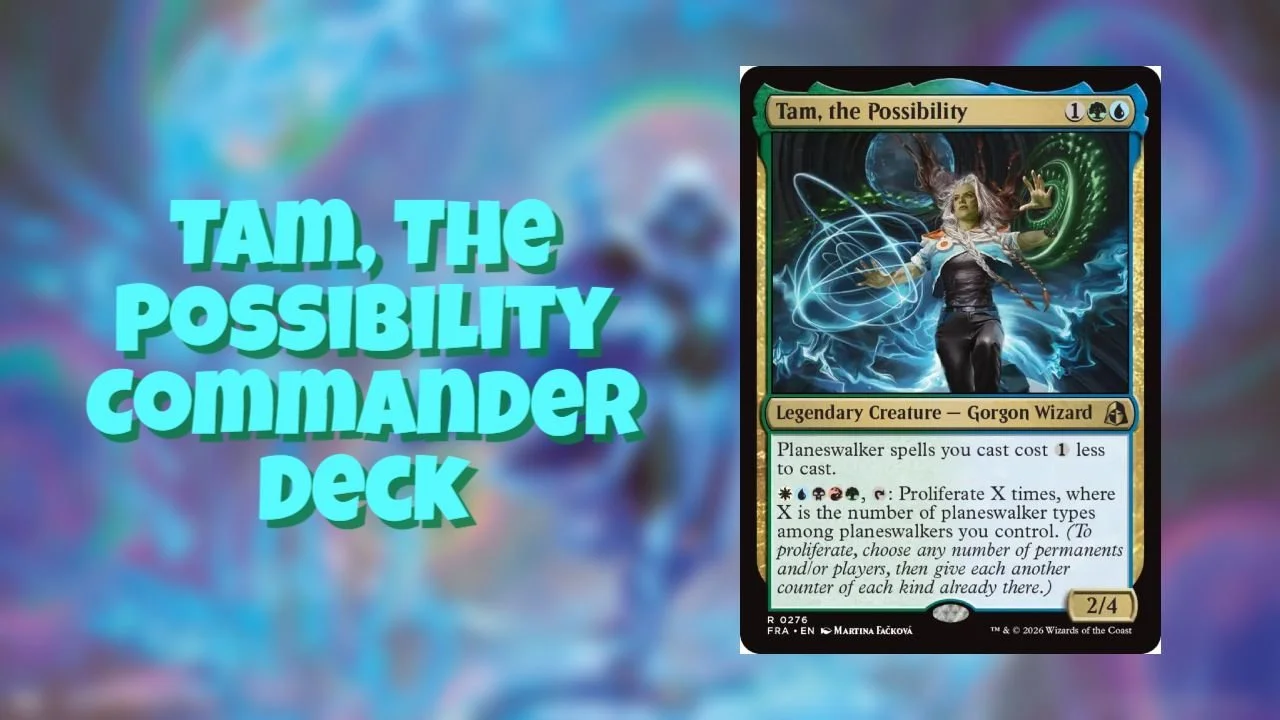
Secrets of Strixhaven is here, bringing us back to the magical plane of Archavios and its five iconic colleges. Just like the original Strixhaven release, each school is getting its own Commander precon, but this time around we are also seeing new and improved versions of the original Strixhaven commanders. These characters feel older, wiser, and more developed, and that progression shows up nicely in their card designs.
For this set of guides, we are starting with Silverquill Influence, the Black and White precon centered around Auras, aggression, and forcing your opponents to turn on each other. We’ll be covering upgrade guides for all five precons, so keep an eye out for Lorehold Spirit, Prismari Artistry, Quandrix Unlimited, and Witherbloom Pestilence as well.
Silverquill Influence deck overview
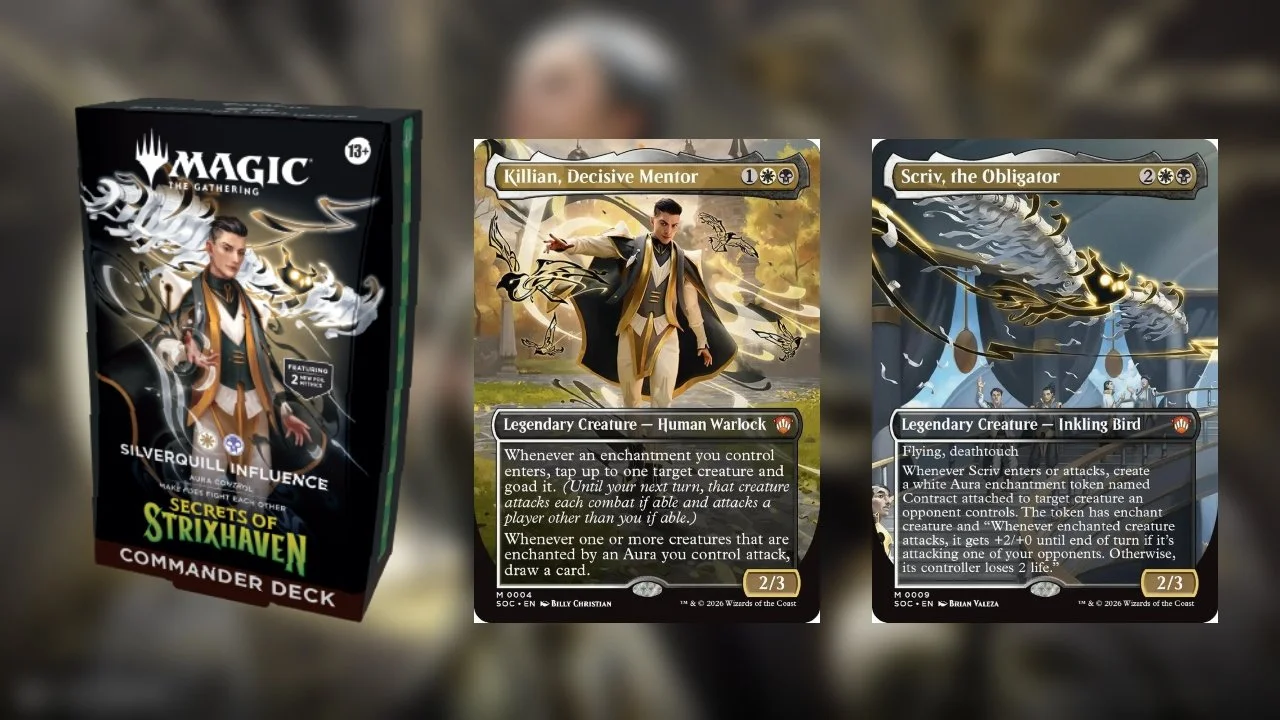
Silverquill Influence is not your classic Black/White Commander deck. Instead of leaning heavily into aristocrats, lifegain, sacrifice, or removal piles, this deck wants to play a much more political and aggressive game through Auras and goad.
The main game plan is simple: cast Auras, trigger your commander, and force your opponents’ creatures to attack someone who is not you. You are not necessarily playing aggro in the traditional sense where you are swinging with everything every turn. Instead, you are applying pressure by making the table do your dirty work for you.
That is also where the deck’s biggest weakness comes in. Silverquill Influence needs to keep its foot on the gas. Once you slow down, your opponents will quickly realize that you are the one causing all the chaos. If you are not consistently casting Auras and redirecting combat away from yourself, you can become the table’s target fast.
So, the goal of these upgrades is to help the deck do what it already wants to do, but more consistently. We want better mana, more enchantment payoff, ways to recover key pieces, and a little extra card draw to keep the engine moving.
How to upgrade Silverquill Influence
When upgrading Silverquill Influence, there are a few key areas to focus on:
First, the mana base can use a little smoothing. The deck leans heavily into white, especially with its Aura package, so trimming a couple of Swamps makes sense if we are replacing them with lands that also support the enchantment game plan.
Second, the deck wants more enchantment value. If your commander rewards you for casting Auras, then every enchantment you cast should ideally do more than just sit there. Adding cards that draw, recur, copy, or boost your board when you play enchantments helps make every turn more impactful.
Finally, the deck needs to avoid running out of steam. Goad decks can be very fun, but they can also become fragile if you do not keep the pressure going. These upgrades are meant to help you cast more Auras, reuse important enchantments, and punish opponents for being forced into combat.
Cards to add to Silverquill Influence
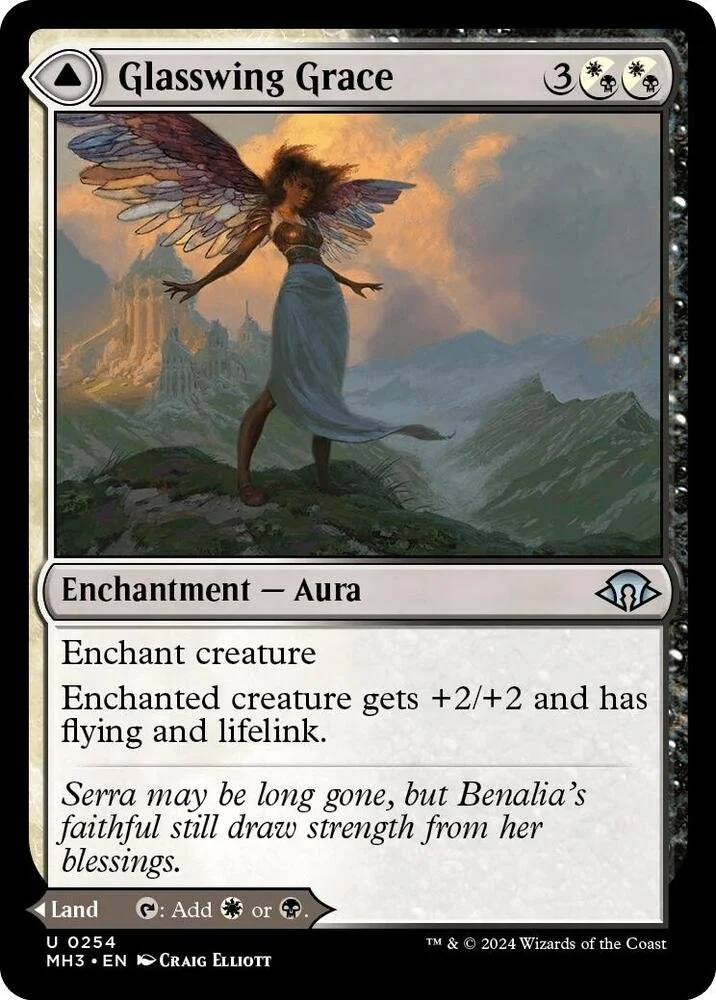
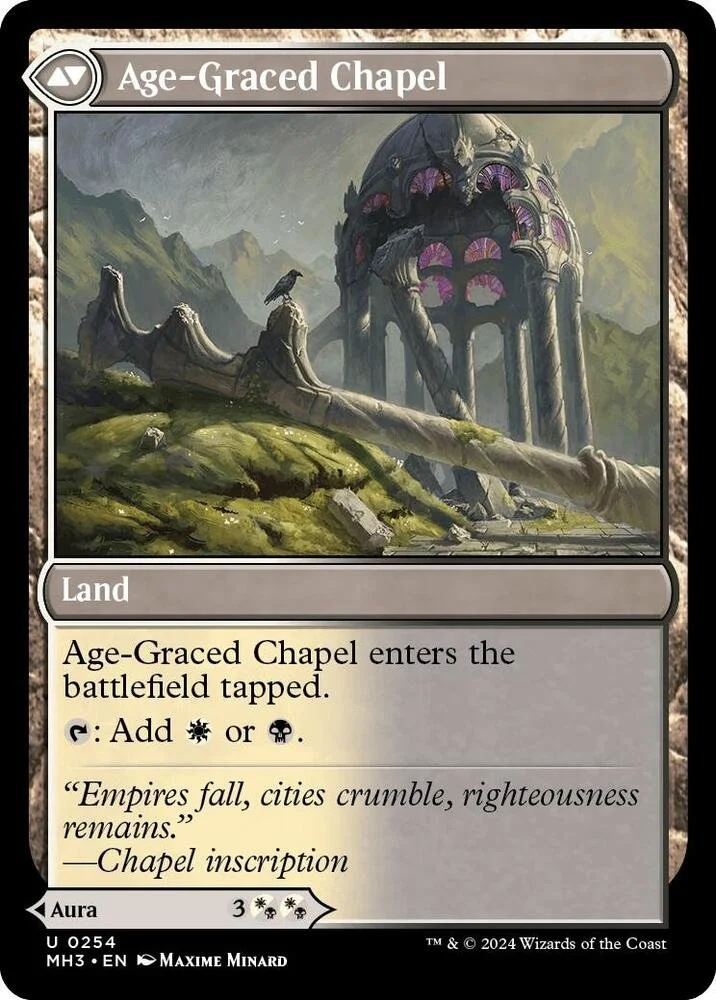
Glasswing Grace // Age-Graced Chapel - The kind of flexible card this deck wants. Early in the game, you can play it as a land if you need the mana. Later on, it can become an Aura that helps trigger your commander and keep the deck’s engine moving. It may not be the flashiest Aura in the deck, but having the option to use it as either a land or a spell makes it a great inclusion.
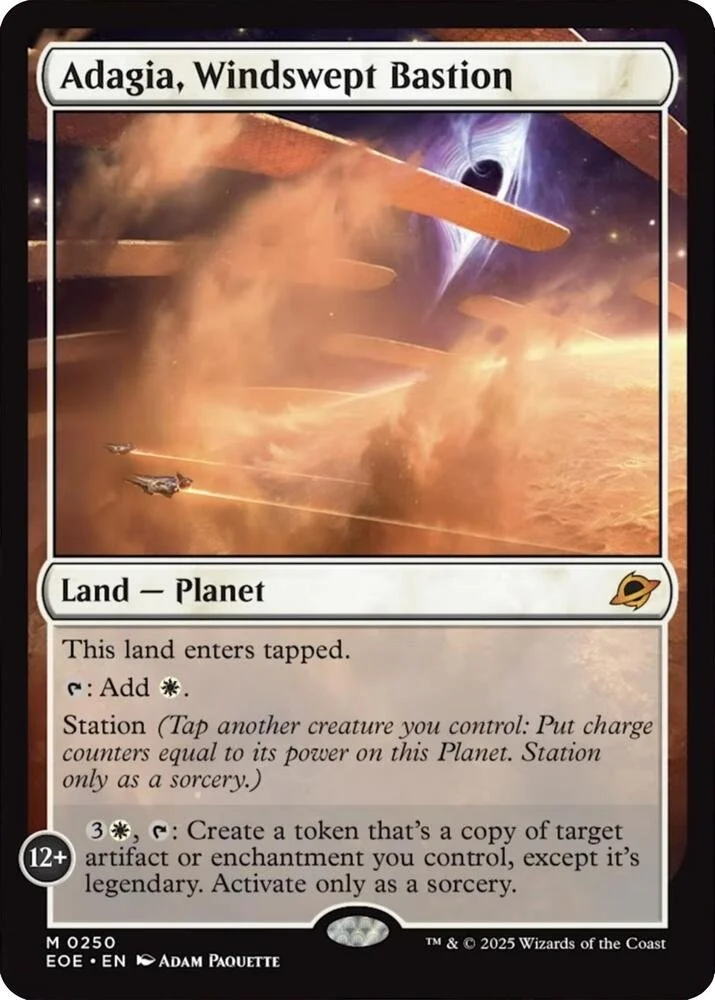
Adagia, Windswept Bastion - A strong land upgrade because it does more than just produce mana. Since this deck is already built around enchantments, having a land that can help copy enchantments gives you another way to double up on your best effects. It fits the deck’s theme while also helping you get more value without taking up a traditional spell slot.
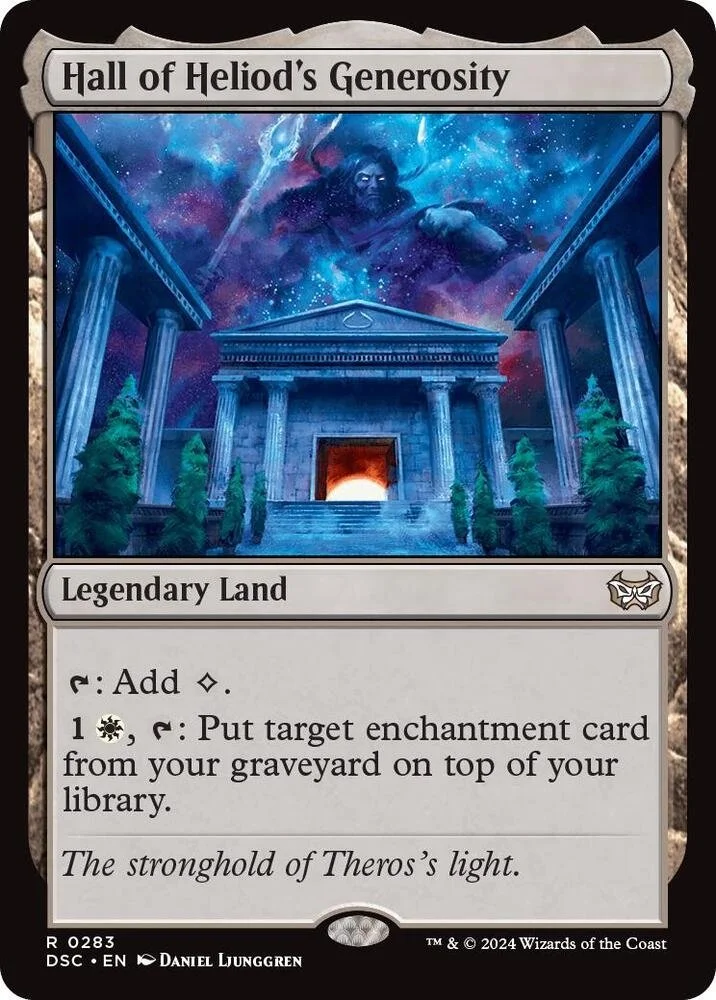
Hall of Heliod’s Generosity - A natural fit for an enchantment-focused deck. Your Auras and key enchantments are going to draw attention, and some of them will eventually hit the graveyard. This land gives you a way to bring those pieces back and keep your strategy alive even after removal.
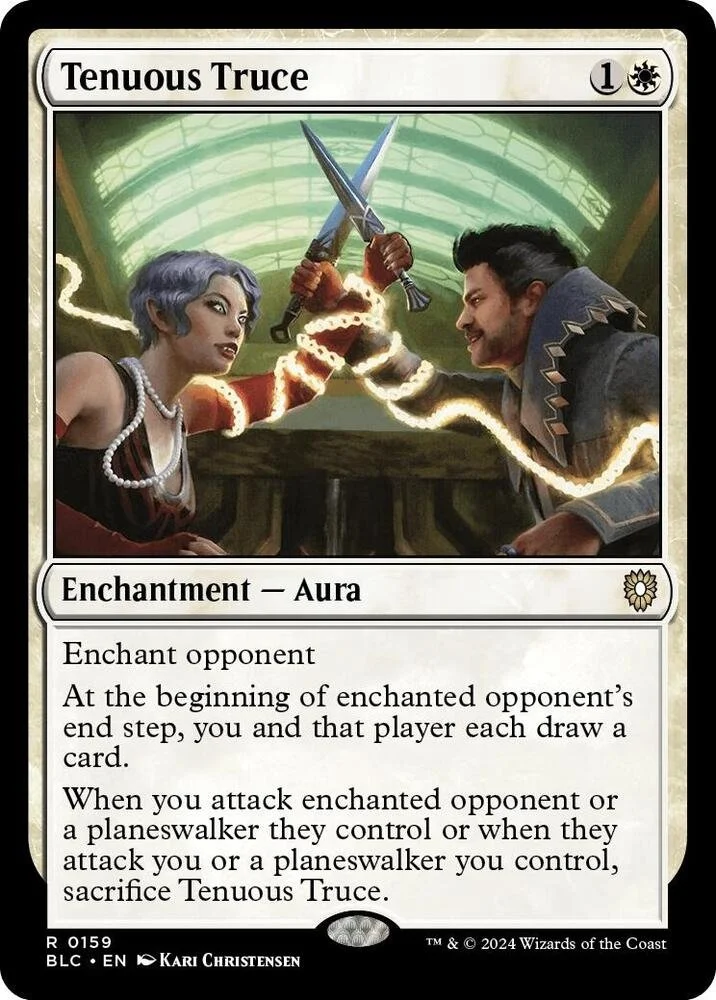
Tenuous Truce - A fun political card that fits the spirit of the deck well. Silverquill Influence is already trying to manipulate combat and make opponents attack each other, so adding a card that encourages table politics while helping with card draw feels right at home. It gives you another way to keep cards flowing while also leaning into the social side of Commander.
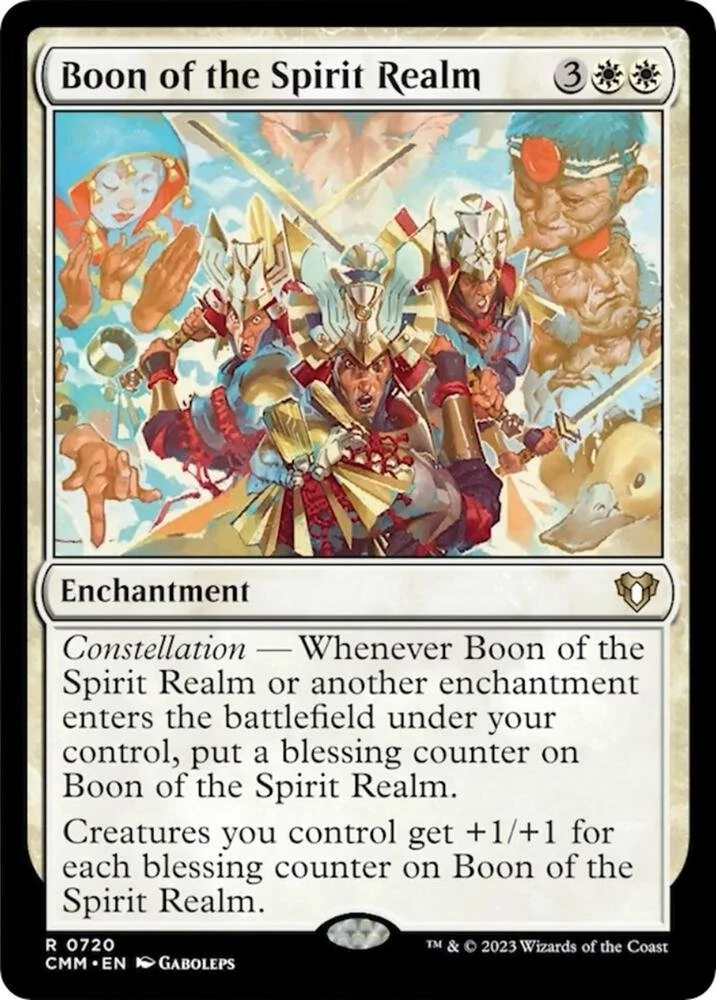
Boon of the Spirit Realm - This card can quickly become one of the scariest cards in the deck. Since you are already planning to cast enchantments often, this gives you a way to turn that strategy into a board-wide buff. The downside is that it will absolutely become a removal magnet, but that is not always a bad thing. If your opponents are spending removal on this, they may not be using it on your commander or other important pieces.
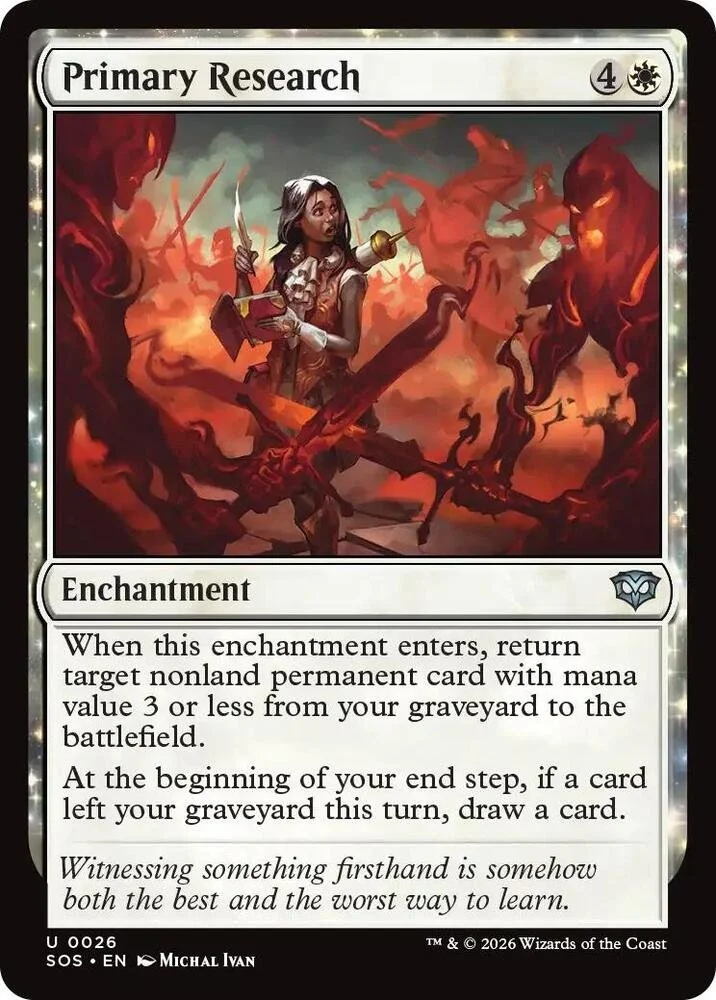
Primary Research - This card gives the deck more recursion and value. Being able to bring back nonland permanents is important in a deck where your enchantments and key support pieces are central to your plan. It also works nicely alongside the other recursion effects you are adding, helping the deck recover after removal and continue applying pressure.
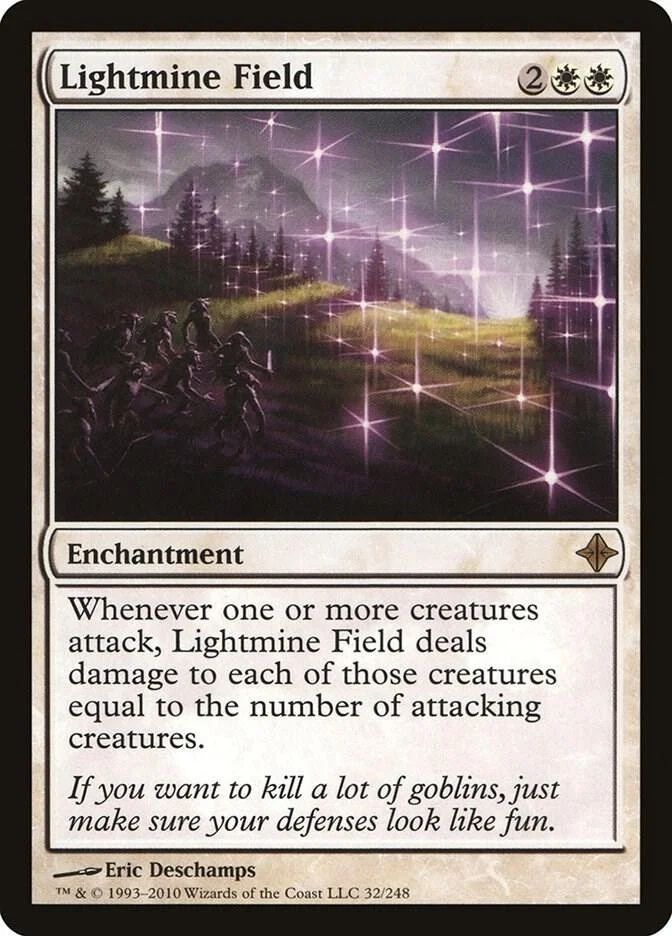
Lightmine Field - A great fit because it pairs beautifully with goad. If your whole strategy is forcing opponents to attack, then you might as well punish them for doing it. This makes combat more painful for your opponents and can turn their forced attacks into a much bigger problem than they expected.
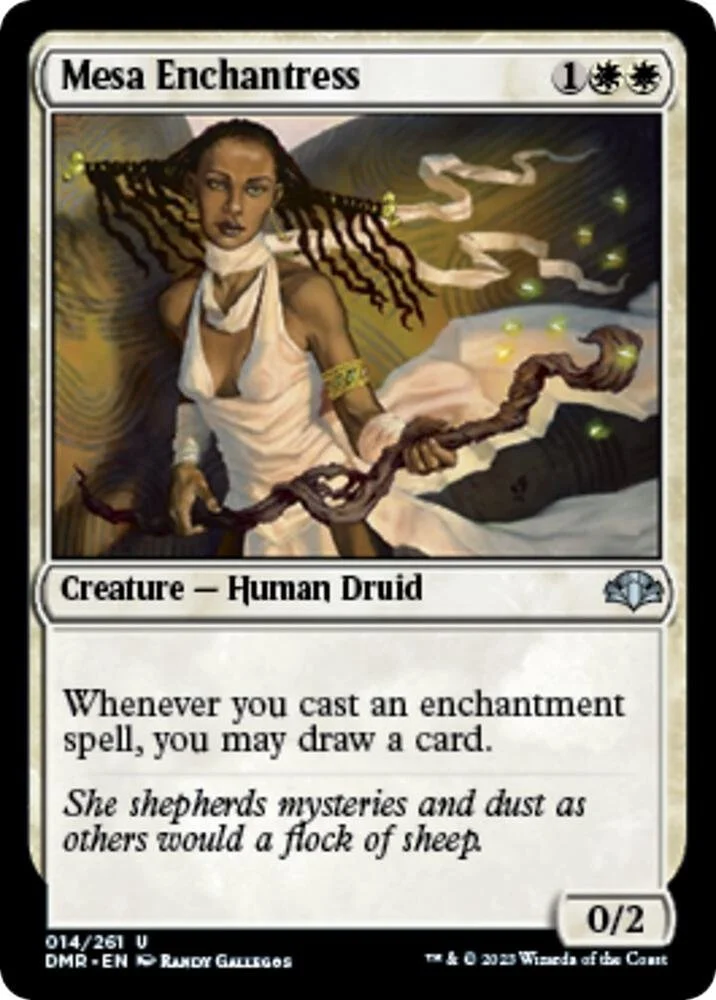
Mesa Enchantress - One of the cleanest upgrades for this kind of deck. You are already casting enchantments, so turning those spells into card draw is exactly what the deck wants. Silverquill Influence can run out of gas if it does not keep finding Auras, and Mesa Enchantress helps solve that problem.
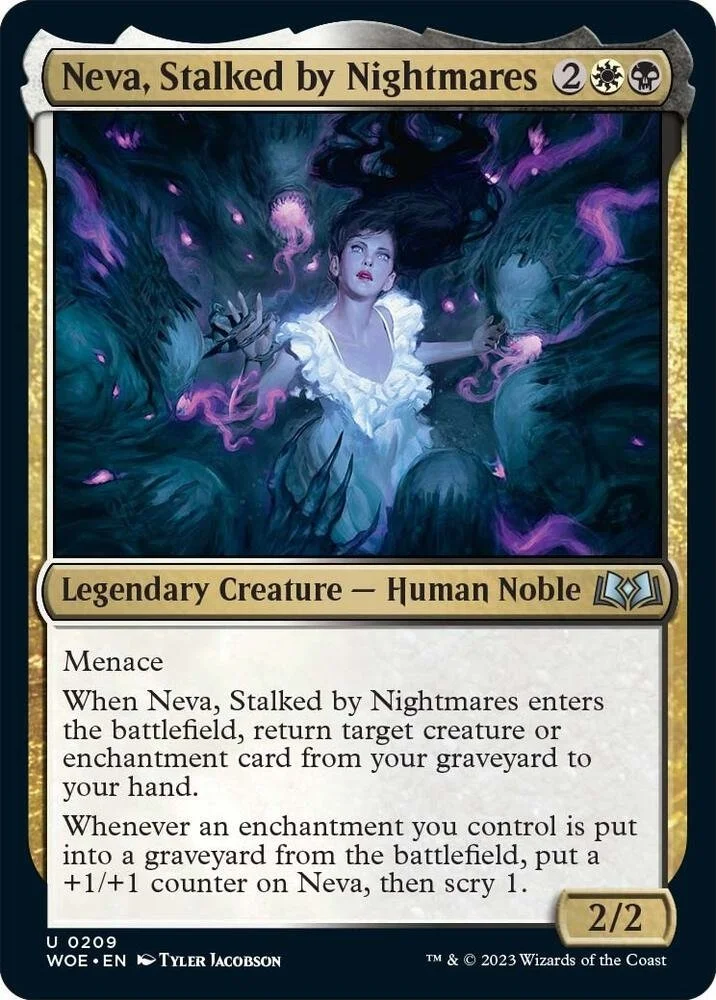
Neva, Stalked by Nightmares - A card that brings strong enchantment synergy and recursion to the deck. Being able to get back important creatures or enchantments helps you recover from removal and gives the deck a little more staying power. This is especially useful in a strategy where your best pieces may become obvious targets.
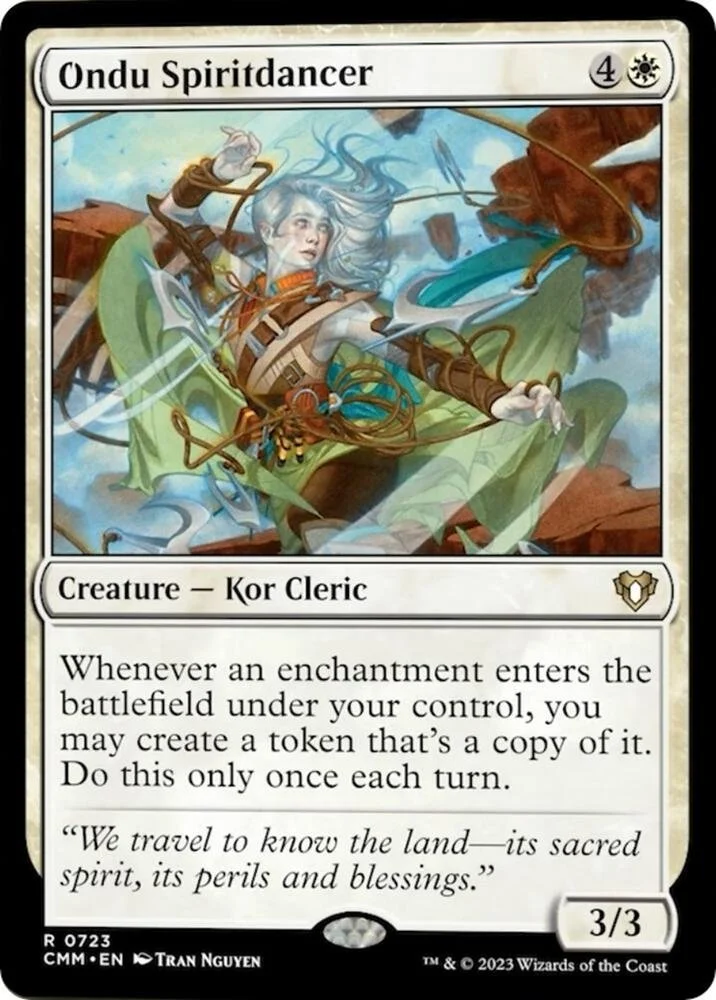
Ondu Spiritdancer - One of the most exciting additions because copying enchantments can get out of hand quickly. If you are copying the right Aura or value enchantment, you can double up on triggers and make your board much harder to deal with. In a deck that wants to cast and benefit from enchantments as often as possible, this feels like a natural upgrade.
Cards to cut from Silverquill Influence
Of course, if we are adding 10 cards, we need to make 10 cuts. These swaps are focused on making the deck more consistent, removing some of the less-focused token pieces, and keeping the strategy locked onto Auras, enchantment value, and goad.
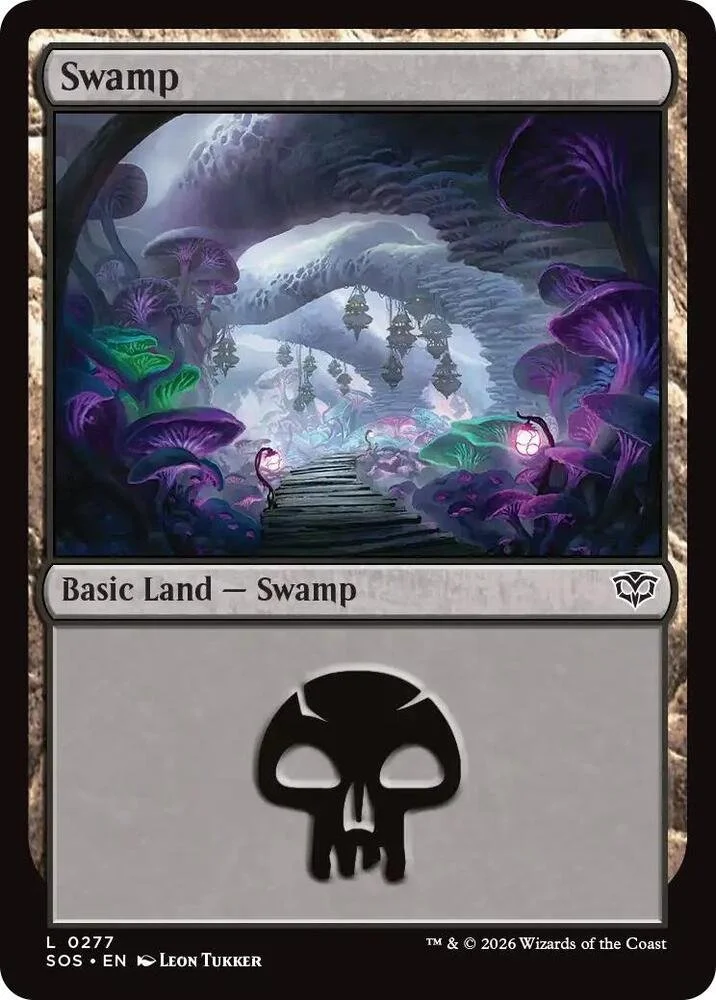
2 x Swamp - Cutting two Swamps makes sense here because the deck has more Swamps than it really needs, especially when the upgraded version is leaning more heavily into white enchantment support. You are not lowering the total land count either, since Glasswing Grace and Adagia, Windswept Bastion help fill those slots while also adding more synergy.
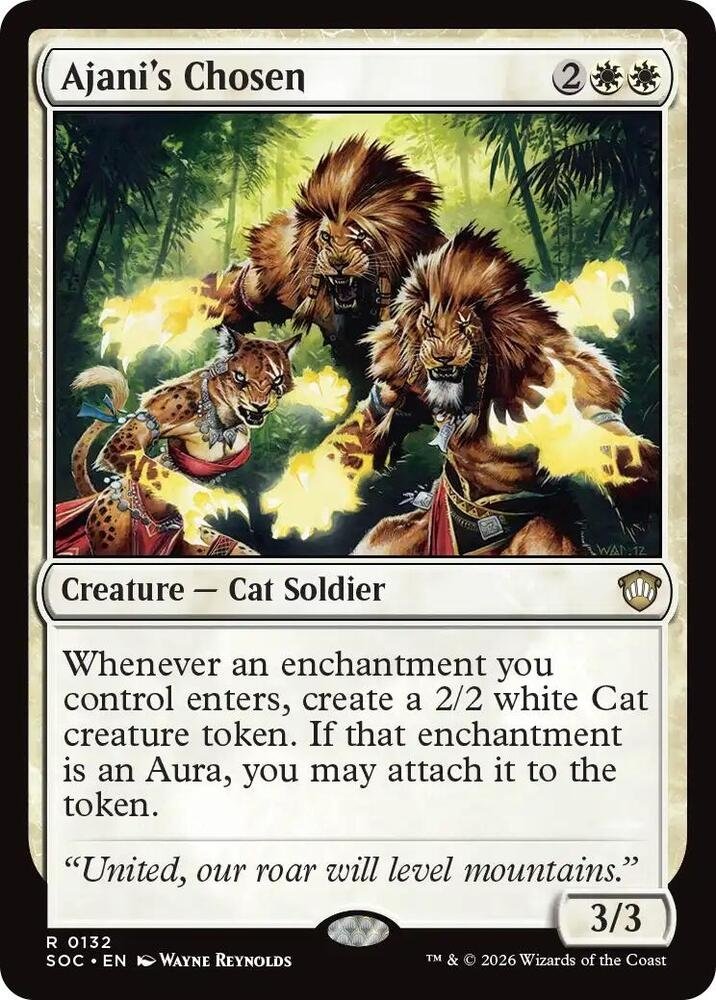
Ajani’s Chosen - This card can make tokens, but this deck does not really need to be a token deck. Making Cats off enchantments is nice, but it does not directly push the goad strategy forward enough. Since the deck is trying to win through pressure, Auras, and combat manipulation, this is an easy cut.
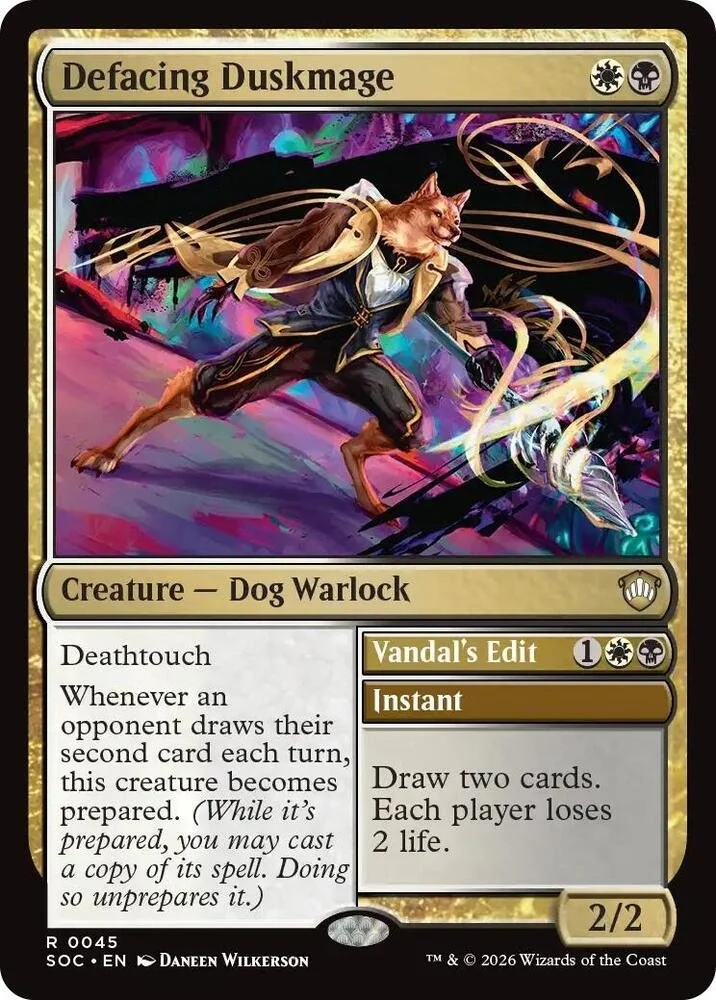
Defacing Duskmage - This creature does not quite fit the deck’s main game plan. It cares about opponents drawing their second card, which is a pretty specific condition. While the card draw is useful, the deck is better off adding enchantment-based draw that directly supports what Silverquill Influence is trying to do.
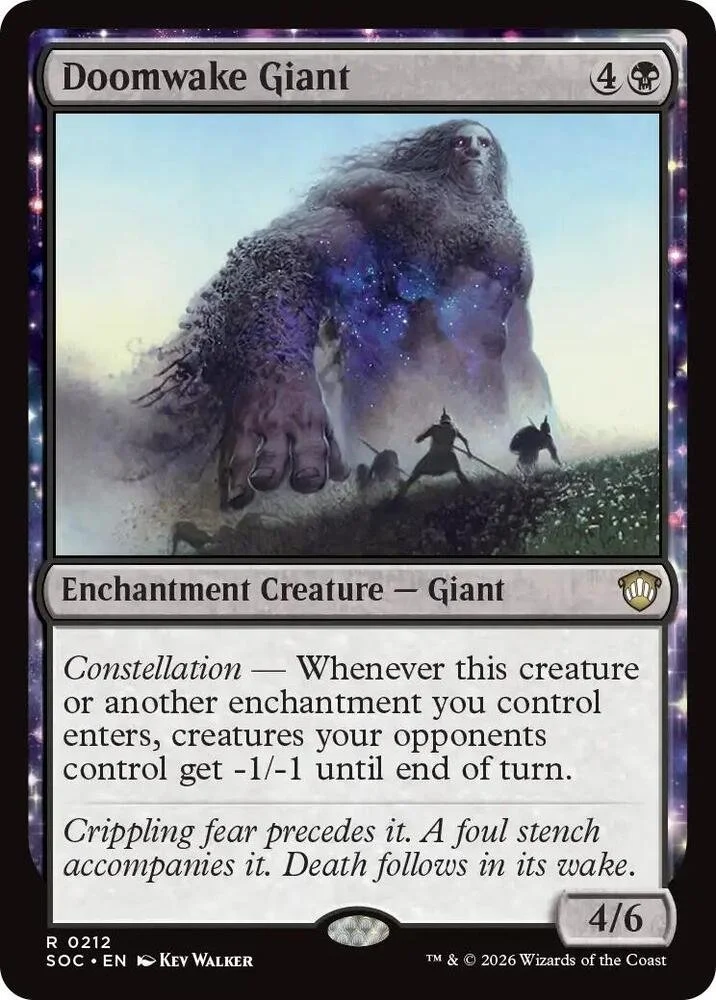
Doomwake Giant - This creature can be strong, especially against token decks, and there will definitely be games where it does real work. However, it does not do much if you run out of enchantments or lose momentum. Since this upgrade package is trying to streamline the deck, this is a reasonable cut for something that better supports your proactive plan.
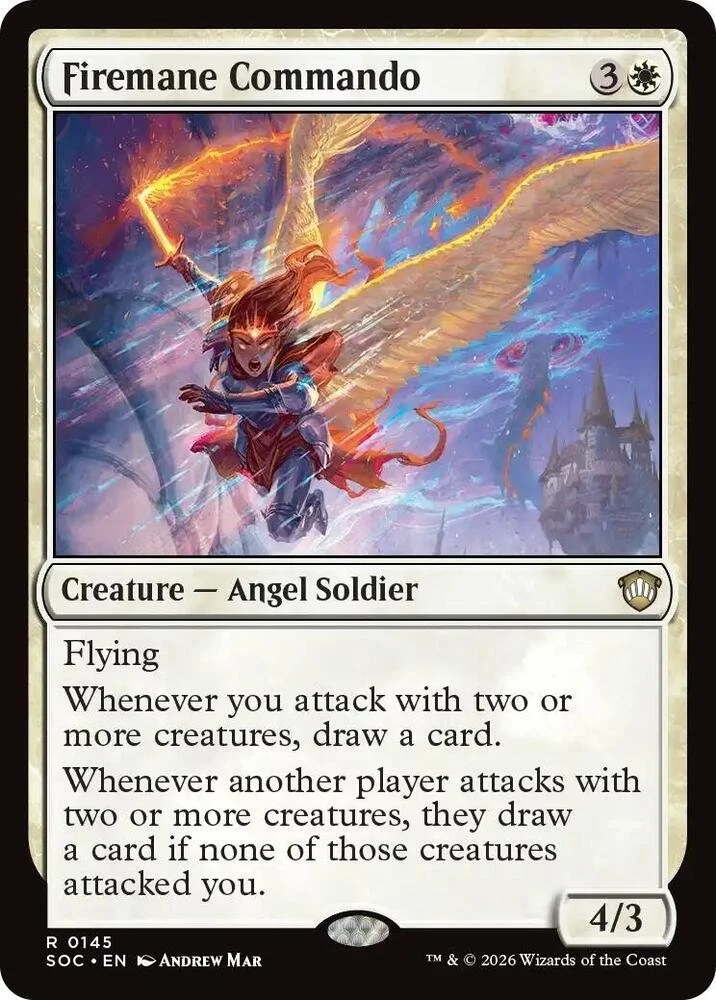
Firemane Commando - Technically works with your commander’s goad ability, but it really shines when you are able to consistently cast multiple Auras in a turn and keep the pressure moving. It is not a terrible card here, but it is one of the easier cuts when you are making room for stronger enchantment synergy.
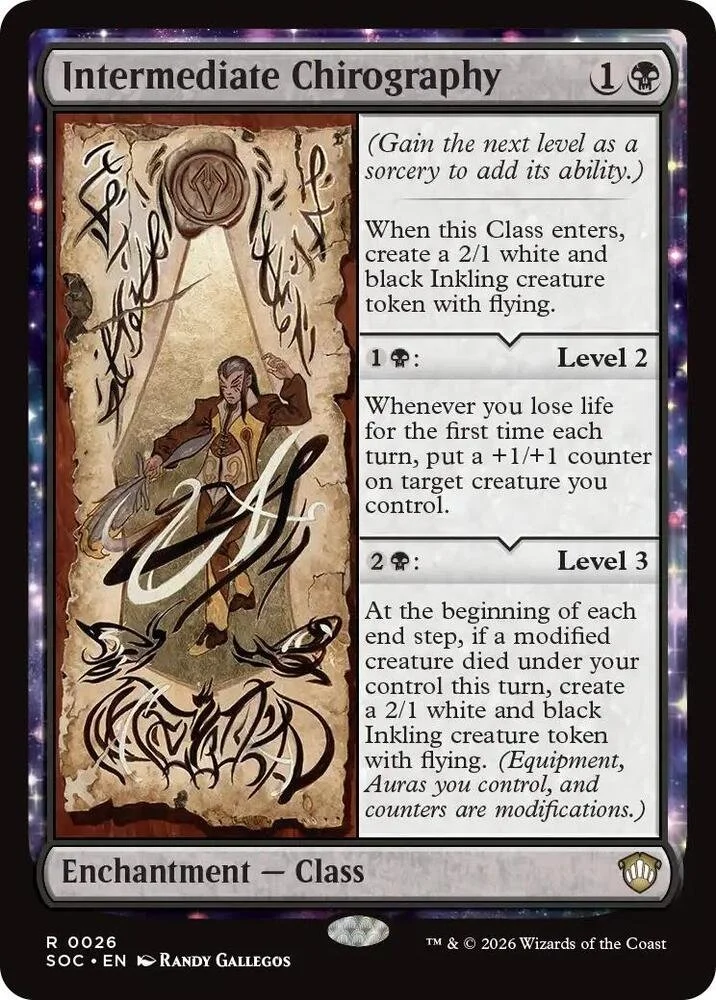
Intermediate Chirography - Another token-focused card in a deck that does not really need to care about tokens. It can generate some value, but it does not line up cleanly with the upgraded direction of the deck. Cutting it helps remove some of the strategy’s randomness and keeps the deck more focused.
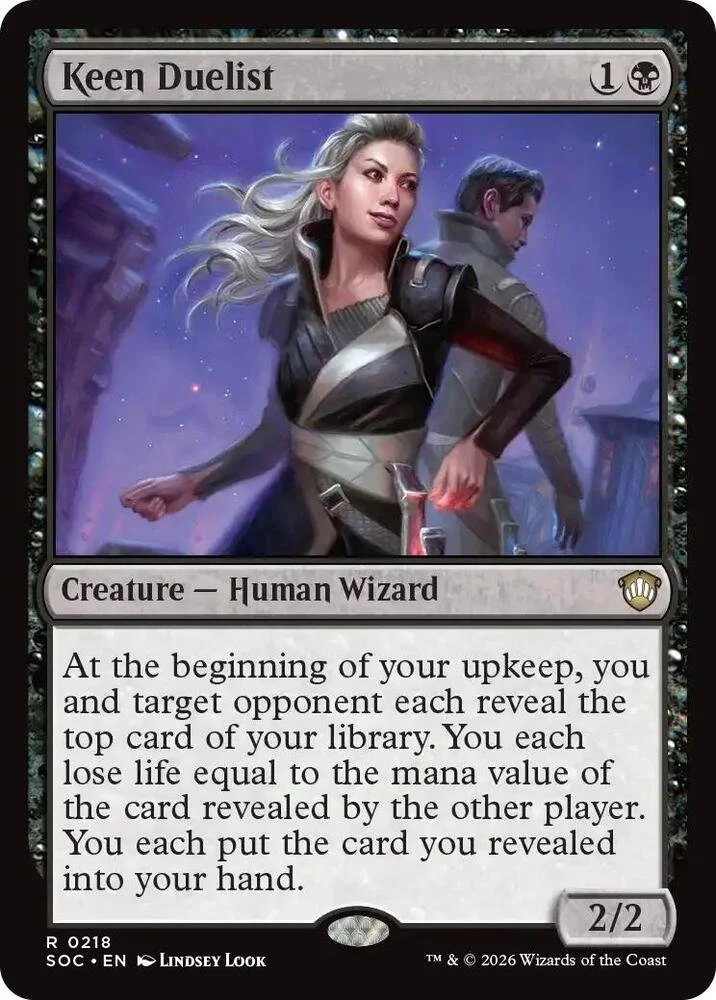
Keen Duelist - This creature can be fun, but this is not really a lifegain deck, and you do not want to be casually paying life without a strong reason. Since the deck already has political elements and can become a target quickly, giving up life unnecessarily can put you in a dangerous spot.
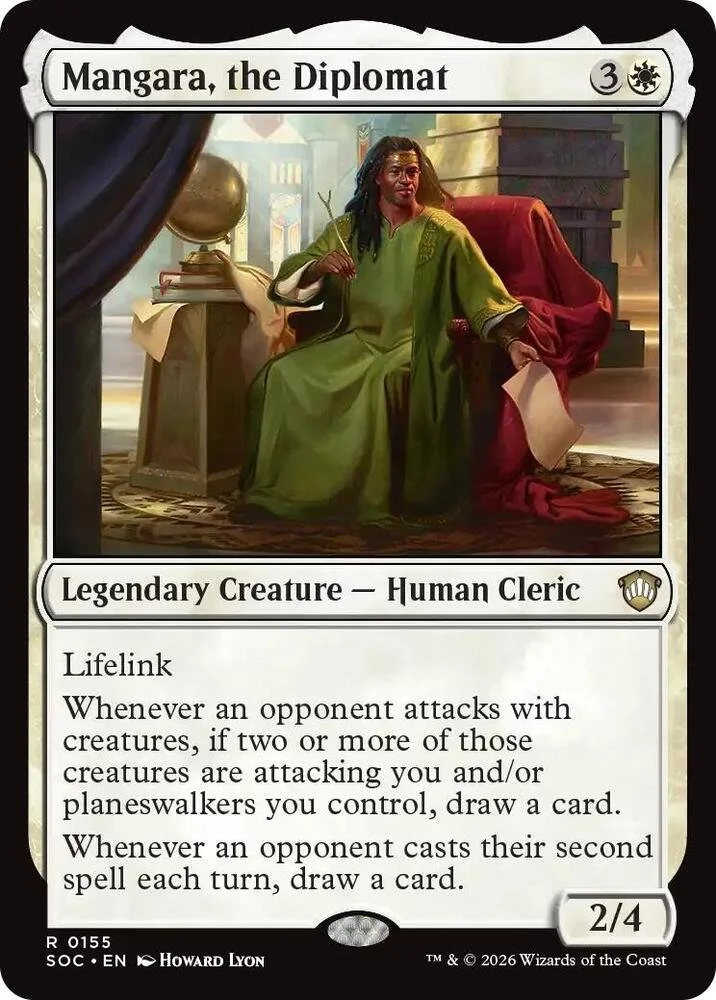
Mangara, the Diplomat - A good card, but it does not fit the goal of this deck as cleanly as it might seem. You are trying to goad creatures and make them attack elsewhere, not encourage opponents to attack you. Since the deck’s main defensive plan is redirecting combat, Mangara feels a little off-plan here.
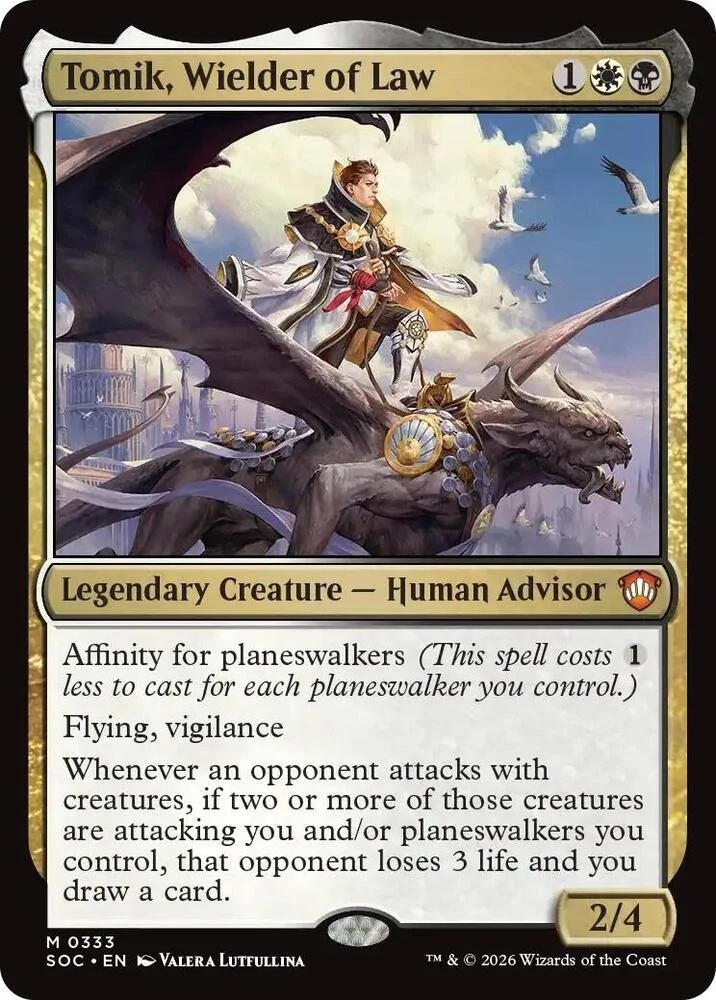
Tomik, Wielder of Law - Tomik has a similar issue to Mangara. It is not a bad card, but it does not directly support the enchantment and goad strategy. Silverquill Influence wants its opponents attacking each other, and Tomik does not help enough with that core game plan.
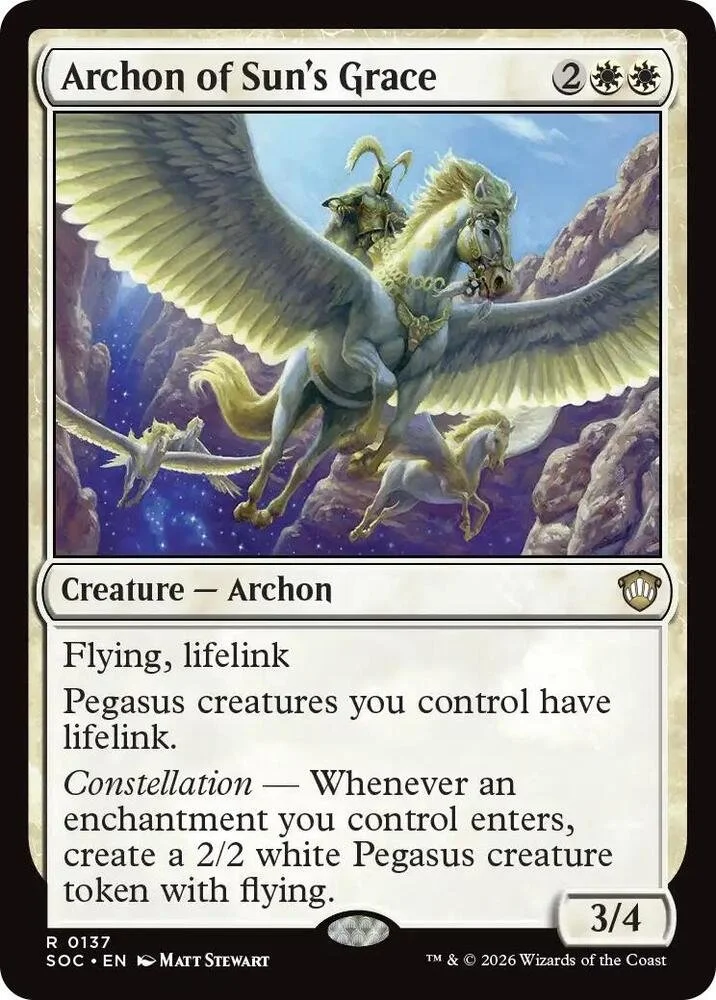
Archon of Sun’s Grace - This is actually a card I like, but it falls into the same issue as some of the other cuts: this is not really a token deck. Making Pegasus tokens can be powerful, but if you want to fully move away from the token subtheme, Archon is a clean cut. You could also choose to keep it over Doomwake Giant if you still want a little extra board presence from your enchantments.
New decklist here: Silverquill Influence Upgraded
How to play Silverquill Influence after the upgrades?
After the upgrades, Silverquill Influence wants to play aggressively, but not recklessly. Your commander is extremely important to the deck’s overall plan, so you want to keep them in play as often as possible, especially on your turn when you are casting Auras and setting up goad triggers.
I would not recommend playing this as a full Voltron deck. It may be tempting to stack everything onto your commander and start swinging, but that can make Killian a huge target very quickly. Instead, you usually want to spread your Auras across a wider board. This forces your opponents to decide which enchanted creature is the biggest problem, rather than giving them one obvious target to remove.
The most important thing is to cast Auras consistently. Ideally, you want to cast at least one Aura per turn so you can keep forcing opponents to attack each other instead of you. If you let the table stabilize, they will start pointing their creatures in your direction, and this deck may not always have the defense needed to survive big attacks.
Your opening hands should prioritize mana and Auras over creatures. You do need creatures to carry your Auras, but the deck’s engine depends more on being able to cast enchantments reliably. Early access to a card like Boon of the Spirit Realm can be extremely valuable because it turns your enchantment game plan into real pressure.
The creatures you should prioritize early are the ones that make your spells cheaper or generate value from enchantments. Those are the cards that help you cast more Auras per turn and keep the pressure going.
With Glasswing Grace, I would usually recommend playing it as a land in the early game unless you already have plenty of mana. The Aura side is useful, but it is not so powerful that you need to hold it forever. Its real strength is flexibility, and sometimes the best play is simply using it to make sure you hit your land drops.
Final Thoughts
Silverquill Influence is a really interesting take on Black/White Commander because it does not fall into the usual patterns for the color pair. Instead of grinding out value through lifegain, sacrifice, or removal, this deck wants to weaponize combat and make your opponents fight each other.
These upgrades help push that plan further by adding better enchantment support, more card draw, stronger recursion, and a few cards that make goad even more punishing. The result is a deck that should feel smoother, more focused, and more capable of keeping pressure on the table.
You are still going to need to play carefully. This deck can become the villain at the table fast, especially once your opponents realize you are the reason their creatures keep attacking the wrong players. But if you keep your engine moving, cast Auras consistently, and use your political tools wisely, Silverquill Influence can create some incredibly fun and chaotic Commander games.
For more Commander upgrades, set previews, tabletop releases, and upcoming TCG coverage, be sure to check back with our 2026 TCG and Tabletop Gaming Release Calendar. We’ll keep it updated throughout the year with the biggest Magic: The Gathering releases, new card games, board games, TTRPG launches, and everything else tabletop fans should have on their radar.