Secrets of Strixhaven has brought players back to Archavios with a fresh cycle of college-themed Commander decks, and each school has given us a new look at what makes its identity stand out. Across these precons, the returning commanders feel familiar without being simple repeats, offering updated designs that push each college in a slightly different direction. After working through four of Strixhaven’s schools, it is finally time to close out the cycle with the college that understands life, death, and everything in between.
For this guide, we’re taking a look at Witherbloom Pestilence, the Black and Green precon representing Strixhaven’s School of Natural Essence. Witherbloom has always been rooted in the balance between growth and decay, and this deck leans into that theme by turning life totals, creatures, and death triggers into resources. Students of Witherbloom are deeply connected to the life forces of the world, using that bond to drain opponents, gain life, sacrifice creatures, and turn the natural cycle into a powerful engine.
This is the fifth and final Secrets of Strixhaven precon upgrade guide. We’ve already covered Silverquill Influence, Prismari Artistry, Lorehold Spirit, and Quandrix Intelligence, so now we’re finishing the set with Witherbloom Pestilence and giving the School of Natural Essence its time to shine.
Witherbloom Pestilence deck overview
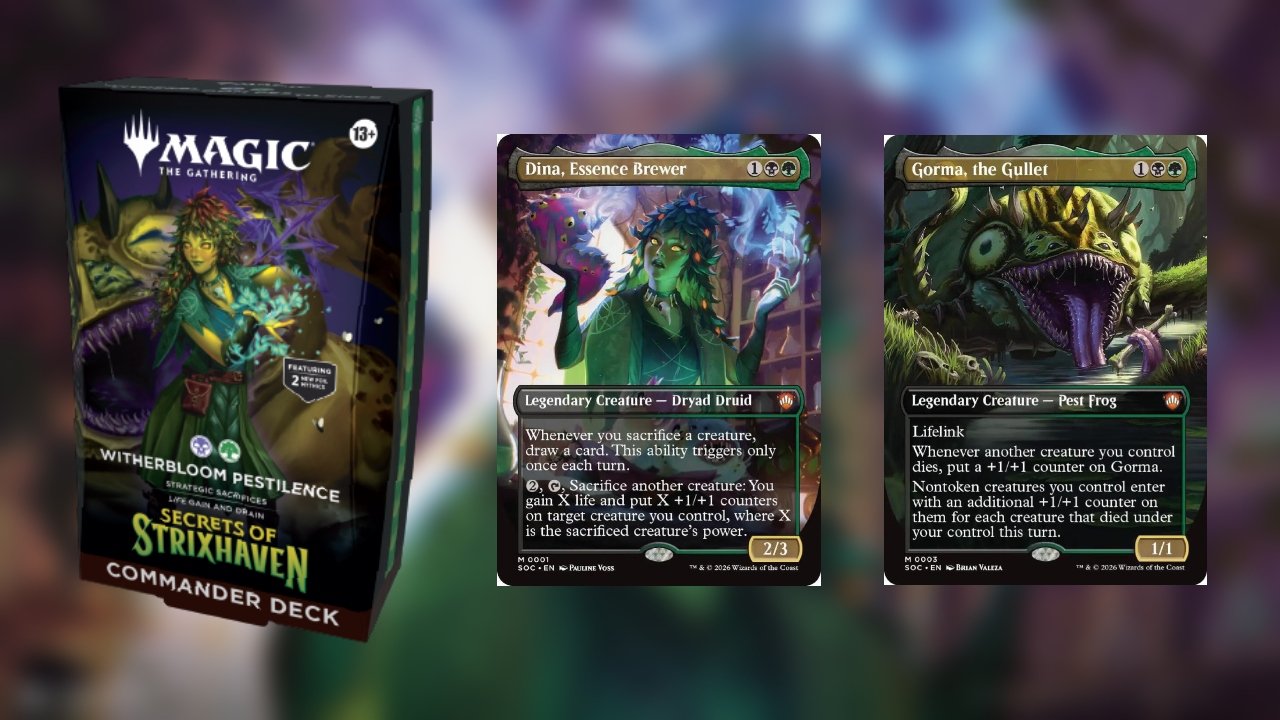
Witherbloom Pestilence is exactly the kind of Black and Green deck you would expect from the School of Natural Essence. This is a life gain and sacrifice deck that cares less about winning quickly and more about using every creature, life point, and death trigger as part of a bigger engine.
At the center of the deck is Dina, who wants you to treat life gain as more than just a way to stay alive. Every bit of life you gain can chip away at your opponents, and every creature you sacrifice can help fuel your next play. The deck is not trying to rush the table down. Instead, it wants to build a steady loop of gaining life, draining opponents, sacrificing creatures, and turning those resources into long-term value.
What makes this deck interesting is how it uses big creatures. You are not just playing high-power creatures to attack with them. Sometimes, those creatures are there to be cashed in, sacrificed, or used to empower the rest of your board. By stacking counters and making sure you always have at least one tall creature available, the deck gives itself reliable sacrifice fodder while still threatening the table with a meaningful board presence.
Witherbloom Pestilence is a grindy deck at heart. You are not always going to feel like you are chopping opponents down in huge bursts. Instead, you are slowly outlasting them, gaining life when they lose it, draining them over time, and making sure your creatures continue to matter even when they leave the battlefield. Once the engine starts moving, the deck becomes hard to race, because every exchange can leave you healthier, stronger, and better prepared for the next turn.
How to upgrade Witherbloom Pestilence
When upgrading Witherbloom Pestilence, you want to focus on three main types of cards. First, you want high-power creatures that can become massive sacrifice targets for Dina. Second, you want cards that reward you for gaining life, sacrificing creatures, or watching creatures die. Third, you want recursion pieces that let you bring those sacrificed creatures back and do it all over again.
That is really where this deck starts to feel nasty. Sacrificing a giant creature to gain a huge chunk of life is already strong, but when that life gain also drains opponents, stacks counters on another creature, or sets up a reanimation play, the deck starts turning every death into progress. Witherbloom Pestilence is not trying to win by being flashy. It wants to keep feeding the engine until your opponents realize they cannot race your life total or keep up with your value.
Cards to add to Witherbloom Pestilence
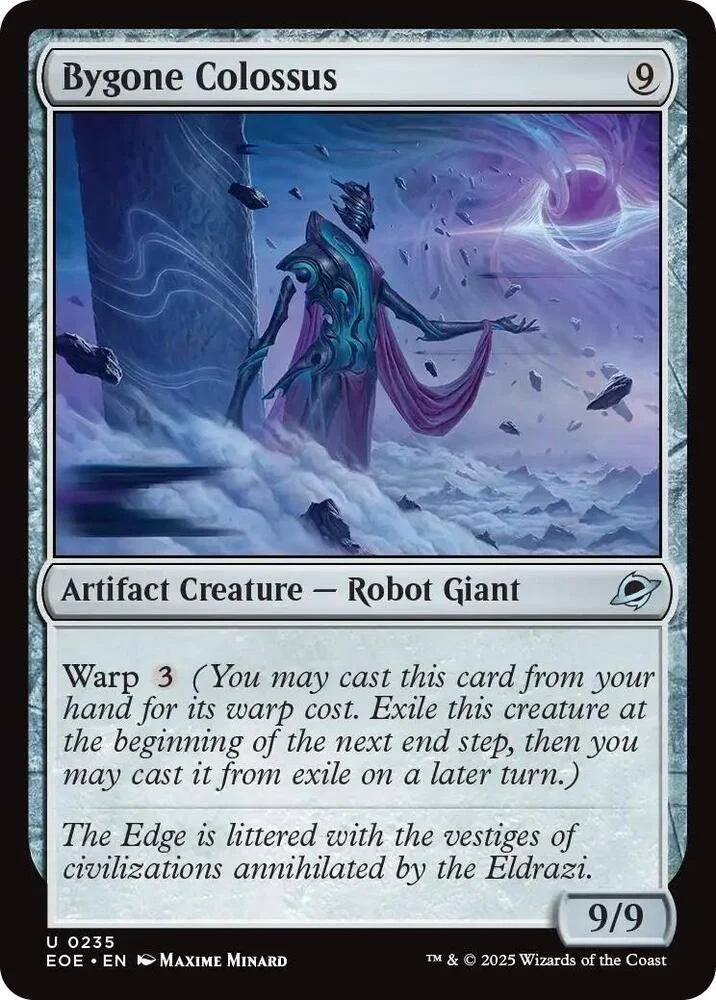
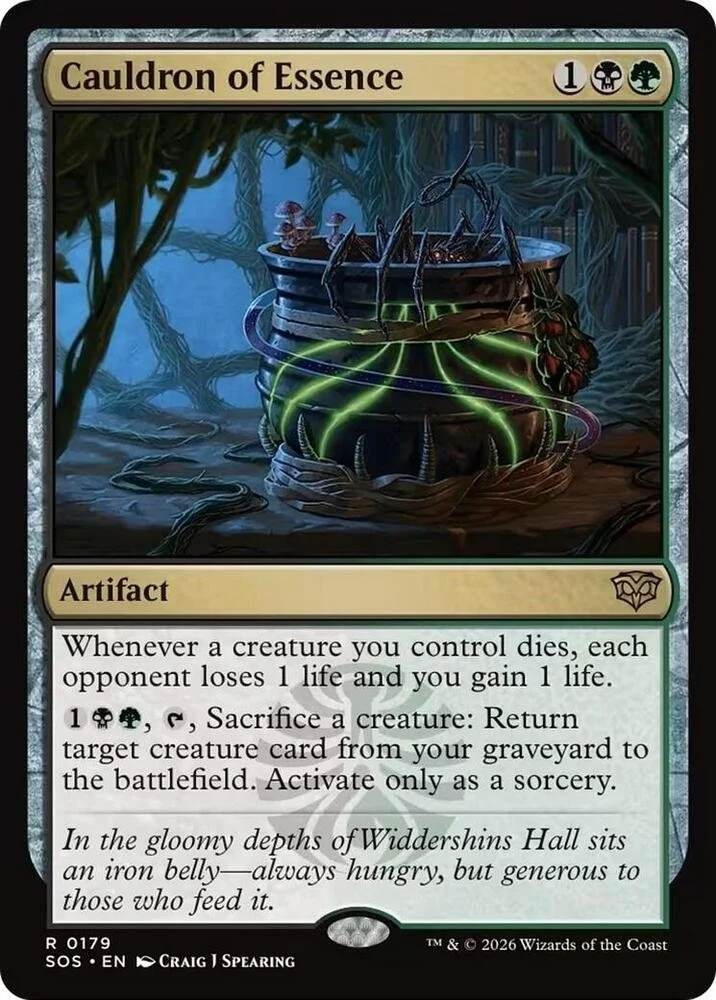
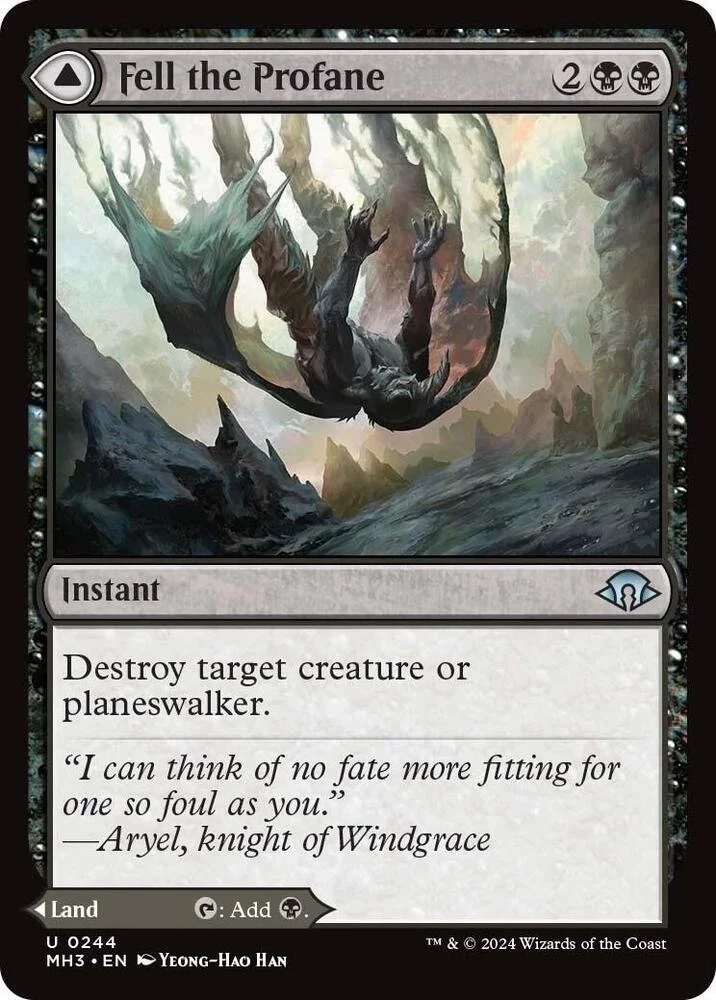
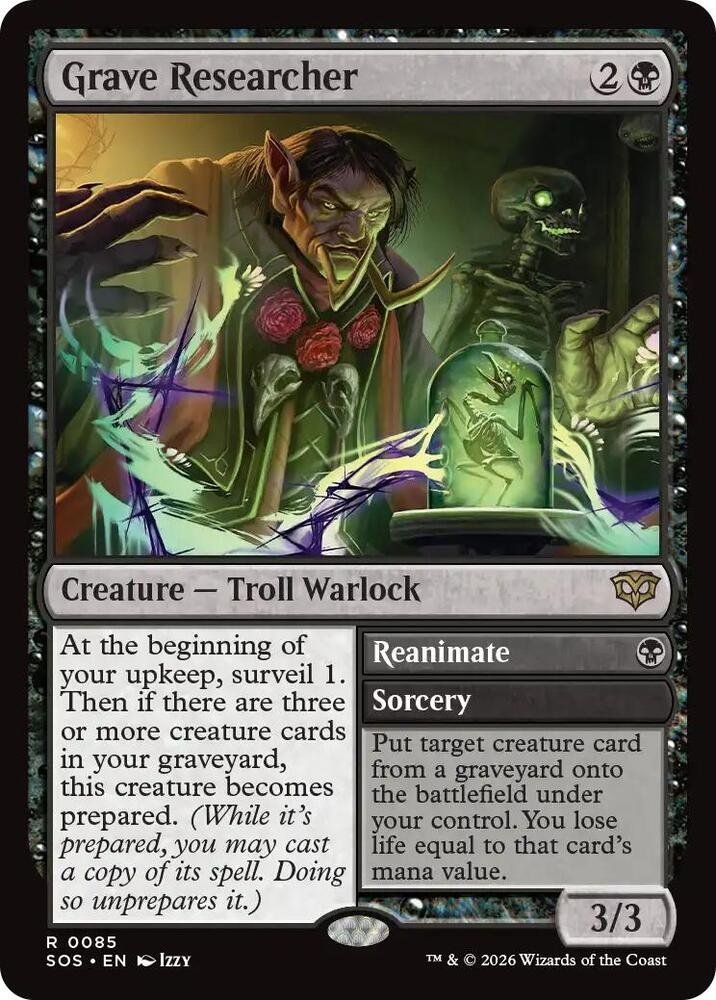
Bygone Colossus - Bygone Colossus is exactly the kind of card this deck wants. Warping it in early gives you a huge 9/9 body for only three mana, and that creature can immediately become perfect sacrifice fodder. Gaining 9 life and placing 9 counters on another creature is an absurd early-game swing.
Cauldron of Essence - Cauldron of Essence gives you a little bit of life gain, but the real value is in its sacrifice ability. Being able to sacrifice a creature to return another creature from your graveyard lets you trade a token or expendable body for something much more important.
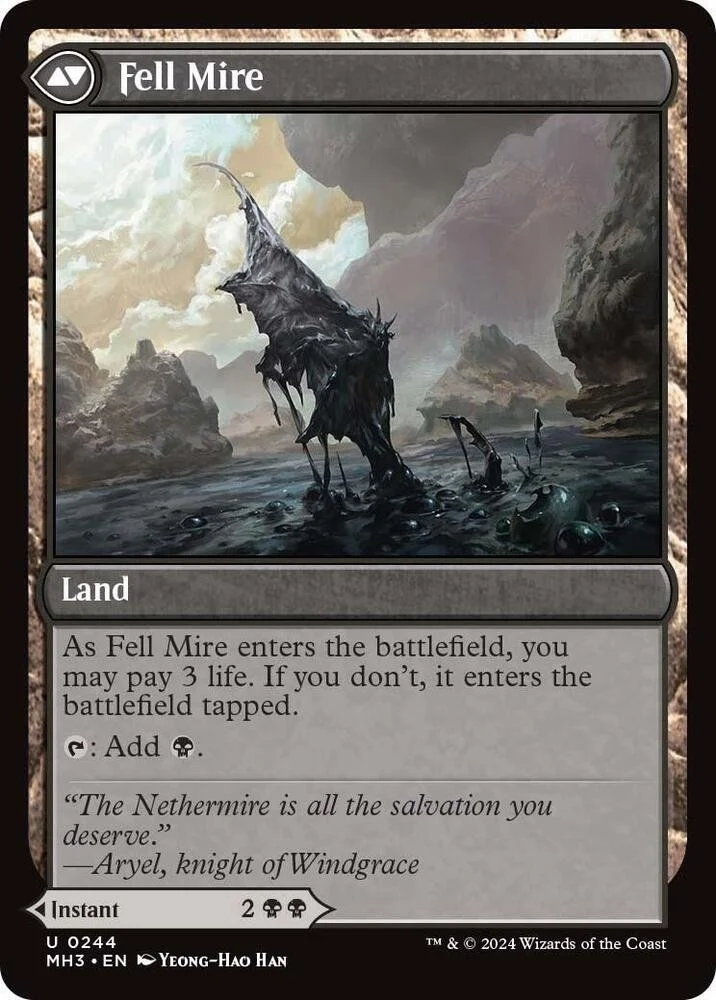
Fell the Profane // Fell Mire - Fell the Profane is solid removal that also doubles as a land when you need it. Since this deck leans much heavier into Black than Green, having access to an extra Black source on the back side makes it an easy utility upgrade.
Grave Researcher - Grave Researcher is a great fit because repeatable reanimation is exactly what a sacrifice deck wants. If you are already planning to send your best creatures to the graveyard, having a way to bring them back over and over helps keep the engine moving.
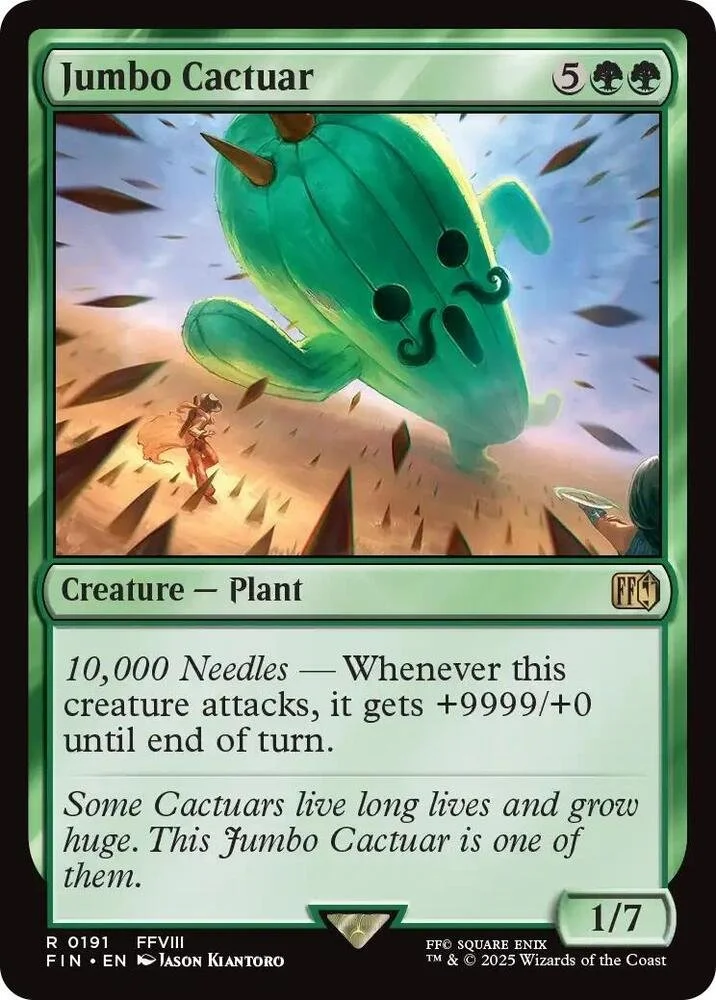
Jumbo Cactuar - Jumbo Cactuar is ridiculous in the best way possible. If you can attack, boost it by +9999, and then sacrifice it to Dina, you suddenly gain an absurd amount of life and can put an absurd number of counters on another creature. It is goofy, but it is also exactly the kind of giant sacrifice play this deck wants.
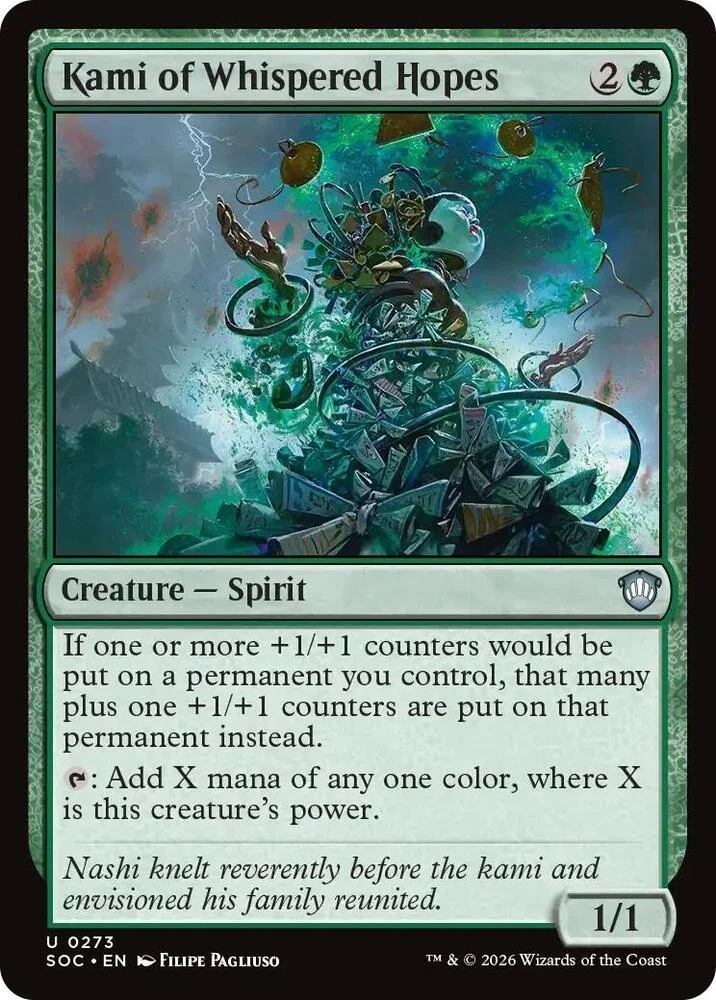
Kami of Whispered Hopes - Funny enough, if you already picked up Quandrix Unlimited, this is a card you can move straight over from that deck. It works even better here because Dina gives you a reliable way to put counters on your creatures, and Kami helps turn those counters into an even bigger payoff.
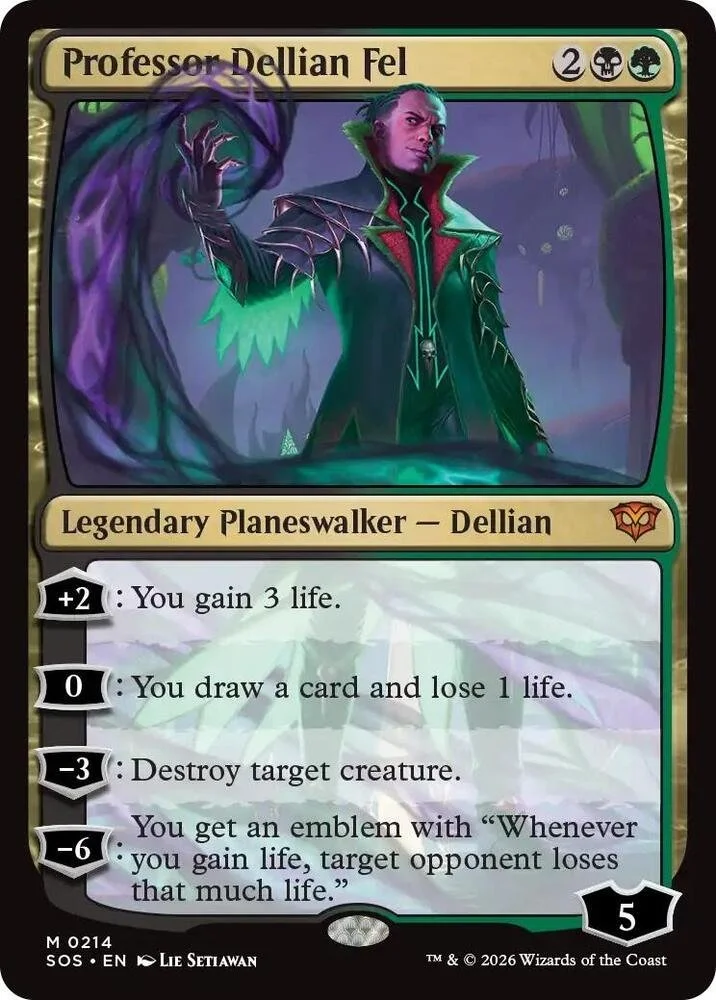
Professor Dellian Fel - Professor Dellian Fel gives the deck a planeswalker that can remove threats while also building toward a brutal life-drain finisher. The ultimate being a Sanguine Bond-style effect is exactly the kind of payoff Witherbloom wants access to.
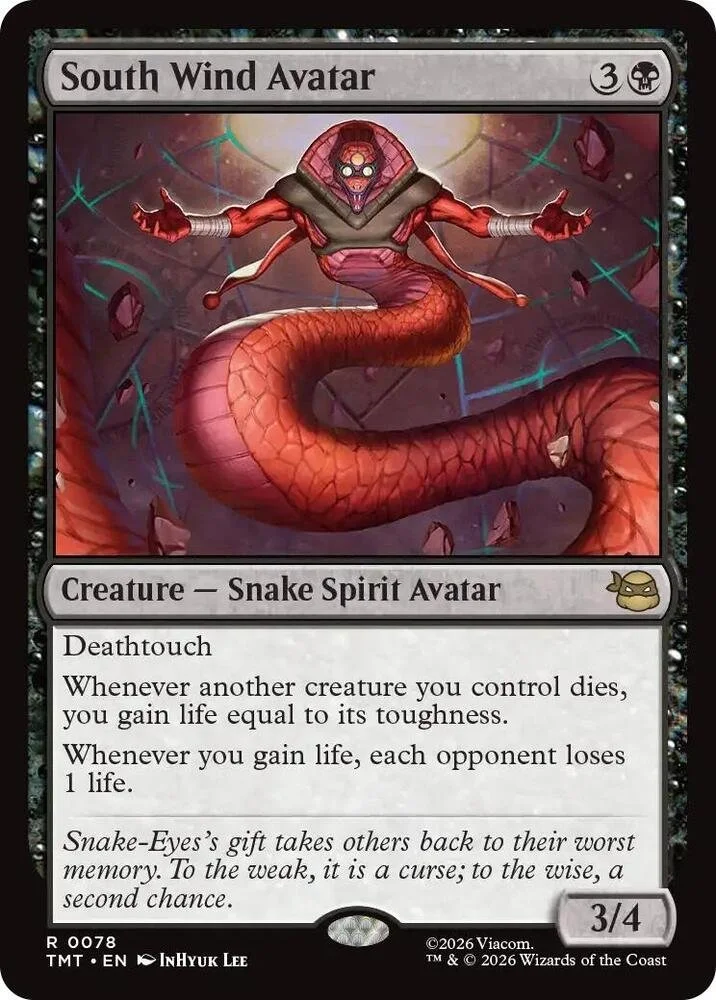
South Wind Avatar - Dina gains you life based on a sacrificed creature’s power, while South Wind Avatar cares about toughness when creatures die. That gives the deck another way to profit from creatures leaving the battlefield, especially if you have any big-toughness creatures sitting around.
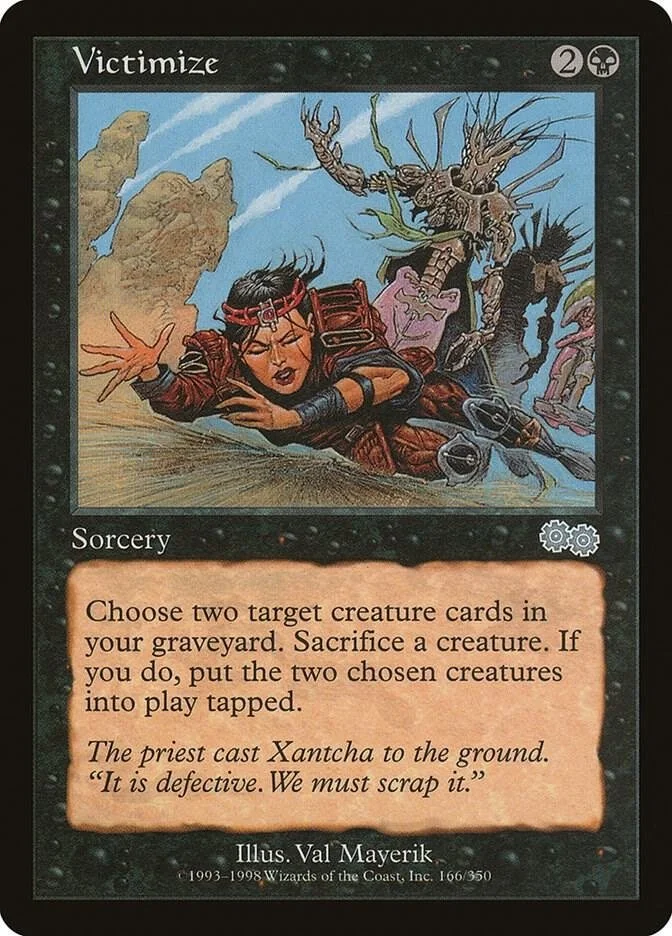
Victimize - Victimize is a simple but excellent recursion spell for this deck. You are already happy to sacrifice creatures, so turning one expendable body into two creatures from your graveyard is a great deal.
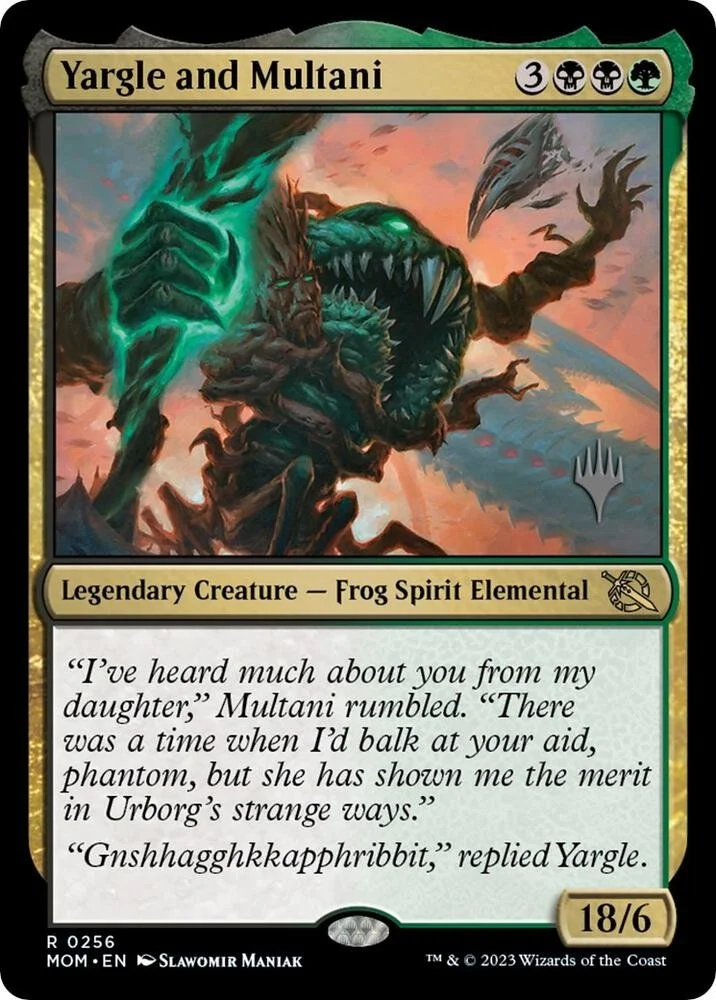
Yargle and Multani - Yargle and Multani is basically perfect Dina sacrifice fodder. It may just be a huge vanilla creature, but 18 power is exactly what this deck wants. Sacrificing it for 18 life and 18 counters is the kind of massive swing that makes the whole strategy click.
Honorable Mentions
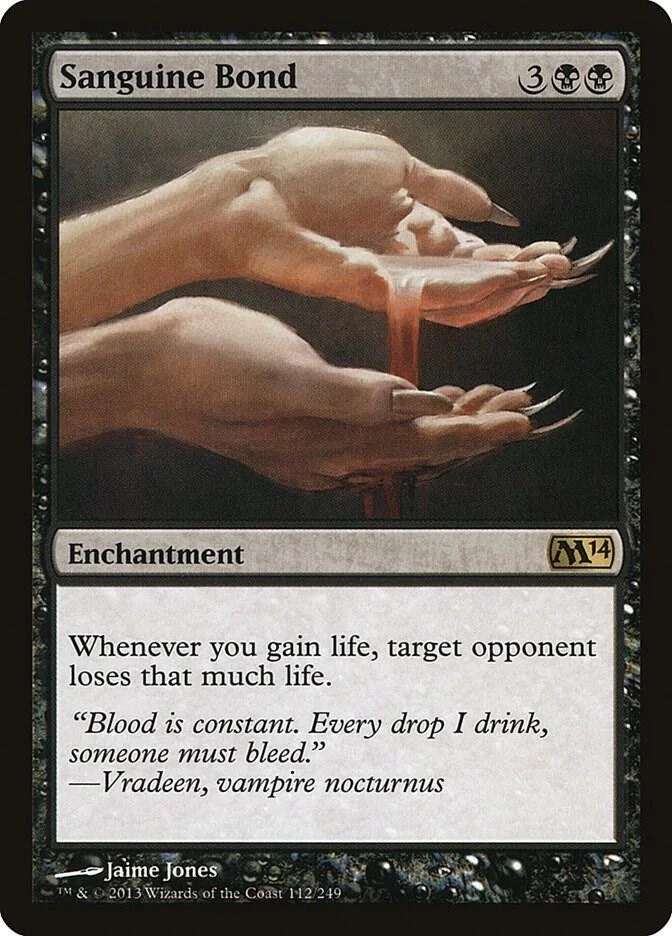
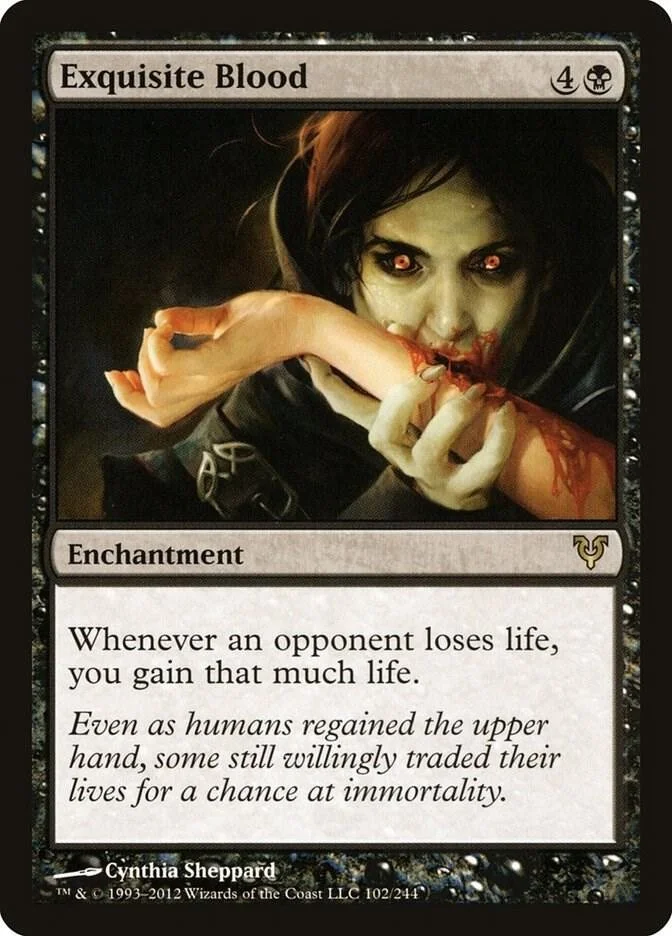
Sanguine Bond + Exquisite Blood - If you want to push Witherbloom Pestilence closer to traditional EDH combo territory, Sanguine Bond and Exquisite Blood are the obvious inclusions. Together, they create one of the most well-known life-gain/life-loss infinite combos, giving the deck a clean automatic win condition if that is the direction you want to take it.
Cards to cut from Witherbloom Pestilence
When cutting cards from Witherbloom Pestilence, the choices were a little tougher than expected. There is a surprising amount of ramp in this deck, and since the deck leans heavier into Black than Green, I felt comfortable cutting two Forests to make room for more useful utility pieces. From there, I focused on trimming some of the weaker sacrifice outlets and removing the Food package entirely.
That is not because Food is bad, but because this version of the deck is not trying to be that kind of Black and Green sacrifice deck. With Dina as the commander, I would rather focus on sacrificing one huge creature for a massive life gain and counter swing than slowly cashing in small artifacts.
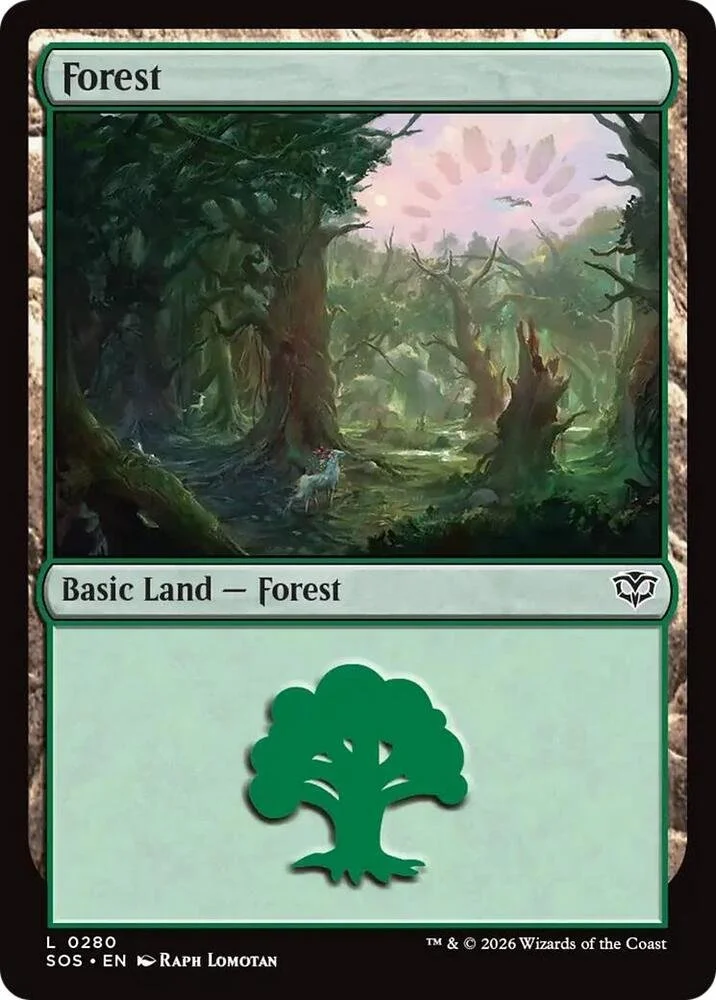

2x Forest - This deck is Black-heavy and already has plenty of Green ramp, so cutting two Forests should not hurt the mana base too much. The added utility from the replacement cards is worth the tradeoff.
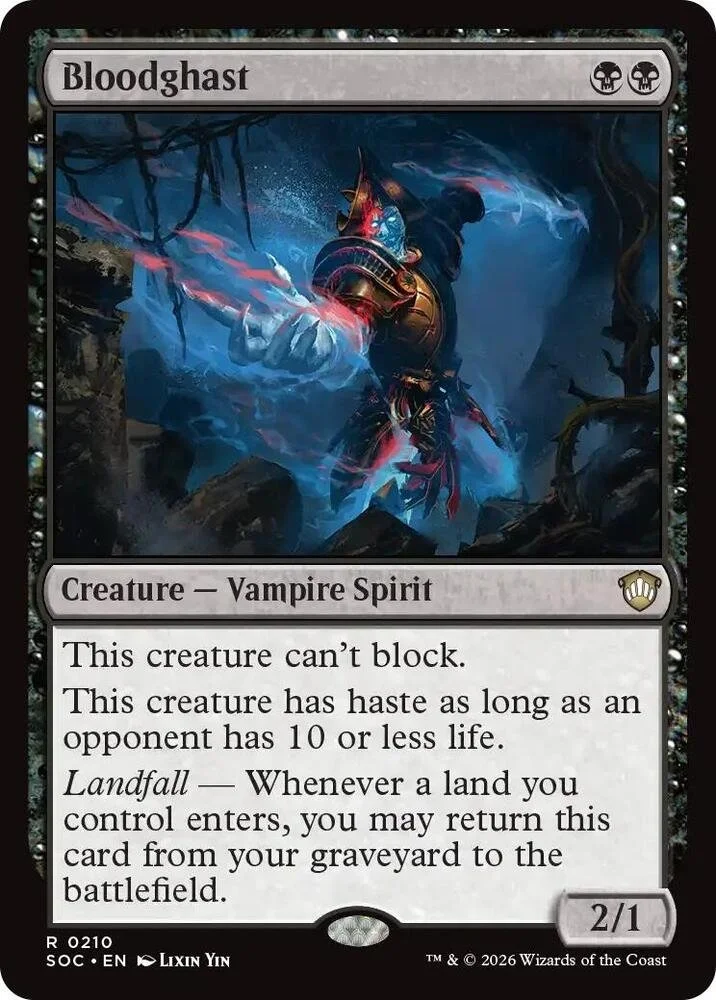
Bloodghast - Bloodghast is a solid sacrifice card in the right deck, but this list does not have enough landfall support to make it feel consistent. Dina also cares more about sacrificing high-power creatures, and Bloodghast does not really help with that plan.
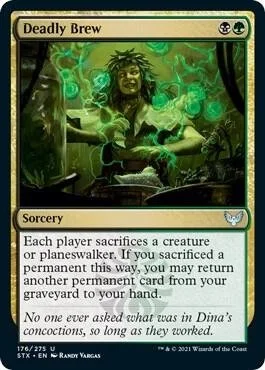
Deadly Brew - Deadly Brew is fine, but the deck already has enough ways to sacrifice creatures. As removal, it is not reliable enough to keep over cards that better support the main engine.
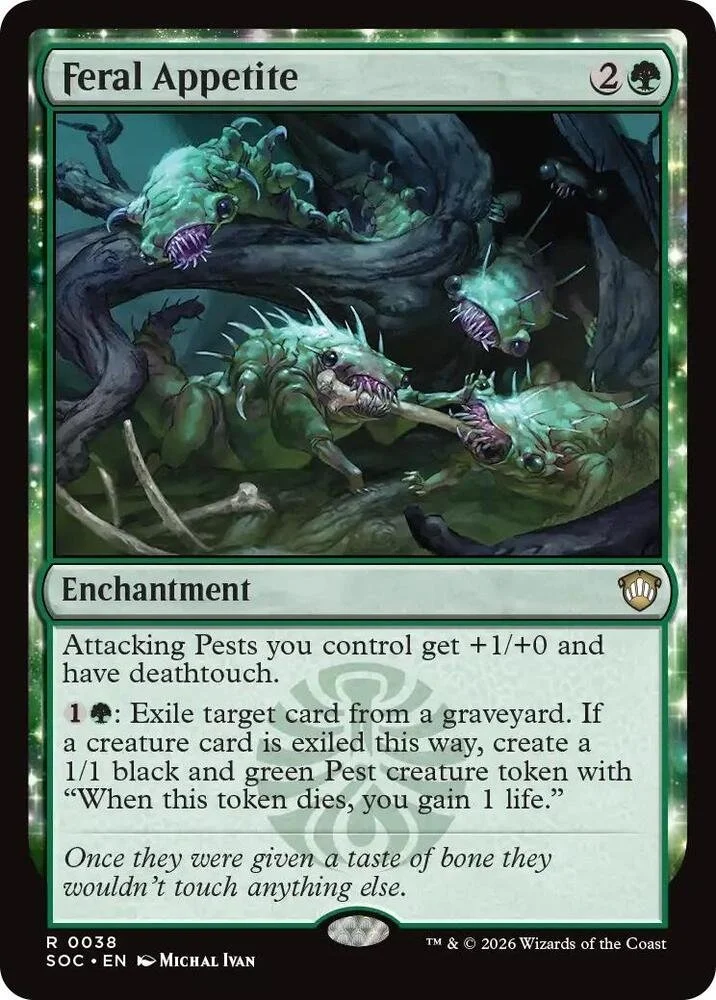
Feral Appetite - Since we are focusing on Dina as the commander, the Pest subtheme becomes less important. Feral Appetite works better when you care more about Pests sticking around, but that is not really the direction this upgrade is taking.
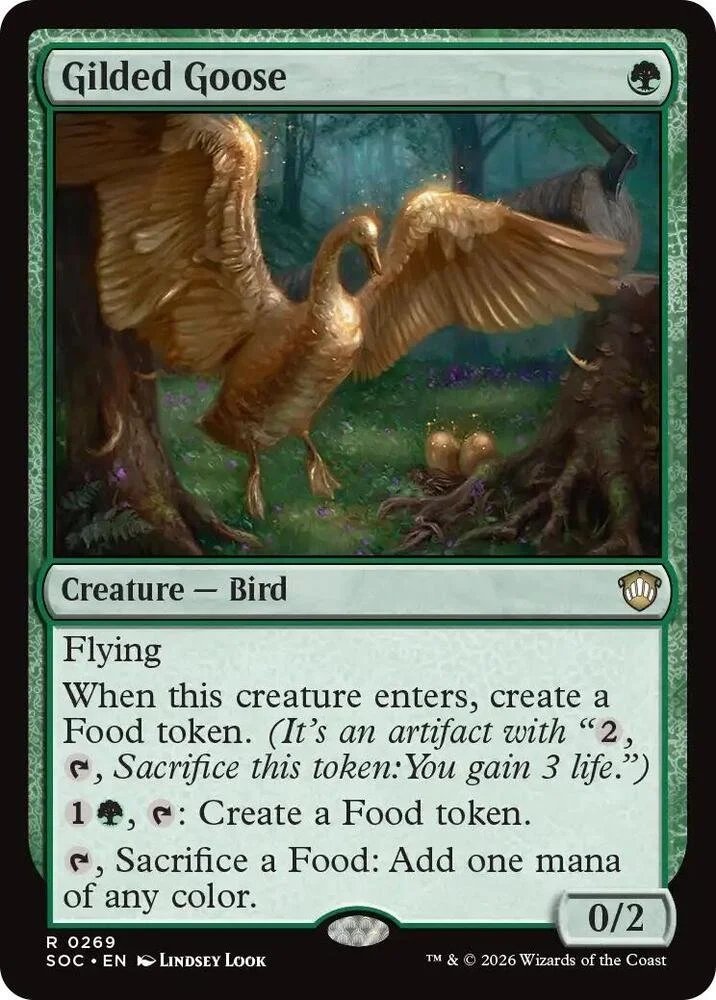
Gilded Goose - Gilded Goose is getting cut because the Food package is being removed. The deck already has enough life gain and sacrifice outlets without needing to lean on Food tokens.
Gyome, Master Chef - Gyome is another Food-focused card, so it gets trimmed with the rest of that package. It is a fun commander and support piece elsewhere, but this version of Witherbloom Pestilence wants to be more focused on Dina’s sacrifice-and-life-gain plan.
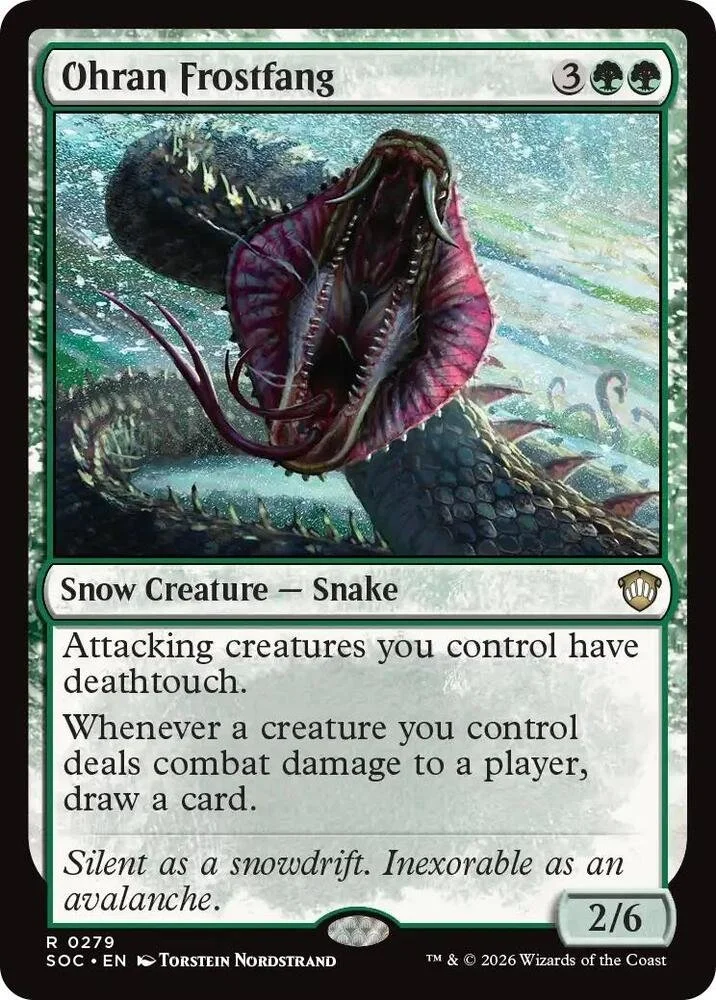
Ohran Frostfang - Ohran Frostfang is a great card, but it feels like the wrong card for this deck. You are not trying to win through steady combat damage, so this is a card I would happily pull out and save for a deck that attacks more often.
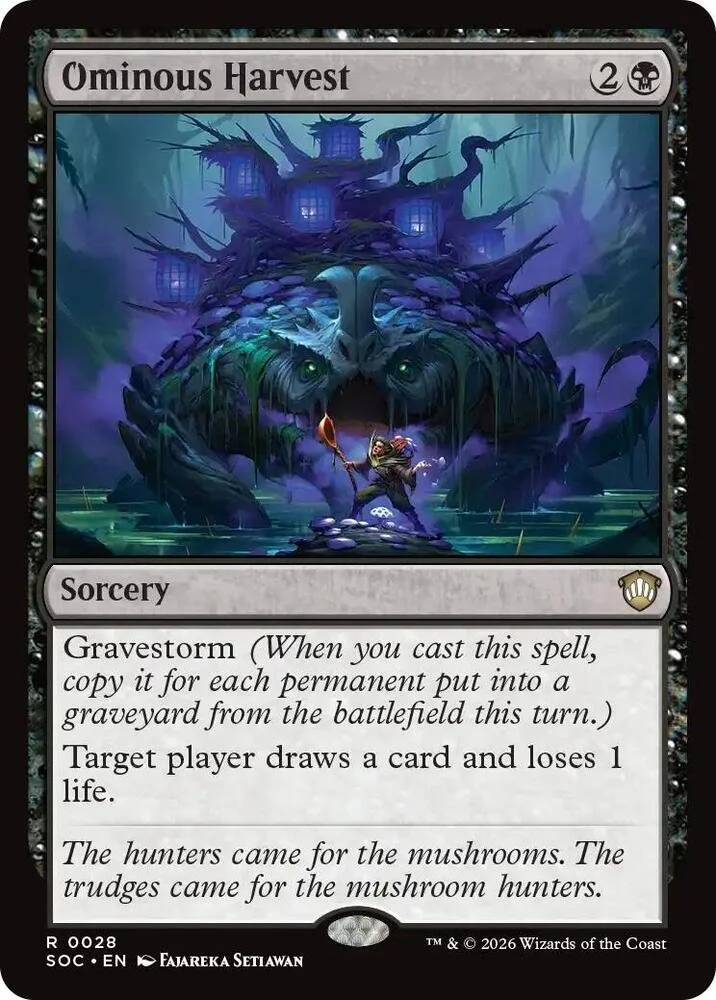
Ominous Harvest - Ominous Harvest can draw cards when permanents hit your graveyard, which is useful, but Dina is less interested in sacrificing a bunch of small pieces and more interested in cashing in one large creature at a time. Because of that, this fits better in a different sacrifice deck.
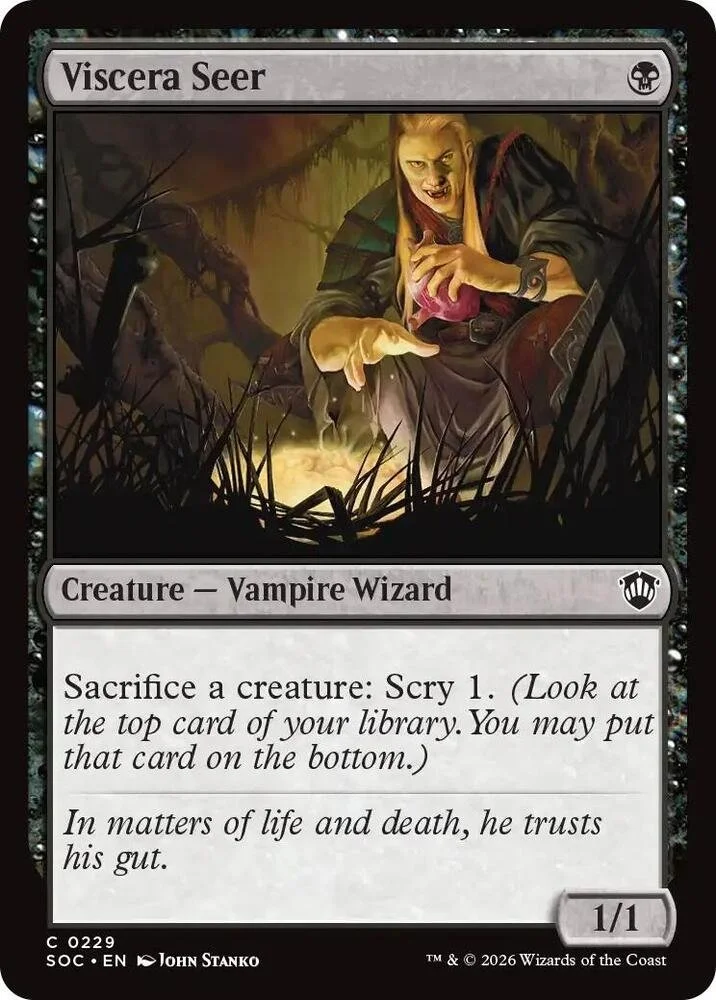
Viscera Seer - Viscera Seer is a classic sacrifice outlet, but sacrificing a creature just to scry 1 is not exciting enough here. Since the deck already has other sacrifice options, I would rather make room for a higher-power creature like Umbral Collar Zealot.
Full upgraded decklist available here: Upgraded Witherbloom Pestilence Decklist
Gameplay tips for Witherbloom Pestilence after the upgrades
After the upgrades, the biggest thing to remember is that Dina does not play like a traditional aristocrats commander. You are not trying to sacrifice a bunch of tiny creatures just to slowly ping the table down. Instead, Dina wants to take the life force from your biggest creatures and turn that into life gain, drain, and counters for the rest of your board.
Do not be afraid to sacrifice your big creatures. That is the whole point of the deck. A giant creature sitting on the battlefield is nice, but a giant creature sacrificed to Dina can gain you a ton of life, drain your opponents, and make another creature even bigger. If you have recursion ready, that same creature can come back later and do it all over again.
This is a grindy life gain deck, not a deck that is usually going to explode for huge combat damage out of nowhere. Your plan is to gain enough life that your opponents struggle to race you, while always keeping at least one large blocker on the battlefield. That can force the table into an awkward position where attacking you does not feel worth it, but ignoring you lets Dina keep building value.
As the game goes longer, your life total becomes one of your best resources. You can absorb damage, survive crack-backs, and slowly chip away at the table through Dina’s drain effects. Witherbloom Pestilence wins by outlasting everyone else, turning each sacrifice into more life, more counters, and another step toward grinding your opponents out of the game.
Final Thoughts
Witherbloom Pestilence is a strong way to close out the Secrets of Strixhaven precon upgrade cycle because it captures exactly what makes the School of Natural Essence so fun. This deck is not just about life gain, sacrifice, or recursion on their own. It is about blending all three together until every creature becomes a resource and every sacrifice pushes you further ahead.
After the upgrades, Dina becomes the clear focus of the deck. Instead of trying to play a slower Food strategy or a traditional aristocrats plan, this version wants to sacrifice massive creatures, gain huge chunks of life, drain opponents, and keep another large threat ready on the battlefield. Cards like Bygone Colossus, Yargle and Multani, Victimize, and Cauldron of Essence help the deck lean harder into that identity while giving you more explosive sacrifice turns.
This is not the fastest deck in the cycle, but that is part of the appeal. Witherbloom Pestilence wants to grind, survive, and make the table struggle to keep up with your life total and growing board. If you like decks that turn death into value and slowly drain the table while becoming harder and harder to kill, this upgraded version of Witherbloom Pestilence is a great fit.
Looking for more ways to upgrade your favorite Commander decks? Be sure to check out our 2026 TCG and Tabletop Gaming Release Calendar for more Magic: The Gathering coverage, precon guides, set breakdowns, and upcoming tabletop releases.