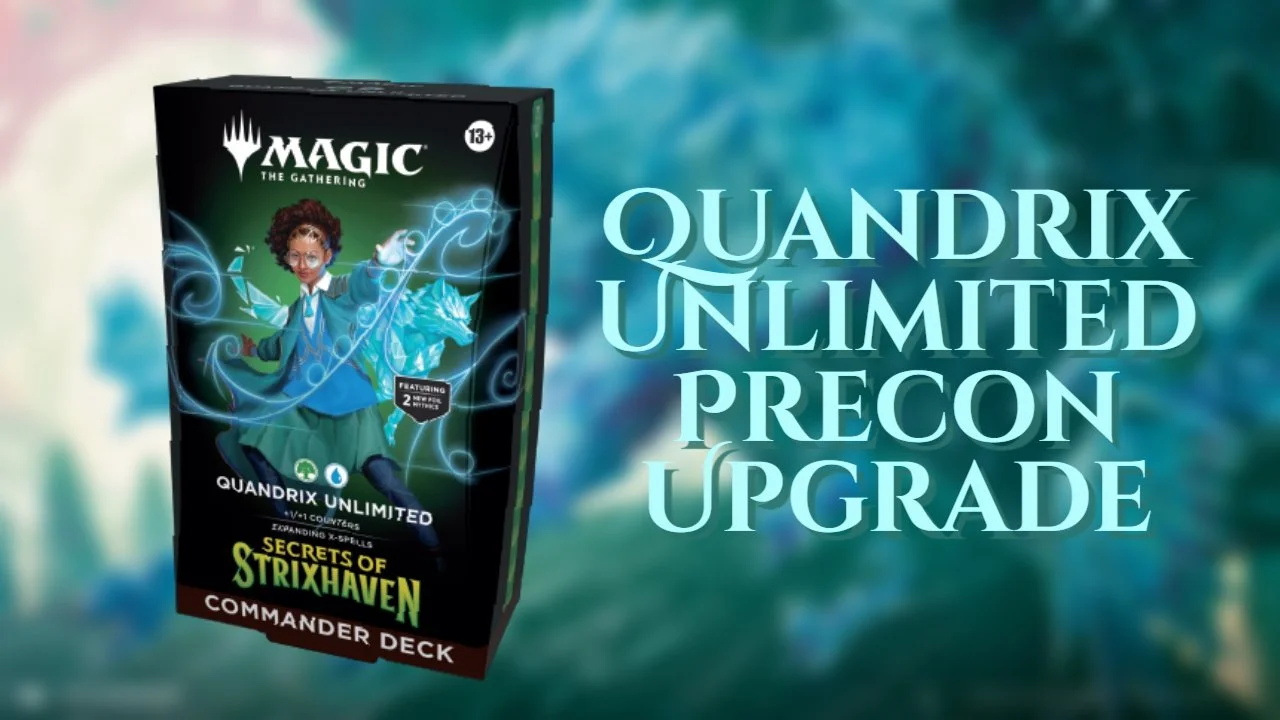
Secrets of Strixhaven is bringing players back to Archavios, and that means another round of college-themed Commander decks to dig into. Each of the five schools has its own precon, but the most exciting part is seeing how these familiar Strixhaven identities have grown since their original appearances. The returning commanders feel like evolved versions of the characters we already knew, and their new designs help push each deck in a slightly different direction.
For this guide, we’re taking a look at Prismari Artistry, the Blue and Red precon representing Strixhaven’s School of Artistic Expression. Prismari has always been about big, dramatic magic, and this deck sticks pretty close to that identity with a spell-slinging game plan built around flashy turns, explosive effects, and turning every cast into part of the performance.
This is the second of our five Secrets of Strixhaven precon upgrade guides. We’ve already covered Silverquill Influence, and after Prismari Artistry we’ll be moving on to Lorehold Spirit, Quandrix Unlimited, and Witherbloom Pestilence.
Prismari Artistry deck overview
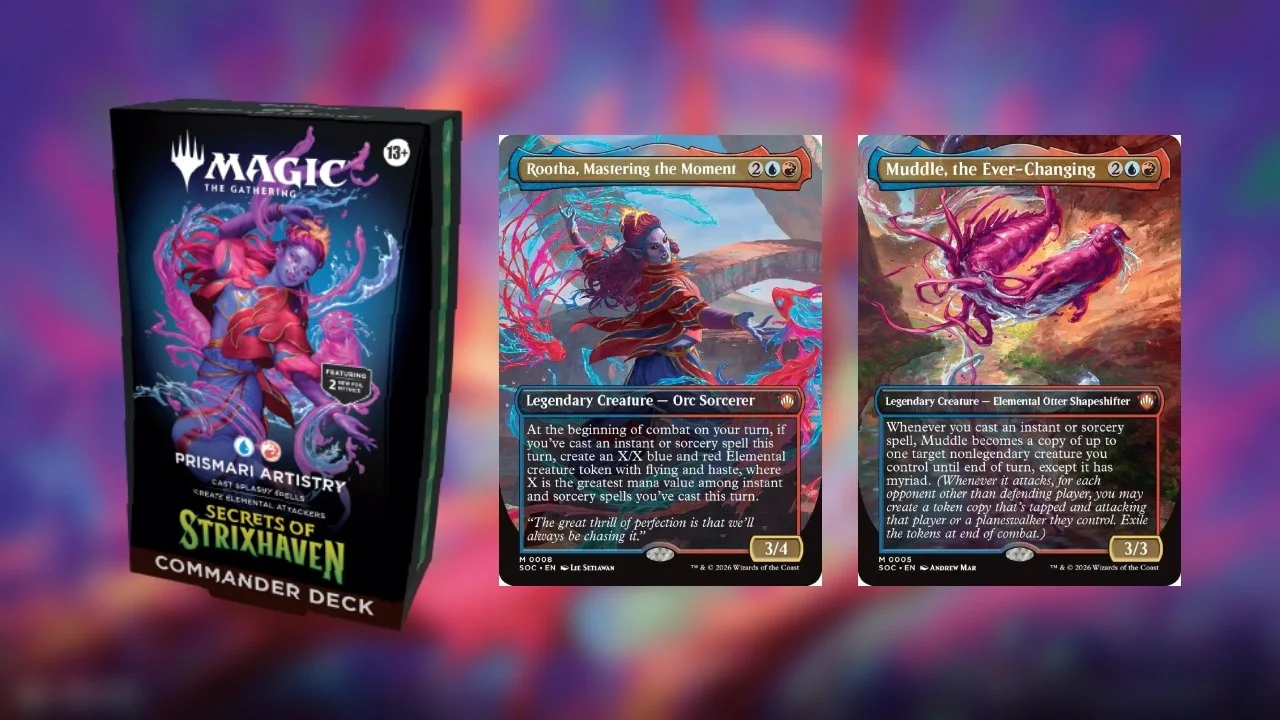
Prismari Artistry does not exactly reinvent the Red/Blue Commander deck, but it does give the usual Izzet spell-slinger strategy a more theatrical twist. At its core, this is still a deck that wants to cast instants and sorceries, generate value from them, and eventually overwhelm the table with big turns. However, instead of focusing on casting a flurry of cheap spells to trigger as many effects as possible, Rootha wants you to go bigger.
The important thing to understand with Rootha is that she cares about the mana value of the spell, not necessarily how much mana you actually spent to cast it. That means X-cost spells are not quite as exciting here as they might be in other spell-slinger decks. A spell with X in its cost may be powerful, but unless its printed mana value is high enough, it is not going to create the kind of payoff Rootha is looking for.
Because of that, this deck wants expensive instants and sorceries, ways to reduce their costs, and enough card draw to keep the performance going. You are not trying to nickel-and-dime the table with tiny spell triggers. You are trying to cast one huge spell, make a massive Elemental, and then do it again.
How to upgrade Prismari Artistry
When upgrading Prismari Artistry, I wanted to focus on three main goals: adding more card draw, adding expensive spells that work well with Rootha, and making those expensive spells easier to cast.
The base precon already understands what it wants to do, but it can be tightened up. Some cards feel like they are pulling the deck toward Treasure generation, while others are simply too low-impact for the kind of explosive game plan we want. My upgrade path leans away from the Treasure subtheme and instead focuses more on cost reduction, repeatable value, and extra combat steps that let Rootha trigger more than once in a turn.
That does mean cutting a few recognizable Izzet staples, but the goal here is not just to jam in every good Red/Blue card. The goal is to make the deck better at doing its specific thing.
Cards to add to Prismari Artistry
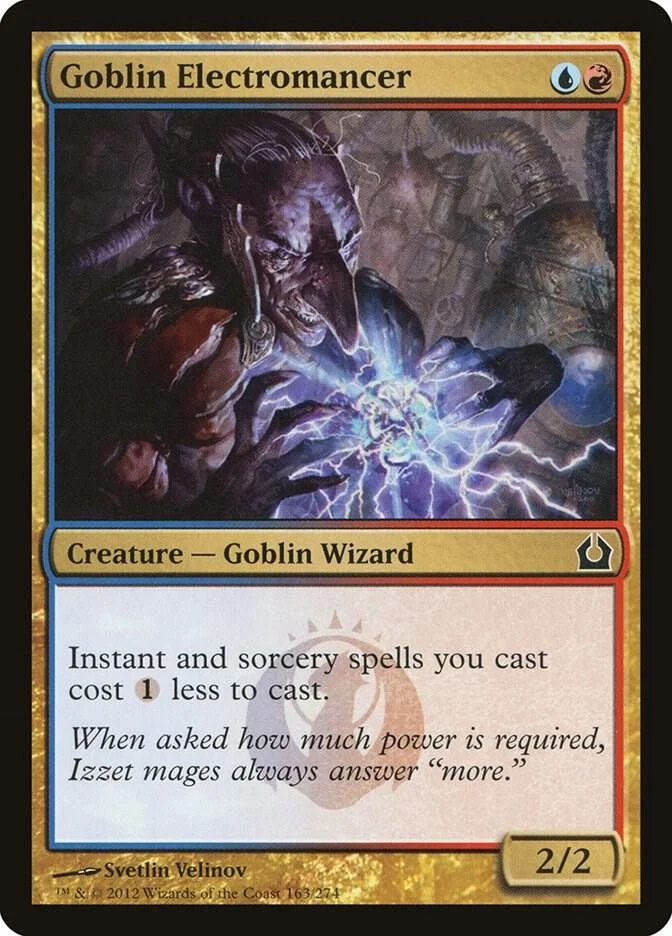
Goblin Electromancer - A classic spell-slinger staple for a reason. Reducing the cost of your instants and sorceries by one may not sound flashy, but in a deck trying to cast bigger spells consistently, that discount adds up fast. This is exactly the kind of early creature you want to see in your opening hand. It helps you get to your larger plays sooner and makes it easier to cast a meaningful spell after Rootha is already on the battlefield.
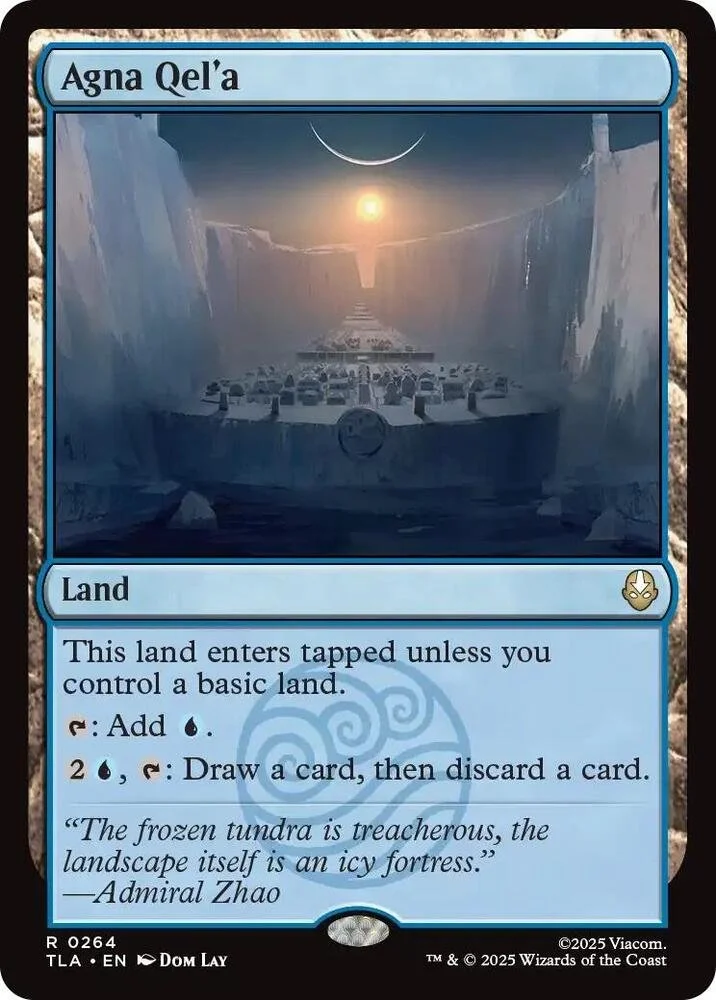
Agna Qel’a / Desolate Lighthouse - I’m listing Agna Qel’a here, but this slot can really be any land that gives you repeatable card selection or card draw without needing to sacrifice itself. Desolate Lighthouse is another great example. Lands that do something beyond tapping for mana are extremely useful in Commander, especially in decks that can run out of fuel after a few big turns. Prismari Artistry wants to keep cards flowing, and having a land that can help you dig through your deck in the late game is a simple but meaningful upgrade.
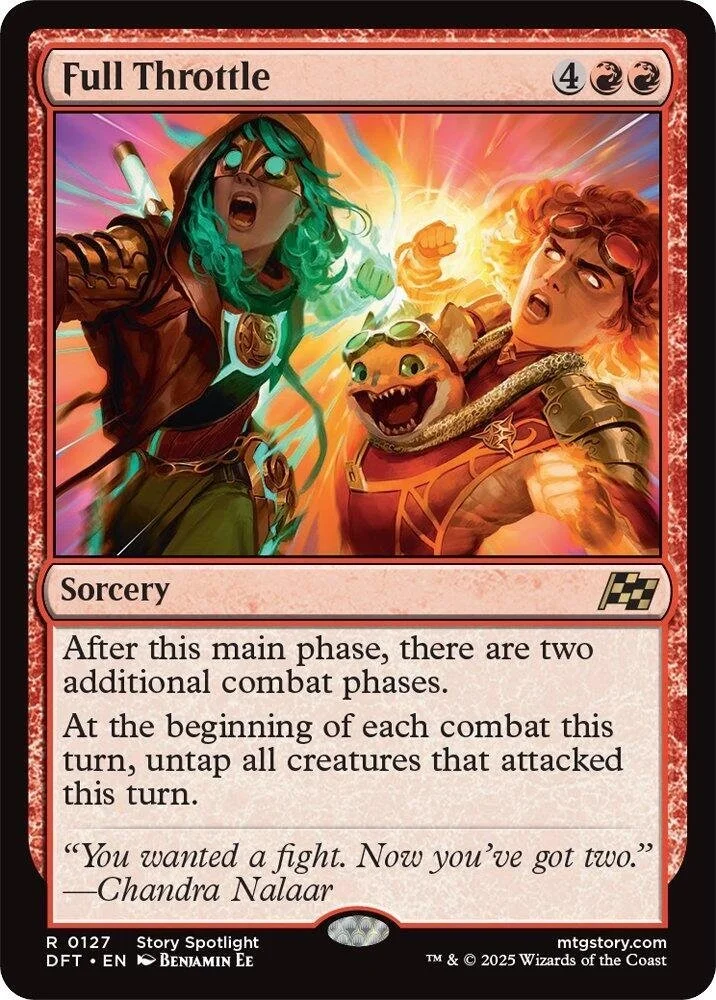
Full Throttle - One thing to note with Rootha is that her ability triggers at the beginning of combat. Because of that, extra combat steps become a lot more interesting than they might look at first. Full Throttle gives you another combat phase, which means another opportunity to trigger Rootha in the same turn. It also has a six-mana value, which lines up nicely with what this deck wants. You are not just adding another combat trick; you are adding a card that works with Rootha’s timing while still being large enough to matter for her payoff.
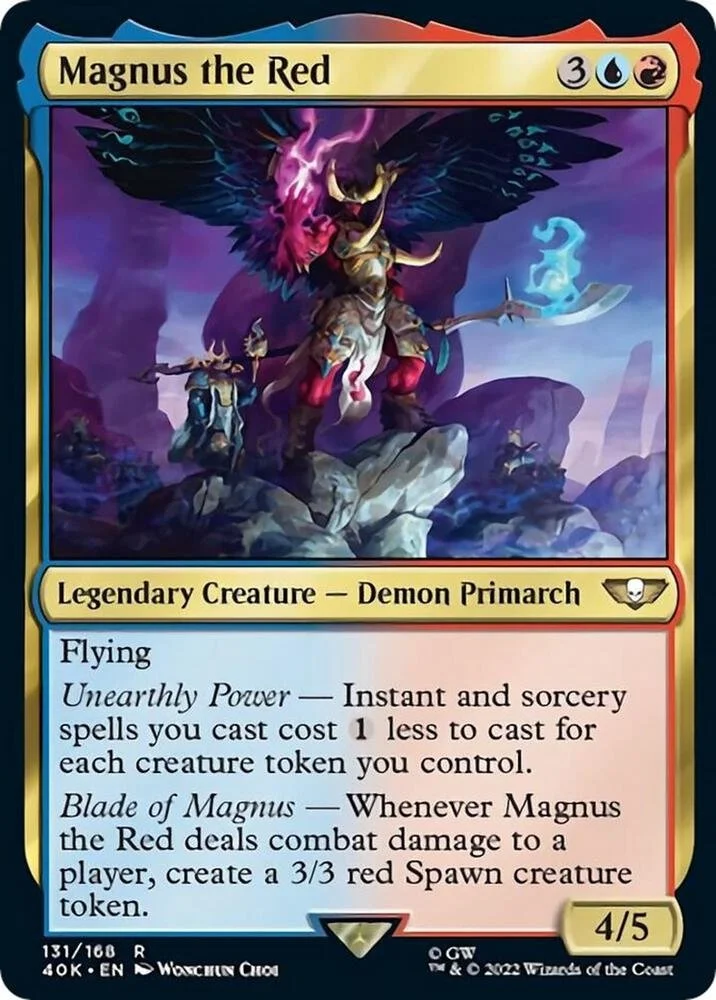
Magnus the Red - I usually try to keep precon upgrade recommendations on the cheaper side, but Magnus the Red feels tailor-made for this deck. Prismari Artistry is already going to be making Elemental tokens, and Magnus rewards you for having a board full of creatures by making your instants and sorceries cheaper. Once this deck gets going, Magnus can turn your massive spells into absurdly discounted plays. Before long, you may be casting eight-mana spells for a single red mana, which is exactly the kind of nonsense Prismari wants to be doing.
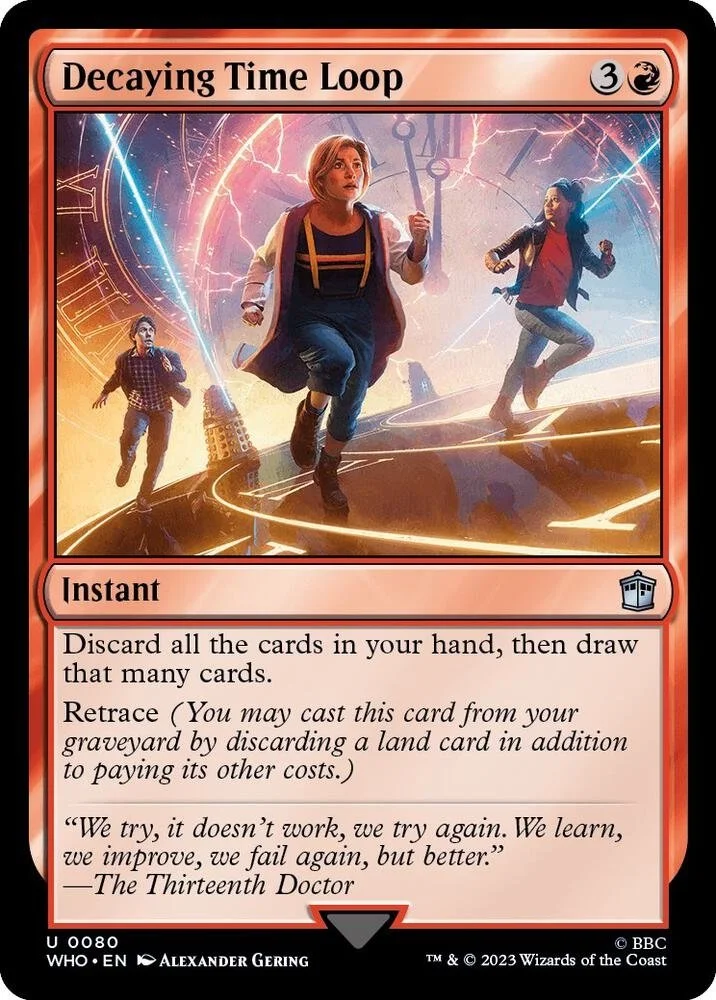
Decaying Time Loop - This gives the deck a way to reset its hand and keep digging for more action. In a deck built around big spells, it is very easy to burn through your hand or end up with the wrong mix of cards at the wrong time. As long as you have a land card in hand, Decaying Time Loop can keep coming back and giving you another shot at finding the pieces you need. It is not just card draw; it is a way to keep the deck from stalling after one big turn.
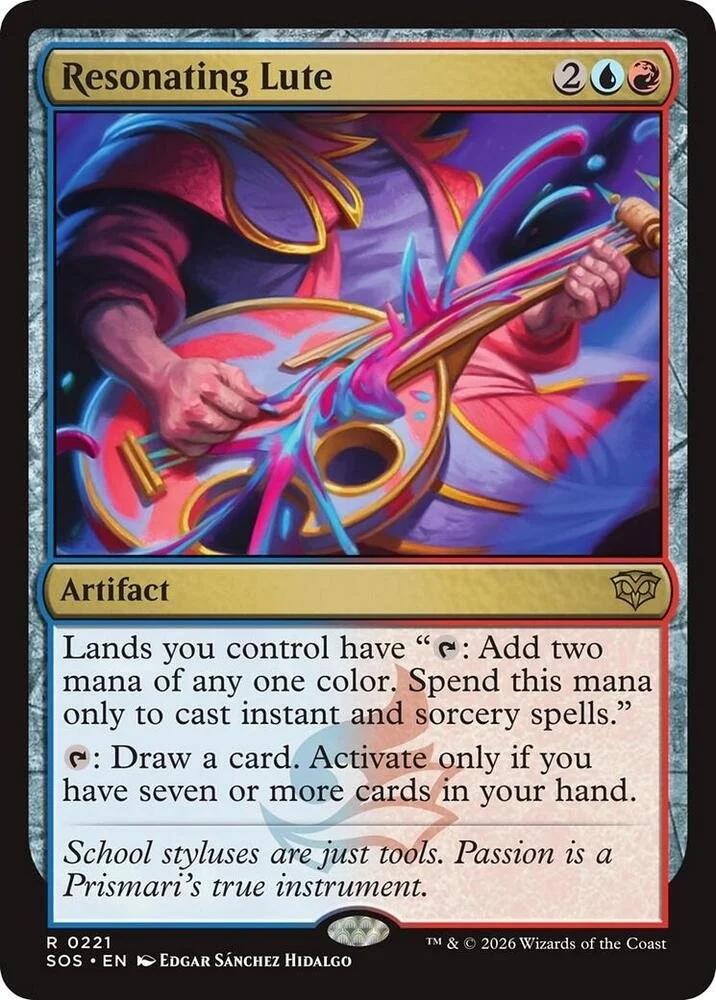
Resonating Lute - Resonating Lute is probably one of the best Limited cards in Secrets of Strixhaven, but it also looks excellent in Commander spell-slinger shells. This artifact makes managing your spells much easier and gives the deck another useful engine piece. Prismari Artistry wants to cast expensive spells without completely emptying its resources every turn, and Resonating Lute helps with that. It is the kind of card that may not look as flashy as your giant finishers, but it helps make those big turns happen more consistently.
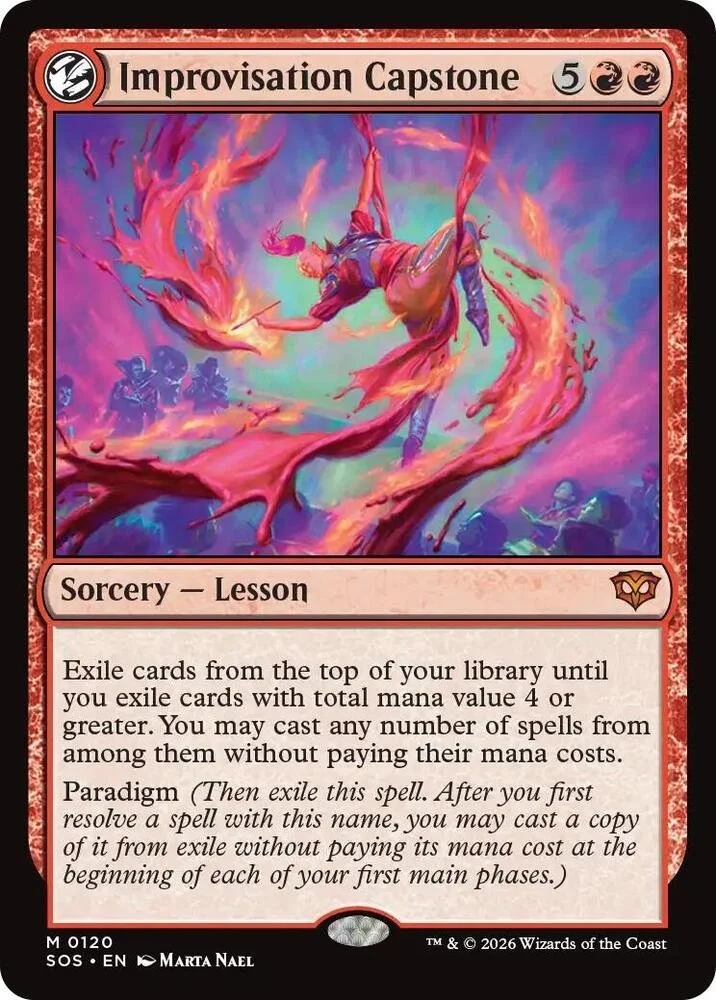
Improvisation Capstone - I think all five of the Paradigm spells from this set are going to see Commander play, and Improvisation Capstone feels especially useful here. The biggest challenge with this deck is finding ways to cast expensive spells while still having enough mana left over to interact or continue developing your board. Improvisation Capstone helps solve that by letting you cast free spells each turn, saving your mana for the high-value plays Rootha actually cares about. It gives the deck another way to cheat on mana without leaning into Treasure tokens, which fits perfectly with this upgrade direction.
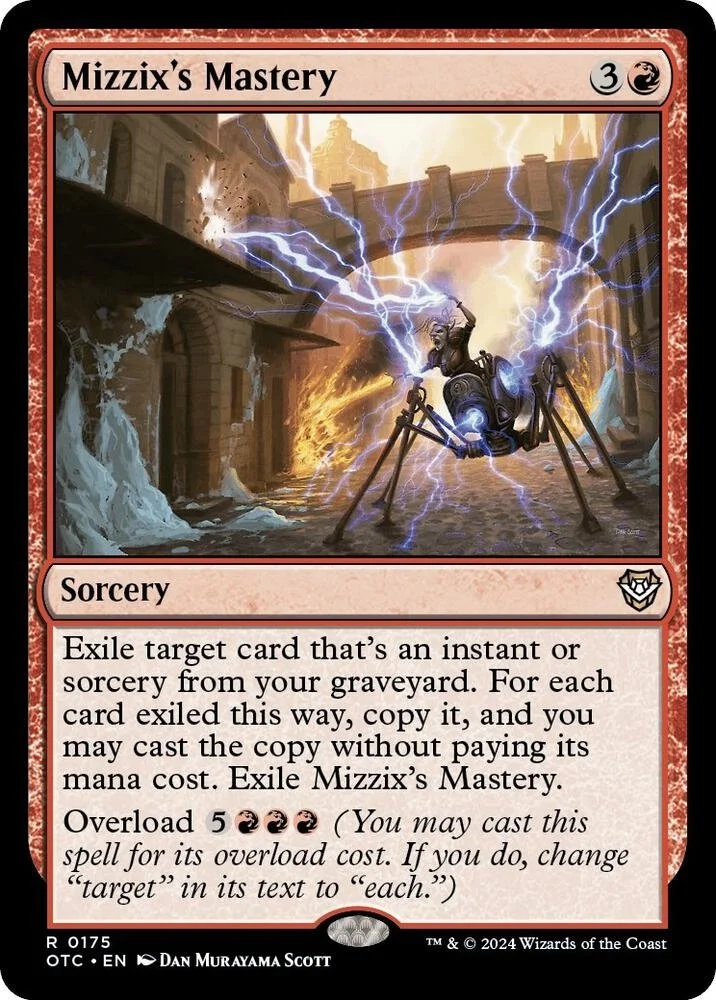
Mizzix’s Mastery - A card that probably needs no introduction. In a deck full of instants and sorceries, it gives you a powerful way to reuse your graveyard and turn the late game into one huge encore performance. Even casting it normally can be strong, but once you overload it, Mizzix’s Mastery can completely swing a game. Since Prismari Artistry is already planning to cast big spells and fill the graveyard naturally, this is an easy include.
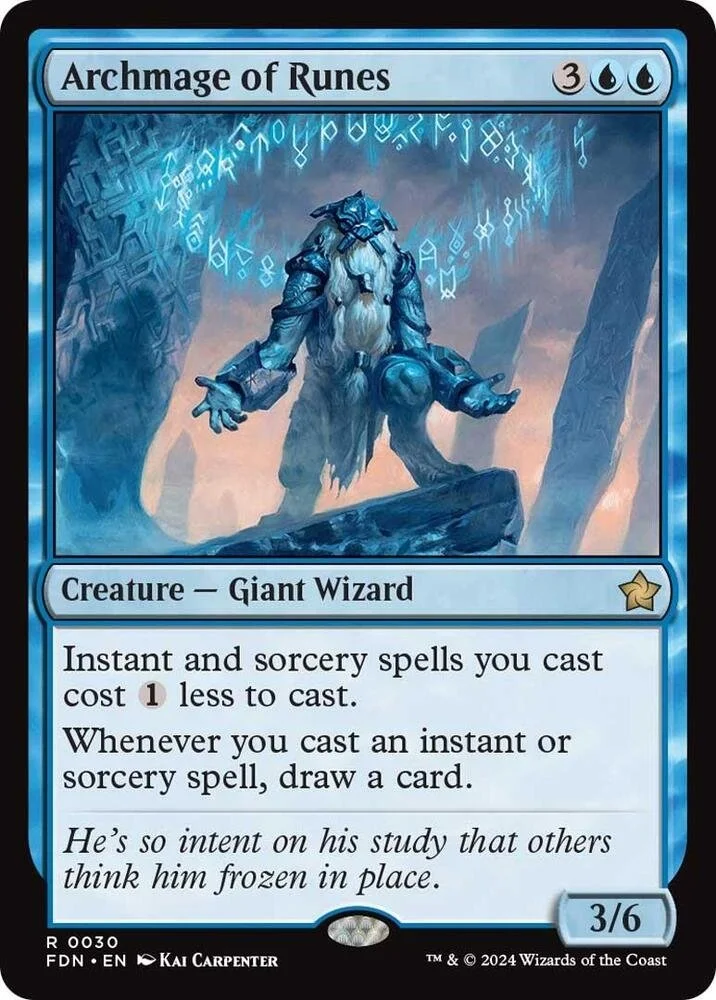
Archmage of Runes - Probably the most obvious addition to the deck. It reduces the cost of your instants and sorceries while also helping you draw cards whenever you cast them. That is basically everything this deck wants on one creature. Cost reduction helps you reach your bigger spells sooner, and the card draw helps make sure you do not run out of gas once the deck starts firing. For any Blue spell-heavy Commander deck, this is already a strong card. In Prismari Artistry, it feels like an auto-include.
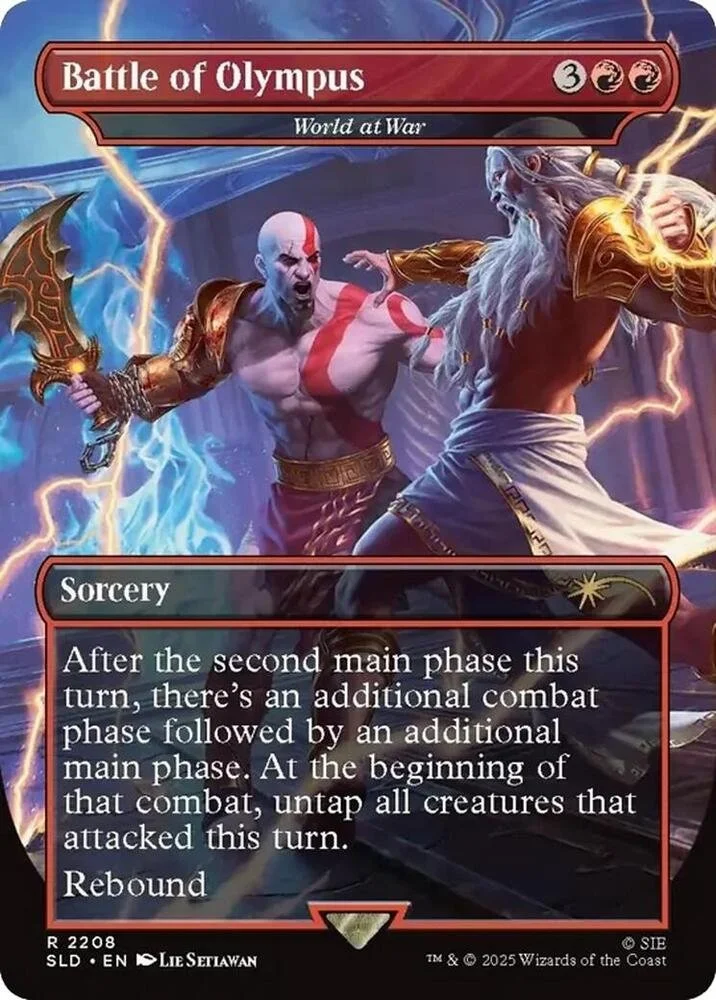
World at War (Battle of Olympus) - Like Full Throttle, World at War aka Battle of Olympus are here because extra combat steps are surprisingly important with Rootha. Since Rootha triggers at the beginning of combat, adding another combat phase means you get another trigger. That can turn one big turn into a massive one, especially if you pair the extra combat spell with a high-mana-value instant or sorcery. These cards help the deck break out of the normal one-spell-per-turn rhythm and create the kind of dramatic, explosive turns Prismari is built around.
Cards to cut from Prismari Artistry
When choosing cards to cut, I wanted to make the deck a little more focused. The main things I looked at were expensive removal that did not feel impactful enough, Treasure-based cards that no longer fit the upgrade plan, and creatures that were good in a general sense but not especially useful for this specific version of the deck.
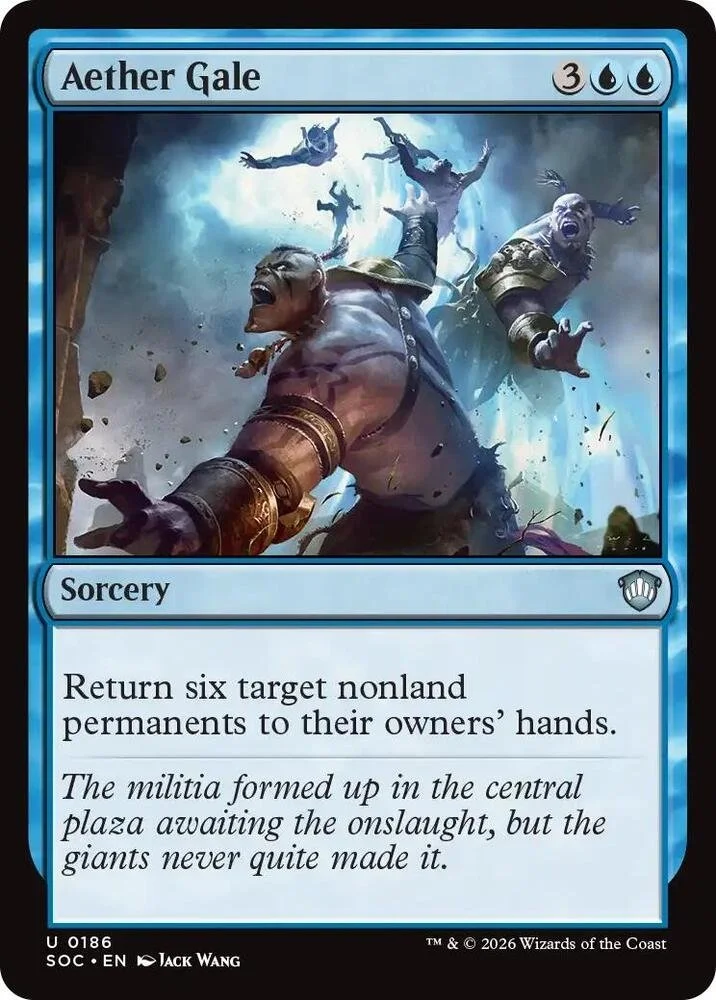
Aether Gale - Five mana is not a terrible cost in this deck, but Aether Gale feels a little underwhelming. Returning six nonland permanents to their owners’ hands can be useful, but it does not permanently answer anything and does not really advance your own game plan. For a deck that wants its bigger spells to feel impactful, this one is just a bit lackluster.
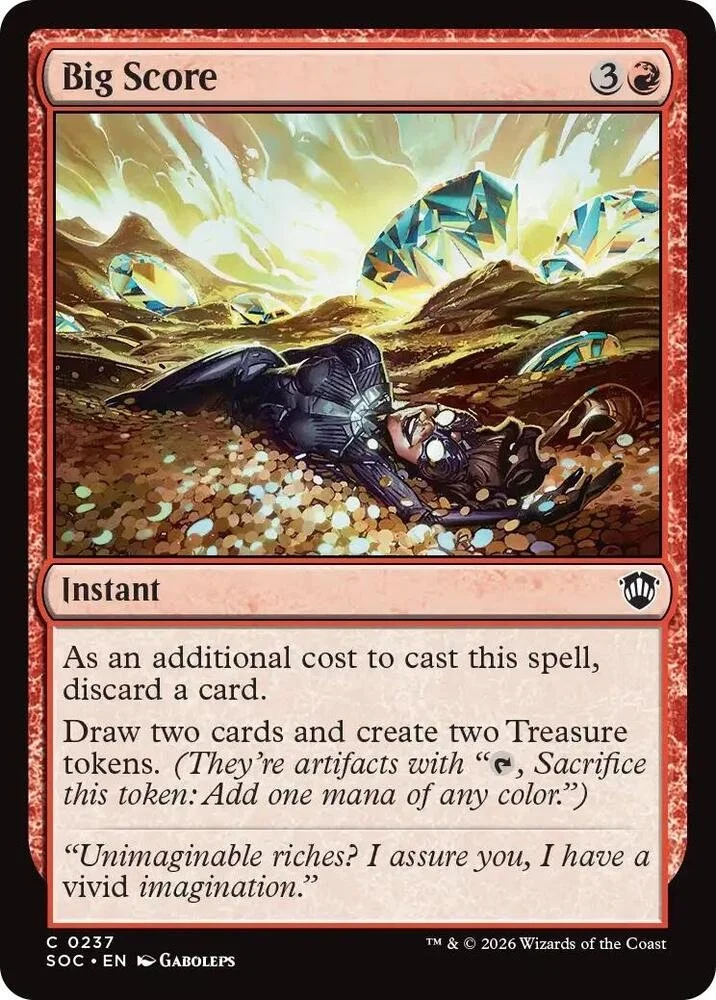
Big Score - A fine card, but I am cutting most of the Treasure package from this version of the deck. Rather than leaning into temporary Red ramp, I want the deck to focus more on making spells cheaper. Cost reduction is more consistent with what this upgraded build wants to do, especially when you are trying to cast big spells turn after turn.
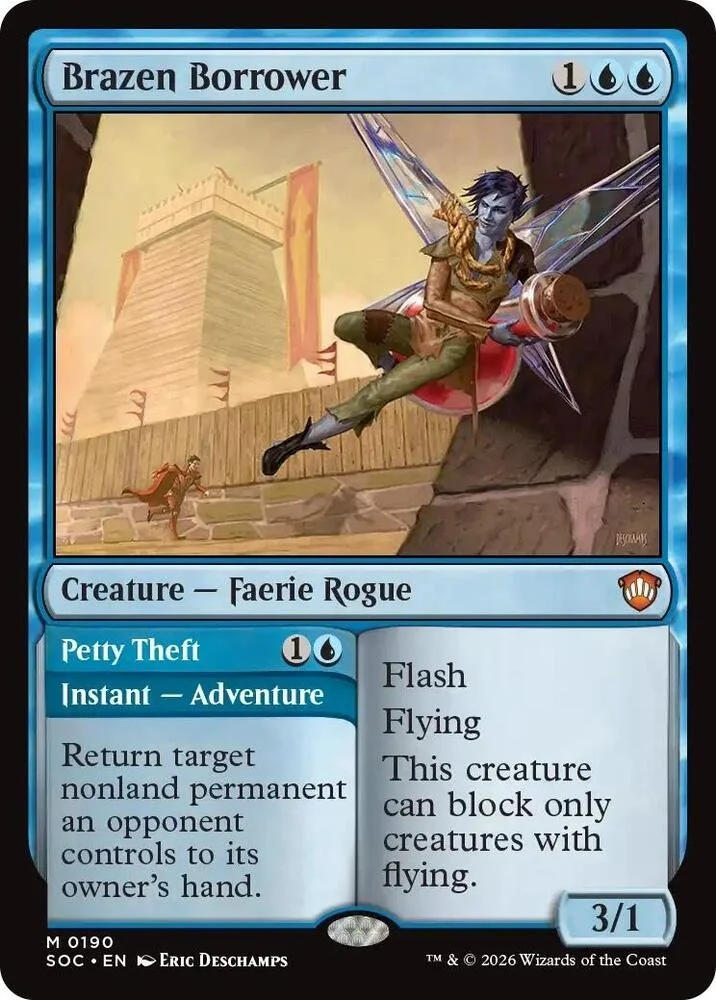
Brazen Borrower - Not a bad card by any means, but it does not do enough for this strategy. The bounce effect is useful, and the creature is efficient, but Prismari Artistry is not really looking for tempo plays. This slot is better used on a card that either helps cast bigger spells, draws cards, or gives Rootha stronger payoffs.
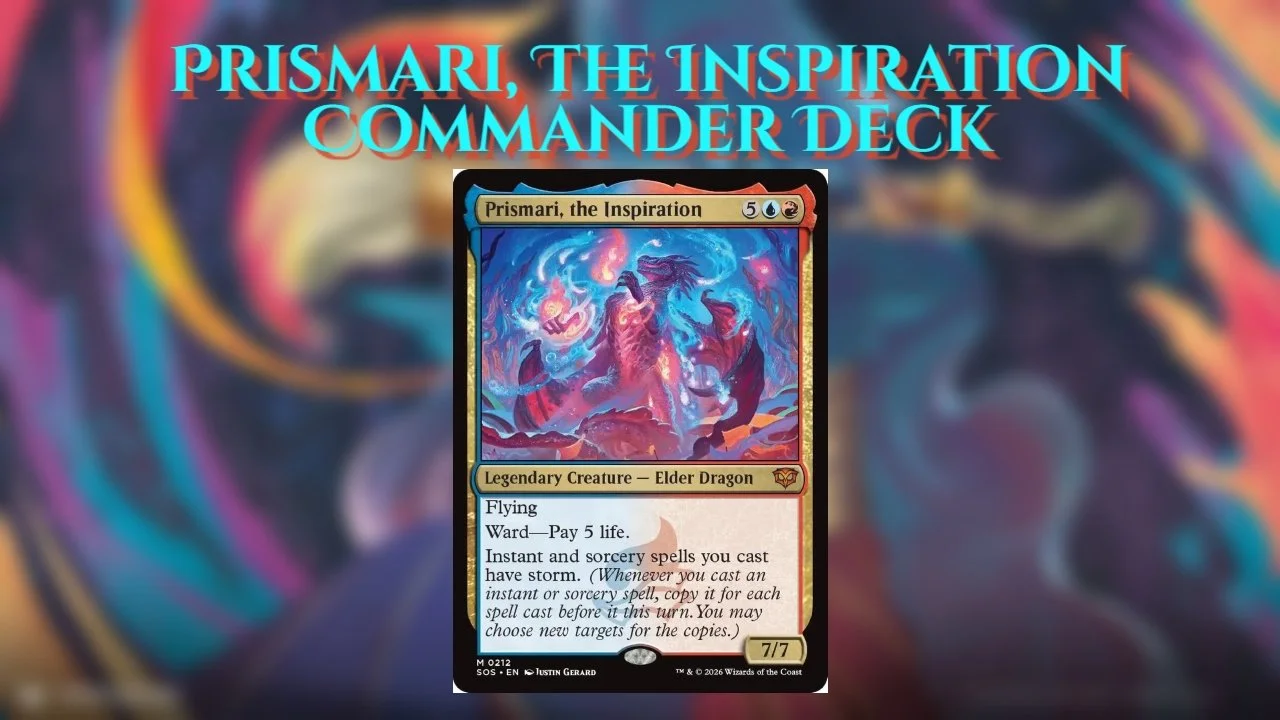
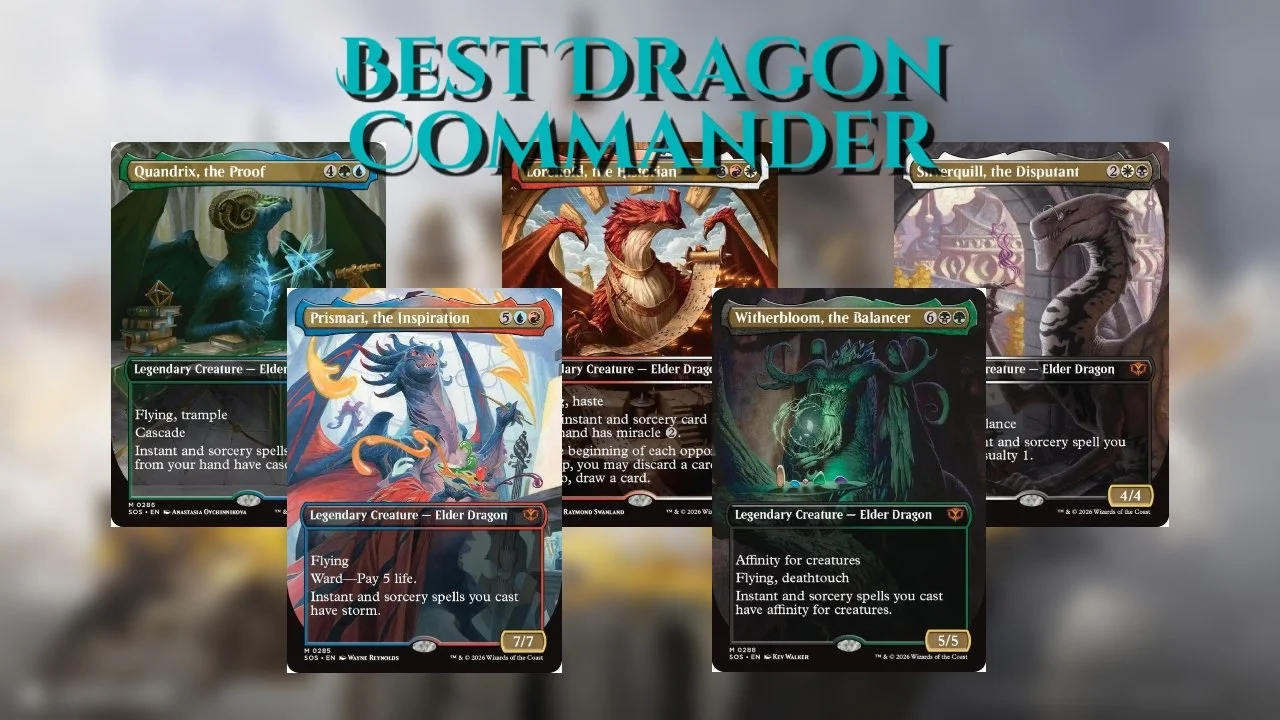
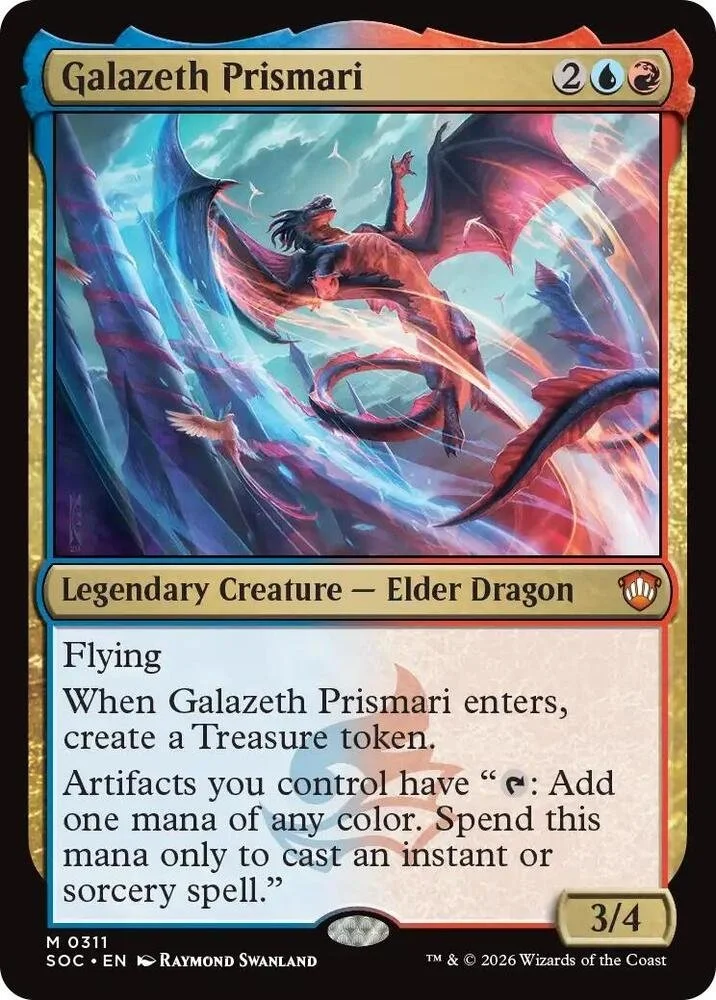
Galazeth Prismari - This is a painful cut because Galazeth Prismari is literally the namesake Elder Dragon of the school, but this upgraded version is moving away from Treasures. If you really want a Prismari dragon in the deck, I would look toward the newer design that gives your instants and sorceries Storm. That version fits the spell-slinging plan much better than Galazeth does in this particular build.
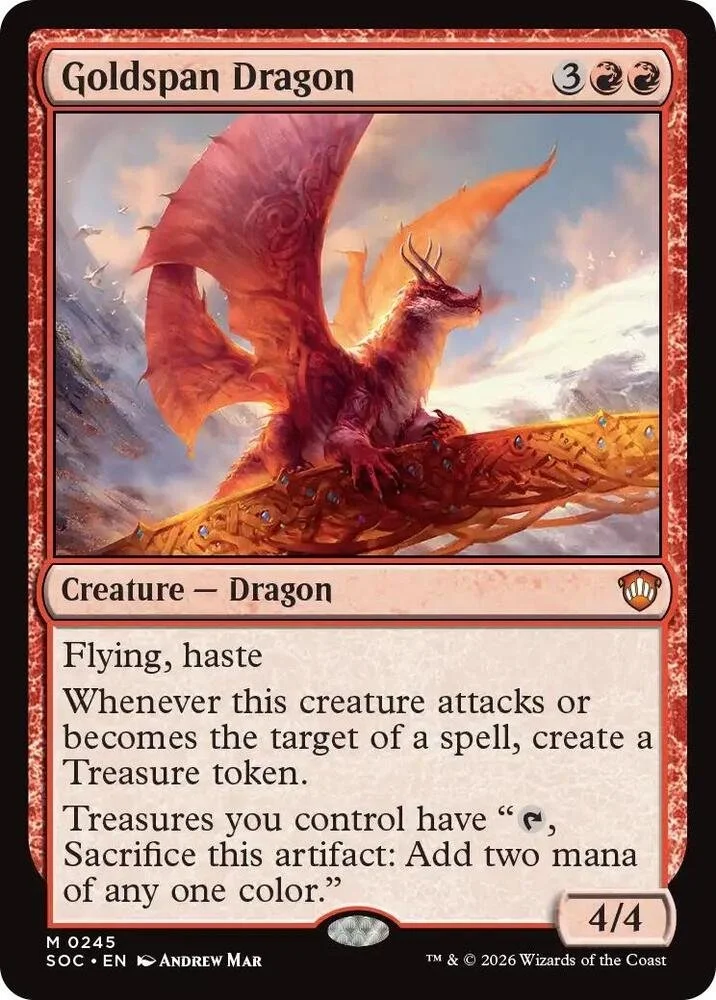
Goldspan Dragon - Another strong card that just does not line up with the direction of the upgrade. Since we are cutting the Treasure package, Goldspan loses a lot of its purpose here. It is still a powerful card in plenty of decks, but in this list, I would rather have something that reduces spell costs or directly supports Rootha.
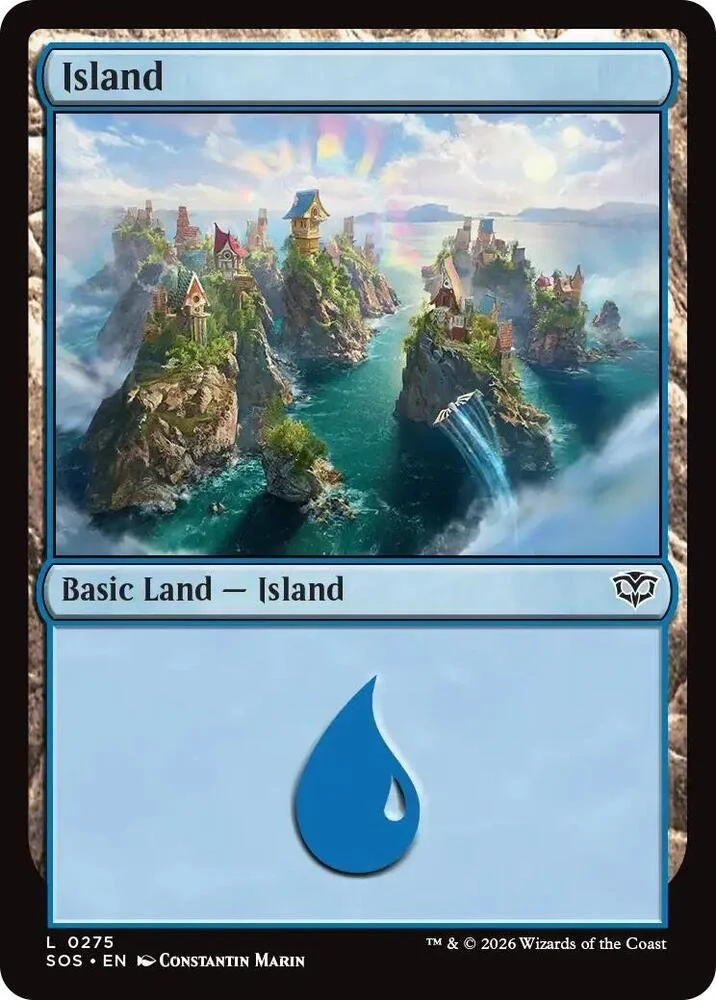
Island - This is not really cutting a land as much as improving the mana base. Swapping a basic Island for a land with an additional ability, like card draw or card selection, gives the deck a little more late-game utility without lowering the land count. Prismari Artistry wants to keep hitting land drops, but it also benefits from lands that can do something extra once you have enough mana.
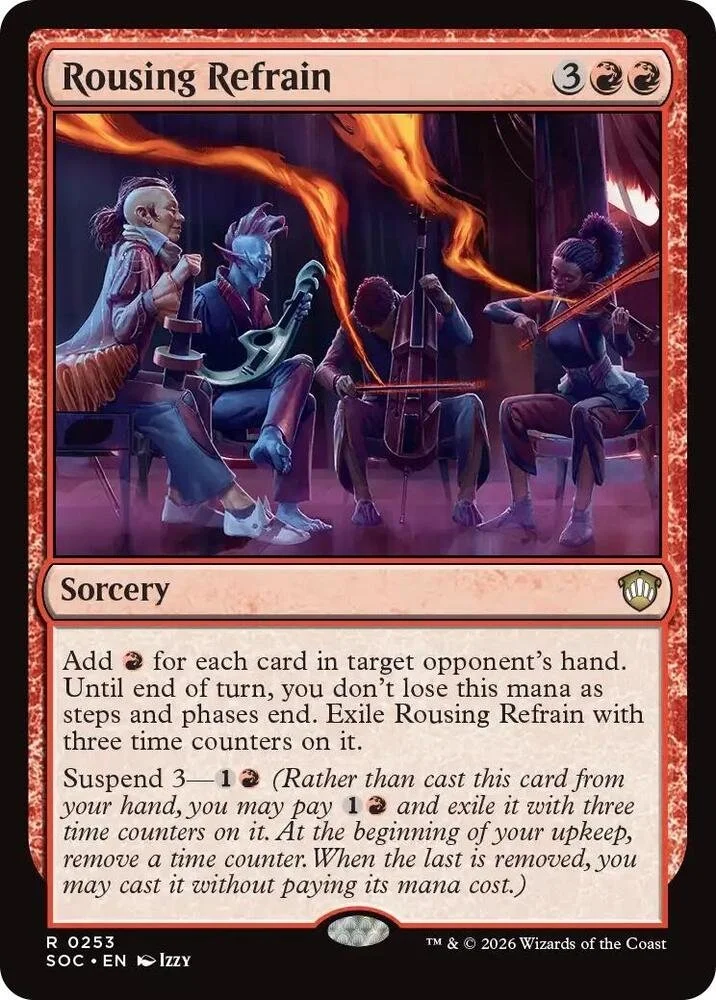
Rousing Refrain - A decent mana value for Rootha, but it is a little too situational. The amount of mana it generates can vary wildly, and this deck wants its support pieces to feel more consistent. For a flashy deck, inconsistency can be fun, but this card does not quite hit hard enough to justify the slot
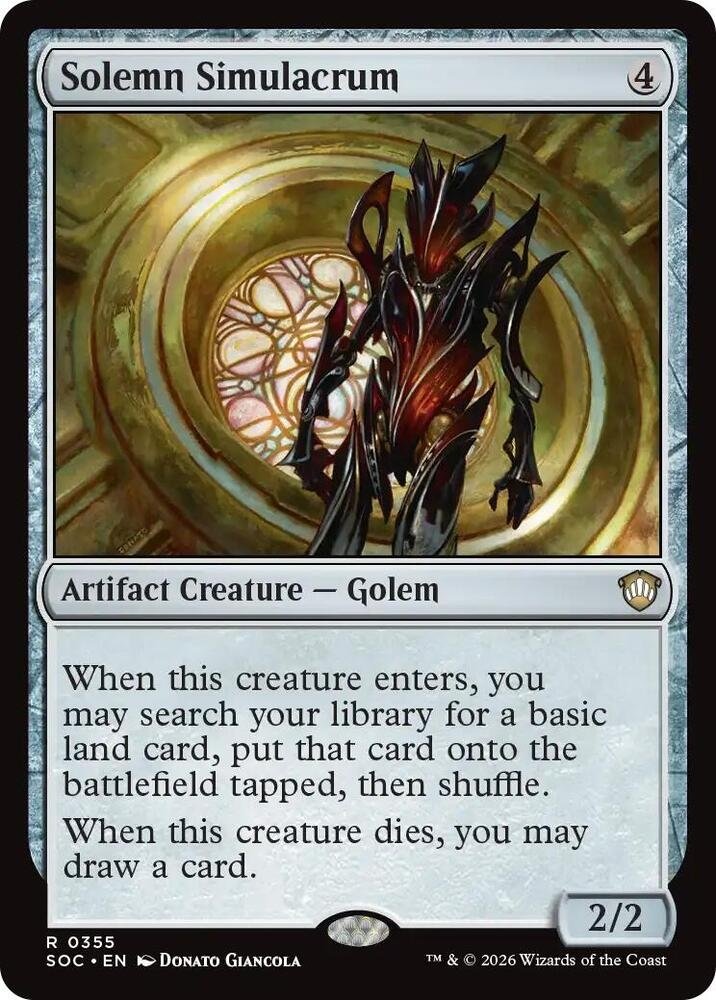
Solemn Simulacrum - Always a solid Commander card, but here it feels a little too average. A one-time land ramp effect is nice, especially in the early game, but this deck would rather have cards that continuously reduce spell costs or help draw into more action.
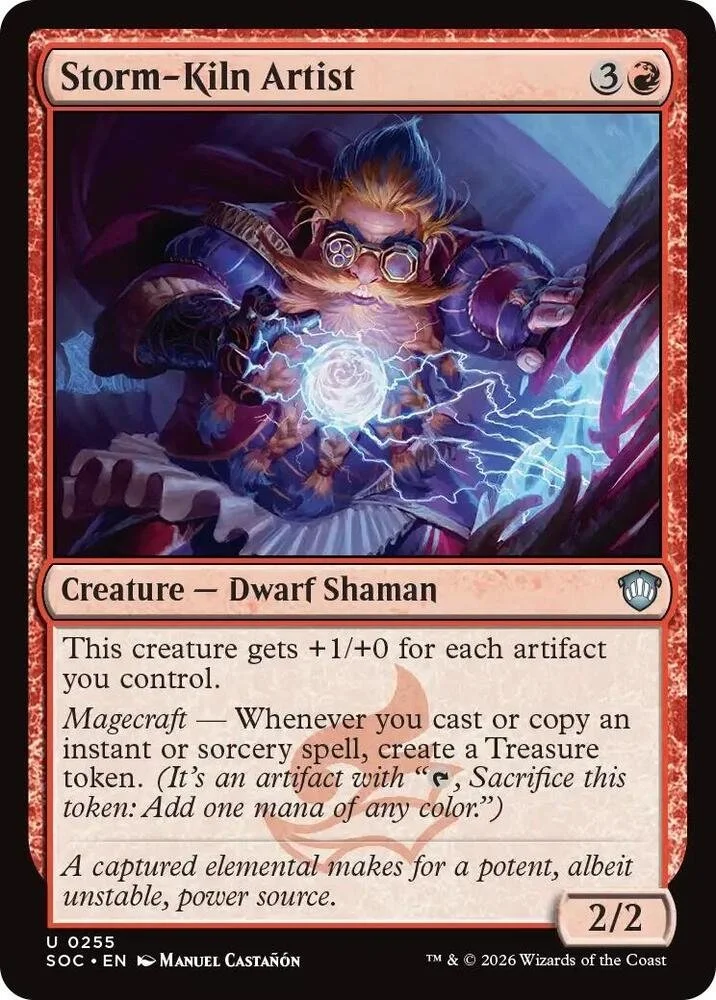
Storm-Kiln Artist - This is another Izzet staple that feels strange to cut, but Storm-Kiln Artist is at its best when the deck wants to make and use a lot of Treasure tokens. Since this upgrade path moves away from Treasures, Storm-Kiln Artist becomes less essential.
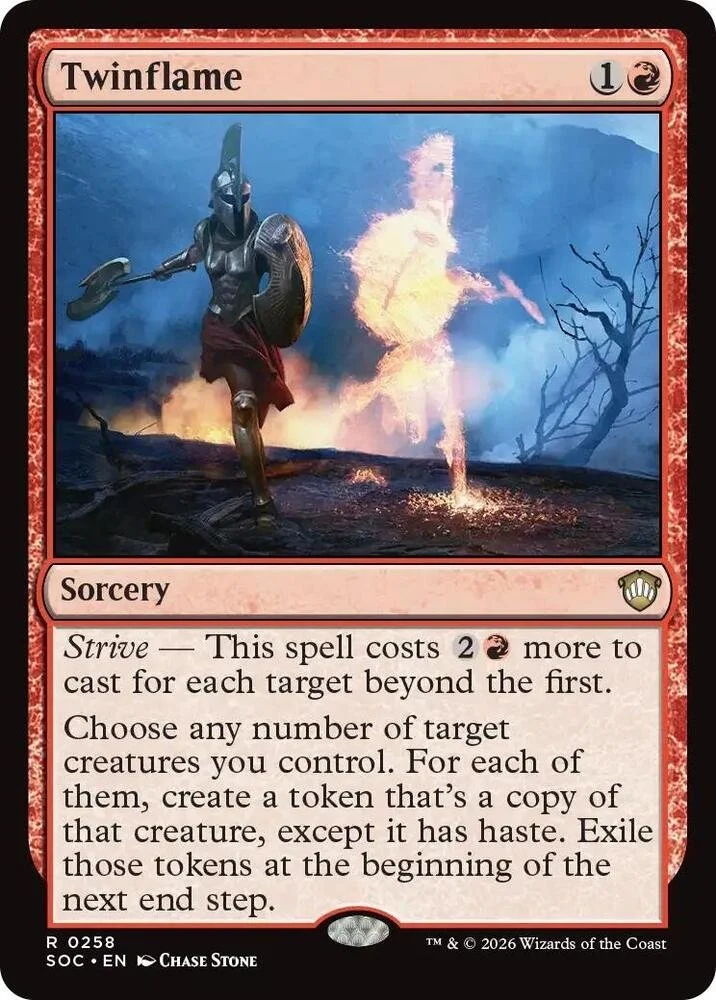
Twinflame - This card technically works with the token side of the deck, but its two-mana value is not really what Rootha is looking for. The deck already has enough token generation built in, and I would rather use this slot for a bigger spell or a more impactful support piece.
Full upgraded decklist here: Upgraded Prismari Artistry Decklist
How to play Prismari Artistry after the upgrades
After these upgrades, Prismari Artistry becomes pretty straightforward in the best way. You want to cast big spells, create Elementals, and use cost reduction to make those big spells much easier to manage.
Your first priority is getting enough mana to cast Rootha. Like the other Secrets of Strixhaven commanders, this deck leans heavily on its commander, so you want Rootha on the battlefield as soon as possible. Once she is in play, you should ideally have access to five or more mana, which is where the deck starts to open up.
From there, the plan is to cast one meaningful spell each turn and let Rootha turn that spell into a large Elemental. You are not trying to storm off right away. You are building toward turns where one spell creates a huge board presence, then using extra combat effects to trigger Rootha again and keep the pressure going.
For mulligans, I would prioritize hands with early mana, cost-reduction creatures, and cards like Resonating Lute. Goblin Electromancer, Archmage of Ruins, and Magnus the Red are all excellent pieces to have early because they help the rest of your deck function more smoothly.
In the late game, you want to look for moments where you can combine an extra combat spell with a high-mana-value spell. That is where the upgraded version of the deck really starts to shine. If you can cast a big spell, create a large Elemental, move into another combat phase, and trigger Rootha again, you can quickly build a board that becomes difficult for opponents to answer.
The deck still plays like a traditional spell-slinger list in some ways, but the difference is in scale. You are not trying to win by casting five tiny spells in a turn. You are trying to make every spell feel like the finale of a stage show.
Final Thoughts
Prismari Artistry is a fun precon because it understands exactly what Prismari is supposed to feel like. It is dramatic, explosive, and built around the idea that bigger really can be better. Rootha gives the deck a clear identity, and with a few upgrades, that identity becomes much easier to execute.
By leaning into cost reduction, repeatable card draw, high-mana-value spells, and extra combat steps, this upgraded version of Prismari Artistry feels more focused without losing the chaotic creativity that makes Red/Blue decks so fun. You still get the classic spell-slinger experience, but with a heavier emphasis on big theatrical turns instead of cheap spell spam.
If you want a Commander deck that rewards you for going big, making massive Elementals, and turning every combat step into part of the performance, Prismari Artistry is a great place to start.
For more upcoming TCG releases, tabletop launches, Commander products, and set coverage throughout the year, be sure to check out our 2026 TCG and Tabletop Gaming Release Calendar. We’ll continue updating it with the latest Magic: The Gathering sets, Disney Lorcana releases, board games, TTRPGs, and more as 2026 rolls on.