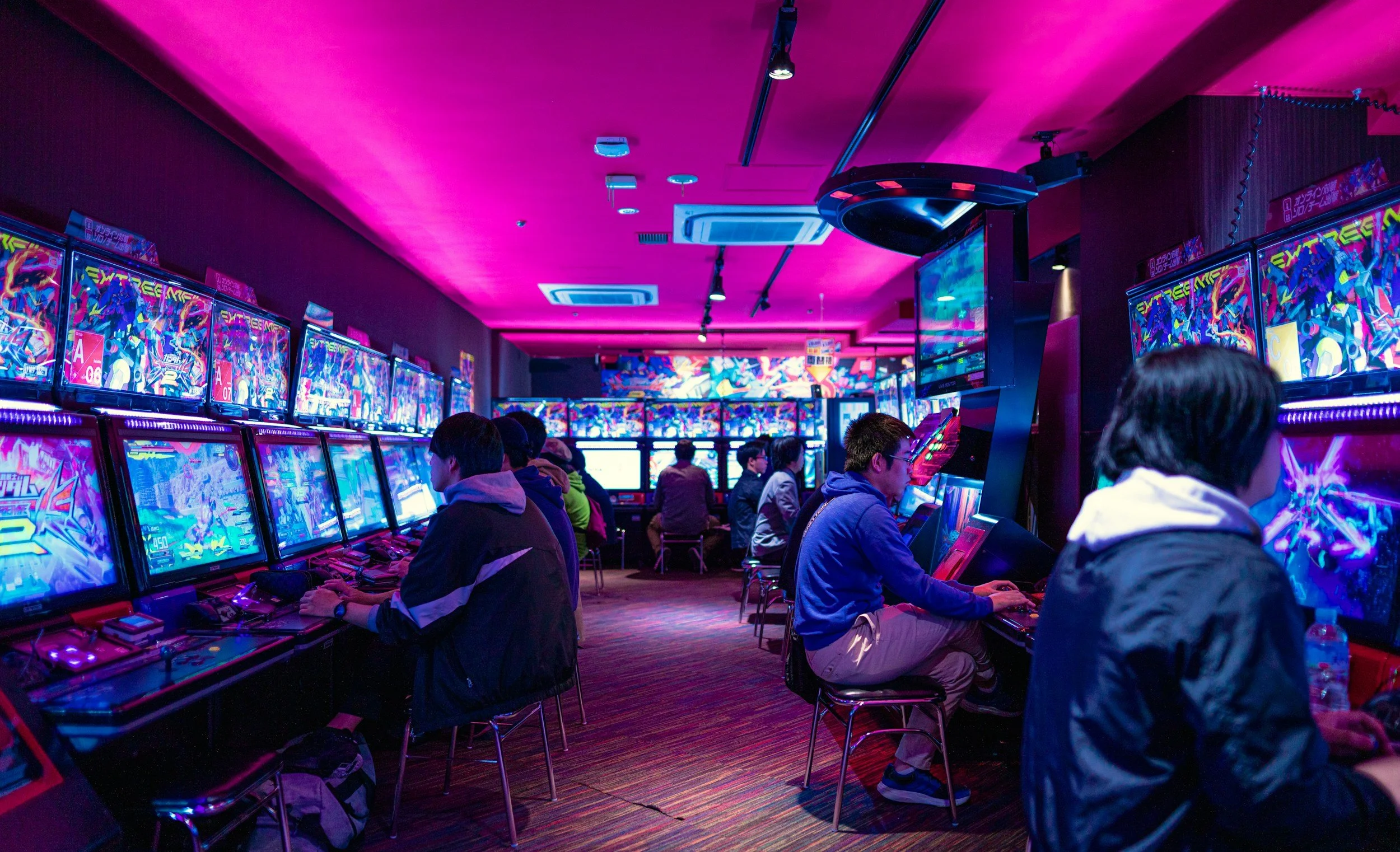
Video games figured out player retention decades ago. Points, unlockable content, ranked leaderboards, seasonal missions, avatar customization. These systems kept people coming back to games that, in many cases, cost nothing to play after the initial purchase. Online casinos watched this happen and started asking an obvious question: why not us?
The answer took a while to materialize because the online casino industry had operated under a fixed set of assumptions for a long time. Put a slot machine online, offer a deposit bonus, run a loyalty program based on wagering volume. That formula worked when competition was thin. It stopped working as hundreds of operators entered the market offering nearly identical products. Players had no particular reason to stay loyal to one platform over another, and the cost of acquiring a new customer kept climbing. Something had to give, and what gave was the old playbook.
What replaced it came almost entirely from the video game industry. Casinos started borrowing design principles, retention mechanics, and reward structures that game developers had been refining since the early 2000s. The result has been a different kind of online casino, one where playing slots or blackjack sits inside a larger system of progress, competition, and personalization.
Casino Formats That Borrowed From Gaming and Where They Ended Up
Real-money platforms, live dealer rooms, crypto casinos, and mobile-first operators all compete for attention in 2026. Alongside them, social and sweepstakes models have gained ground across the U.S., and a growing list of sweepstake casinos shows how quickly that segment is expanding. VR and metaverse casinos remain experimental by comparison.
Gamified casinos pull the most directly from video games, using progression systems, leaderboards, and missions to keep players returning. According to iLogos Game Studios, gamified platforms retain up to 75% of players over six months, compared to roughly 50% on non-gamified ones.
Progression Systems and Why They Work
The single most borrowed idea from video games is the progression bar. In a typical game, you earn points for completing tasks, and those points fill a bar that moves you to the next level. Each level unlocks something: a new weapon, a cosmetic item, or access to a harder stage.
Online casinos applied this directly. Players earn points for placing bets, and those points push them through a tiered system. Each tier might unlock better withdrawal limits, personalized bonuses, or access to exclusive game rooms. The psychological pull is the same one that keeps someone grinding through levels in a role-playing game. You can see how close you are to the next tier, and that visibility creates a reason to keep going.
This is measurably effective. The retention gap between gamified and non-gamified platforms, roughly 75% versus 50% over six months, shows that progression mechanics do exactly what they are designed to do.
Missions, Challenges, and Seasonal Content
Video games cycle through seasonal events constantly. A battle royale game might run a Halloween event for three weeks with exclusive rewards. A racing game might introduce a winter track with a limited-time leaderboard. These events create urgency because the content disappears.
Casinos adopted this model by running time-limited challenges. A platform might ask players to hit a certain number of wins on a specific slot game within a week, with a reward waiting at the end. Some operators structure these into “seasons” that last 30 to 60 days, each with its own set of objectives and a final prize pool. The format keeps the product feeling fresh without requiring the operator to build entirely new games.
Live Dealer Rooms and the Spectator Model
Live and in-play betting now accounts for 53.4% of all online betting activity as of early 2026. Part of that growth comes from live dealer rooms, which bring a human element into the online format. But the video game influence here is subtler.
Streaming platforms like Twitch proved that millions of people will watch someone else play a game. Live dealer rooms borrow from that same impulse. Players are watching a real person deal cards or spin a wheel in real time, and the chat functions built into many of these rooms resemble what you would find on a game stream. The interaction between the dealer and the table creates a social layer that a random number generator on a standard slot cannot replicate.
Crypto Casinos and Ownership Mechanics
Blockchain-based platforms introduced something borrowed from gaming economies: true ownership of in-game items. Some crypto casinos now issue rewards as tokens or collectible assets that players own outright, can trade, or can hold for potential future value. This mirrors how certain video games built entire economies around tradable items, skins, and collectibles.
Where the Money Is Going
A ResearchAndMarkets.com report projects the online gambling market to reach $101.45 billion by 2026. That figure funds the continued import of gaming mechanics into casino products. Nearly 80% of online gamblers use smartphones as their primary device, which means operators are building for mobile screens first. Mobile-first design was standard in gaming years before casinos caught on.
What This Tells Us
Online casinos stopped trying to compete on the quality of individual games alone. They started competing on the systems surrounding those games. The video game industry provided a tested blueprint for keeping players engaged over long periods, and the casino industry adopted it with measurable success. Operators that understood this shift early now hold a retention advantage that bonus offers alone cannot match.
Conclusion
The evolution of online casinos highlights how ideas developed in one digital industry can reshape another. Video games spent decades refining ways to keep players engaged through progression systems, social interaction, and regularly refreshed content. When casinos adopted these same mechanics, the experience moved beyond simple wagering and became a more structured form of interactive entertainment.
As competition within the online casino industry continues to intensify, operators will likely keep borrowing from gaming design. Features such as gamification, personalized rewards, and mobile-first experiences are no longer experimental additions — they are becoming central to how modern online casinos attract and retain players.
FAQ
Why are online casinos using video game mechanics?
Video games developed effective player retention systems such as progression levels, achievements, and seasonal events. Online casinos adopted these mechanics to encourage longer engagement and improve player loyalty.
What is a gamified online casino?
A gamified online casino incorporates features like missions, leaderboards, rewards, and progression systems similar to those found in video games. These features create a sense of progress beyond individual bets.
Do gamification features increase player retention?
Yes. Industry data suggests gamified casino platforms retain significantly more users over time compared with traditional online casino formats.
How do live dealer games connect to gaming culture?
Live dealer rooms create real-time interaction similar to game streaming platforms. Players can watch, chat, and participate in games while a live host runs the table, creating a more social experience.