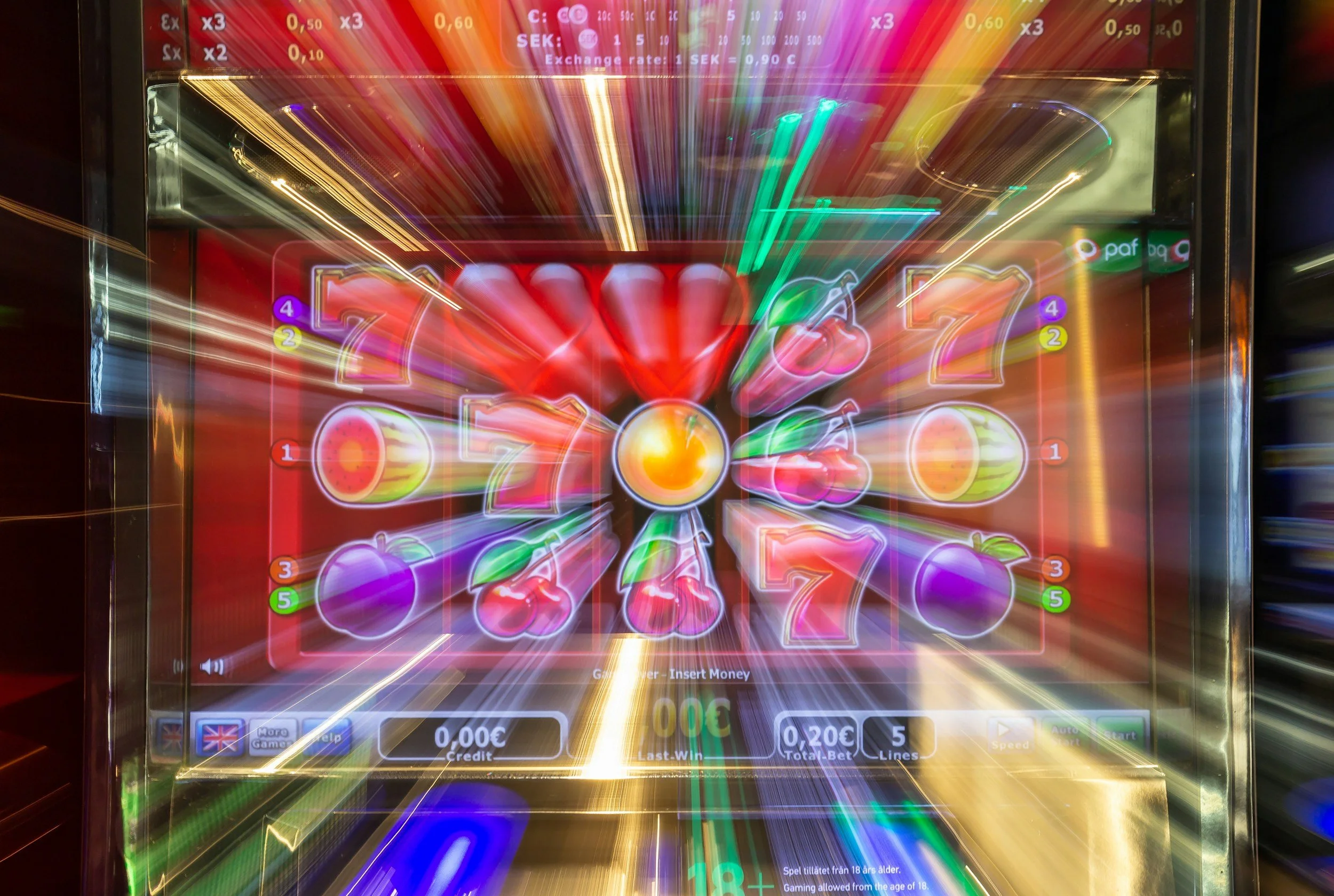
The line between video games and casino entertainment continues to blur. Players who grew up mastering complex RPGs now seek the same thrill in fast-paced betting environments. This crossover demands platforms that understand both audiences deeply. Few operators capture this fusion as effectively as Rocketplay, which merges arcade-style engagement with serious wagering mechanics. For those interested in exclusive perks, the Rocketplay casino vip program delivers tailored rewards that mirror the progression systems found in popular multiplayer titles. It treats loyalty like an experience bar, not a simple ledger.
Modern players expect instant feedback, visual flair, and clear progression paths. They want gamified elements that reward skill and persistence. Rocketplay answers this call by integrating features that feel familiar to anyone who has spent hours unlocking achievements in their favorite console games.
Key Facts: The Numbers Behind the Shift
The gaming and gambling industries are converging at a rapid pace. Data from 2025 and projections for 2026 reveal a market in transformation.
The global online gambling market reached $97.15 billion in 2025, with projections exceeding $114 billion by 2026, according to Statista.
A 2025 survey by the Entertainment Software Association found that 68% of regular casino players also play video games weekly, up from 54% in 2020.
Live dealer games experienced a 42% growth in user engagement between 2023 and 2025, driven by streaming culture and interactive features.
Mobile gaming accounts for 61% of all gaming revenue, and mobile casino platforms now capture 58% of online betting traffic as of early 2026.
Gamification elements, such as missions and leaderboards, increase player retention rates by 31%, based on industry research published in 2025.
The average session length for gamified casino platforms is 47 minutes, compared to 22 minutes for traditional online casinos.
These numbers tell a clear story. Players want more than a simple spin or card draw. They want context, narrative, and a reason to return.
Why Gamification Mirrors Modern Video Game Design
Video game developers mastered the art of the reward loop decades ago. They understand that intermittent reinforcement keeps players engaged. Slot developers borrowed this concept and elevated it. Modern slots now feature multi-level bonus rounds, pick-and-click mechanics, and progressive storylines that unfold over multiple sessions. This design philosophy transforms a simple wager into a mini-adventure.
Rocketplay embraces this approach wholeheartedly. The platform structures its bonuses around clear objectives. Players complete tasks, earn points, and unlock new tiers. This mirrors the achievement systems seen in titles like *Destiny 2* or *Fortnite*. The psychological pull is identical. You play one more round to see what happens next. The platform also incorporates visual feedback that rivals modern UI design. Animated counters, celebratory sound effects, and dynamic color shifts make every win feel significant, even when the payout is modest.
The result is a product that respects the player's time. It acknowledges that modern audiences have options. If a platform feels static or boring, they will leave. Rocketplay keeps the experience fresh by rotating game selections and introducing limited-time events. These events often carry themes inspired by popular culture, from cyberpunk aesthetics to fantasy epics, which resonates with the entertainment-savvy demographic that GameTyrant covers.
The Social Element: Streaming and Shared Experiences
Twitch and YouTube transformed how people consume gaming content. Watching someone else play is now a mainstream pastime. The casino industry took notice. Live dealer games replicate the social atmosphere of a physical casino while adding the interactive elements of a live stream. Players can chat with the dealer and other participants in real time. This creates a shared experience that bridges the gap between solitary gaming and community interaction.
Rocketplay integrates social features that go beyond basic chat functions. Leaderboards track top performers weekly, fostering friendly competition. Players can see how their activity compares to others, much like checking a friend's progress in a co-op campaign. The platform also hosts tournaments with clear rules and visible prize pools. These events generate excitement and encourage participation, similar to seasonal events in games like *Apex Legends* or *World of Warcraft*.
This social dimension matters because modern entertainment is rarely a solo activity. People share clips, discuss strategies, and compare results. A platform that facilitates this interaction becomes part of a larger cultural conversation. It moves beyond being a transactional service and becomes a destination.
Progression Systems and Player Retention
The concept of the "grind" is familiar to any gamer. You repeat actions to earn experience points, which unlock new abilities or items. This system relies on delayed gratification. The reward comes after sustained effort. Traditional casino models lacked this depth. You either won or lost, and the cycle reset instantly. Rocketplay changes this by implementing a persistent progression system.
The VIP structure works like a prestige system. Each tier offers tangible benefits that improve the player's experience. Cashback rates increase, withdrawal limits rise, and personal managers become available. These perks provide a reason to stay loyal. The platform effectively turns casual visitors into dedicated patrons by appealing to their desire for status and recognition. This approach mirrors how games like *Call of Duty* or *League of Legends* keep players invested across multiple seasons.
Furthermore, the platform uses data to personalize offers. It tracks player preferences and tailors bonuses accordingly. A player who enjoys table games receives different promotions than one who prefers slots. This level of customization creates a sense of being understood. It builds trust and encourages continued engagement. The player feels like the platform works for them, not the other way around.
Conclusion
Rocketplay succeeds because it understands the modern player. It borrows the best elements from video game design and applies them to the casino space. Gamification, social interaction, and progression systems are no longer optional features. They are essential components for any platform hoping to capture the attention of a generation raised on interactive entertainment. The data supports this shift, and the platform delivers on it. For players who appreciate thoughtful design and rewarding experiences, Rocketplay offers a compelling option that respects their intelligence and their time. The future of online gaming belongs to platforms that treat players like participants, not spectators.