Few game economies have grown as quickly or as organically as the one surrounding Counter-Strike skins. What began as a cosmetic addition has evolved into a complex ecosystem where players collect, trade, and evaluate virtual items much like collectors in traditional markets. The cs skin market now represents one of the most recognizable digital item economies in gaming, attracting both casual players and dedicated traders who follow price trends closely.
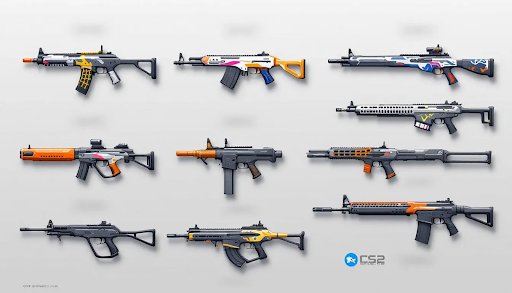
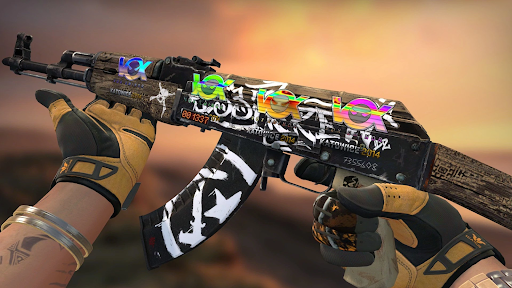
At its core, the system revolves around weapon skins — cosmetic designs that change the appearance of guns in the game. While these skins do not affect gameplay performance, they add a layer of personal style to matches and have become highly desirable items within the community. Over time, the combination of rarity, demand, and trading opportunities transformed skins into tradable assets.
Where skins come from
Before skins can be traded or sold, they need to enter the ecosystem. Counter-Strike introduces new skins primarily through weapon cases and collections released with game updates.
Players obtain skins through several common methods:
opening weapon cases using keys
receiving occasional drops while playing
buying items from the Steam Community Market
trading with other players
Cases contain a predefined set of skins, each with different rarity levels. When a player opens a case, the item received is selected randomly from that set. This randomness plays a key role in maintaining scarcity for certain skins.
Over time, older cases become less common, which can make the skins associated with them more valuable.
Rarity tiers and why they matter
Every skin in Counter-Strike belongs to a rarity category. These tiers influence how often a skin appears when cases are opened and strongly affect market value.
The standard rarity levels include:
Consumer Grade (very common)
Industrial Grade
Mil-Spec
Restricted
Classified
Covert
Special items such as knives or gloves
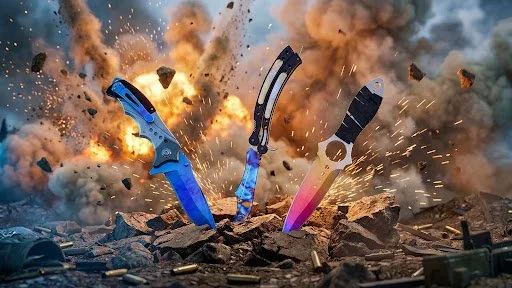
Skins from the highest tiers appear far less frequently, which naturally increases their desirability. Special items like knives are particularly sought after because of their rarity and unique animations in the game.
As a result, these items often command the highest prices in the market.
The role of the Steam Community Market
The Steam Community Market is the official marketplace where most skin transactions take place. Players can list items from their inventory and set a price for other users to purchase.
When someone buys a skin, the transaction happens automatically and the item transfers to the buyer’s inventory. The seller receives the corresponding amount as Steam wallet balance.
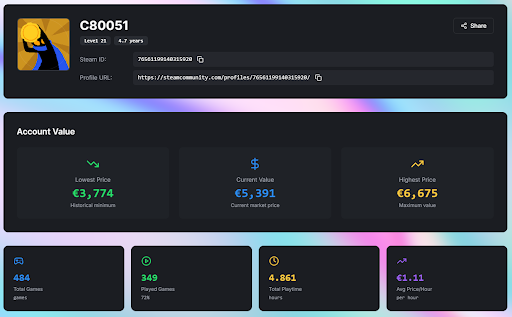
This system makes trading accessible to almost anyone who owns the game. It also creates a transparent environment where players can observe price history, supply levels, and current listings.
Because of this visibility, many traders monitor market data closely to understand how item values change over time.
Factors that influence skin prices
Not all skins hold the same value. Prices fluctuate depending on several variables that affect desirability among players.
Some of the most important factors include:
rarity and drop probability
weapon popularity in competitive play
visual design and color patterns
condition or wear level of the skin
availability of the case or collection
Wear levels play an especially interesting role. Every skin has a float value that determines how worn the item appears. A Factory New version of a skin may look almost pristine, while a Battle-Scarred version can appear scratched or faded.
Even though they are technically the same skin, these different conditions can result in very different prices.
Trading between players
Beyond the official marketplace, many transactions occur through direct trades between players. The Steam trading system allows two users to exchange items without using the market.
This system is popular among collectors and traders who want to negotiate deals. Sometimes players exchange several lower-value skins for one higher-tier item. In other cases, they trade items from different collections to complete personal inventories.
Communities dedicated to trading often form around forums, Discord servers, and social platforms where players discuss potential deals.
Why skins became a gaming phenomenon
The success of the skin economy did not happen by accident. Several factors helped turn Counter-Strike skins into a cultural phenomenon within gaming.
First, the visual appeal of skins makes them instantly recognizable during matches. Players often enjoy showing off unique or rare items while playing.
Second, the randomness of case openings creates excitement and anticipation. Even though rare drops are uncommon, the possibility of obtaining one keeps players interested.
Finally, the ability to trade items gives players a sense of ownership and control over their inventories. Unlike many other games where cosmetic items are locked to an account, Counter-Strike allows skins to move freely between users.
This flexibility helped create a market that feels dynamic and community-driven.
The importance of demand
In any market, demand plays a crucial role in determining prices. The same principle applies to skins in Counter-Strike.
If a skin becomes popular among professional players or content creators, interest can increase quickly. When demand rises while supply remains limited, prices tend to climb.
Certain skins have become iconic partly because they appear frequently in esports tournaments or streams. Players watching competitive matches often notice these items and develop interest in owning them.
This connection between gameplay culture and market value is one of the unique aspects of the skin economy.
Market trends and fluctuations
Like any digital marketplace, the value of skins can change over time. Updates to the game, the introduction of new cases, or shifts in player interest can all affect prices.
For example, when a new collection launches, older skins may temporarily lose attention as players focus on the latest items. On the other hand, discontinued cases can make certain skins more desirable due to their decreasing availability.
Experienced traders often track these trends carefully. By watching how supply and demand evolve, they try to predict which items may increase in value.
A digital economy inside a game
What started as simple cosmetic customization has grown into a sophisticated marketplace with millions of participants. The Counter-Strike skin ecosystem blends elements of collecting, trading, and gaming culture into a single environment.
For some players, skins are purely about visual style. For others, they represent collectible items or opportunities for strategic trading.
Either way, the system continues to thrive because it gives players something rare in modern games: a living digital economy shaped largely by the community itself.