Ethereum’s market value matters more to your gaming experience than most players realize. Even if you never trade crypto and only care about skins, weapons or digital collectibles.
If you have ever opened a Web3 game marketplace and thought, "Why does this feel way more expensive than last month?" you have already felt it. That shift is not random. It is Ethereum moving underneath the game.
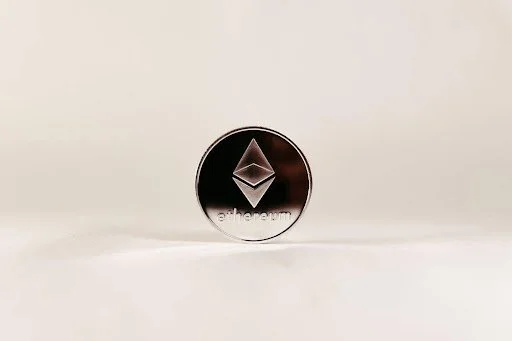
This is where the price of Ethereum quietly starts to shape what you pay, how you play, and which digital items feel accessible. NFT items are not priced in dollars. They are priced in ETH. And that single detail changes everything.
Why Ethereum is baked into NFT gaming
Ethereum still sits at the center of most NFT gaming economies. Ownership, marketplaces and smart contracts often live directly on Ethereum or on networks tightly connected to it.
That means when you a buy skin, you are not just buying an item. You are making a transaction inside a live financial system. The item itself does not change value. The currency it is price on does.
When ETH rises, everything priced in ETH rises with it. When ETH cools off, entry suddenly feels easier. That's why NFT games feel welcoming one month and hostile the next, without a single gameplay update.
Why NFT skins feel pricier during ETH rallies
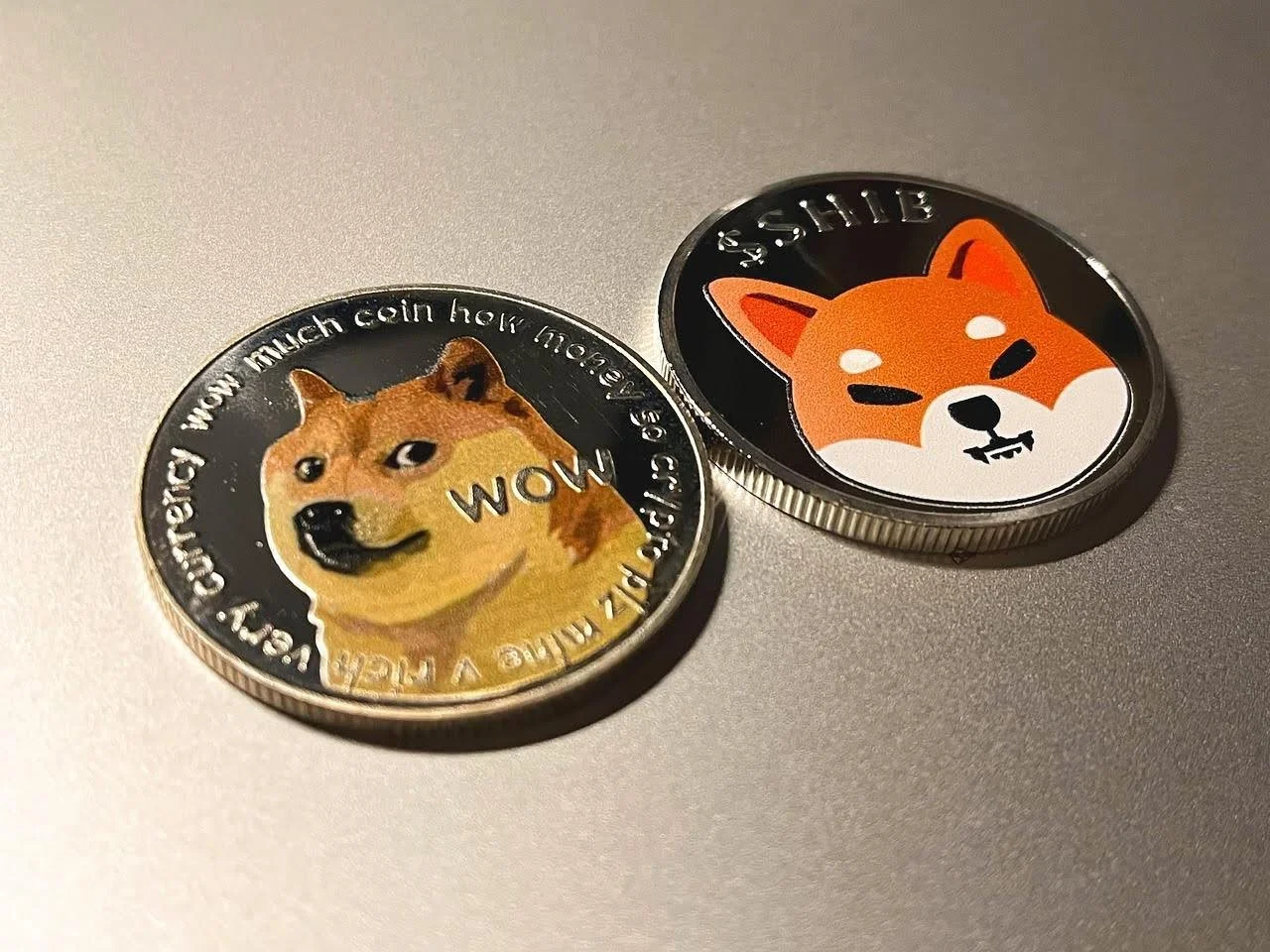
Skins are where most players notice the impact first. A cosmetic listed at 0.04 ETH looks harmless when Ethereum is quiet. When ETH runs, that same skin quietly doubles in real-world cost. No warning, no update from the developer, just a new price reality.
You are not paying more because the skin is better. You are paying more because Ethereum is. This is also why hype cycles hurt onboarding. When ETH spikes, new players hesitate. They see the same items veteran players bought cheaply and assume the game is paywalled. In many cases, it feels that way.
Weapons and the pay-to-win tension
Weapons make the situation sharper. In games where NFTs affect power, Ethereum's price can distort balance without touching game code. Early players buy weapons when ETH is lower. Later players face higher real costs for the same advantage.
That is where frustration creeps in. You start seeing accusations of pay-to-win even when developers didn't change anything. Ethereum did it for them. This has forced studios to rethink how power items are distributed, capped or earned. Some handle it well. Others do not.
Gas fees make collectibles feel heavier
Then there is gas. Gas fees are paid in ETH, which means rising prices often stack on top of network congestion. You might see a collectible priced reasonably, only to realize the transaction cost pushes it over the edge.
This is one of the biggest reasons casual gamers bounce off NFT marketplaces. It feels like friction for the sake of friction.
Developers know this. That's why scaling solutions keep getting attention. Binance Research recently highlighted BNB Chain's Fermi upgrade, which cuts block time from 750ms to 450ms, specifically to support DeFi and latency-sensitive applications. Faster chains are not just a tech flex. They are a response to cost pressure that gamers feel immediately.
Ethereum is not just for traders anymore
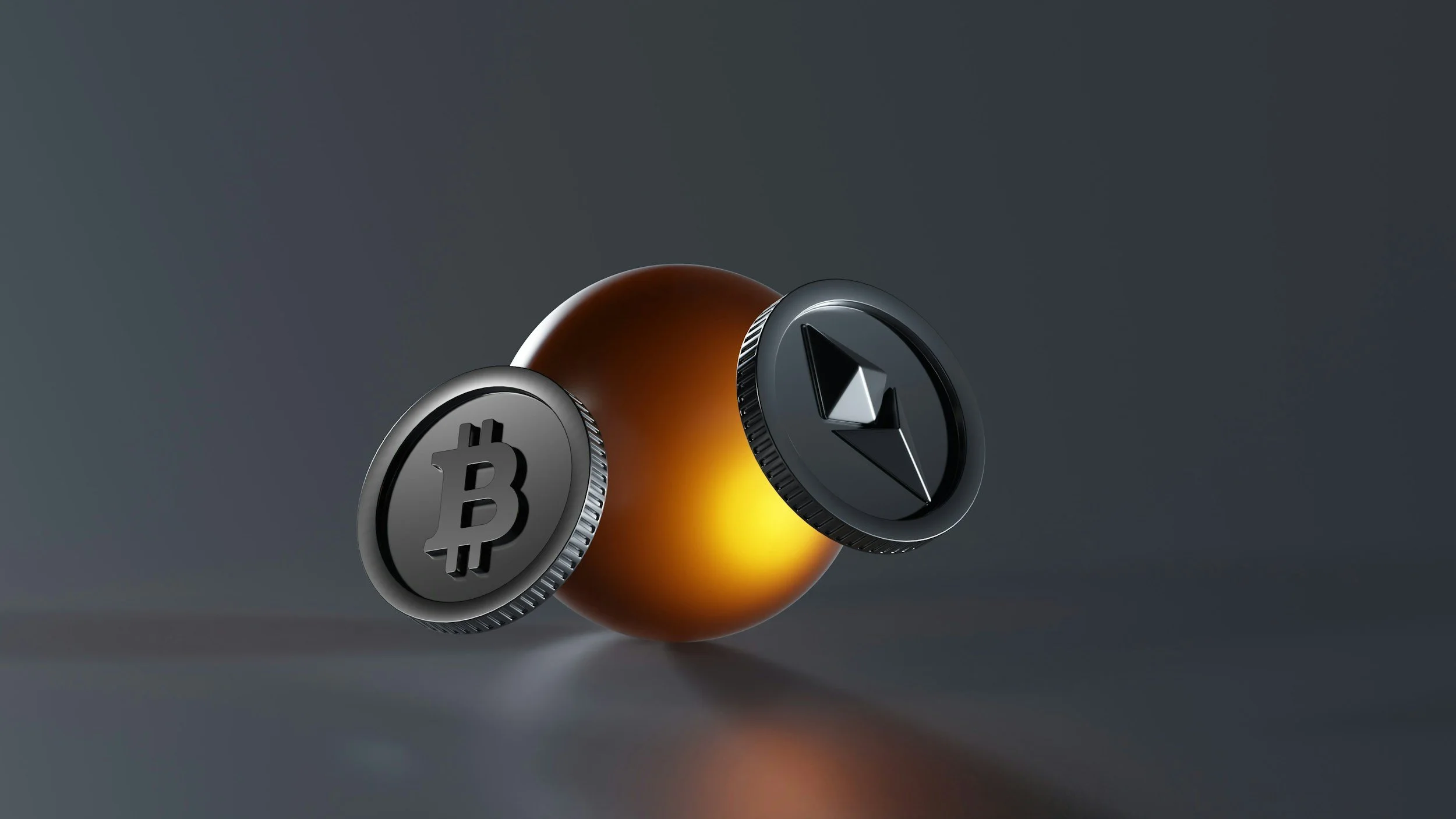
Ethereum's influence is no longer limited to crypto-native users. Binance recently highlighted how Walmart's OnePay app now allows users to hold, trade and convert Bitcoin and Ethereum into cash for in-store payments through Zerohash. This integration potentially touches around 150 million weekly shoppers.
That matters for gaming. It reinforces that ETH is becoming a bridge between digital assets and real-world spending. When Ethereum moves, it moves purchasing power. That same dynamic plays out inside NFT games, just on a smaller scale.
Market cycles shape player behavior
According to Binance Research's early-2026 market commentary, crypto markets have struggled at resistance even as broader equities recovered. The report points to a short-term demand deficit, with capital rotating into assets like industrial metals instead of major crypto tokens.
When demand stalls, ETH prices stabilize or pull back. Historically, that is when NFT gaming participation quietly improves. Entry feels cheaper and speculation fades. Players experiment again.
A more mature industry is adjusting
The industry is not blind to this. Rachel Conlan, CMO of Binance, described Binance Blockchain Week Dubai 2025 as a snapshot of a sector that is "more mature, diverse and more focused on building than ever," with over 5,200 attendees from 120 countries and 200 speakers.
That maturity shows up in game design. Studios are experimenting with capped pricing, off-chain mechanics and hybrid economies that soften Ethereum's volatility without abandoning ownership. It's not perfect yet. But it is progress.
What this means for you
You do not need to become a crypto expert. You just need awareness. The price of Ethereum affects how fair, affordable and accessible NFT games feel. Ignoring that reality leads to frustration. Understanding it gives you control.
You can time purchases better, spot inflated markets and you can decide when a collectible is worth it and when it is not. In Web3 gaming, Ethereum is always in the background. Once you see it, you cannot unsee it.