The rise of blockchain gaming led to innovations in how users connect to communities, earn rewards, and benefit from decentralized features. Prominent games like Axie Infinity, Decentraland, and The Sandbox have shaped the gaming ecosystem by offering unique experiences and providing what traditional games fail to: true game ownership.
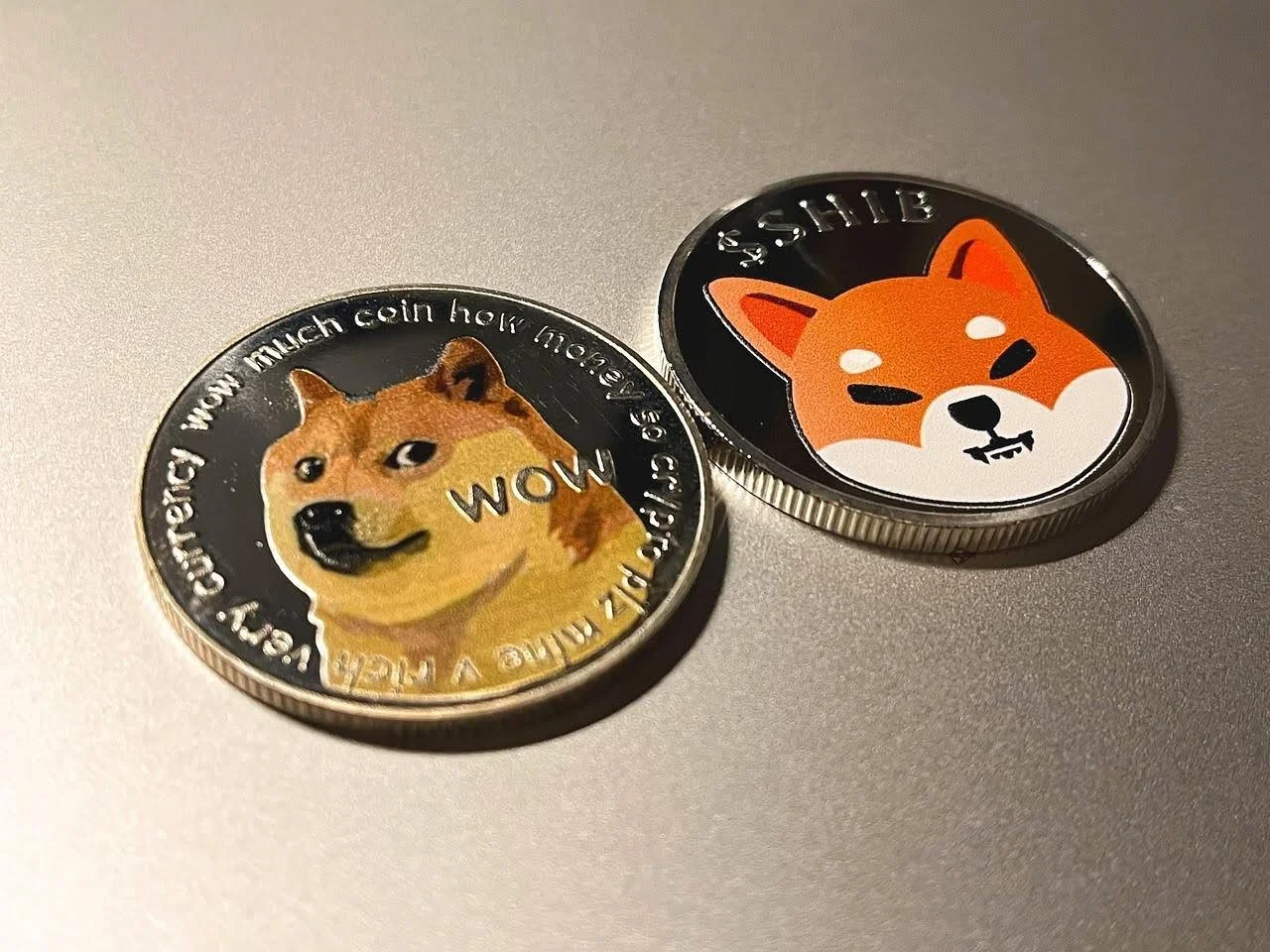
Most of these decentralized games operate on governance tokens, meaning projects use their own cryptocurrency and don’t rely on other coins such as Ethereum or Solana, which are known for their contributions to the gaming sector. Other popular projects, such as Dogecoin, have expanded their area of expertise towards entertainment, creating the Dogechain, a space for NFTs, DeFi, and games.
Holders of the cryptocurrency can make the most out of its value by using it for gas fees, fast transactions, and DeFi. Moreover, checking the dogecoin price on exchanges like Binance helps find the best opportunities for staking and governance on the Dogechain.
This is only an example of how a digital coin can push for the development of a fast-paced and efficient gaming industry, so let’s see what the many roles of crypto gaming tokens are.
How do blockchain game users benefit from tokens?
Tokens have multiple use cases in decentralized games, ranging from enabling fast, low-cost transactions to purchasing virtual items. Some of the most efficient gaming projects built their tokens as well on top of innovative ledgers like Ethereum and Binance Smart Chain, so the game and the asset benefit from the same efficient security.
Besides the blockchain-based advantages, these coins are secured in terms of ownership, so users can store them in crypto wallets and trade them on any marketplaces for additional rewards. Moreover, crypto tokens offer utility as designed by the developers, which can include governance, or the right to vote on decisions, and even participate actively in the development of a gaming project.
Players can also leverage these in-game tokens to:
Earn cryptocurrency from quests, tournaments, or other gameplay mechanics. This is possible through the PE2 (play-to-earn) model that rewards users by incentivizing their participation;
Buy other in-game assets, upgrade their avatars, or purchase virtual land parcels in virtual spaces. These use cases allow for the gaming experience to be customized;
Trade tokens and even fiat currency with the help of skilled gameplay abilities and strategic trading;
What are some popular gaming tokens?
Gaming tokens support many operations and transactions in blockchain games and can extend into the real world as well. Some have exceeded the mainstream and are now leaders in the cryptocurrency gaming market, such as the following:
Floki Inu (FLOKI) is a dog-based meme coin that’s considerably famous in the gaming world, partnering with various PE2 games, such as Valhalla, a blockchain MMORPG;
Immutable X (IMX) is the coin of the decentralized marketplace where users trade NFTs and access Web3 games, such as Gods Unchained and Guild of Guardians;
Gala Games (GALA) is the coin of the ecosystem where players earn it by playing games like Town Star, as well as receive GALA for contributing to the network;
Beam (BEAM) is a token used for numerous projects, including gaming. For example, it is used in the tactical mech combat games known as Mechland;
Is investing in crypto game tokens efficient in the long term?
The crypto gaming sector isn’t as developed as other DeFi applications, which is why investing in these tokens might not be as financially rewarding as investing in other assets and ecosystems. However, the sector is steadily growing and gaining the attention of corporations and gaming agencies, since decentralized gaming competes with traditional games.
Therefore, introducing gaming tokens in your portfolio can be a good option for future opportunities, especially for popular games like Axie Infinity. Investing in tokens from games with unique features, such as AR or VR, is promising, as the future of the metaverse is secured across numerous other industries, such as healthcare, automotive, and e-commerce.
Some blockchain games are also more popular among players by genre, such as MOBA, MMO, or Battle Royale. You can also consider the blockchain the game is built on, as well as the platform used, such as mobile or the browser.
What are the challenges developers of decentralized games face?
Developing, designing, and deploying a blockchain game involves numerous steps to achieve a safe and fun experience. The knowledge required to build these games is also different from that for traditional games, where teams must understand how smart contracts work, as they’re essential to blockchain-based ecosystems.
This is only one of the several challenges arising from developing these games:
Securing scalability is difficult when teams try to balance a higher transaction throughput with security and network security;
Learning about blockchain games includes a learning curve that might make it frustrating to get used to all the mechanics;
Complying with regulations in a world of scarce guidelines can pose financial and legal risk to teams, especially in countries where cryptocurrency and blockchain are dismissed;
Balancing the economy of the game should focus more on fun and fair features rather than money-driven ecosystems;
Is Web2 gaming so different from Web3?
The structural shift from Web2 games to Web3 is not random, as the Web2 industry is slowly decaying due to rising costs and the lack of indie games surviving the competition. In the Web3 world, anyone can create games and offer players the opportunity to win coins.
The differences between these sectors are wide, ranging from monetization access to player ownership. However, both ecosystems have the opportunity to merge their strengths and create a new sector where decentralization and innovation meet.
Conclusion
Crypto gaming tokens are the most essential part of the decentralized industry, as they ensure an efficient communication between what players want and what developers can offer. Gamers can also earn meaningful rewards, buy and own in-game assets, and be part of communities of the future. With a vast array of gaming tokens, such as Dogecoin, Floki Inu, and Immutable X, it’s easier for developers to expand their games for their audiences.