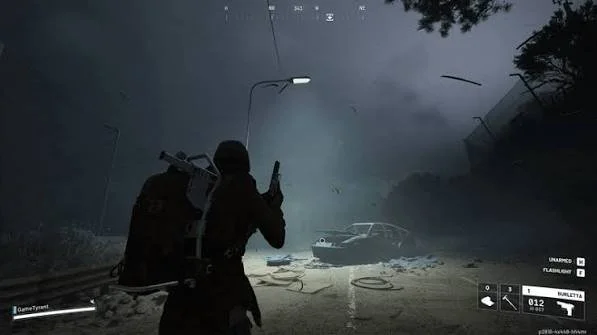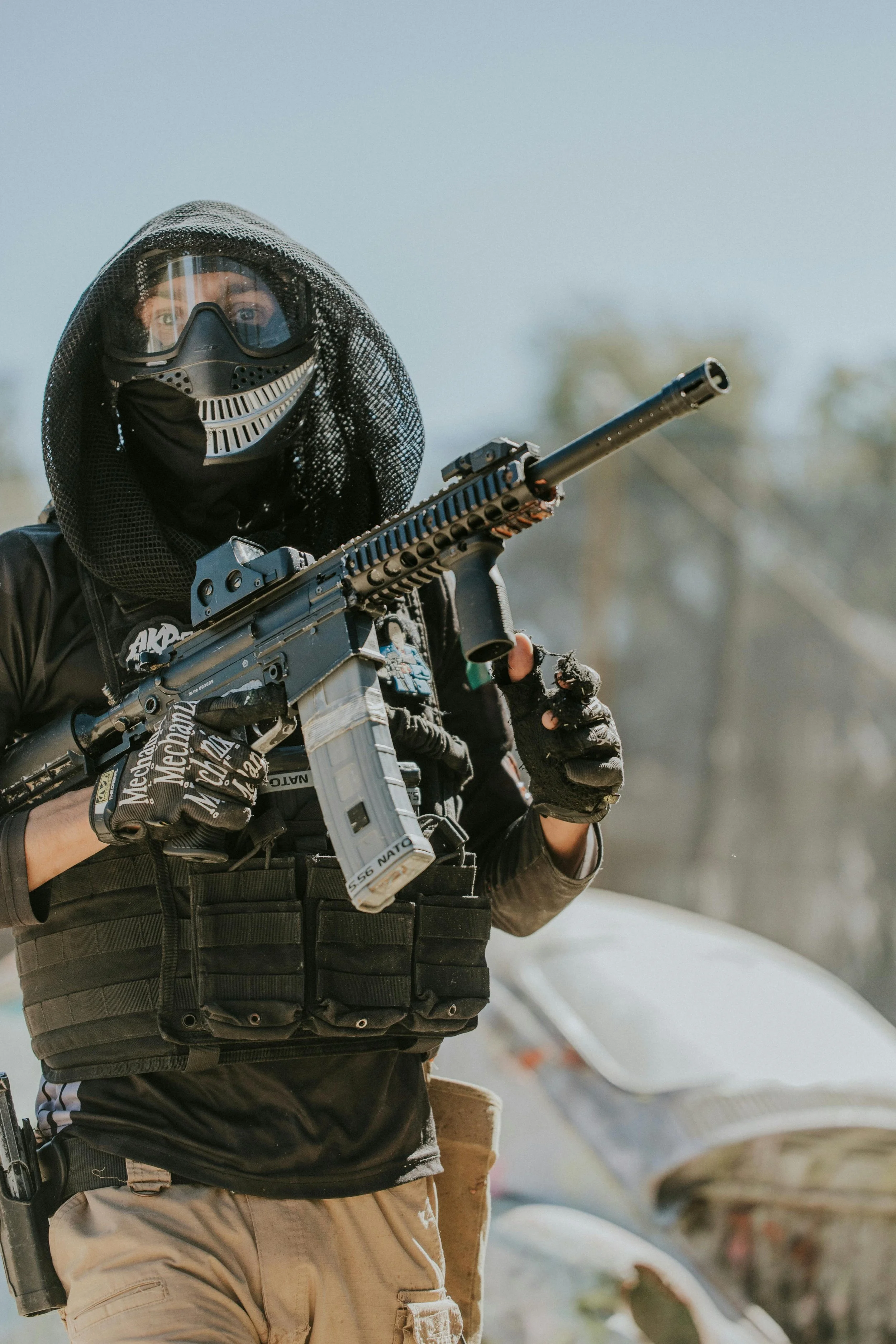
The worlds of video game shooters and real-life competitive shooting games are more connected than ever. Many paintball and airsoft formats directly draw inspiration from the tactics, equipment setups and roles seen in popular digital franchises. This article explores how elements from digital shooters have shaped the development, structure and player experience of modern real-world tactical shooting sports.
When players select a semi auto paintball gun for a paintball match, they may be influenced by their preferences in video games. The ease and variety of digital loadouts, with their limitless weapon swaps and customizable kits, inspire how players approach real-world equipment. Yet, bringing these choices into a physical sport introduces new challenges around ergonomics, maintenance and adherence to league rules. As tactical shooting sports continue to evolve, understanding this interplay between virtual strategy and real gear selection becomes essential for both newcomers and veterans.
The influence of digital shooters on real-life game formats
Popular video games have introduced concepts like objective-based play, class roles and a variety of weapons, including the semi auto paintball gun, all of which have been mirrored in real-life shooting games. Tournament paintball, for example, often features scenario-based objectives and structured teams, echoing objectives found in major esports shooters. Roles such as front players, back players or snipers on the paintball field have clear parallels to attackers, defenders or marksmen in digital games.
Moreover, the appeal of digital shooters lies in their tactical depth and fast-paced adaptation. Real-life formats, especially in competitive paintball and airsoft, have adopted similar mechanics. Limited respawns, timed scenarios and even role-specific rules reflect digital gameplay. These adaptations keep games fresh, foster teamwork and allow players to apply lessons learned in virtual arenas directly to real competition.
Translating virtual loadouts to equipment choices
While digital games let players rapidly customize loadouts; swapping optics, barrels or weapon types to suit changing tactics, real-world recreational paintball gear requires more deliberate selection. Equipment changes are not just cosmetic; each piece must be chosen for reliability, durability and rules compliance. For instance, many paintball leagues enforce rate-of-fire caps or limit the hopper's paintball capacity, which affects the viability of certain marker types. Selecting the right marker often balances mechanical reliability with field-specific restrictions, providing a consistent performance that aligns with most competitive environments.
This clear connection between virtual and physical gear choices has encouraged manufacturers to offer more modular and customizable paintball markers. Players now look for compatibility with different barrels, loaders or air systems, mirroring their in-game desire for personalization.
Game mechanics and the reality of gameplay
Video game shooters frequently promote high rates of fire, rapid movement and dramatic skill plays. Real-life tactical shooting sports must respect safety rules, physical limitations and league guidelines. For example, where digital shooters may allow fully-automatic fire, most recreational tournaments mandate mechanical markers like semi autos, which fire once per trigger pull. This restriction shapes gameplay, rewarding accuracy, trigger discipline and smart movement over raw volume of shots.
In addition, the concept of roles from video games, such as sniper, support or assault, has influenced how teams organize themselves during real matches. While some specialized roles are less effective in paintball due to engagement distances or marker limitations, the underlying strategic concepts remain valuable.
Maintenance, skill development and adapting to real-world demands
A major difference between digital shooters and their real-life counterparts is the ongoing responsibility of equipment maintenance and personal skill building. Unlike virtual gear, real paintball markers require regular care; cleaning, checking seals and ensuring safe operation. Players who neglect upkeep risk marker malfunctions, which can abruptly end a game or hinder team performance. These realities mean consistent, well-maintained equipment often matters more than having the fanciest upgrades or mimicking in-game “meta” builds, especially when relying on recreational paintball gear.
Translating success from the screen to the field goes beyond equipment. Mechanical skills, familiarity with your marker and an understanding of how digital strategies translate to practical play are key. Budgeting for air, paint and wear parts around a semi auto paintball gun also changes how players think about loadouts in a way games rarely simulate.