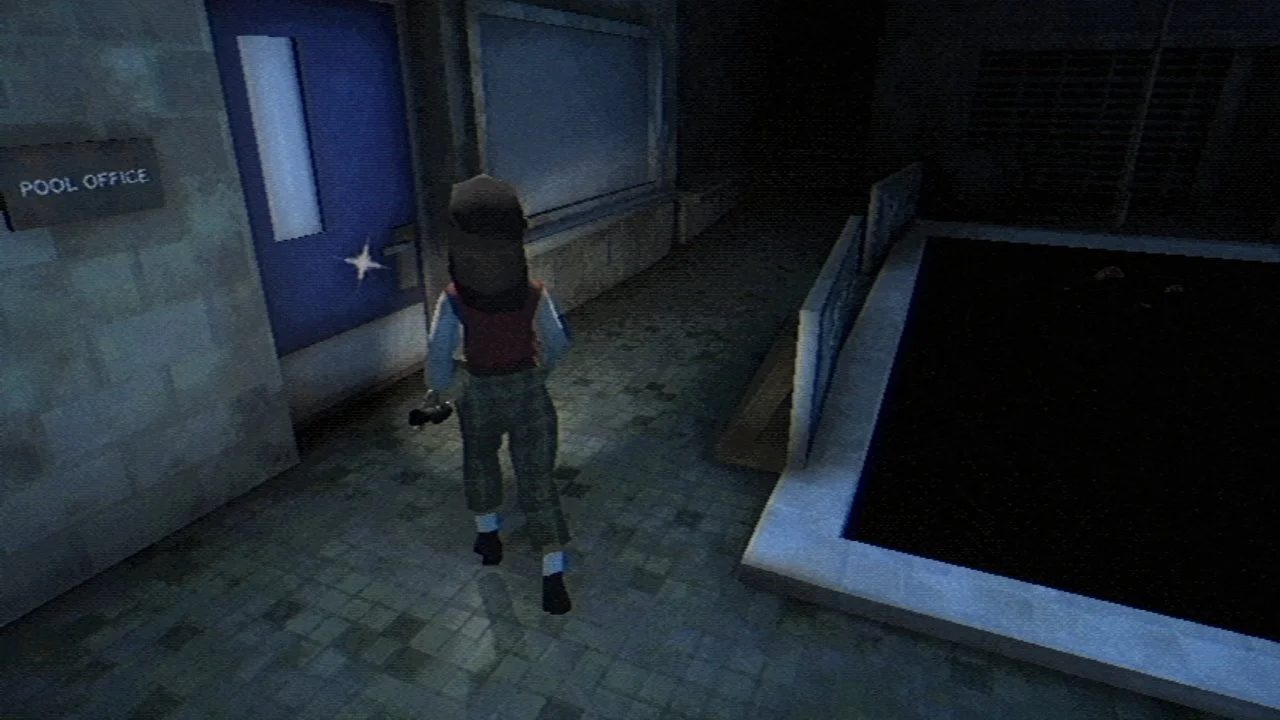
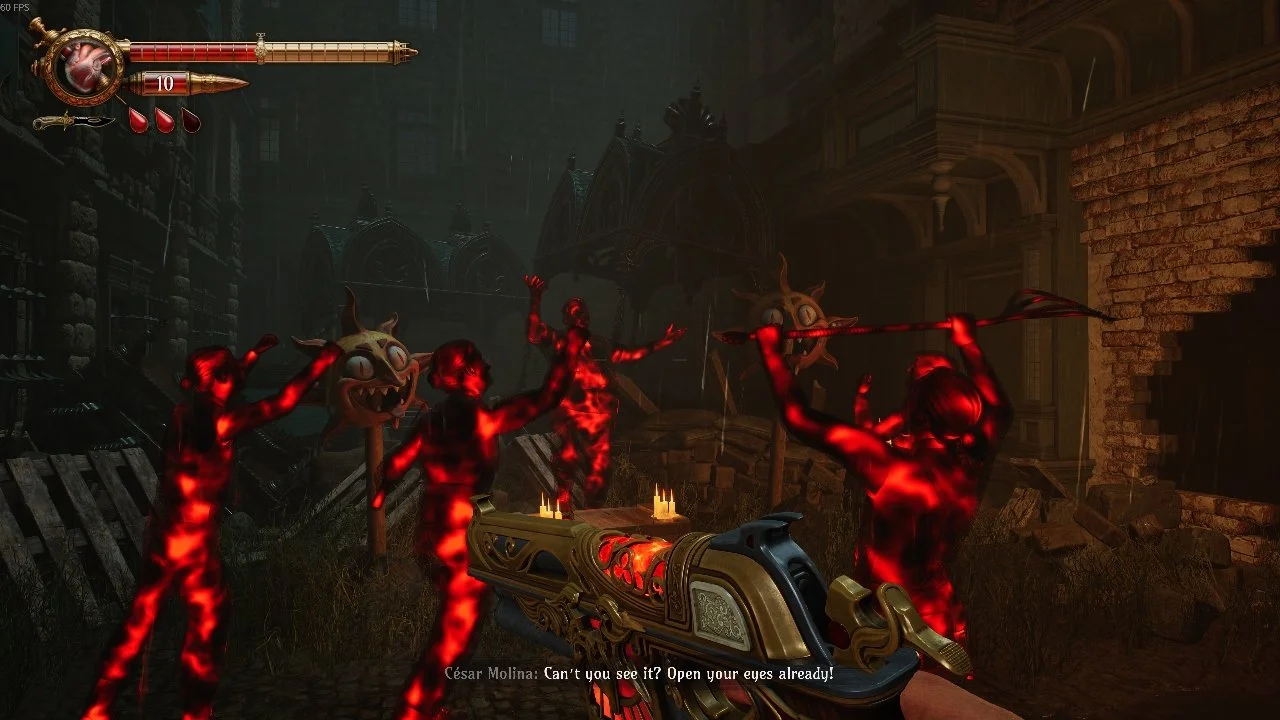
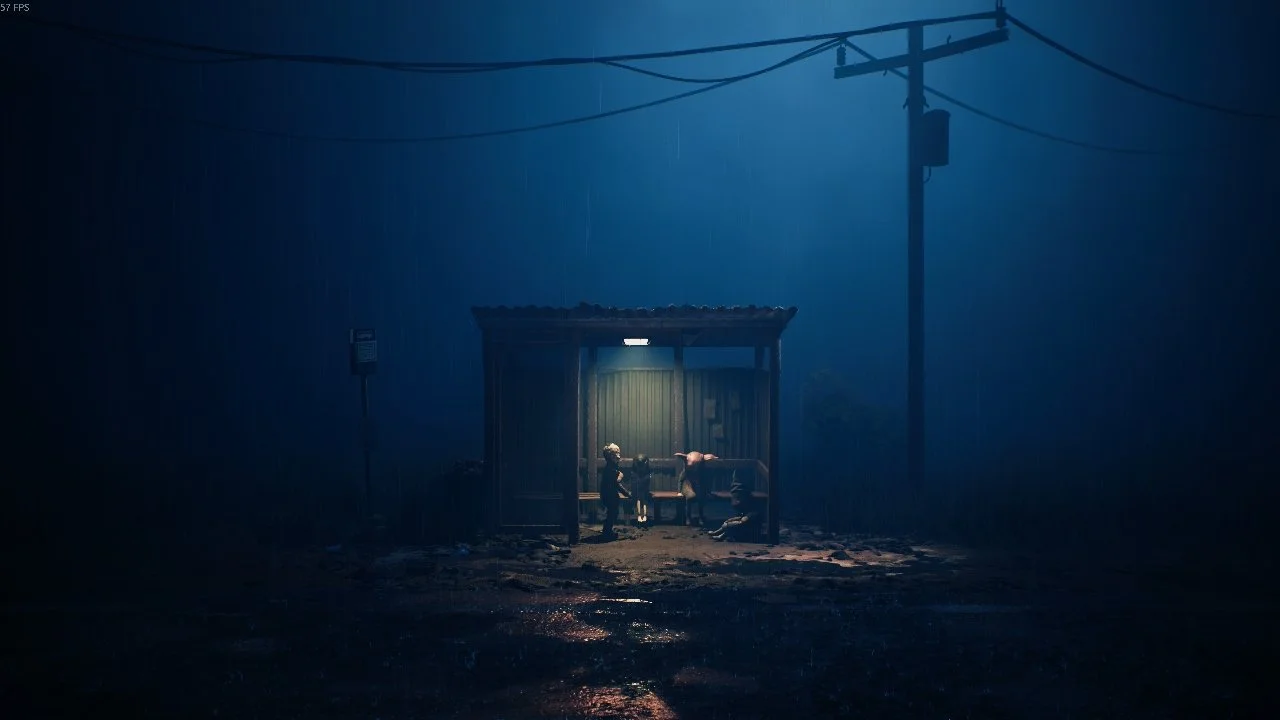
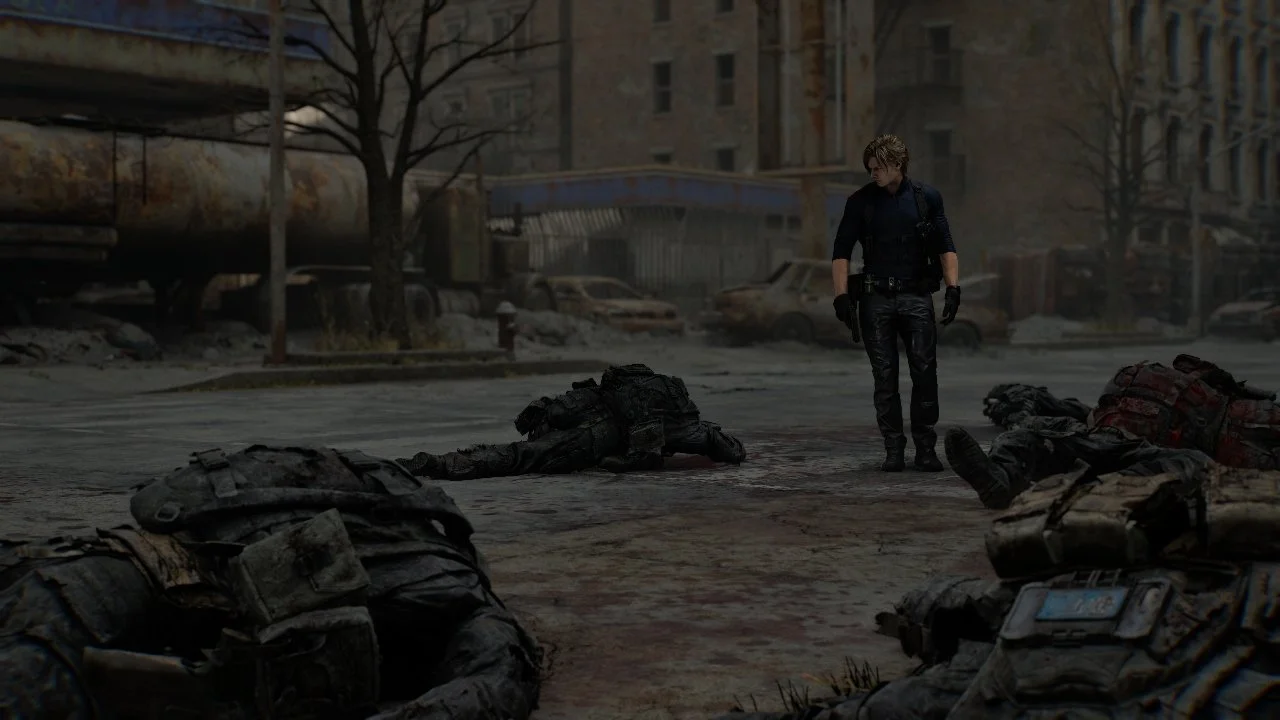
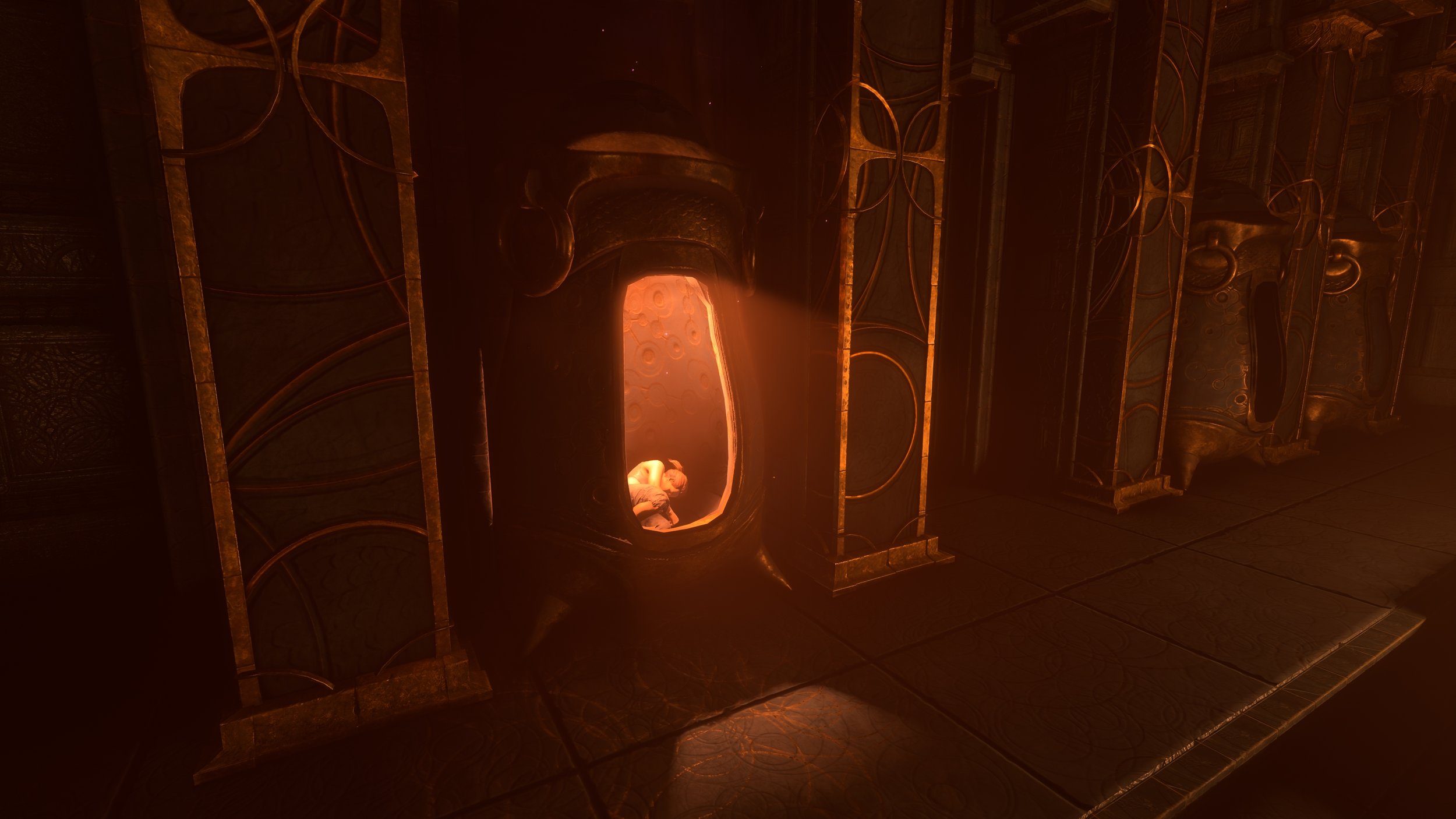
I Hate This Place (IHTP) is, quite literally, survival horror at its core. But it’s survival horror with personality. Adapted from the comic series of the same name, the game blends traditional top-down survival mechanics with a strong narrative focus, eerie mystery elements, and a striking ’80s horror-comic aesthetic. Between scavenging for supplies, carefully managing sound to avoid detection, and unraveling the unsettling mystery of the Horned Man, IHTP offers a tense and often fascinating experience that sticks with you long after the lights go out.
What really sets it apart is how much atmosphere it builds through restraint. This is a game that wants you to feel watched, hunted, and unsure.
Gameplay & Story
At first glance, I Hate This Place plays like a fairly standard top-down crafting survival horror game. You explore the wilderness, scavenge for materials, craft tools and weapons, and do a bit of light base building to keep yourself stocked with ammo, food, and healing items. That loop works well enough, but where the game truly shines is in its twists on the formula.
Enemies hunt by sound so noise management becomes essential, forcing you to move carefully, plan your routes, and think twice before engaging. Combat often feels like a last resort rather than a solution, which fits the horror tone perfectly.
The game also features a day/night cycle, though it’s not quite balanced. Daytime is mostly reserved for scavenging and preparation, while nighttime is where the game really comes alive—and becomes far more dangerous. Cultists, spiders, mutated deer, and other unsettling creatures roam freely after dark, making every excursion feel like a gamble.

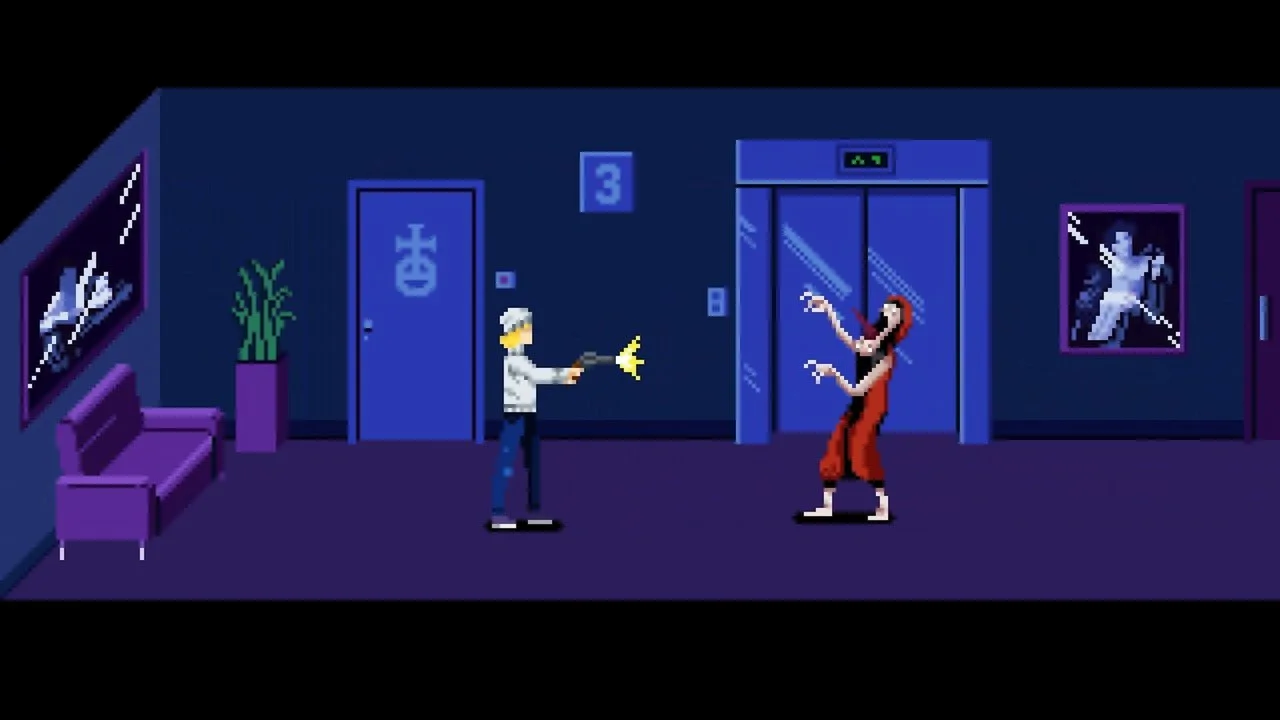
One of the standout mechanics—and probably my favorite part of the game—comes from nighttime ghost encounters. If a ghost touches you, you’re pulled into a surreal, nightmarish dream world. Here, you fend off terrifying manifestations using only a flashlight, which acts as a grounding tool to remind you that these creatures “aren’t real.” As you survive these encounters, you explore the dreamscape and uncover fragmented stories from the ghosts themselves, slowly piecing together what happened in this cursed place.
These moments feel genuinely inspired. They’re tense, creepy, and narratively rich, turning the player into a sort of horror detective. There’s a very satisfying, almost Sherlock Holmes–like feeling when the game asks you to interpret events and draw your own conclusions about the mystery.
Narratively, the story kicks off quickly when your friend goes missing shortly after welcoming something—or someone—she really shouldn’t have. Your search for her pushes you deeper into danger and moral ambiguity, especially when you begin interacting with a cult devoted to the Horned King. Strangely enough, you’ll even help them at times, which adds to the unsettling tone. Nothing here feels entirely right, and that discomfort feels intentional.
Graphics & Design

Visually, I Hate This Place absolutely nails its aesthetic. The bold lines, heavy shadows, and exaggerated designs give it a pulpy ’80s comic-book feel that translates incredibly well from page to screen. The art style doesn’t just look good—it reinforces the game’s identity and helps elevate moments of horror and surrealism without relying on excessive gore or cheap scares.
Feedback
While the atmosphere and mystery are strong, the base-building aspect feels a bit undercooked. With even modest scavenging, it’s fairly easy to stay well-stocked, making the base feel more functional than meaningful. It works, but it never quite feels essential.

Additionally, the ghost mystery segments are easily the most compelling part of the experience, which makes their limited presence a little disappointing. I found myself wishing there were more dreamworld sequences and narrative-heavy encounters to further flesh out the story and its haunting themes.
Final Verdict
I Hate This Place isn’t perfect, but it’s confident in what it wants to be. Its sound-based stealth, unsettling nighttime encounters, and excellent comic-inspired presentation create a horror experience that feels fresh, thoughtful, and genuinely eerie. While the base-building could be deeper and the best narrative elements could stand to appear more often, the game’s atmosphere and mystery more than make up for it.
In the end, I may hate this place—but I kind of love being trapped in it.
If you’re craving more deep dives into atmospheric, story-driven experiences, be sure to check out our Final Fantasy VII Remake Intergrade review. It’s a modern reimagining that balances nostalgia with bold new ideas.