Japan—where bullet trains race past shrines, and anime characters share space with AI—is a country that rarely separates the traditional from the futuristic. In gaming, that same harmony plays out. For decades, the nation has stood not just as a player in the industry, but as a sort of architect of it. From arcade floors in the '80s, filled with neon and button-mashing fervor, to consoles that shaped generations, Japan has molded how the world plays.
And within that evolution lies a new curiosity: 日本のオンラインギャンブル関連の情報, or information related to online gambling in Japan, where strict regulations still define the legal landscape, yet interest continues to grow through offshore platforms, social casinos, and emerging crypto-friendly spaces.

The Rise of Online Gaming in Japan
Not so long ago, gaming in Japan was something you mostly did alone—or maybe shoulder to shoulder in a crowded arcade. Games like Final Fantasy and Pokémon weren’t just hits; they were landmarks. And while their reach spanned continents, Japan itself was still a little hesitant about online multiplayer, especially when compared to the West. Oddly enough, this wasn't because of any technological shortcomings. If anything, Japan had (and still has) some of the fastest internet in the world. So why the lag? It came down to preference—gamers gravitated toward consoles and handhelds, things that felt more personal, perhaps more tactile.
But over the past decade, things started to tilt. As smartphones slipped into every pocket and high-speed mobile networks spread like wildfire, mobile games quietly became cultural juggernauts. These weren’t quick distractions—they were entire worlds, complete with gacha mechanics, social layers, and event calendars that made checking in daily feel almost ritualistic.
Consoles adapted too. Nintendo, long a bastion of couch-based play, introduced Switch Online. Sony deepened its digital offerings through PlayStation Plus. Multiplayer features, retro libraries, cloud saves—once seen as extras—have now become expected. The shift wasn’t sudden, but it’s been steady. And it's still unfolding.
Technological Innovation Driving Change
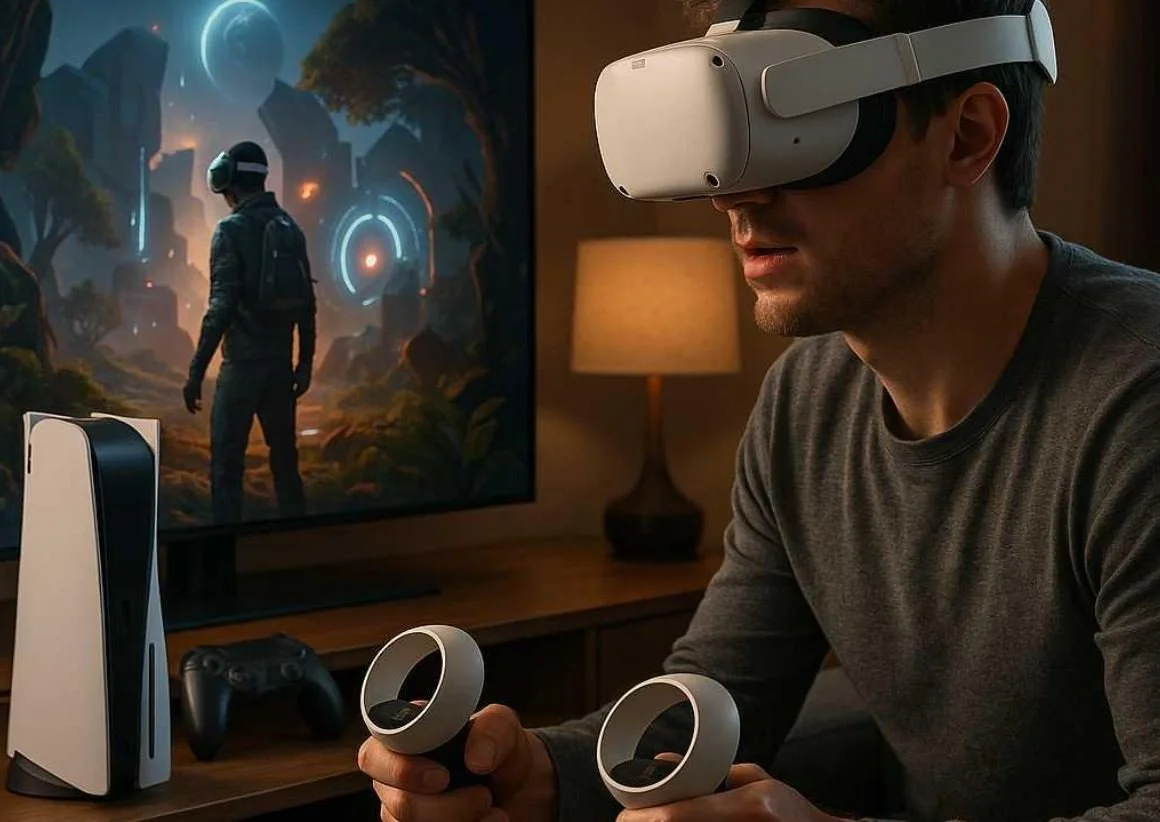
If there's one constant in Japan, it’s the way technology creeps into daily life with elegance. That same grace is shaping its online gaming transformation. Cloud streaming, artificial intelligence, and virtual reality are all being folded into the experience—not as gimmicks, but as integral tools reshaping what gaming even means.
Cloud gaming, for example, might seem invisible to the end user, but it's changing everything under the hood. PlayStation Now and newer Japanese services allow users to stream massive, graphics-heavy titles without owning top-tier consoles. That’s important in a country where space is at a premium and physical game collections are increasingly going digital.
Artificial intelligence is working behind the curtain in more ways than one. Sure, NPCs are getting smarter and boss fights more reactive—but AI is also quietly enabling real-time translation, flagging toxic behavior in chats, and tweaking game difficulty based on how you play. It’s there, but you rarely notice. That’s the magic of it.
Virtual reality, perhaps more than any other tech, taps directly into Japan’s rich aesthetic lineage. The country has always had a knack for world-building—through anime, literature, even traditional theater. So when studios like Capcom or Square Enix bring VR to life, it feels less like a tech experiment and more like an evolution of existing storytelling DNA.
Cultural Influences on Game Design and Player Behavior
Tech may shape the tools, but culture writes the script. In Japan, the influence of social values—wa (harmony), respect for hierarchy, and the comfort of belonging to a group—can be seen throughout its online gaming design. This isn’t just thematic; it’s mechanical.
Many Japanese online games lean heavily toward cooperation. You’ll find more guilds, co-op raids, and shared missions than hyper-competitive PvP modes. It’s not that Japanese players aren’t competitive—they just tend to express that competitiveness collectively, rather than individually. It’s a small but telling cultural distinction.
Then there's the fascination with collecting. Gacha mechanics, often derided in the West, are culturally embedded here. They mirror older forms of joy: capsule machines outside convenience stores, sticker albums, lucky draws at festivals. It’s not just about acquiring power-ups—it’s about surprise, anticipation, and a bit of luck. That psychology runs deep.
The Future: E-Sports, Metaverse, and Global Reach
Japan’s e-sports scene was, for a while, puzzlingly quiet. But that’s changing fast. Backed by government support and growing infrastructure, competitive gaming is stepping into the spotlight. Titles like Street Fighter V, Apex Legends, and Valorant are building enthusiastic fanbases. Meanwhile, dedicated arenas are popping up in Tokyo and Osaka, signaling that this is more than a passing trend—it’s a movement.
The metaverse, too, has captured the imagination of Japanese developers. It’s not just about shared spaces or VR chat rooms—it’s about crafting digital identities, social rituals, and economies that mirror—and sometimes improve upon—real life.
Conclusion
Japan’s online gaming evolution isn’t happening in isolation. It’s a slow, deliberate blend of forward-thinking technology and deep-rooted cultural aesthetics. From emotionally rich mobile RPGs to VR experiences that feel like walking into a dream, the country is carving out a future of online gaming that’s uniquely its own. As AI, cloud infrastructure, and digital community spaces mature, Japan continues to do what it’s always done best: reimagine how we play. And, in doing so, invite the rest of the world to play along.