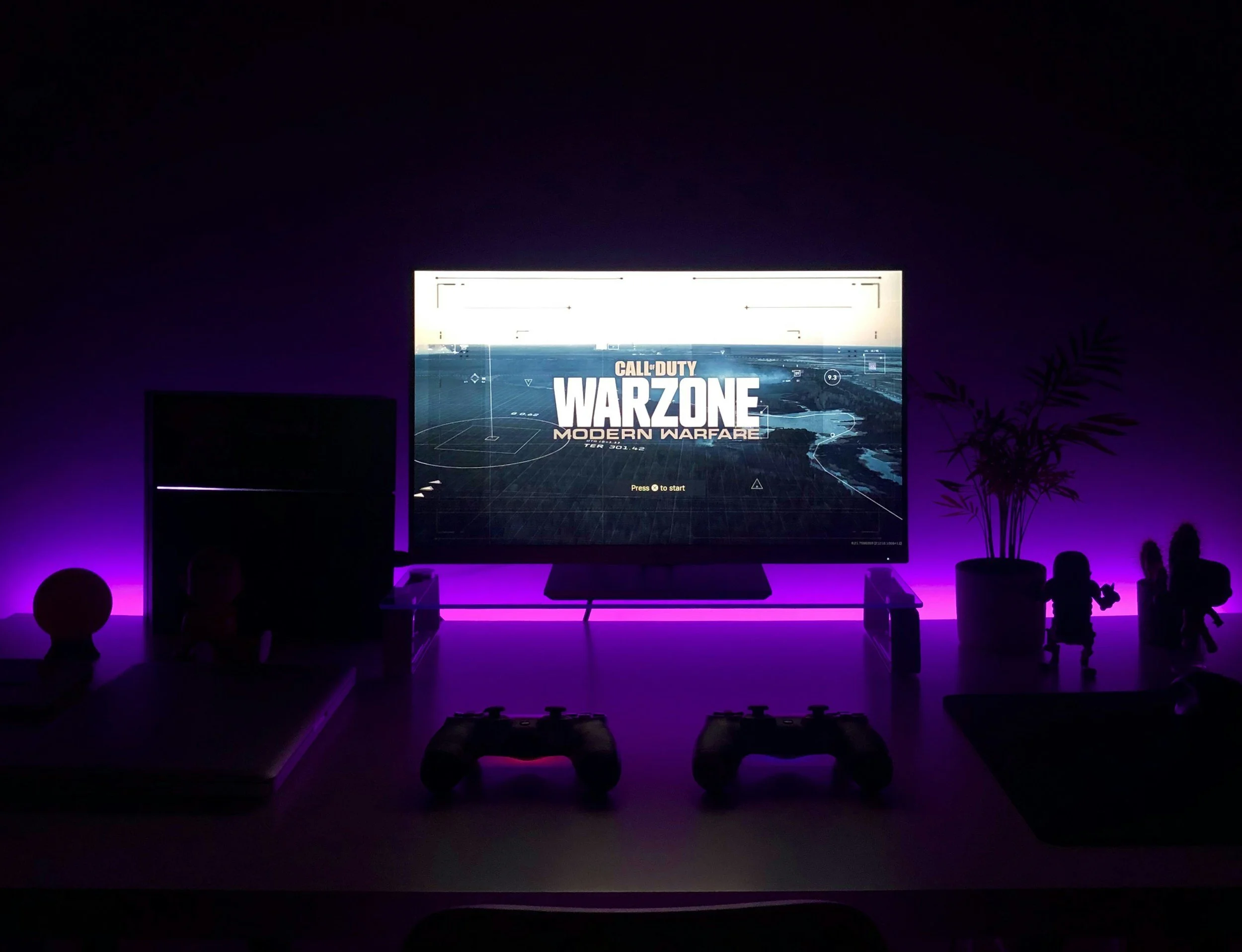
Understanding what is a live service game matters more than ever, especially when 95% of game studios want to release one. The gaming industry has moved dramatically toward this model, with companies like Electronic Arts seeing their value jump from $4 billion to $33 billion since 2012, largely due to game as a service strategies. Traditional games last 2 to 3 years, but live service games maintain player engagement for over 5 years. Popular titles like Fortnite and GTA Online represent this approach. I'll break down what are live service games in this piece, how they keep players involved, and what benefits and factors you should know as a player.
Understanding What Live Service Games Mean
A live service game is a video game that receives continuous updates, expansions, and new content over an extended period after its original release. These games evolve based on player feedback and market trends rather than remaining static. The term stems from Games as a Service (GaaS), which mirrors the Software as a Service business model that became mainstream in the 2000s.
World of Warcraft pioneered this format when it launched in November 2004. Players had to pay both for the base game and a monthly subscription fee to access ongoing content. This approach generated $9.23 billion for the MMO from 2004 to 2017. The model has since evolved beyond subscriptions. Fortnite, to cite an instance, made $26 billion since 2017 and nearly tripled WoW's revenue in half the time.
Modern live service games monetize through multiple streams: microtransactions for cosmetic items, battle passes with tiered seasonal rewards, lootboxes, and expansion packs. Many operate as free-to-play titles and remove the original purchase barrier while generating revenue through in-game purchases. Only about 10% of players in free-to-play games spend money. Top spenders fund ongoing development.
This approach contrasts with traditional games, which offer a complete experience at purchase without regular updates or ongoing costs.
How Live Service Games Keep Players Engaged
Live service games maintain player interest through carefully designed retention systems. Developers release continuous content updates that have seasonal chapters, new maps, weapons, and game modes. These updates occur quarterly or more frequently, preventing gameplay from becoming stale.
Community events create retention loops through limited-time modes, tournaments, leaderboards, and daily or weekly quests that encourage ongoing participation. Battle passes serve as a core engagement tool and offer 50 to 100 tiers with both free and premium reward paths that motivate daily logins and progression. Seasonal narratives expand game lore, characters, and maps to keep stories compelling.
Developers track player behavior using telemetry data, which has heatmaps, drop rates, and analytics to guide balancing patches and hotfixes. This informed approach allows studios to adjust game balance, introduce new features, and solve problems quickly based on community feedback gathered from forums, Discord servers, and social media platforms.
Time-limited events tap into the fear of missing out by offering exclusive rewards, challenges, and items only available during specific periods. These events create urgency and bring even inactive players back into the game. The multiplayer focus promotes community bonds through shared experiences, group challenges, and social interaction, deepening player commitment to the game world.
Because live service games revolve around persistent accounts, your login becomes part of the experience too, and account takeovers are a real headache once you’ve sunk time or money into a game. If you sometimes sign in on hotel or café Wi-Fi, trying a VPN can add an encrypted layer for those sessions, and a discounted way to try NordVPN can make that first month cheaper.
The Player Experience: Benefits and Considerations
Players get continuous fresh content without purchasing new titles. This creates ongoing value from a single investment. Live service games provide immersive experiences through regular campaigns tied to current events and in-game anniversary celebrations. Remixed content adds freshness to gameplay. The social component strengthens these experiences and allows players to connect with friends, join clans, and participate in shared events that build lasting communities.
Monetization remains the most divisive aspect of game as a service models. Many players feel developers prioritize revenue over improving core gameplay experiences. Pay-to-win mechanics create uneven playing fields where spending money guides players to better rewards. This frustrates those who prefer skill-based progression. The FTC accused Epic Games of tricking users into payments in 2022. This resulted in a $245 million refund settlement. Only about 10% of players in free-to-play games make purchases, yet some dedicated fans spend over $1,000 in titles they enjoy.
Content fatigue affects players at the time constant updates delay key features or bug fixes. Ownership concerns arise with subscription models. Players may lose access to content at the time titles get removed from platforms, despite invested time and money. Success depends on enriching gaming experiences without alienating players through predatory practices or oversaturation.
Conclusion
Live service games have reshaped how we experience gaming. They offer years of evolving content rather than one-time purchases. These titles provide continuous updates and social experiences that keep gameplay fresh. You should approach them with awareness of their monetization strategies and time investment requirements though.
The best live service games balance engaging content with fair practices. I recommend evaluating whether a game respects your time and wallet before committing long-term.