The gaming industry isn’t just about building a great game anymore. You can have an incredible product, polished mechanics, and stunning visuals—but if nobody knows about it, it simply won’t take off. That’s the reality developers face today.
With thousands of games launching every year, success often comes down to how well a game is marketed, not just how well it’s made.
Understanding the Audience (This Is Where Most Go Wrong)
One of the biggest mistakes developers make is assuming “gamers” are one group. They’re not.
A player who spends hours grinding competitive shooters is very different from someone casually playing mobile puzzle games during breaks. If your messaging tries to target everyone, it usually connects with no one.
Successful launches start with clarity:
Who is this game really for?
Where do these players spend time online?
What kind of content do they actually engage with?
Studios that answer these questions early have a massive advantage.
Pre-Launch Hype: The Make-or-Break Phase
If there’s one thing modern game launches have proven, it’s this: hype matters—a lot.
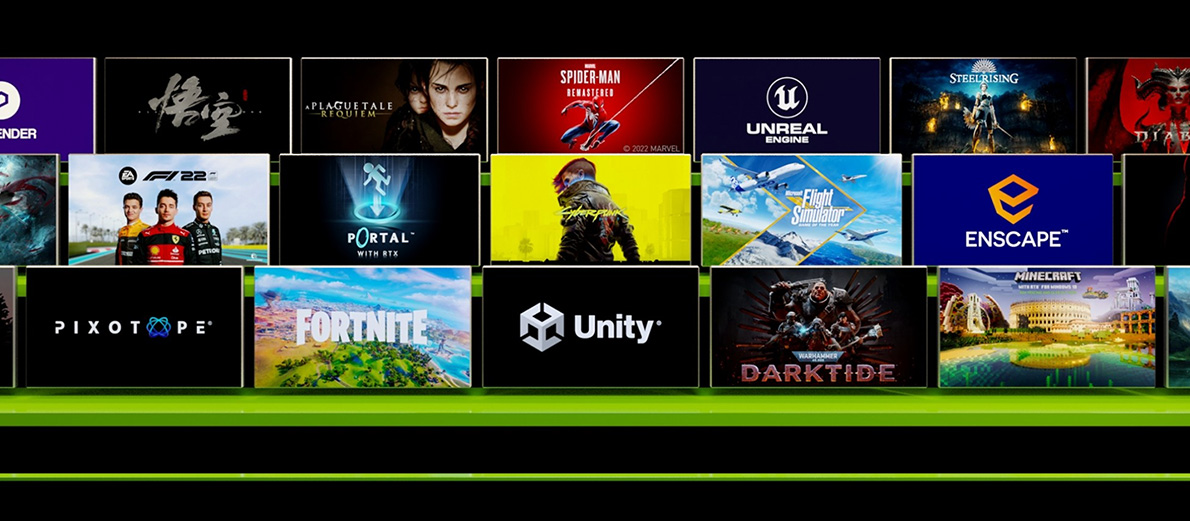
Just look at games like Cyberpunk 2077. The hype was enormous, driven by cinematic trailers and years of anticipation. On the flip side, that same hype also raised expectations to a level that was difficult to meet.
Then you have Fortnite, which didn’t explode immediately but grew through consistent updates and smart promotion.
The takeaway? Hype isn’t just about going viral—it’s about building the right expectations.
Developers usually build momentum through:
Teaser trailers
Early gameplay reveals
Behind-the-scenes content
Event announcements
And honestly, without that early buzz, even great games struggle to get noticed.
Influencers Are the New Gatekeepers
Traditional ads don’t carry the same weight they used to. Players trust creators more than brands.
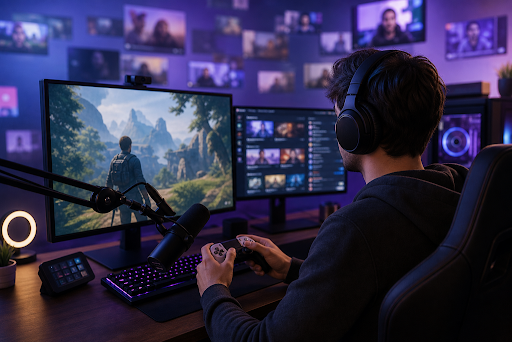
When a popular streamer plays a game—even for a few hours—it can generate more interest than weeks of paid advertising.
That’s why many studios now:
Give early access to streamers
Sponsor gameplay sessions
Encourage organic reviews and reactions
It’s not just about exposure—it’s about credibility.
Community Isn’t Optional Anymore
Games don’t succeed in isolation. They grow through communities.
Whether it’s Discord servers, Reddit threads, or Twitter discussions, players want to feel involved. They want updates, responses, and a sense that the developers are listening.
Some of the most successful games today didn’t just build audiences—they built communities that stick around long after launch.
And that long-term engagement often matters more than day-one sales.
Data-Driven Marketing Is Quietly Running the Show
Here’s something that’s changed a lot in recent years: marketing decisions are now heavily driven by data.
Studios track:
Player behavior
Ad performance
Conversion rates
Engagement metrics
This helps them adjust campaigns quickly instead of guessing what works.
As competition keeps increasing, many teams are turning to smarter, data-focused solutions like Clickgrowth to better understand their audience, improve visibility, and scale their campaigns more effectively without wasting budget.
Platform Strategy Still Matters
Not all platforms behave the same.
What works on Steam might not work on PlayStation. Mobile audiences behave completely differently from PC players. Even store page optimization can make a big difference in conversions.
That’s why successful launches don’t use a one-size-fits-all approach. They adapt:
Different visuals for different platforms
Optimized descriptions and keywords
Platform-specific promotions
Small adjustments here can have a surprisingly big impact.
Launch Day Isn’t the Finish Line
A lot of developers treat launch day like the final goal. In reality, it’s just the beginning.
Games that continue to grow usually have:
Regular updates
New content drops
Events and challenges
Active communication with players
Look at games that stayed relevant for years—they didn’t stop marketing after release. They kept the momentum going.
Final Thoughts
There’s no single formula for a successful game launch. But one thing is clear: great games alone aren’t enough anymore.
The studios that win today are the ones that understand their audience, build momentum early, and stay consistent even after launch.
Because in such a crowded market, visibility isn’t optional—it’s everything.