Announced back in 2020, Capcom has finally unleashed Pragmata, and what a journey it has been. The game wasn’t on my radar for a long time, but after a brief glimpse into its premise, it made me think I was witnessing the beginnings of one of the best games of the year.
After completing the game, I’m happy to say that my expectations were met and even surpassed. All in all, Pragmata is a game that will be stuck with you even after you put the controller down. Don’t believe me? Let’s take a look at what makes Pragmata an action-adventure game for the ages.
Story and Gameplay
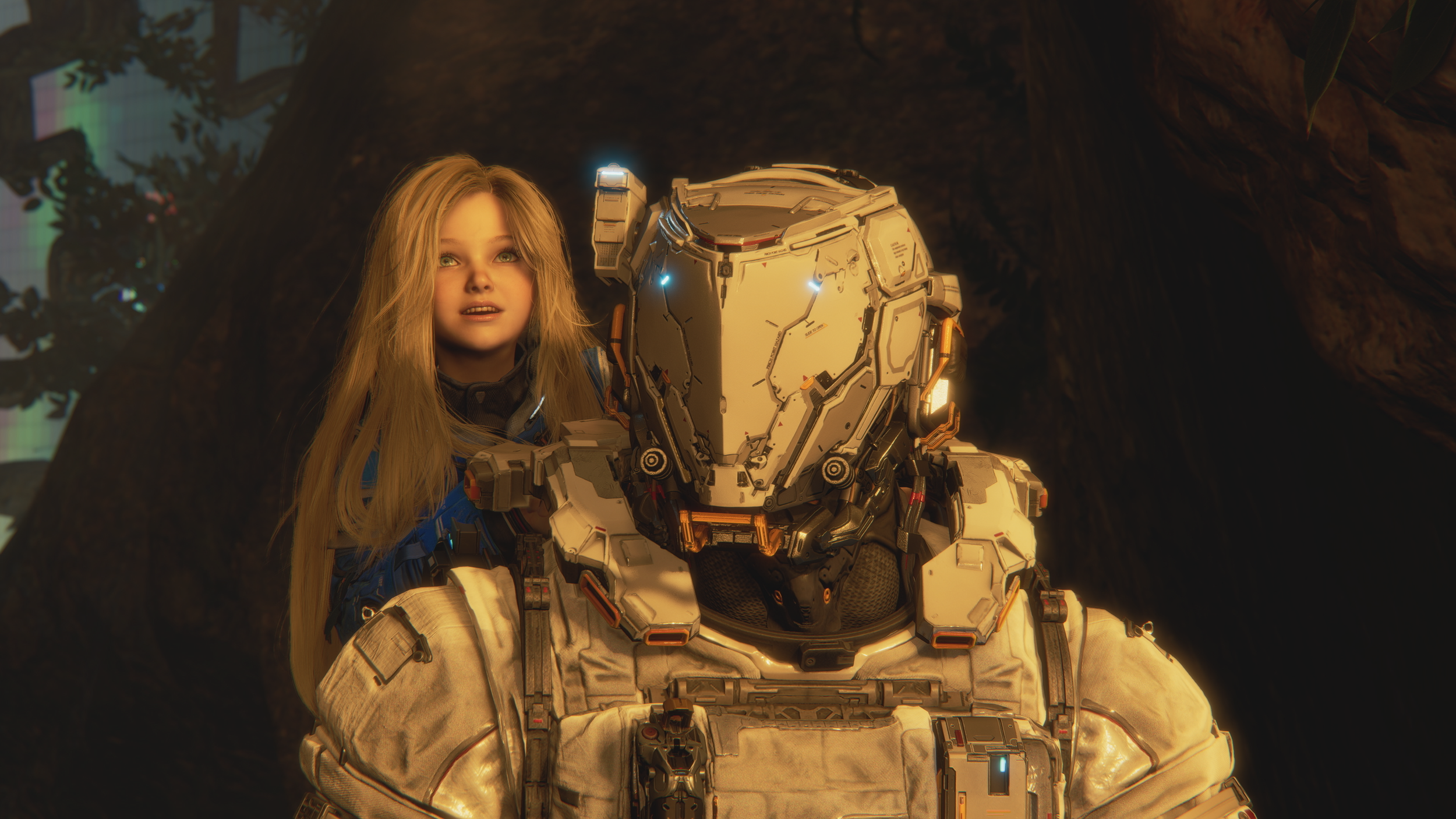
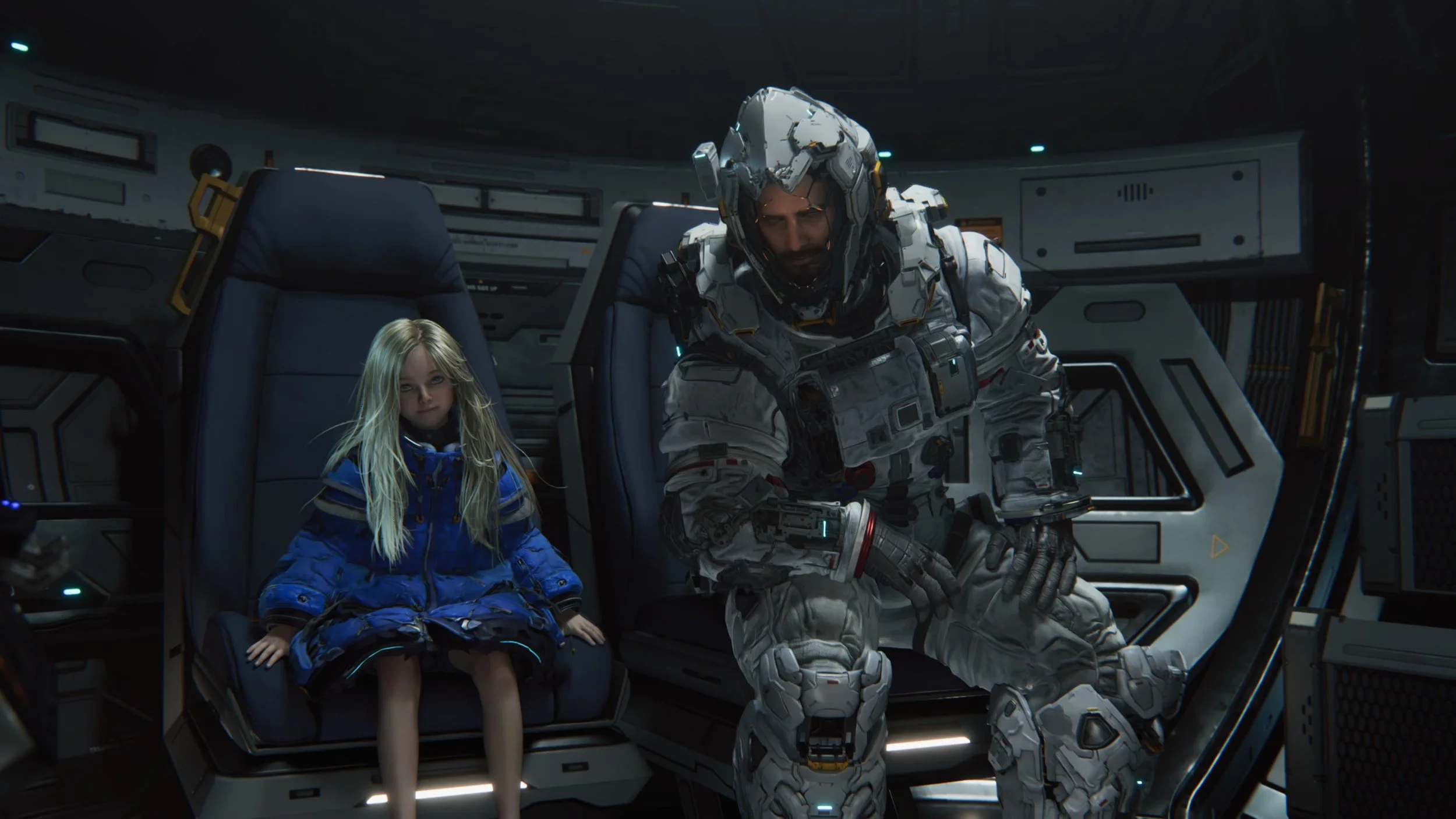
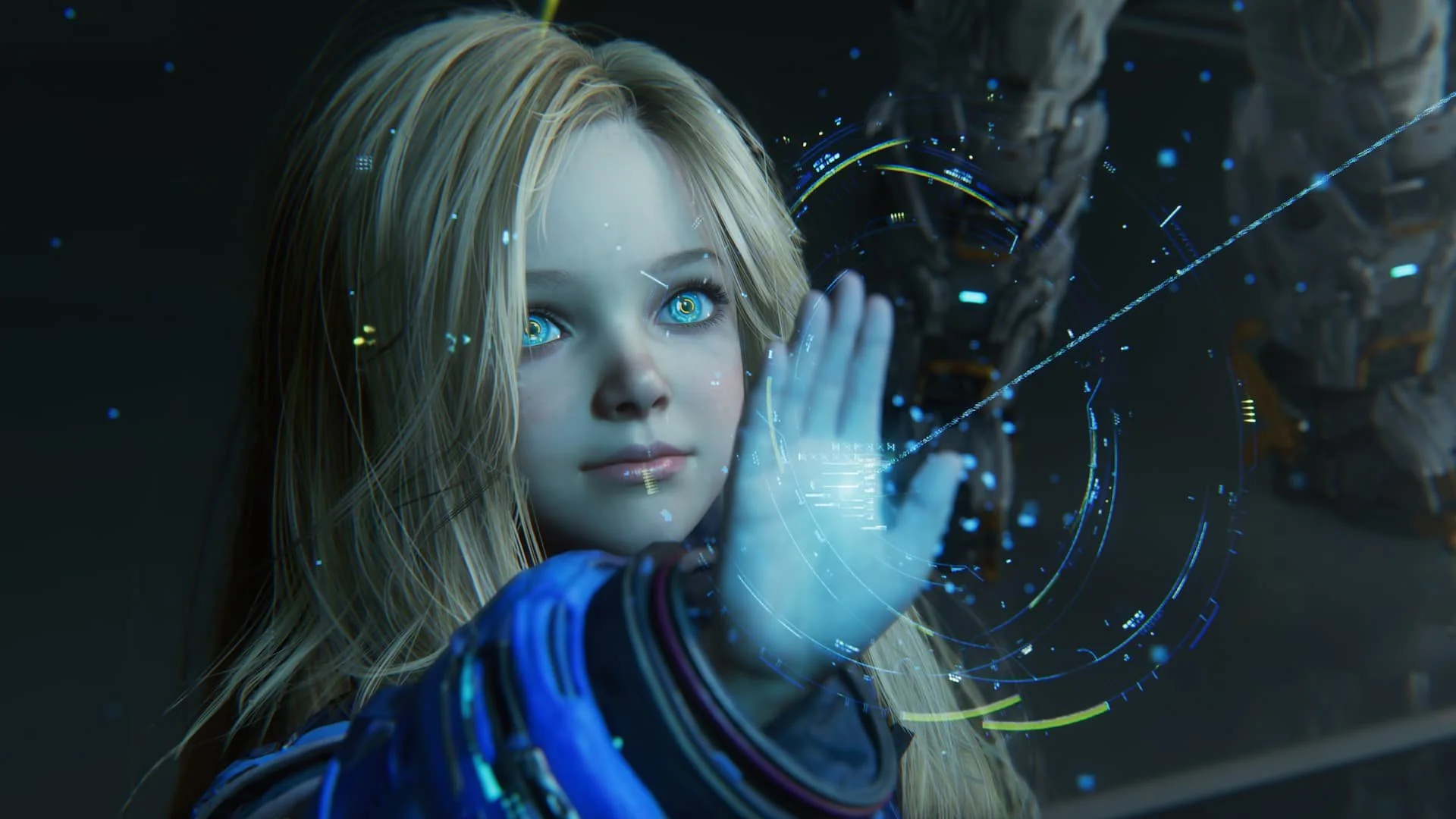
Blessed with the gift of ignorance, I wasn’t aware of what Pragmata had to offer in terms of story, and I was pleasantly surprised by how it all played out. This game sees you play as Hugh, an astronaut tasked with investigating a lunar research facility gone rogue. During your travels, you will encounter Diana, a girl android (a pragmata) who will climb on your back and assist you during your adventure of trying to prevent a malignant AI from destroying the world. She also just so happens to be extremely sweet-natured and adorable.
The dynamic between the protagonists evolves as you complete each level. Diana essentially becomes Hugh’s daughter, with him making sure she is safe from the killer robots and also from the sense of abandonment her story carries. On top of that, Diana also provides emotional growth to Hugh, who is no stranger to loneliness himself.
While the story might feel formulaic at times, thanks to some powerful beats, there are moments in which the emotional weight is very strong and quite moving. It is well earned. Complement that with an antagonist with very well-rooted motivations, and you have yourself a strong and compelling narrative.
With Diana on your back, you have to use her android abilities to hack the different robots you come across. You do this by inputting commands while traversing through different nodes, some of which will make your hacking more efficient and deadly.
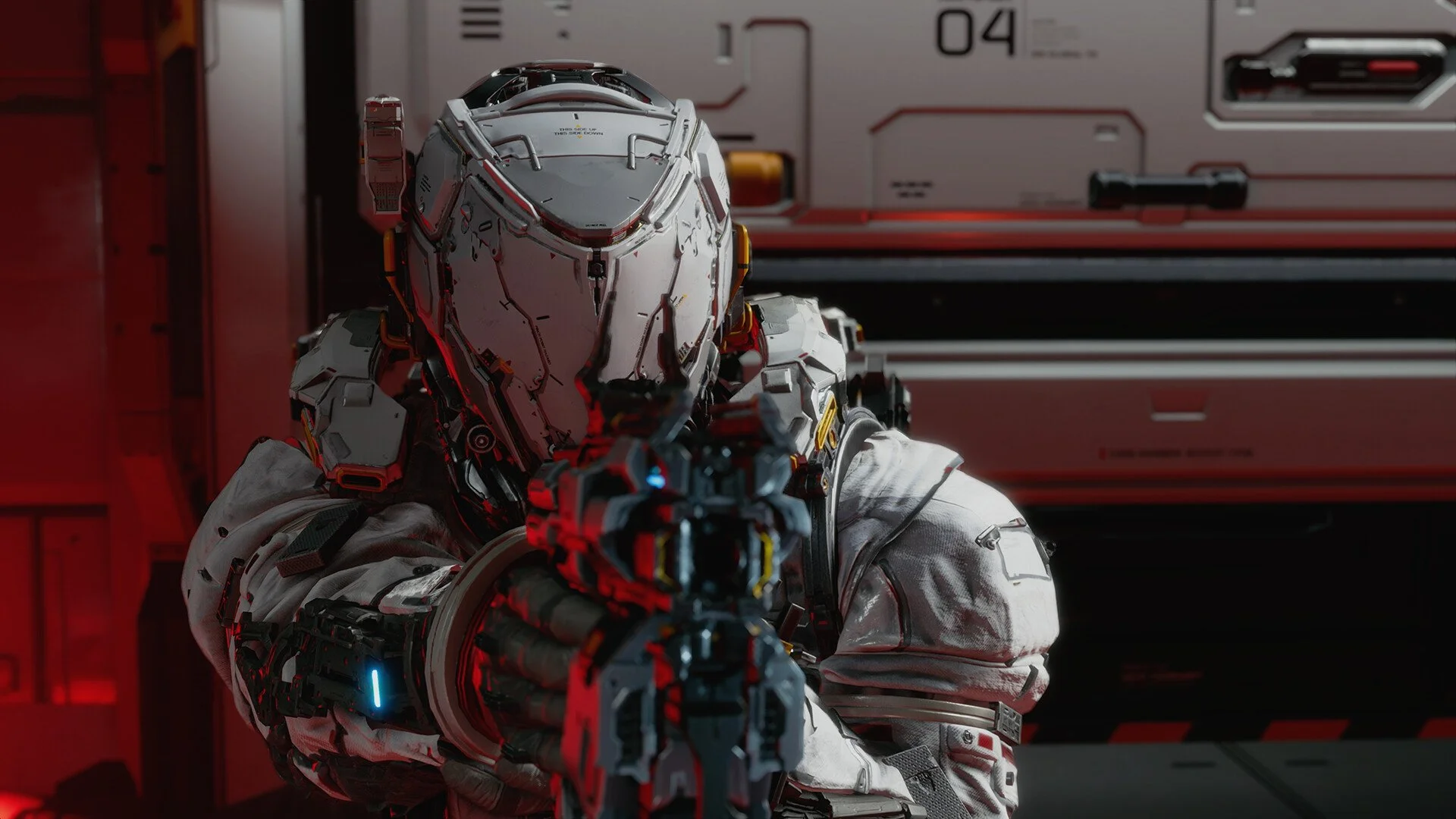
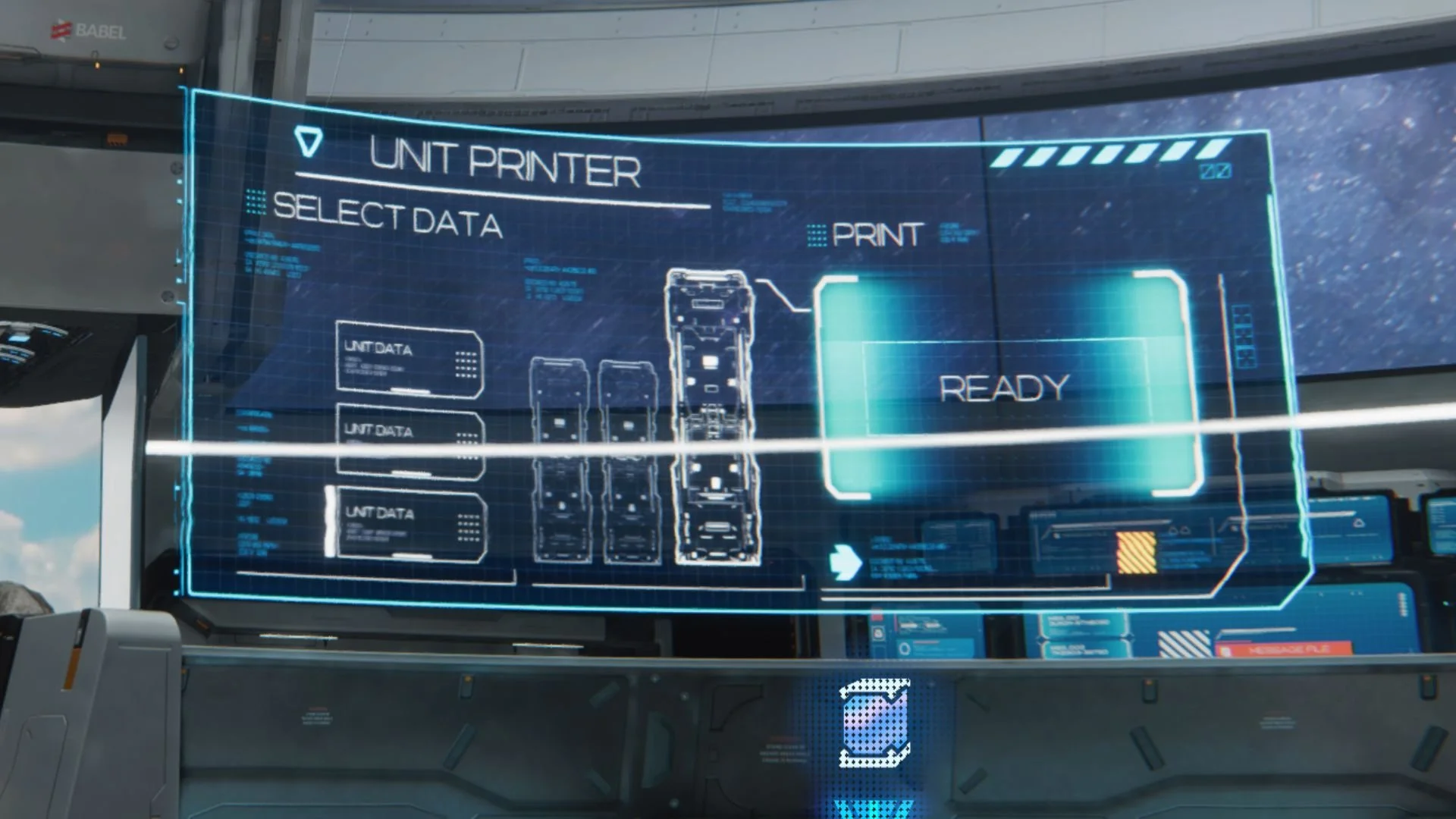
This will disable their defenses, leaving the robots open for a barrage of bullets that Hugh will inflict, thanks to a very wide selection of weapons, starting with your gun, which has infinite ammo. The others, meanwhile, are categorized in three groups: Attack, Tactical, and Defense units, and sport limited ammo that requires you to think through encounters and plan accordingly.
Obviously, the robots won’t hold back, as an increasing variety will mean you will constantly have to watch your back or any incoming attacks that might decimate you. You can counter this, of course, with a variety of mods you can equip to slightly alter how you fight with these AI foes.
As a result, Pragmata isn’t just a straight-up spray-and-pray type of game. It is all about strategy and fast reflexes, and while the late game doesn’t add significant mechanics, the gameplay remains tense throughout. Also, some of the sim challenges feel straight-up impossible at times, so those hungry for unforgiving madness will find themselves pleased.
Graphics and Sound
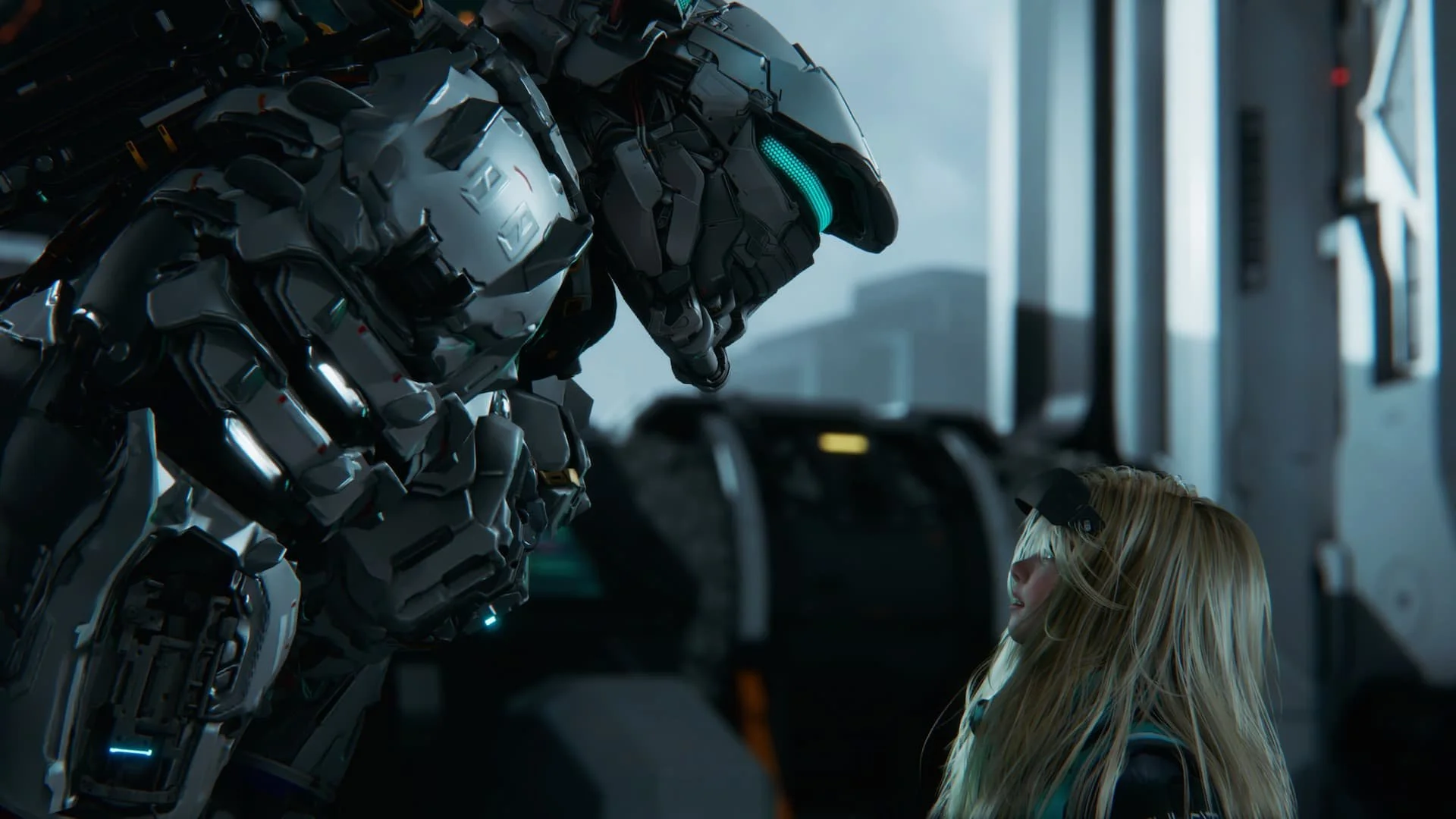
The Moon and its many levels in Pragmata look amazing. The world, the robots, and our protagonist feel alive — especially Diana. She steals the show in the design department, feeling more human than Hugh at times and most definitely than the robots, who use the Uncanny Valley to appear menacing.
Even though the Moon appears tainted with death, each of its locations feels distinctly beautiful and different from the others (and oddly familiar thanks to a recreated Times Square). The robot variety introduced throughout the game is a delight to the eye, too, with each new robot being more dangerous yet more grotesque aesthetically.
The game’s music, meanwhile, is serene and emotional, but can also morph into a symphony of despair and danger when facing the game’s bosses. This greatly aids the game’s story, as the music complements its beats perfectly, leading to very epic and moving moments. The sound design is also well-executed, which makes you feel that you’re traversing through a very advanced world, albeit artificial and sometimes hollow due to the events that unfolded before your arrival.
Feedback
If I had to nitpick, I would say that, while enticing, the dynamic between Hugh and Diana might feel corny at times, although never annoying enough to be too distracting. The game also suffers from chattiness, during which you are directed to a secret or an objective in a way that doesn’t feel natural.
As I said before, the game doesn’t introduce anything particularly new during its final levels. They, instead, provide multiple rounds where you face the most challenging robots with a variety of twists. This is effective, of course, as you’ll probably be overwhelmed by the sheer madness on the screen, but you might find it repetitive, at times. This also applies to the post-game.
If you, however, are a Capcom fan, then like me, you’ll probably find that these are not big issues. After all, the game has its developer’s DNA all over it, this time more for the better than for the worse.
Verdict
Pragmata is one of those rare instances in which a game comes out of nowhere with no “franchise” to back it up and just straight-up steals your breath away. My journey with the game was filled with thrills and tears, and it left me with that “post-game depression” that no other game has achieved in a long time. It’s a worthy contender for Game of the Year.