In living rooms, dorms, and subway rides around the world, people are tapping screens and clicking mice not just for luck, but to test real skill. Video games once thought of as pure pastime have grown into a competitive playground where reflexes, tactics, and practice decide who wins. This shift toward skill-based play is shaking up the entire online entertainment scene, from headline-grabbing esports tournaments to emerging casino platforms that reward mastery as much as chance. Early adopters already see how the change makes games more exciting, inclusive, and even educational. Industry watchers predict that tomorrow’s most popular titles will look more like digital sports arenas than slot machines. For anyone curious about where gaming is heading, checking out hubs such as www.palmslots.ie offers a quick glimpse of the trend in action. By following how players, developers, and regulators respond, one can trace the outline of a future where skill matters as much as imagination.
The Rise of Skill-Based Gaming
Arcade halls of the 1980s rewarded quick hands and sharp eyesight, but the internet has multiplied that idea a thousand times over. Today’s skill-based titles live in web browsers, mobile apps, and cloud platforms that match players from different continents in seconds. Sophisticated ranking systems keep contests fair by pairing beginners with beginners and pros with pros. Developers also add leaderboards, time-limited challenges, and social sharing tools to feed a friendly sense of rivalry. The result is a loop: the more someone plays, the better they get, and the more they want to show off. This model attracts not only gamers but also advertisers, event organizers, and colleges that now offer esports scholarships. Analysts note that revenue from skill-centric games is growing faster than traditional luck-based gaming because it keeps players engaged for longer sessions. Hardware makers follow suit by releasing gear tuned for accuracy, low latency, and comfort during marathon matches. All these forces together explain why skill-first design has moved from a niche experiment to the main blueprint for new online entertainment. Market researchers believe the segment will surpass $60 billion in global revenue before the decade ends, signaling a clear vote of confidence from investors around the globe.
Why Players Love Skill Games
Skill-based gaming taps into basic human desires: learning, mastery, and fair competition. When a player sees progress after practicing a new combo or map route, the brain releases a small hit of dopamine, the same chemical linked to sports or playing an instrument. This reward loop feels more meaningful than a random spin because success is clearly connected to effort. Younger audiences, raised on interactive media, often expect this sense of agency as a default. They are less patient with pure chance mechanics that give no feedback beyond “win” or “lose.” Parents also appreciate that skill games can sharpen reflexes, pattern recognition, and strategic thinking. Some even play together as a modern form of family game night. Another plus is community; streamers share tutorials, and forums dissect strategies, creating friendships that last beyond any single match. On top of that, many titles are free to enter, with optional cosmetic purchases, keeping barriers low. By blending personal growth, social engagement, and budget-friendly access, skill-centric experiences deliver a value package that luck-based games struggle to match. In surveys from leading publishers, nearly seventy percent of players report liking games where results depend in part on personal ability instead of blind luck alone.
Esports: The Flagship Example
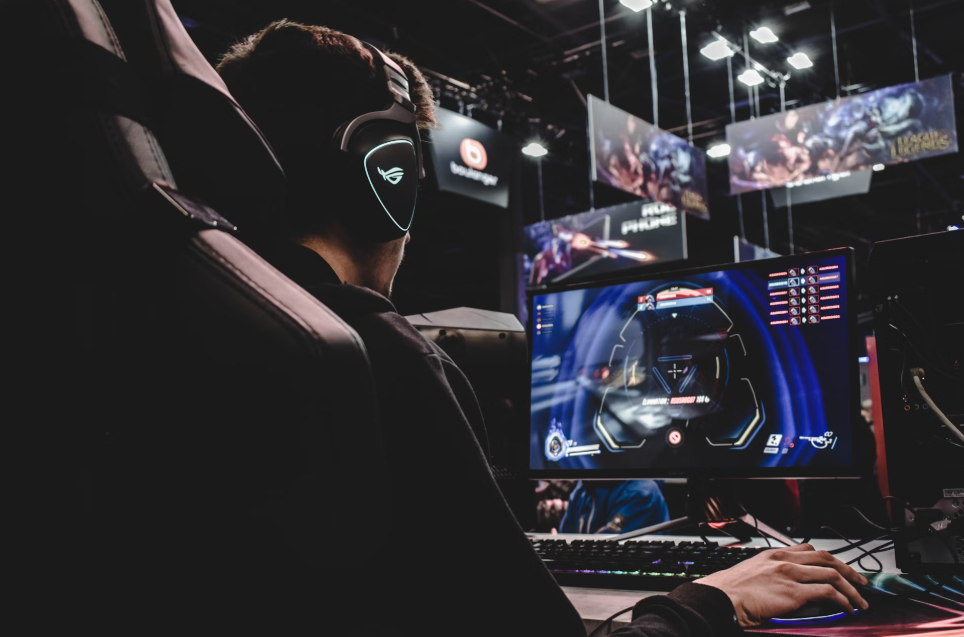
Nothing illustrates the power of skill-based play like esports, the organized competition scene that turns video games into spectator events. From stadiums packed with cheering fans to Twitch streams watched by millions, esports proves that digital contests can rival traditional sports in drama and scale. Titles such as League of Legends, Counter-Strike, and Rocket League all share a key trait: every outcome depends on player decisions made in fractions of a second. Teams practice for hours each day, drilling tactics, reviewing replays, and managing nutrition, much like basketball or soccer professionals. Prize pools have exploded, with top tournaments offering life-changing sums that attract mainstream sponsors like car makers and phone brands. Media rights deals now place finals on cable channels and streaming services, while universities create varsity programs to recruit high school talent. Even the Olympic Committee has taken notice, hosting trial events to gauge future inclusion. Esports also highlight inclusivity; a gifted teen with a modest laptop can rise to fame without needing expensive gear or a specific body type. This merit-based ladder embodies the core promise of skill gaming. Local city leagues and after-school clubs now broadcast weekly matches, blending grassroots enthusiasm with professional aspirations for young competitors.
Skill Meets Chance in Online Casinos
For decades, casino games relied on random number generators alone. Yet a new wave of platforms is mixing in elements of skill to satisfy modern tastes. Popular examples include card-matching puzzles that speed up blackjack rounds, and shooter-style bonus stages that let players earn multipliers through accuracy. These features do not erase the house edge, but they give participants more control and a sense of agency. Game studios also host seasonal leaderboards, where top performers share prize pools that sit outside normal wagering. Regulators in several regions approve because outcomes are still measurable and transparent. Payment providers benefit as longer play sessions translate into consistent micro-transactions rather than single big bets. Critics worry that skill layers could blur lines between gaming and gambling, yet supporters argue that clear tutorials and practice modes promote responsible play. Either way, the trend shows that casinos cannot ignore a generation raised on competitive video games. Brands that adapt early stand to capture a loyal audience looking for more than spinning reels.
What the Future Holds for Skill-Based Entertainment
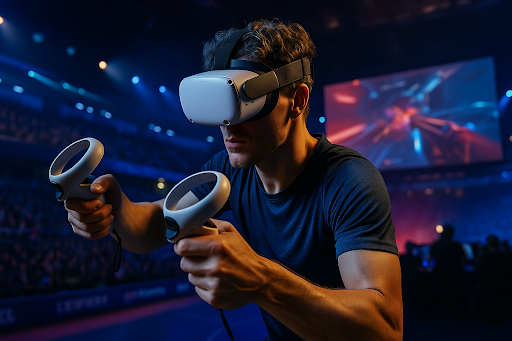
Looking ahead, analysts expect skill-based gaming to expand beyond phones and PCs into every connected device. Smart TVs already support competitive cloud titles, and car infotainment systems may soon host quick races while vehicles charge. Advances in virtual reality promise fully immersive arenas where physical fitness merges with digital precision. On the business side, blockchain technology could verify match results instantly and let players trade earned assets across different games. Education experts are even exploring skill games as classroom tools for teaching math, language, and teamwork. Governments, meanwhile, continue to refine rules that balance innovation with consumer protection; clear age ratings and spending caps are likely to become standard. For creators, the key will be designing experiences that reward learning curves without scaring off newcomers. Fans can look forward to cross-platform tournaments, bigger prize pools, and community-driven content that refreshes games long after launch. If current momentum holds, the line between traditional sports, casual play, and online casinos will blur further, uniting audiences under one simple idea: effort should matter.