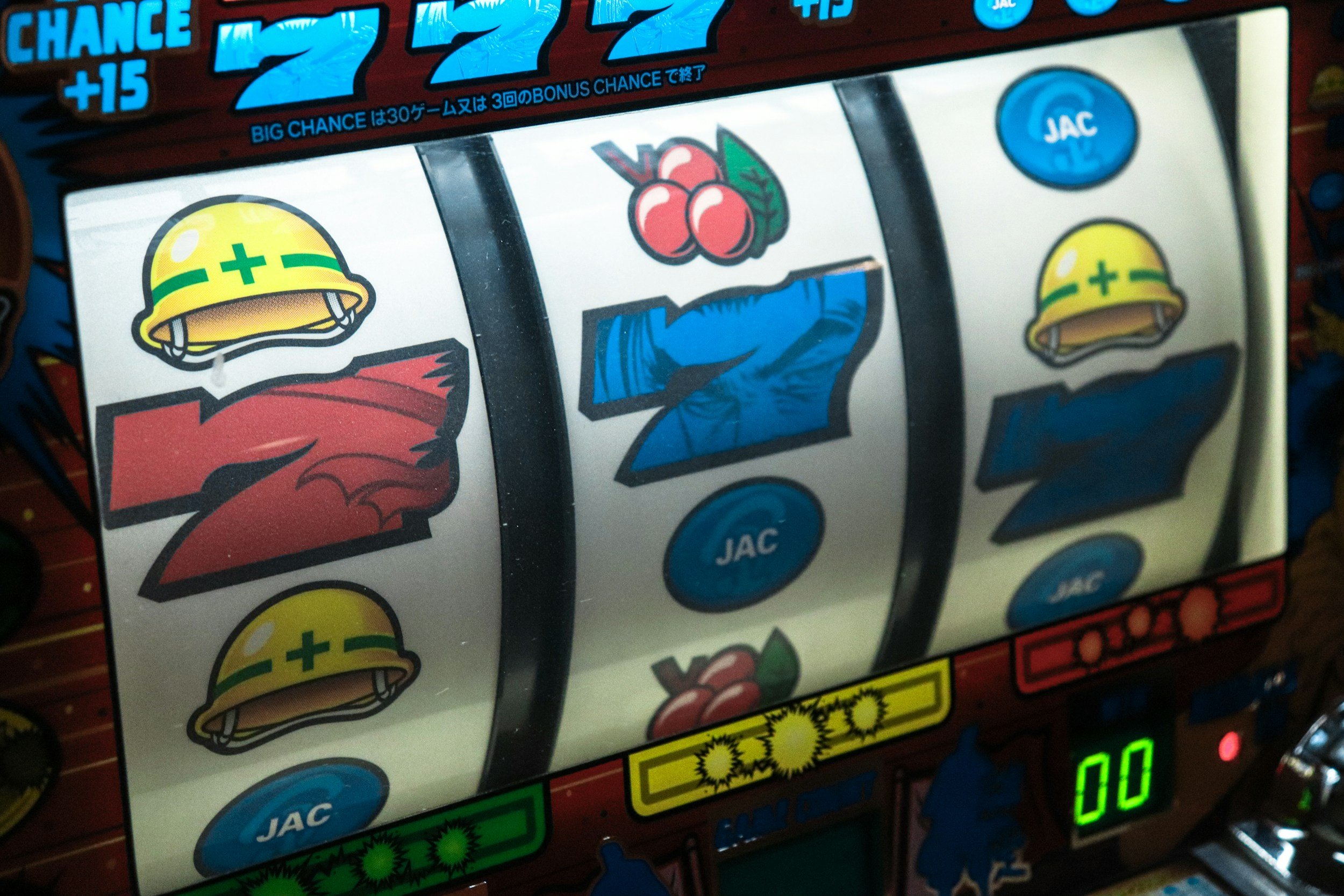
A 98% RTP slot returns $98 for every $100 wagered over a statistically significant number of spins. That figure — the return to player rate — is calculated over millions of rounds, not individual sessions. In 2026, high-payout slots have become a defined category across online casino platforms, driven by growing demand for transparent payback percentage data from informed players.
What a 98% Return to Player Rate Actually Means
RTP is a mathematical expression of a slot’s long-term payout behavior, set in the game’s code by the provider and verified by independent testing laboratories such as eCOGRA or iTech Labs. A 98% return to player rate means the house edge sits at exactly 2% — one of the lowest available in online casino slots. For context, the industry average RTP across all slot machines is approximately 96%, making a 98% RTP slot a statistically favorable option. Casinos with free slots no download list RTP figures directly on each game’s information panel, allowing players to compare payback percentages before placing a single bet. An anonymous casino blogger noted that “once you start filtering by RTP, it becomes impossible to go back to picking games by thumbnail alone.”
How RTP Interacts with Volatility and Bonus Rounds
RTP and volatility are separate but related attributes. A slot can carry a 98% return to player rate and still behave very differently depending on its volatility setting — low, medium or high. Low volatility slots with 98% RTP deliver smaller, more frequent wins. High volatility versions with the same payback percentage concentrate returns into less frequent but larger bonus rounds and jackpot features.
Volatility Levels in High RTP Slots
Volatility defines the distribution pattern of returns, not the total amount returned. A 98% RTP slot with high volatility may go 200 spins without a significant payout, then deliver a multiplied bonus round result that accounts for a large share of the session’s total return. Players who prioritize consistent session activity typically favor low-to-medium volatility games at this RTP tier. Those targeting jackpot features accept the uneven return distribution that comes with high volatility configurations.
Bonus Round Structures in 98% Payout Slots
Bonus rounds in high-payout slots serve two functions: they increase engagement and they concentrate a disproportionate share of the game’s total RTP into triggered events. In many 98% RTP titles, the base game contributes roughly 60 to 70% of the overall payback percentage, while free spin features and multiplier rounds account for the remaining 30 to 40%. This means a player who never triggers the bonus round in a session experiences an effective RTP well below the stated 98% figure during that specific period.
Slot Providers Offering 98% RTP Titles in 2026
Not every provider publishes games at the 98% threshold — it represents a competitive ceiling for most studios. The following table compares slot providers known for releasing or maintaining 98% RTP games in their 2026 catalogs:
| Provider | Known 98% RTP Titles | Typical Volatility | Jackpot Features |
|---|---|---|---|
| NetEnt | Blood Suckers (98%) | Low | No |
| Thunderkick | 1429 Uncharted Seas (98.6%) | Medium | No |
| Microgaming | Mega Joker (99%), Jackpot 6000 (98.86%) | High | Yes — progressive |
| Play’n GO | Joker Strike (98.11%) | Medium–High | No |
| Betsoft | Good Girl Bad Girl (97.79% – 98.3%) | Low–High (selectable) | No |
Microgaming’s Mega Joker reaches 99% RTP in its Supermeter mode — the highest confirmed payback percentage available in a publicly listed online slot machine as of 2026. Thunderkick’s 1429 Uncharted Seas holds a 98.6% rate at medium volatility, making it one of the most balanced high-RTP options in the current market.
How to Find and Compare High RTP Slots on a Casino Platform
Most online casino platforms now include an RTP filter or a sortable game library that displays payback percentage data alongside each title. Knowing where to look and what to cross-reference makes the selection process faster and more precise. Here is the step-by-step process for identifying 98% RTP slots on a standard casino platform:
Open the casino’s game library and locate the filter or sort options panel.
Filter by RTP or “payout rate” if the option is available — set the minimum to 97% or higher to capture the 98% tier.
Click on each shortlisted game and open its information or paytable panel to confirm the exact RTP figure.
Cross-reference the stated RTP against the provider’s official published data or an independent certification body such as eCOGRA.
Note the volatility level of each confirmed 98% title and select based on preferred session pattern — frequent smaller returns or infrequent larger ones.
Key Features to Look for Beyond the RTP Figure
A 98% return to player rate is a starting point, not a complete picture of a slot’s value. The following attributes determine how that payback percentage is experienced in practice:
Volatility rating — low, medium or high — determines how returns are distributed across a session
Minimum bet size — affects how many spins the session budget covers at the 98% tier
Bonus round frequency — how often triggered features contribute to the total RTP
Progressive jackpot inclusion — some 98% RTP figures include jackpot contributions that rarely trigger
Certified RTP versus operator-adjusted RTP — some platforms run games at reduced rates below the maximum stated figure
Operator-adjusted RTP is a documented practice in the industry. A slot published at 98% by its developer may run at 96% or 97% on specific platforms where the operator has configured a lower setting — a difference that compounds significantly over hundreds of spins.
2026 Slot Market and the 98% RTP Threshold
Player demand for transparent payout data has pushed more providers to publish and promote high-RTP variants of existing titles. In 2026, several studios now release standard and high-RTP versions of the same game simultaneously — giving operators the choice of which variant to offer. Slots at the 98% threshold remain a minority of total catalog listings but represent a growing segment as regulatory requirements in markets including the UK, Sweden and the Netherlands mandate clearer RTP disclosure at the game level.