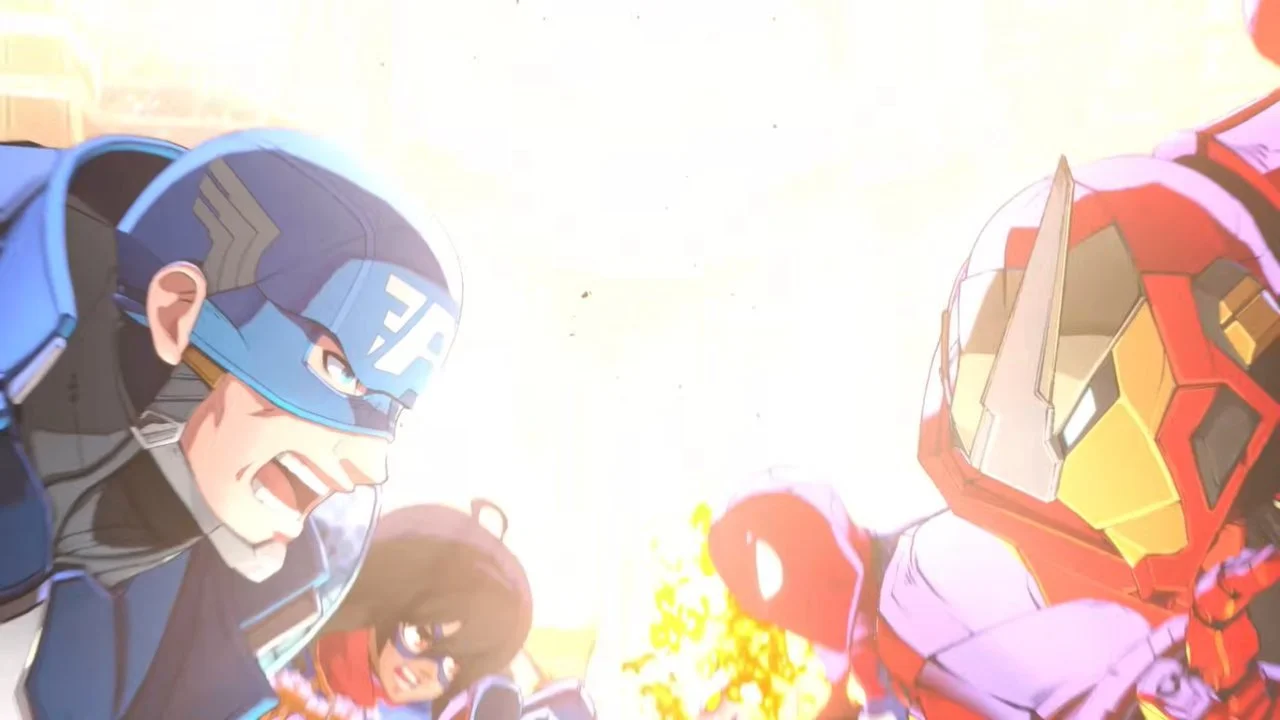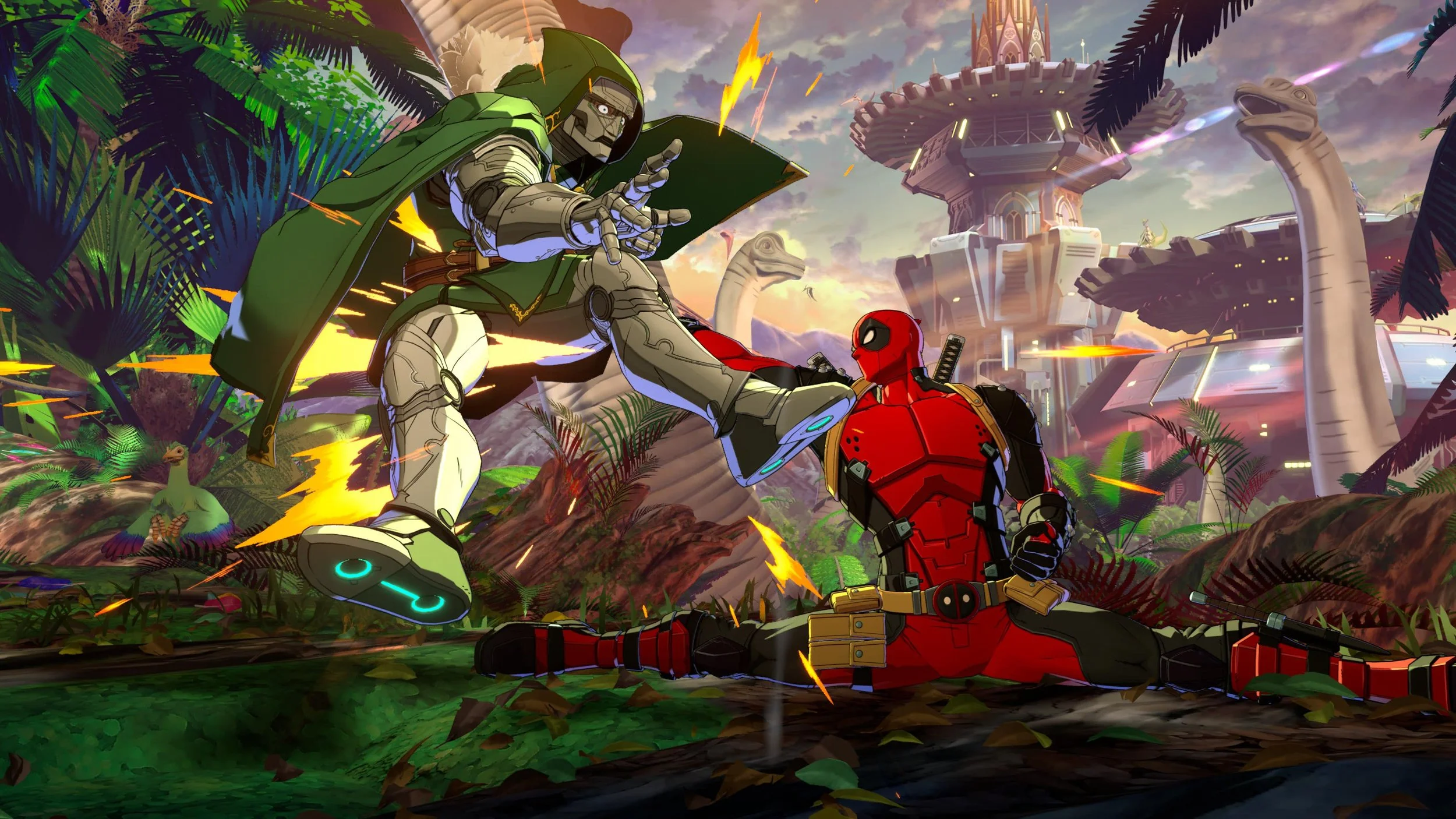
Breaking the fourth wall and making pop culture references is Deadpool's M.O. In Marvel Tōkon: Fighting Souls, his references are hilariously centered around fighting games and the fighting game community (FGC) in general. Having him perform iconic moves or seeing him make fun of Hulk for not having a command grab is very entertaining to say the least.
The sheer number of references he makes is pretty staggering, and in some cases he makes multiple simultaneously. Still, even though I’ve enjoyed all of them, I'm gonna try to list out what I found to be the best Deadpool references in Marvel Tōkon: Fighting Souls.
The Cell Yell
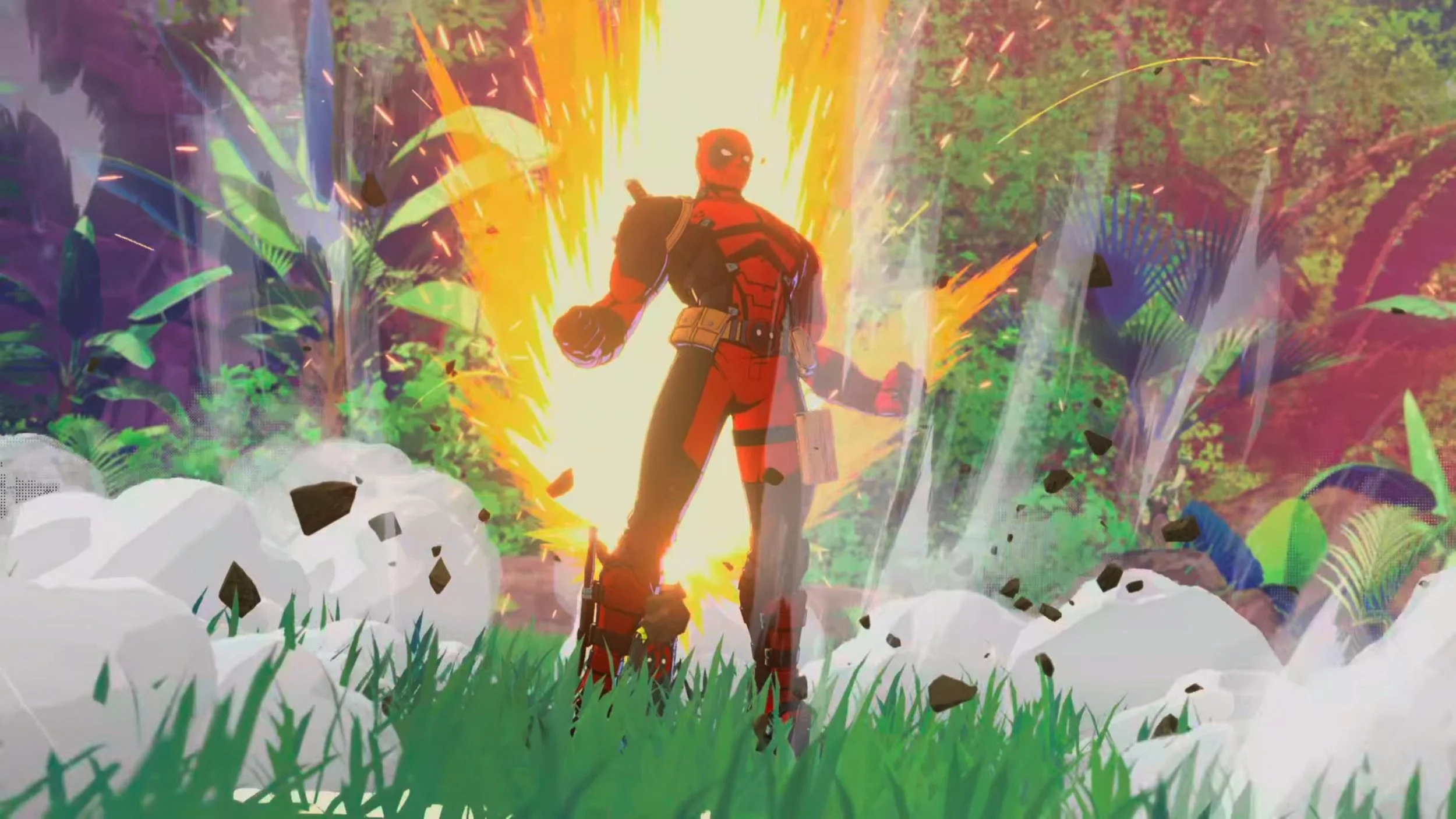
Deadpool's intro features him lighting a firework before posing and screaming as it goes off behind him. Anyone who's played or followed along with Dragon Ball FighterZ at the peak of its popularity will recognize this as a riff on Cell's intro sequence in the game, a.k.a. the Cell Yell as it's become known in the FGC.
This reference isn't just a throw-back to one of Arc System Works' previous titles. Cell was at the top of FighterZ's early meta. His common usage as a point character meant his intro was seen very often. It would reach FGC meme status at EVO 2018, when the crowd would scream along with him every time his intro played during a match.
Polygon Man
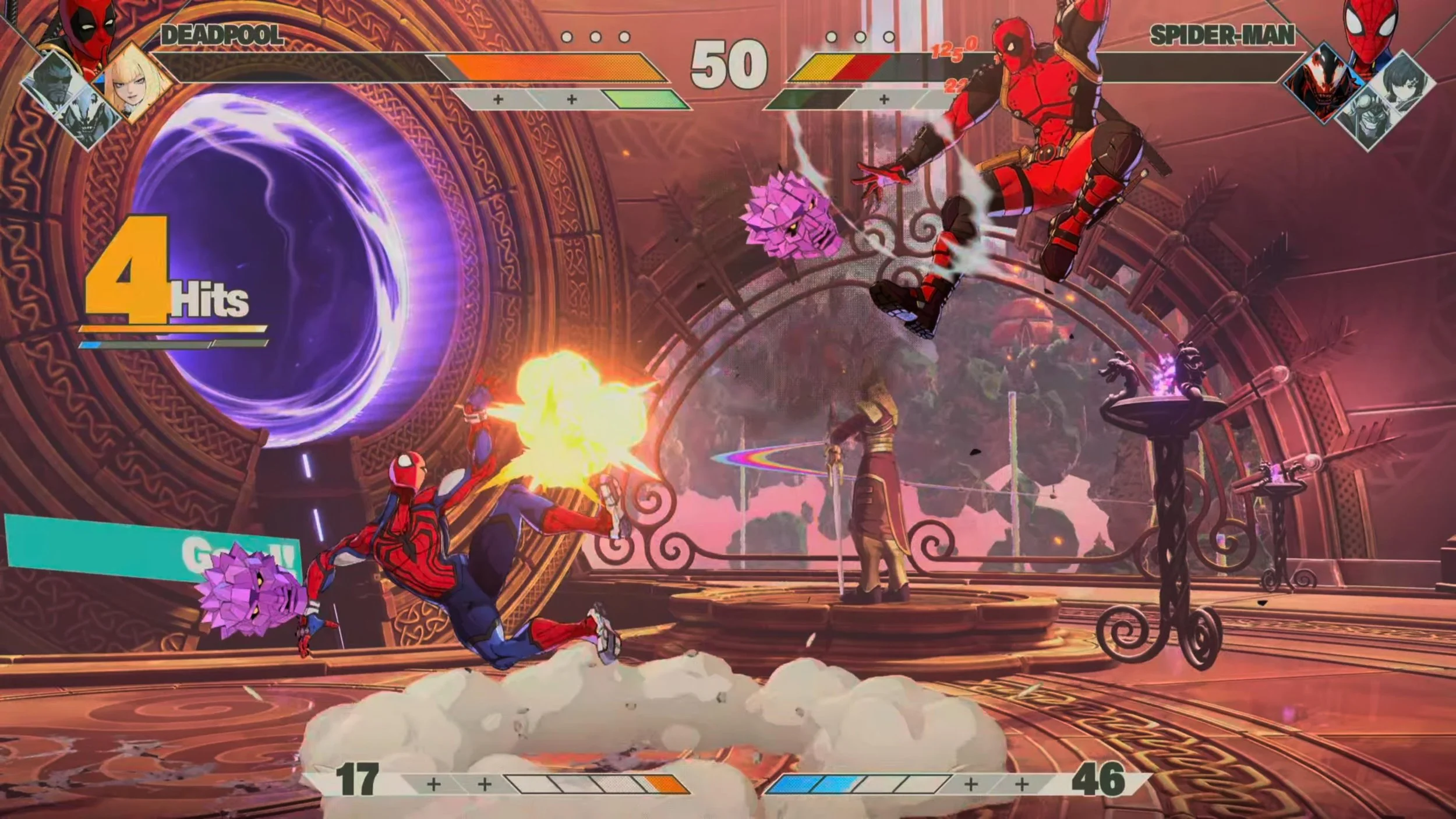
Eagle-eyed viewers noticed this during Deadpool's reveal along with the other Samurai Outriders, but it's a lot more visible now. Using the Fourth Wall Attack version of his Trigger Happy skill in mid-air changes it to Random Bullshit Go!, with Deadpool instead throwing a bunch of purple heads downward.
While the name references the Moon Knight meme and the animation is taken from Vegeta in Dragon Ball FighterZ, the deeper cut is the thrown Polygon Man heads. Polygon Man was created and only briefly used as a North American mascot for the first PlayStation console before being discarded. This cameo also counts as a fighting game reference, since Polygon Man was the final boss in PlayStation All-Stars Battle Royale.
Woshige's EVO 2015 Pop-Off
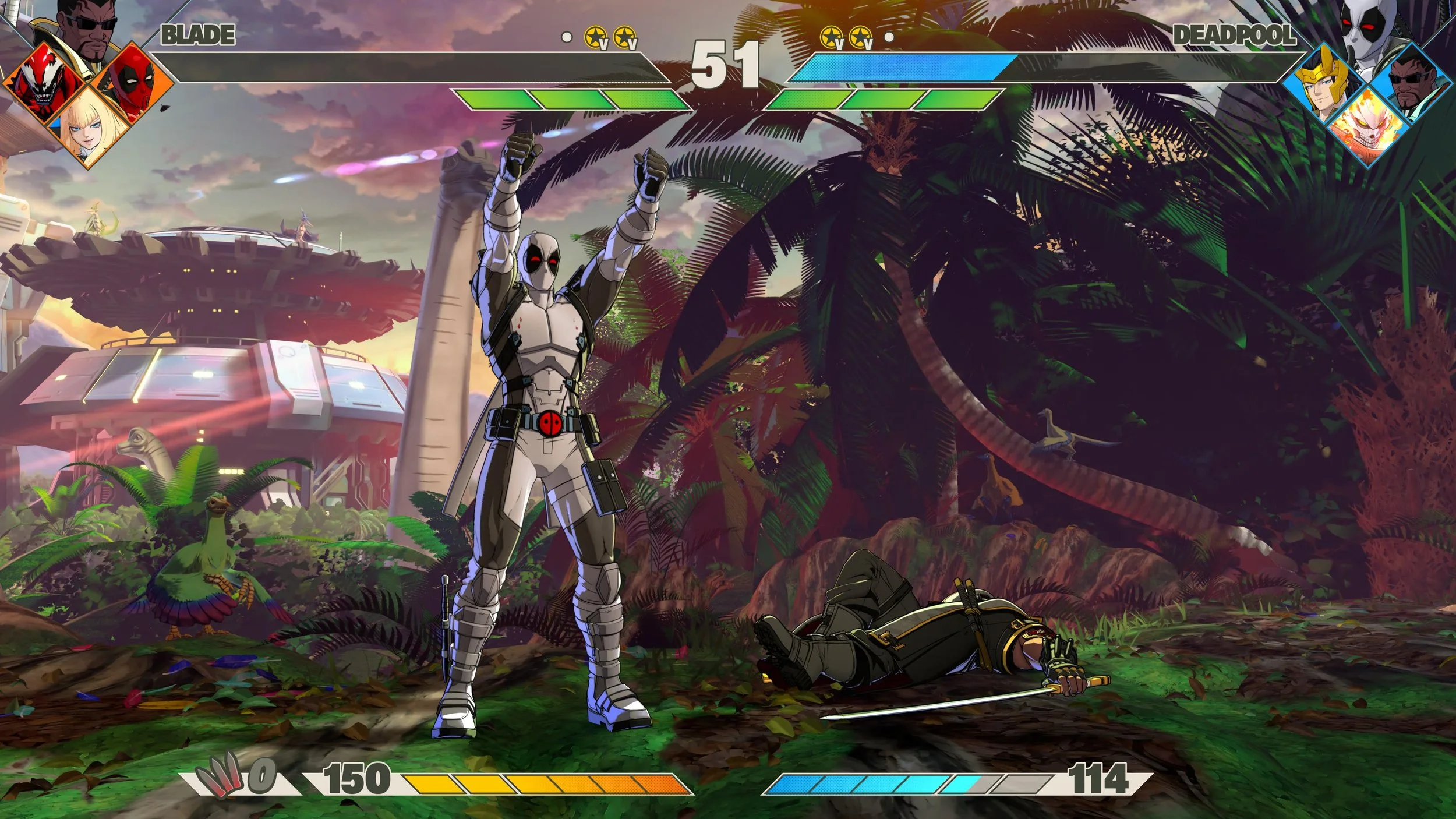
Here's one that references an infamous EVO moment from 2015. One of Deadpool's round win animations has him cheering in place before an arcade machine lands on the ground and he frantically runs towards it. The cheering and dash to the machine are referencing Guilty Gear Xrd's Top 8 at EVO when player Woshige celebrated a bit too early.
The gist is that it was match point to see which player would move up the bracket. His opponent Ogawa already won a round, and Woshige barely managed to win the next. He started celebrating like he won the match, not realizing there was a final round left. He realized a tad too late, and Ogawa would take advantage and win the match in a 12-second final round.
Dio from JoJo's Bizarre Adventure
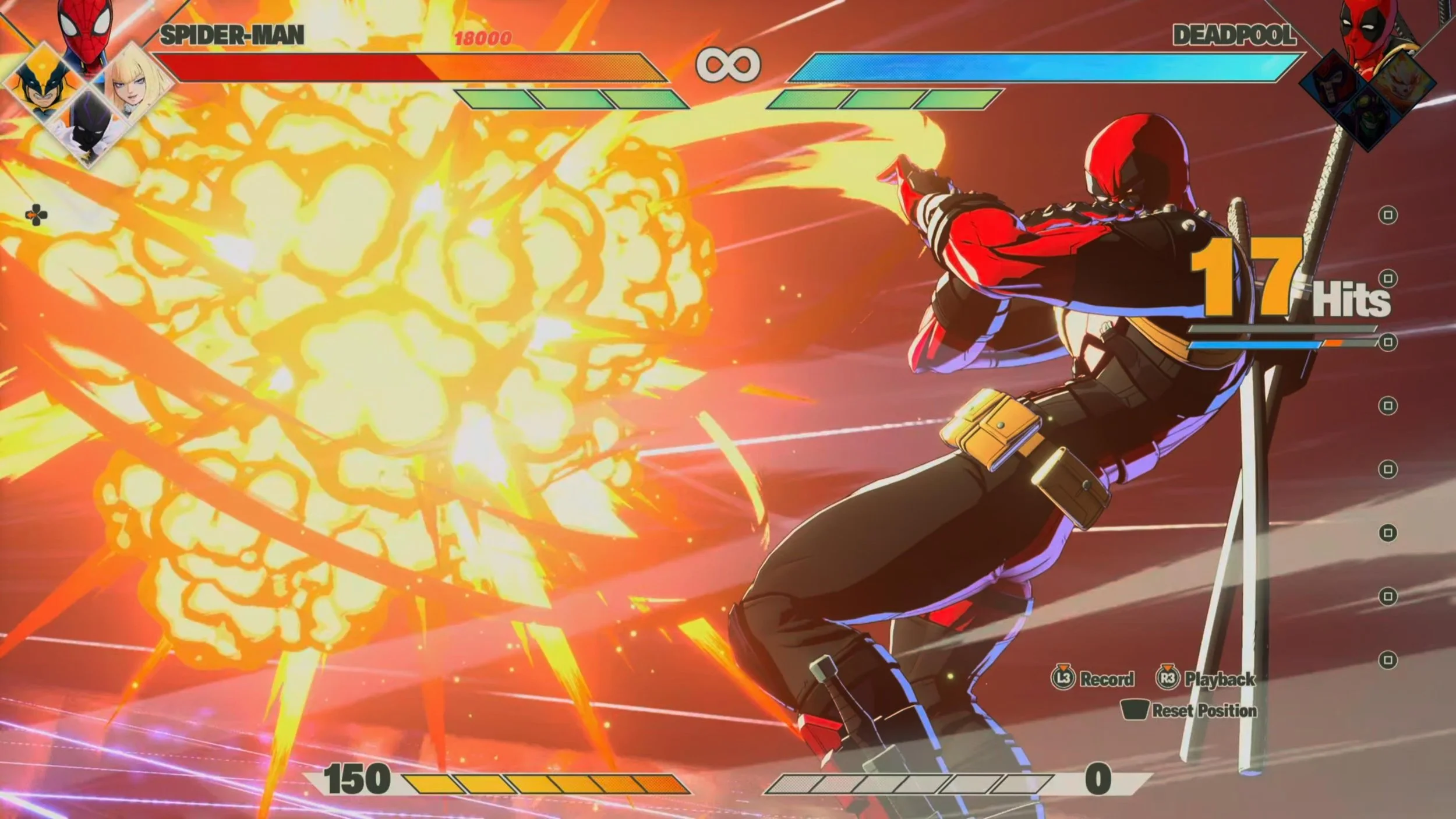
The second half of Deadpool's Tōkon Assemble attack sees him shoot a barrage of bullets and then pose before they hit the enemy in stopped time. This is referencing Dio from JoJo's Bizarre Adventure, and more specifically, the pose is from Capcom's JoJo's Bizarre Adventure: Heritage for the Future fighting game.
Deadpool potentially saying "MUDAMUDAMUDA" as well as "and now time resumes" solidifies the reference. Not to mention his character select screen animation referencing a Shadow Dio counter from the same game. It also pairs nicely with the fact that the Japanese VO for Deadpool is Takehito Koyasu, Dio's VA for the JoJo's Bizarre Adventure anime.
Geese Howard’s Falling Animation
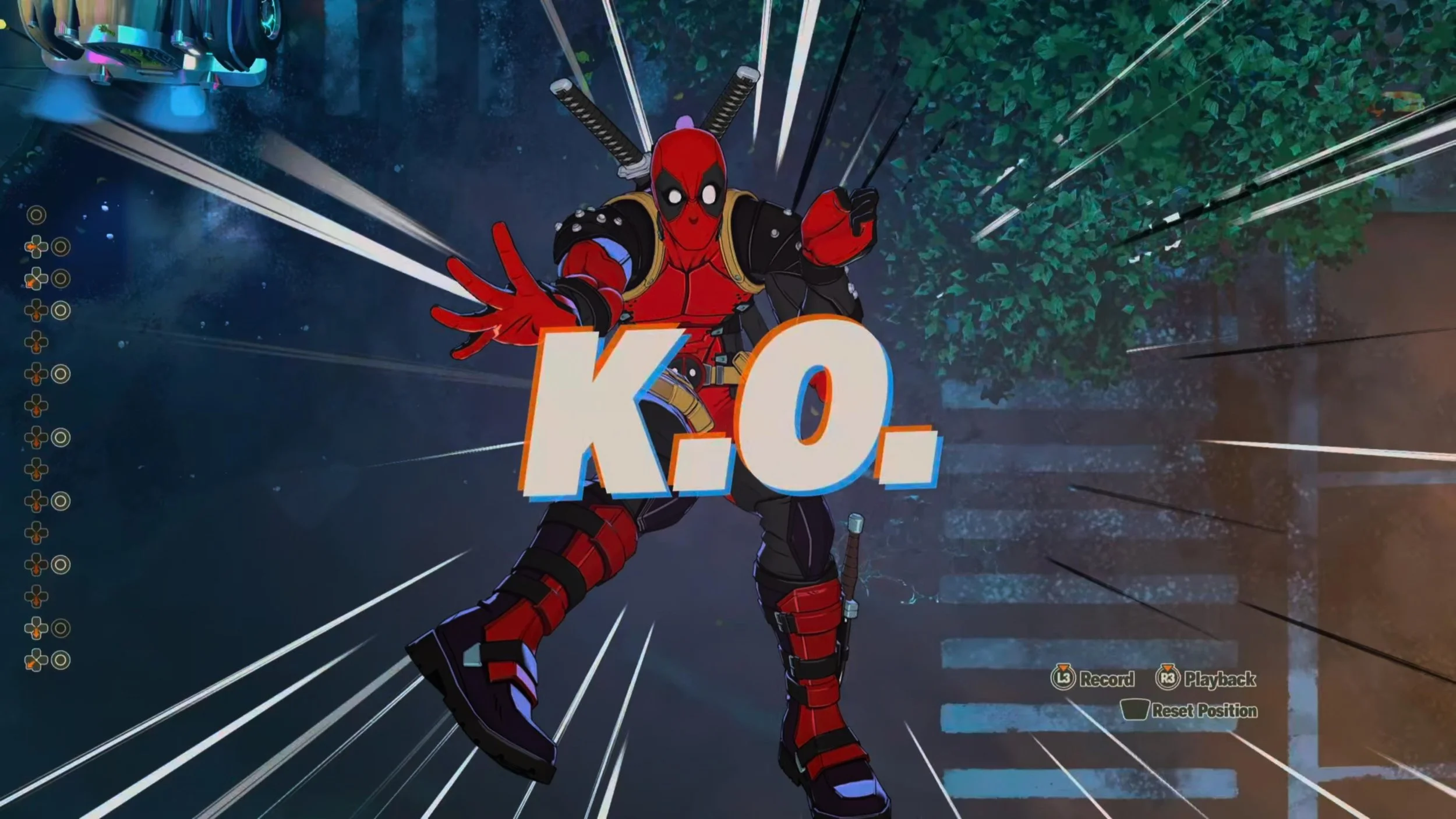
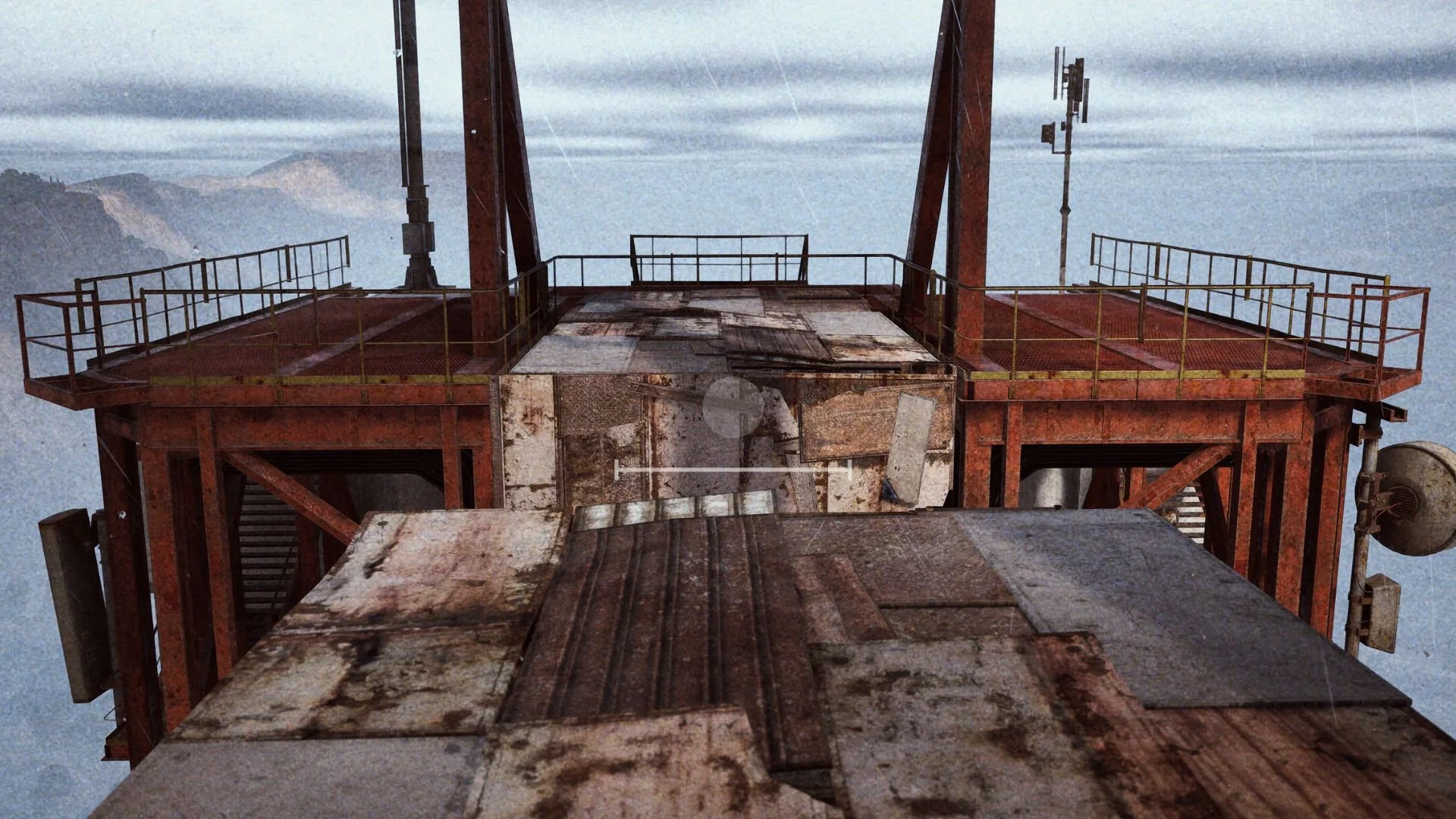
Here is one of the rarest references to see just because of how specific it is. If Deadpool is defeated in the air by a move that knocks him back down to the ground, the camera will cut to an overhead view of him slowly falling. This is a reference to Geese Howard falling from his tower at the end of 1991's Fatal Fury: King of the Fighters.
While Geese Howard has appeared in multiple games since, sometimes as "Nightmare Geese" to explain his undead presence (after falling off a separate tower), his initial plummet remains an iconic sight for this evil villain. Deadpool does reference other iconic endings, including from Tekken, although this can be the hardest to see.
That only scratches the surface of the insane number of fighting-game-centric references he makes. Even though it's all presented in comedic fashion, it's clear as day that it all comes from a place of love for the genre and its community.
If you want to hear more generalized gushing for the game, check out our Marvel Tōkon: Fighting Souls review.