In-game currency has become one of the most common purchases in modern gaming, powering everything from cosmetic skins to gear upgrades and battle pass progression. But with dozens of marketplaces competing for attention, knowing how to buy game currency safely is more important than ever. Scams, delayed deliveries, and account bans from unreliable sellers remain real risks for players who do not know what to look for, and even experienced gamers occasionally get caught out by a listing that looked legitimate on the surface. This guide breaks down exactly how the process works, what separates trustworthy sellers from risky ones, and how to make confident purchasing decisions across your favorite titles.
Why Players Buy In-Game Currency
Game economies are designed around a simple trade-off: time or money. Earning currency through gameplay is free but slow, while purchasing it accelerates progress significantly. For players with limited time, currency purchases let them stay competitive, unlock content faster, or simply enjoy cosmetic customization without grinding for weeks on end. This is especially common in MMOs, battle royale titles, and live-service games where progression systems are deliberately time-intensive by design, since developers rely on that time investment to keep players engaged over long periods.
For competitive players, currency purchases can also mean the difference between showing up to ranked matches with outdated gear or staying current with the meta — a real factor in games where equipment quality affects performance and, in team settings, can influence how the rest of the squad performs as well.
How the Marketplace Ecosystem Works
Third-party currency marketplaces operate by connecting buyers with sellers who have farmed or accumulated in-game currency through legitimate gameplay. Reputable platforms vet their sellers, guarantee delivery, and offer buyer protection — functioning similarly to established e-commerce marketplaces rather than informal peer-to-peer trades conducted through social media or messaging apps.
The best platforms differentiate themselves through delivery speed, price transparency, and customer support responsiveness, since currency purchases are often time-sensitive and tied to specific in-game events or deadlines that do not wait for a slow resolution process.
How to Evaluate a Marketplace Before Buying
Not all sellers operate with the same level of reliability, which makes evaluation an essential step before any purchase.
1. Check Reviews and Delivery History
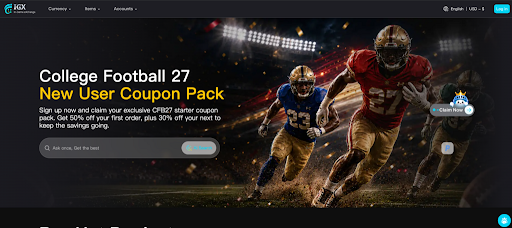
Look for platforms with a consistent track record of verified reviews and clear order history. Established marketplaces like IGX.gg publish transparent transaction records, giving buyers confidence before committing to a purchase they cannot easily reverse.
2. Compare Delivery Timeframes
Some sellers deliver instantly, while others take hours depending on stock availability. Understanding expected delivery windows before purchasing avoids unnecessary frustration, especially for time-sensitive in-game events where a delayed delivery effectively wastes the purchase entirely.
3. Review Refund and Support Policies
A trustworthy marketplace clearly states what happens if a delivery fails or an order is delayed. Vague or missing refund policies are a common warning sign of an unreliable seller, and their absence should be treated as a reason to look elsewhere rather than a minor inconvenience.
Common Risks and How to Avoid Them
The most frequent issue players encounter is buying from unverified sellers offering prices that seem too good to be true — often a sign of stolen or exploited currency that risks account bans down the line, sometimes weeks after the original purchase. Another common mistake is skipping research on delivery speed, leading to missed windows for time-limited events or promotions that cannot be recovered once they close. Finally, players sometimes overlook customer support quality until something goes wrong, at which point responsive support becomes the deciding factor between a resolved issue and a lost purchase that never gets addressed.
Avoiding these pitfalls largely comes down to research: checking reviews, comparing a few marketplaces, and prioritizing established platforms over unfamiliar listings found through ads or social media posts promising unrealistic discounts.
Building a Long-Term Buying Strategy
Rather than treating each currency purchase as an isolated decision, experienced players tend to settle on one or two trusted marketplaces they return to repeatedly. This approach has real advantages: familiarity with a platform's checkout process, delivery expectations, and support channels means fewer surprises over time, and many marketplaces reward repeat buyers with loyalty perks or priority support. Building this kind of relationship with a reliable seller ultimately saves more time and money than constantly chasing the lowest listed price across unfamiliar platforms.
Why Timing Your Purchase Matters
Beyond choosing the right marketplace, timing plays a bigger role in the overall value of a currency purchase than many players realize. Prices and stock availability can fluctuate around major game updates, seasonal events, or when new content drops, since demand for currency often spikes right alongside these moments. Buying slightly ahead of a major event, once you know roughly what you will need it for, often means better availability and a smoother checkout experience compared to purchasing during a peak-demand window when marketplaces are handling higher order volumes.
Similarly, avoiding last-minute purchases right before a tournament or ranked deadline reduces the risk of a delayed delivery causing real disruption. A little planning around timing, combined with choosing a reliable seller, is often the difference between a purchase that feels seamless and one that becomes an unnecessary source of stress.
What Separates a Good Deal From a Risky One
Price comparison alone can be misleading when evaluating marketplaces, since the cheapest listing is not always the best value once delivery reliability and support quality are factored in. A slightly higher price from a platform with consistent same-day delivery and responsive support often works out better in practice than a marginally cheaper listing that leaves you waiting, or worse, disputing a transaction that never completed. Experienced buyers tend to weigh total transaction confidence — not just the sticker price — when deciding where to spend, treating a few extra dollars as reasonable insurance against the far bigger cost of a failed or delayed purchase.
Final Thoughts
Buying Game Currency has become a normal, practical part of modern gaming, but doing it safely requires the same diligence as any online purchase. Prioritizing marketplaces with verified reviews, transparent policies, and reliable delivery timelines turns a potentially risky transaction into a straightforward one. Whether you are gearing up for a competitive season or simply want to unlock cosmetics faster, taking a few extra minutes to evaluate a seller properly, and timing the purchase sensibly, ensures your investment actually enhances your gaming experience rather than creating new problems to solve down the line. A little diligence upfront consistently pays off far more than chasing the absolute lowest price available.