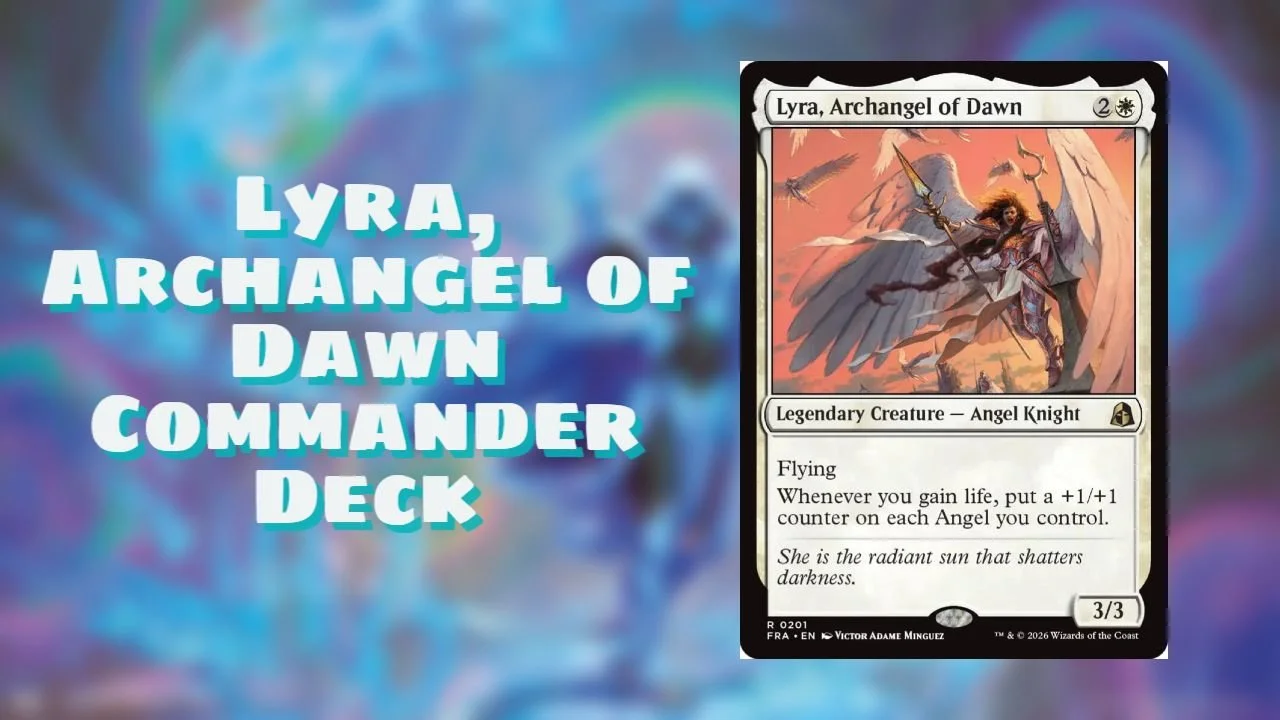
Reality Fracture has given us some really interesting alternate versions of familiar characters, and Lyra, Tolatian Archangel takes one of Magic’s recognizable Angels in a completely different direction. My Lyra, Archangel of Dawn deck focused on Angels, life gain, and +1/+1 counters. This version trades the life gain for something blue players can never get enough of, drawing cards.
For this deck, I wanted to see just how much of my library I could get into my hand. There are plenty of ways to build Lyra as a traditional mono-blue deck, using deck advantage and interaction to take over while an arm of flying Angels does the attacking.
Commander Overview
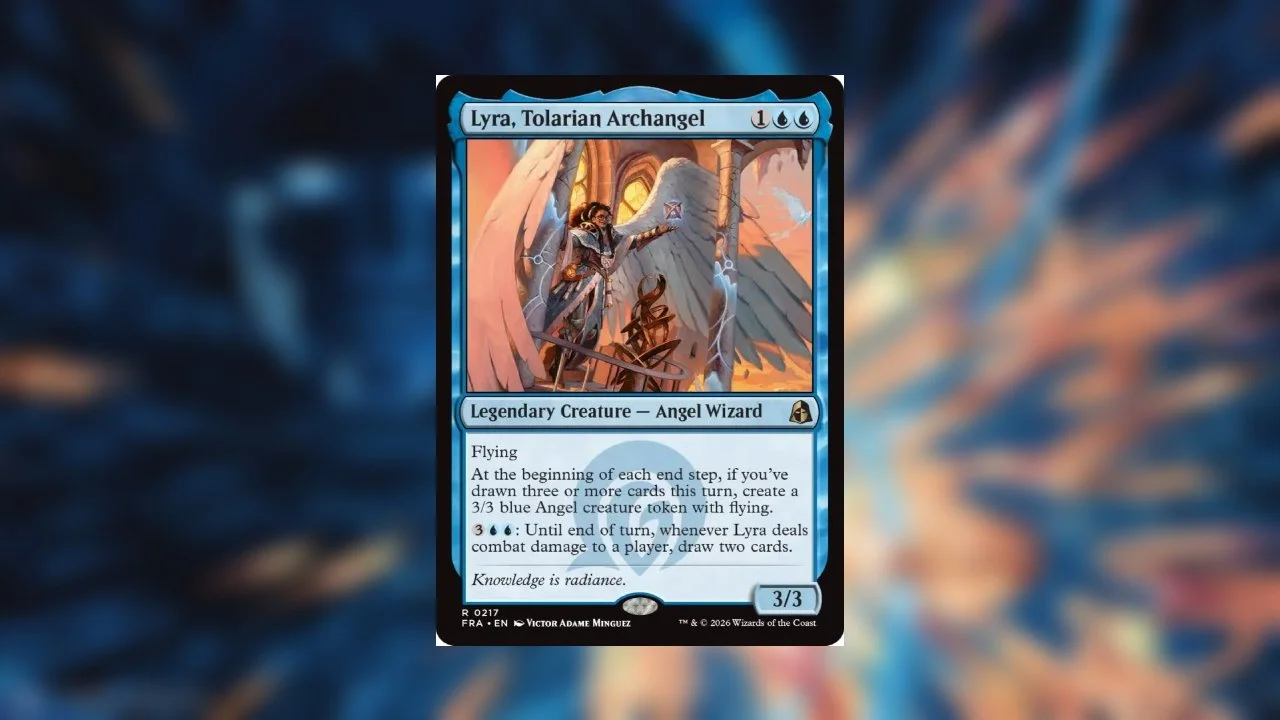
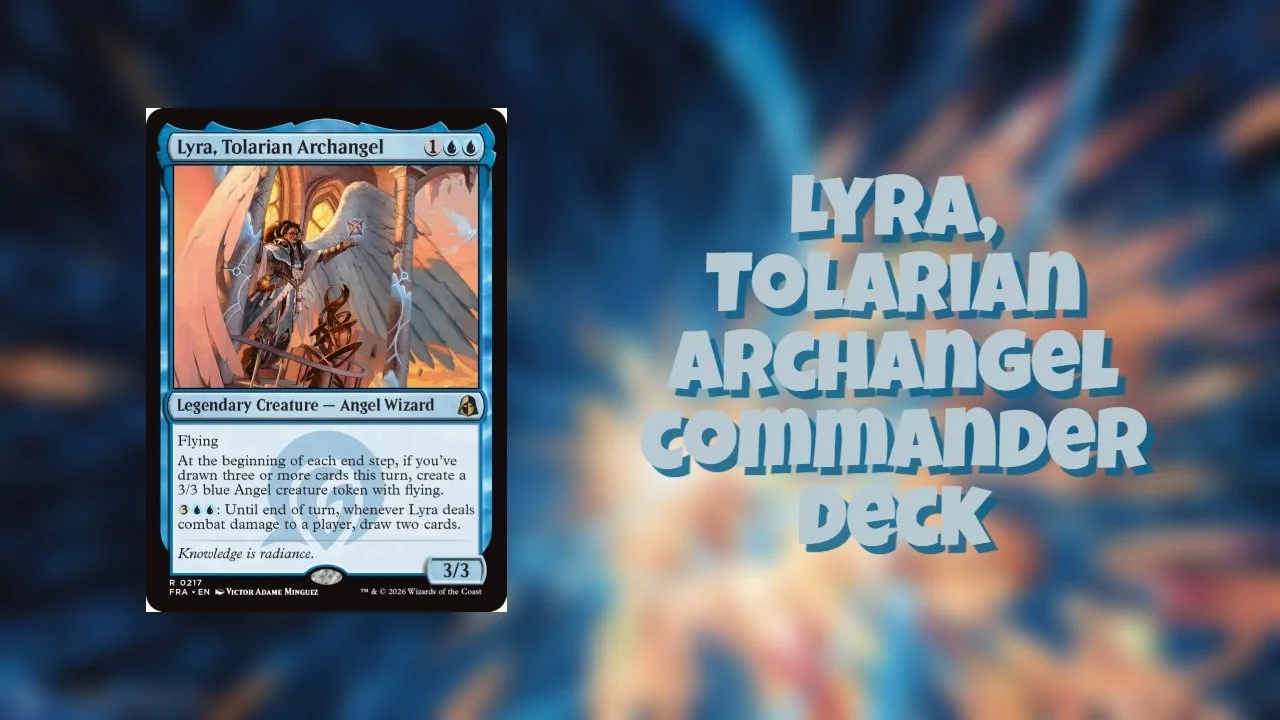
Lyra, Tolarian Archangel is a three-mana 3/3 Angel Wizard with flying. At the beginning of each end step, she creates a 3/3 flying Angel if you drew at least three cards that turn. Her five-mana activated ability also lets her draw two cards whenever she deals combat damage to a player that turn.
The appeal is getting creatures while investing in your hand. Her tokens can attack, defend, and help support combat-based draw engines.
I would treat the activated ability as an option for spare mana rather than the foundation of the deck. Dedicated draw engines are how I want to keep things moving.
And the draw count resets each turn, and you need to reach three before the end step begins. Drawing after that point cannot create a trigger you missed. Drawing six cards also does not produce two Angels from the same end-step trigger.
Main Deck Strategy
The early game is about getting your mana and draw engines established. Once you have a reliable way to keep finding cards, you can decide whether to develop a threatening battlefield or start preparing an alternate finish.
You still need to play a blue game along the way. Counterspell, Arcane Denial, Pongify, Rapid Hybridization, and Aetherize help keep opponents from ending the game while you set up. Drawing half your deck does not do much good if somebody kills you before you can use it.
Draw cards
The goal is to keep drawing cards throughout the game, not just spend your entire hand on a few draw spells and hope the next seven cards fix everything.
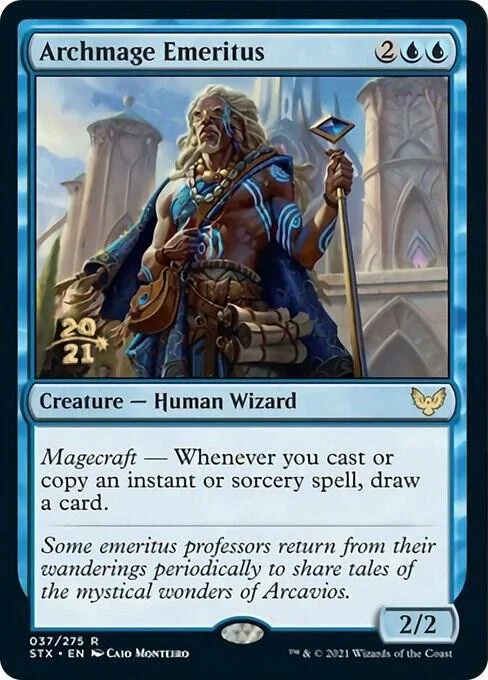
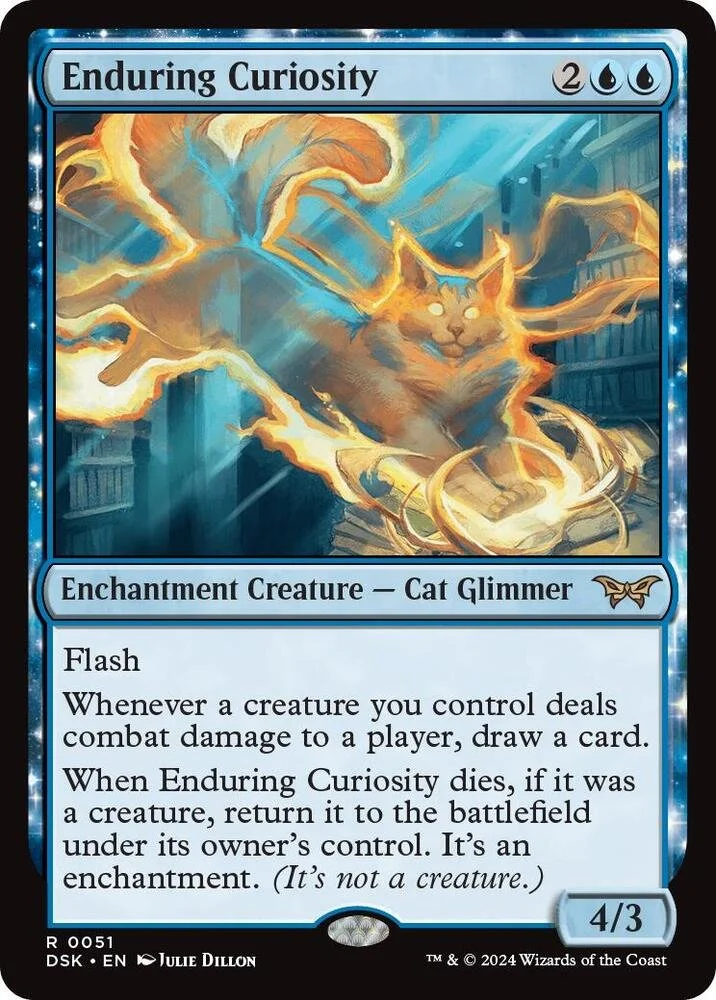
Arcanis the Omnipotent gives you repeatable draw, Archmage Emeritus rewards your instants and sorceries, and Enduring Curiosity turns combat damage into more cards. These are the kinds of engines I want to establish before spending mana on the biggest spells in the list.
You can then use Brainstorm, Brainsurge, Frantic Search, and Thirst for Discovery to keep digging. Some of these cards filter your hand rather than increasing its size, but they still help you find land drops, protection, and whichever payoff you need next.
Instant-speed draw is particularly useful. Hold up an answer, see what an opponent does, and spend your mana drawing if nothing needs to be stopped. That flexibility makes the deck much easier to pilot than tapping out every turn and hoping nobody has anything dangerous.
Scry and Surveil for Card Advantage
Drawing more cards helps, but finding the right cards matters too. Card selection lets you look for an engine when your hand needs fuel or find a win condition when you already have the engine working.
Scry and surveil do not count as drawing by themselves. Scry improves what you will see next, while surveil can also move unwanted cards into the graveyard. The value comes from making your actual draws more useful.
The Jace tokens created by empower effects give this deck access to repeatable selection and eventual card draw through their loyalty abilities. You can use those smaller resources to set up the more important spells in your hand.
Surveilling cards away can help reduce your library, but be careful with the cards you send to the graveyard. If you still need Jace, Wielder of Mysteries for your planned finish, putting him there without a recovery plan can create a problem. Emptying your library is only useful when you have a way to capitalize on it.
Deck Yourself Out On Purpose
This is the part of the deck I was most interested in building. Normally, running out of cards is something you try to avoid. Here, it can be the goal.
Jace, Wielder of Mysteries turns an attempted draw from an empty library into a win. Having zero cards left does not automatically win or lose the game, so make sure you have the payoff and a way to complete the final step.
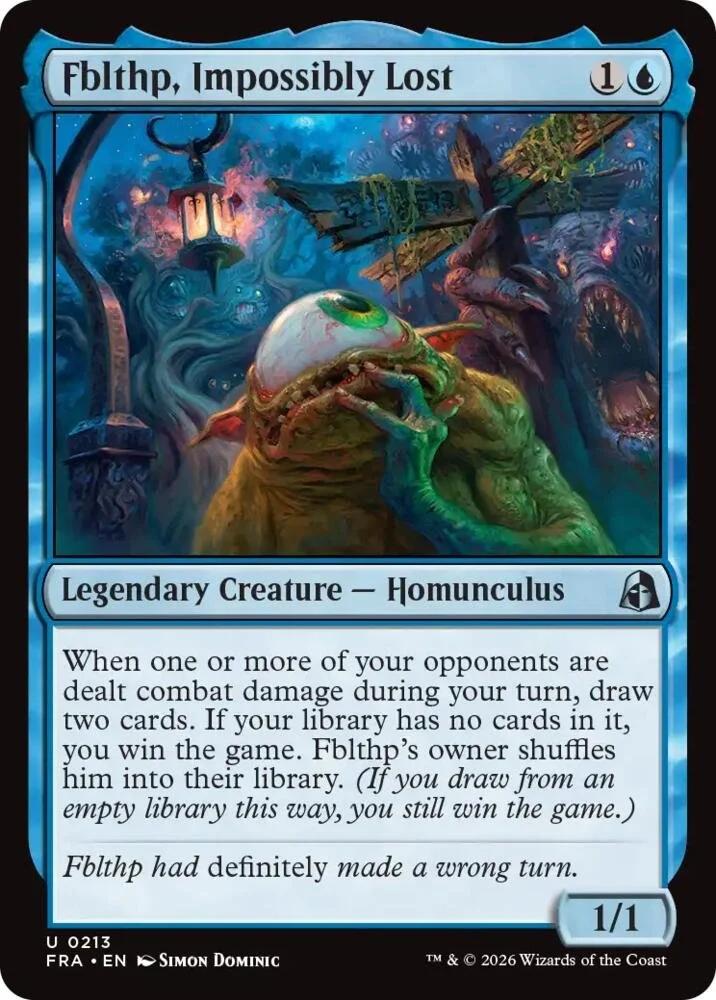
Fblthp, Impossibly Lost gives this list another empty-library finish through his combat-damage trigger. His ability draws two cards, checks whether your library is empty, and can win before a failed draw causes a loss. That protection applies to his own resolving ability, not every draw while he is in play.
Before committing to a huge draw spell, count the cards left in your library and decide what the finish actually looks like. Keep mana for interaction whenever possible. The closer you are to running out of cards, the more important it becomes to protect the piece that lets you survive doing so.
Best cards for a Lyra, Tolarian Archangel commander deck
For this build, the best cards fall into three main categories: cards that keep the draw engine working, cards that let you keep a large hand, and cards that turn all that drawing into a win.
Best Card Draw
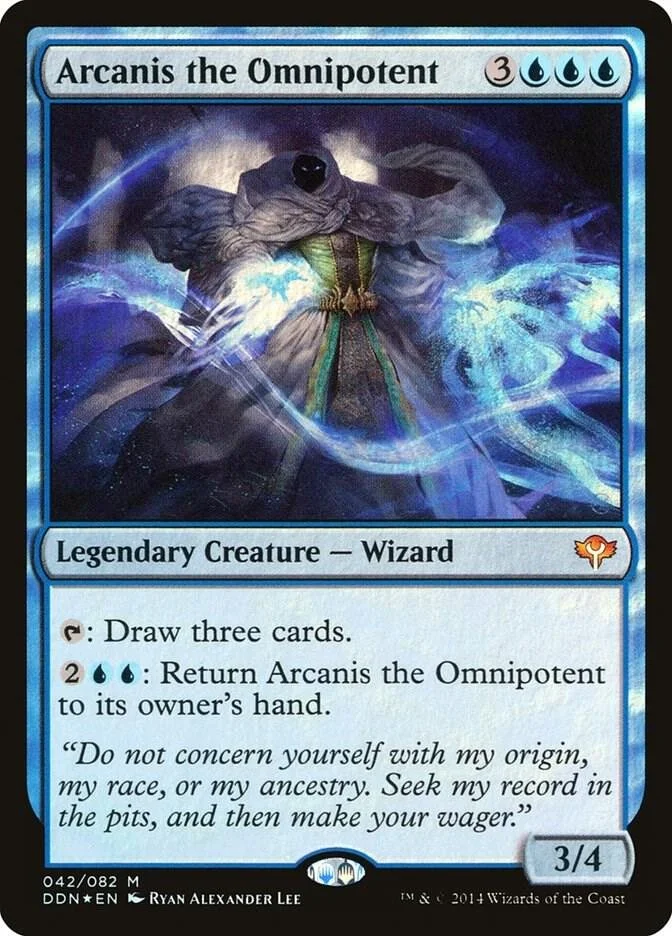
Arcanis the Omnipotent: Tapping to draw three cards is exactly the kind of repeatable effect this deck wants. Arcanis costs a fair amount to establish, but once he can start activating, he can keep your hand moving without requiring another spell each time.
Archmage Emeritus: Rewards you for casting or copying instants and sorceries. It makes your interaction contribute to the draw plan and helps your smaller spells do more work.
Enduring Curiosity: Draws a card whenever one of your creatures deals combat damage to a player. It connects your attackers to your engine and can return as an enchantment after dying as a creature.
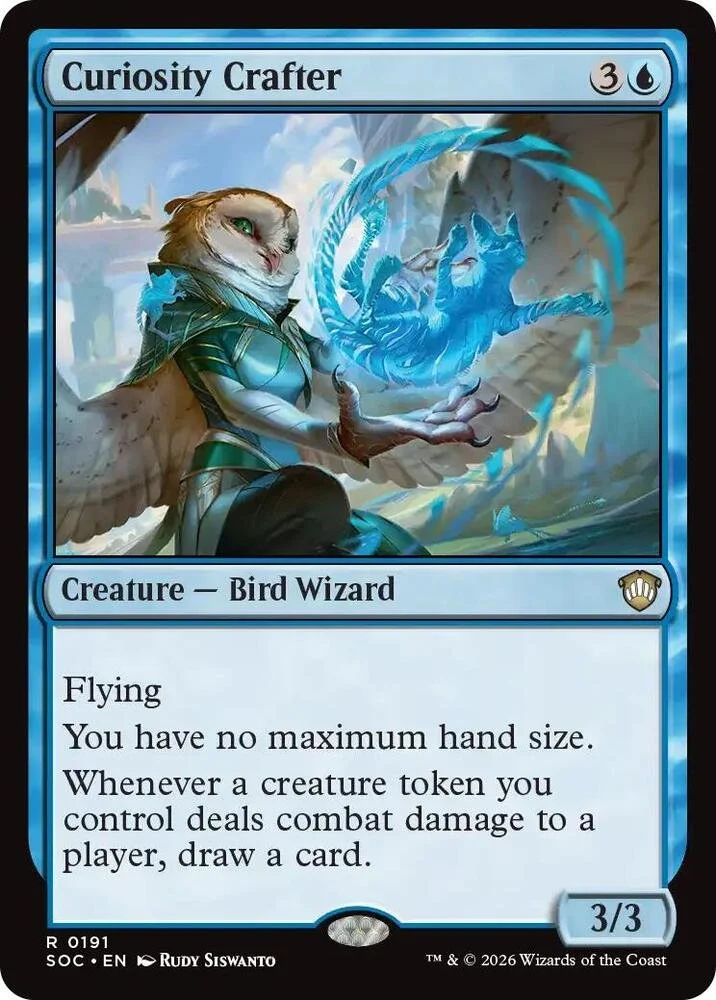
Curiosity Crafter: Supports a large hand and rewards creature tokens connecting with opponents. This is a strong fit for a commander that supplies flying tokens.
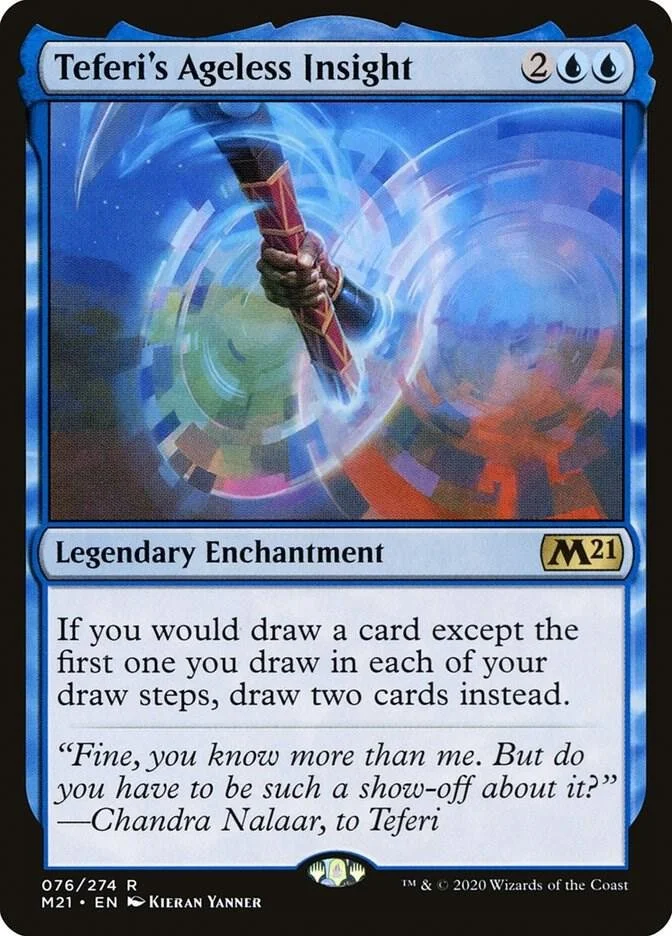
Teferi’s Ageless Insight: Doubles your draws except the first draw in each of your draw steps. It helps both repeatable engines and larger draw spells push you toward your payoffs faster.
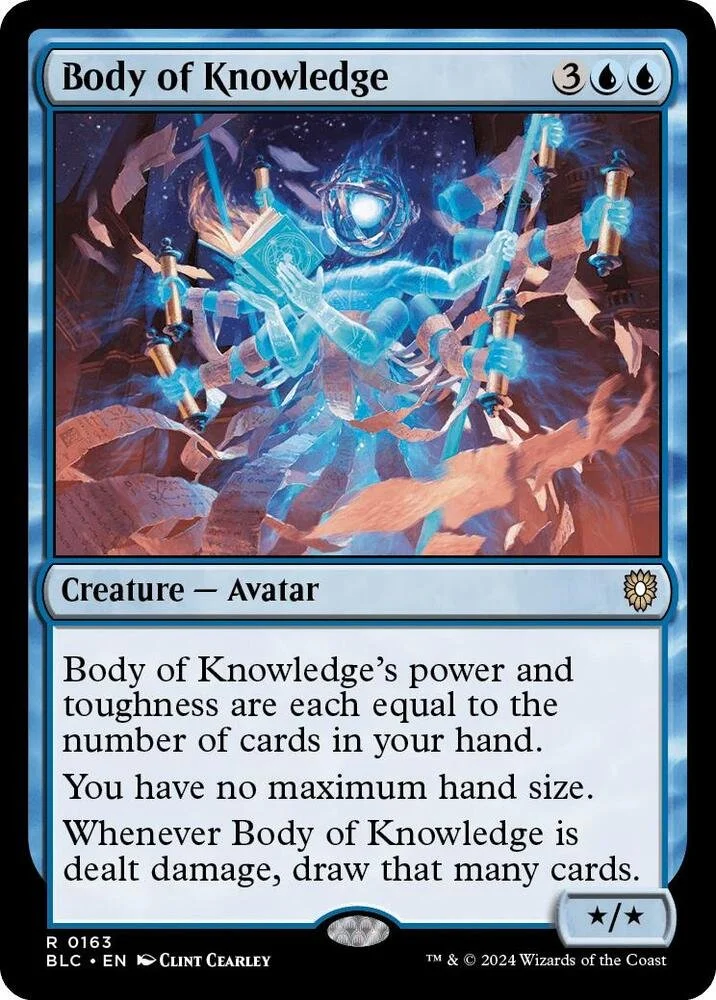
Body of Knowledge: Its power and toughness scale with your hand, it removes your maximum hand size, and damage dealt to it draws cards. It is a threat and a draw payoff in the same slot.
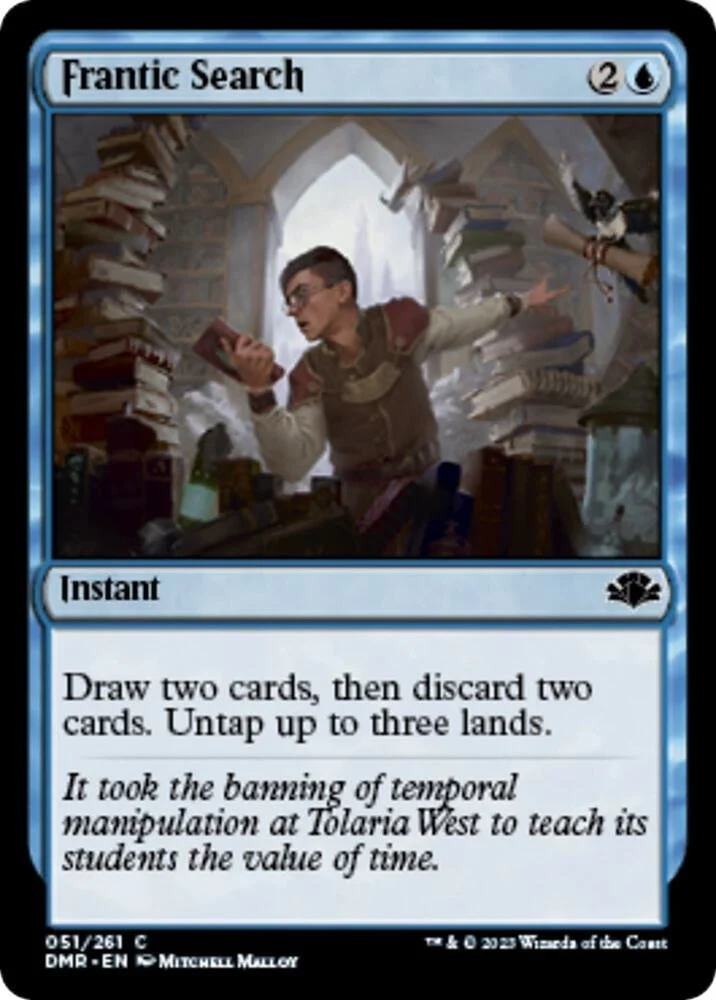
Frantic Search: Draws two, discards two, and untaps three lands. It filters your hand while helping preserve mana for whatever you find next. That can be more useful than a spell that simply draws cards and leaves you tapped out.
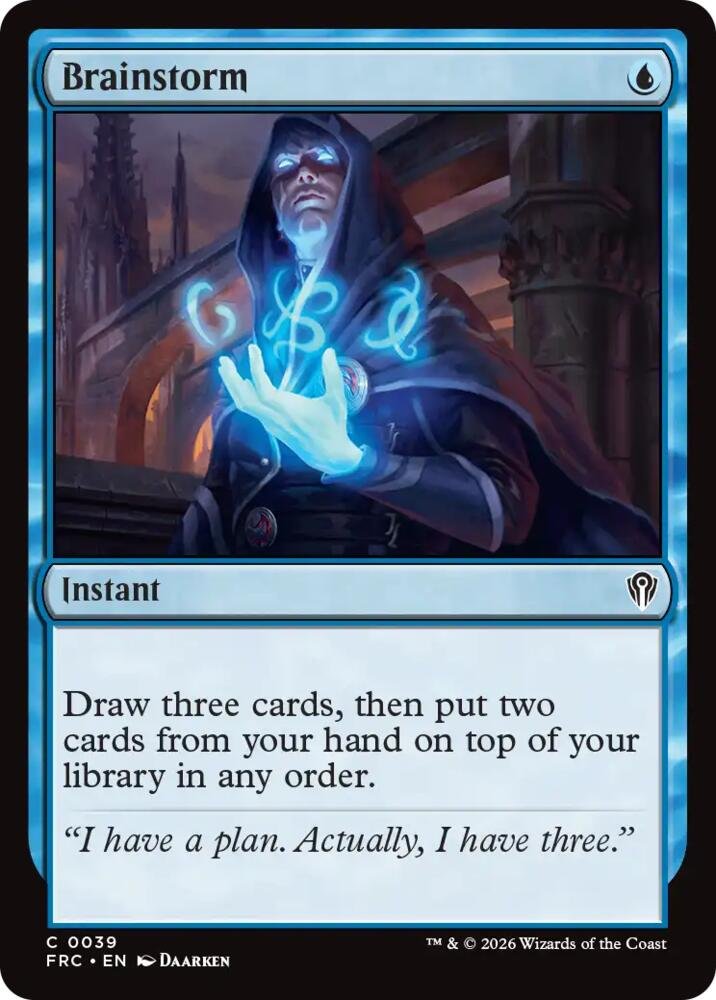
Brainstorm and Brainsurge: Both let you see several cards and put some back on top. They are useful setup pieces, but remember that putting cards back means you may draw them again unless you shuffle or otherwise change the top of your library.
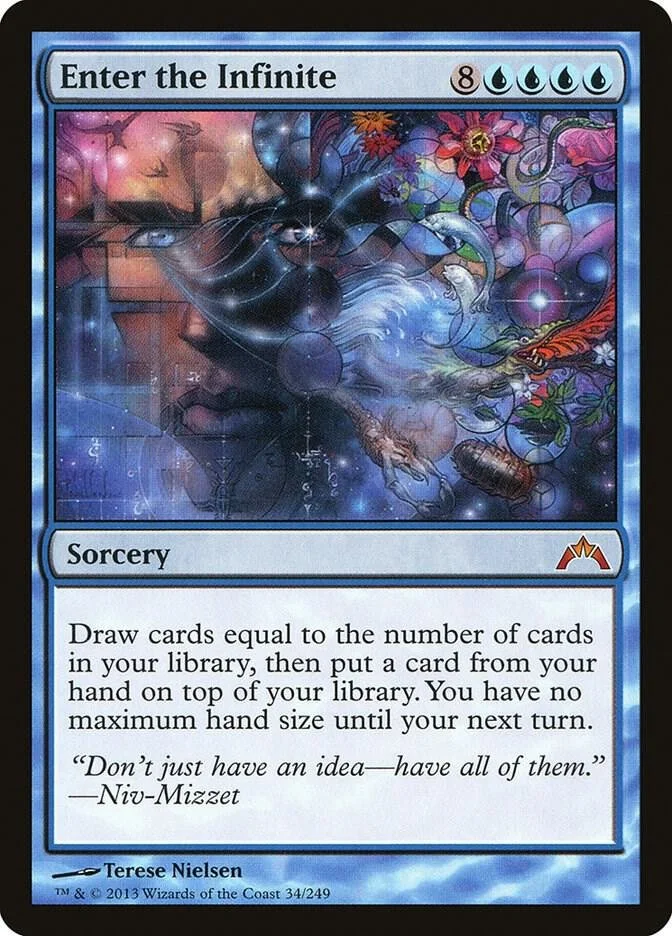
Enter the Infinite: The huge late-game draw spell. It draws cards equal to the number in your library, then puts one card from your hand back on top. That leaves you with one card to draw before the library is empty, so plan the follow-up instead of assuming this spell wins by itself.
Best No Max Hand Size
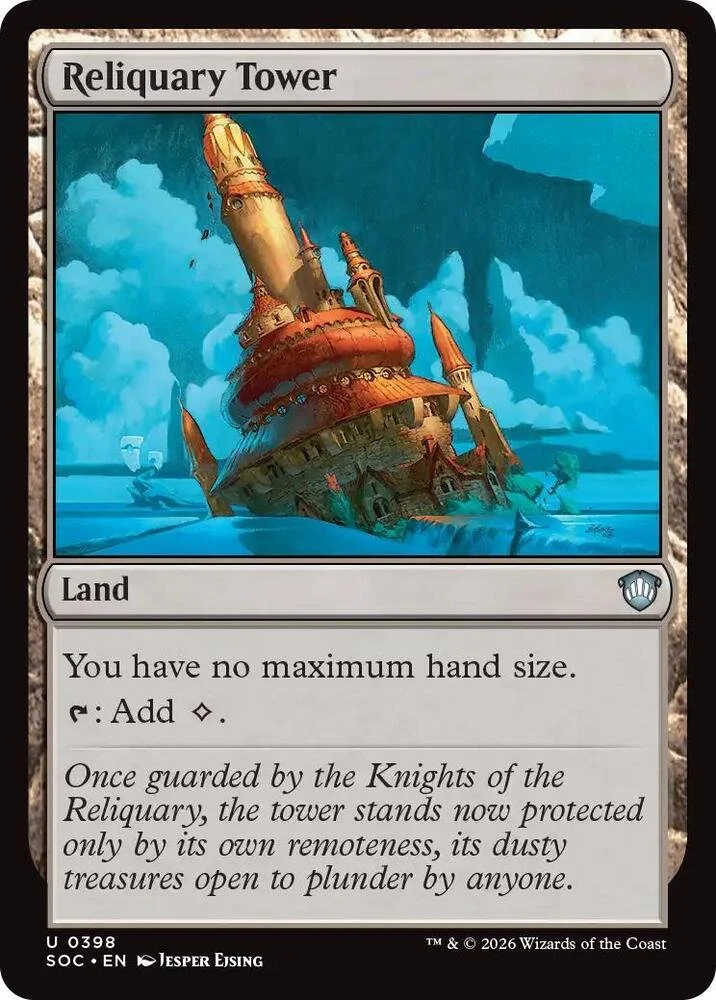
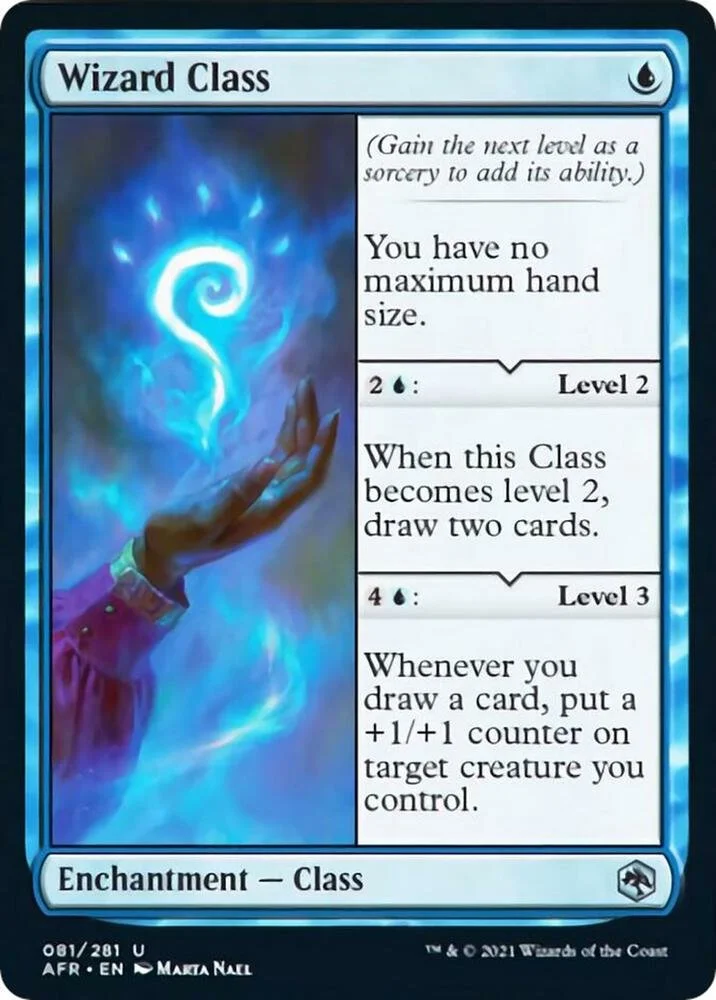
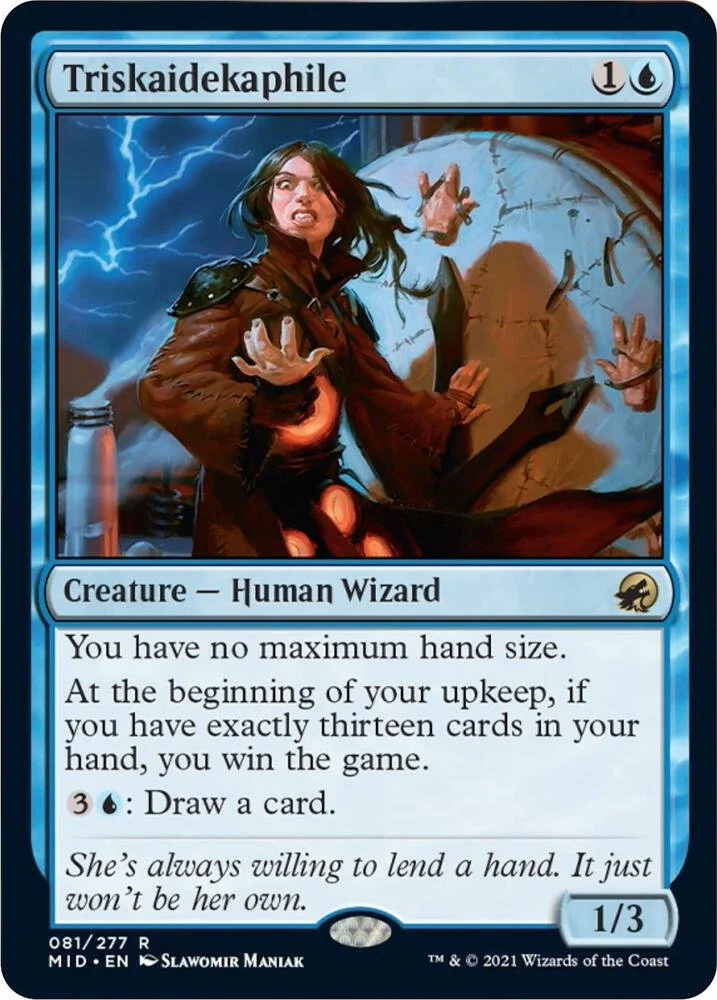
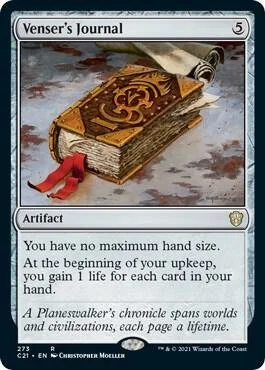
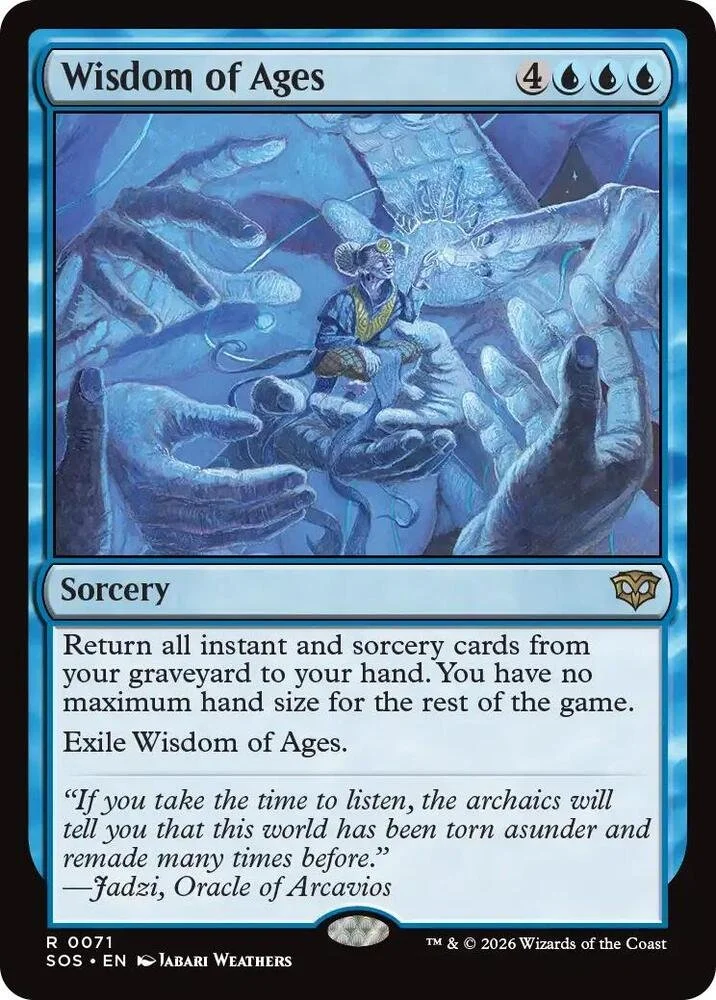
Reliquary Tower: An easy place to start when you want to keep a large hand. It produces colorless mana, so balance it with enough blue sources to cast your spells comfortably.
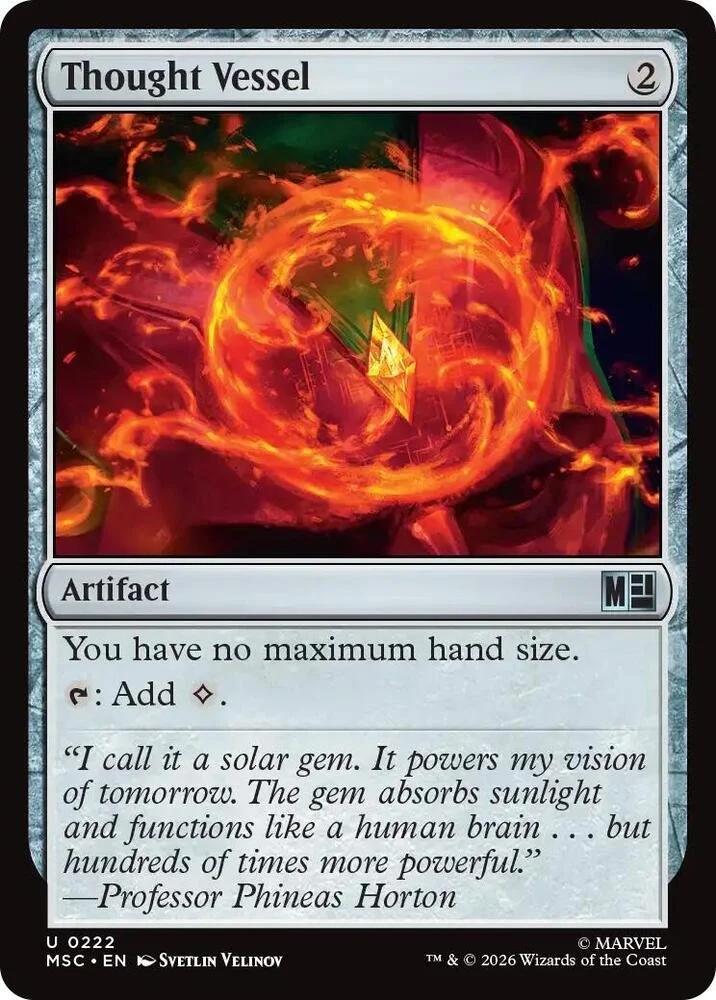
Thought Vessel: Helps develop your mana while removing the hand-size limit. Combining those two roles makes it more useful than a card that only lets you hold extra cards.
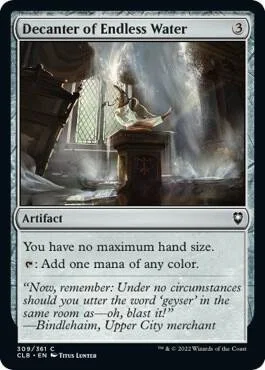
Decanter of Endless Water: Another mana rock that lets you keep your hand. It costs more than Thought Vessel, but gives you a blue mana source as well.
Wizard Class: Its first level removes your maximum hand size, and the later levels add draw and a way to turn drawing into creature growth. You can establish it early and invest more when you have spare mana.
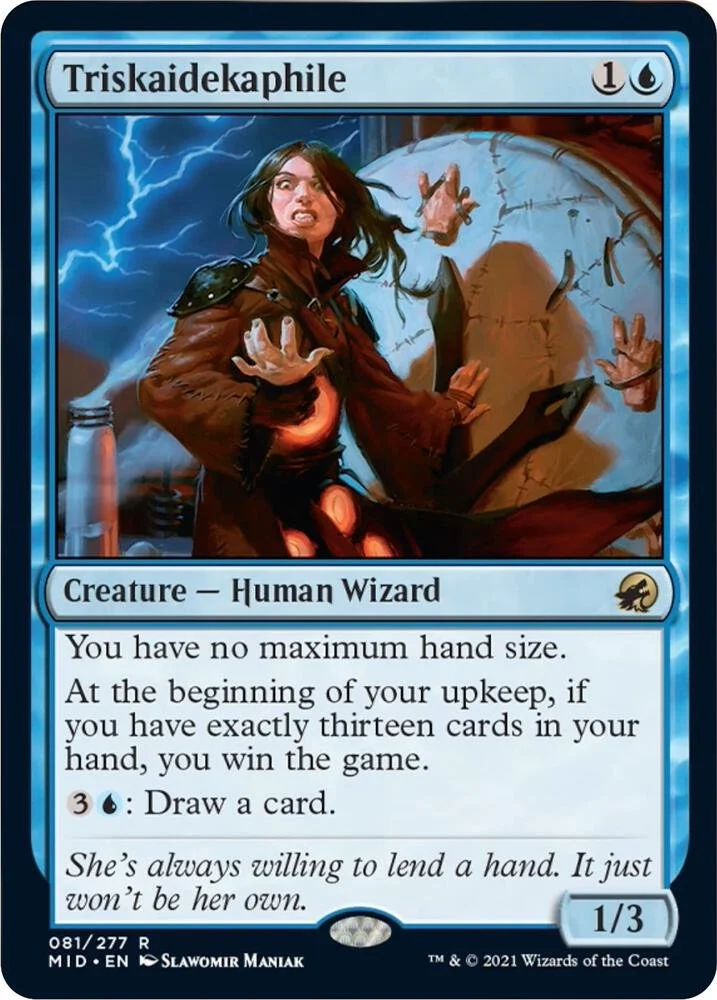
Triskaidekaphile: Removes your hand-size limit, offers an activated draw ability, and presents its own alternate win condition. That is a lot of relevant text on one small creature.
Venser’s Journal: Lets you retain your hand and gains life based on its size during your upkeep. The life gain buys breathing room while you assemble a finish, though I would establish mana and draw before investing in it.
Wisdom of Ages: Recovers your instant and sorcery cards from the graveyard and removes your maximum hand size for the rest of the game. It is a late-game recovery spell rather than a cheap setup piece, and returning those cards to your hand avoids refilling your library.
You do not need every hand-size effect in play. Once you can retain your cards, prioritize a draw engine, an answer, or a payoff over another card that only duplicates that benefit.
Best Payoff or Wincon Cards
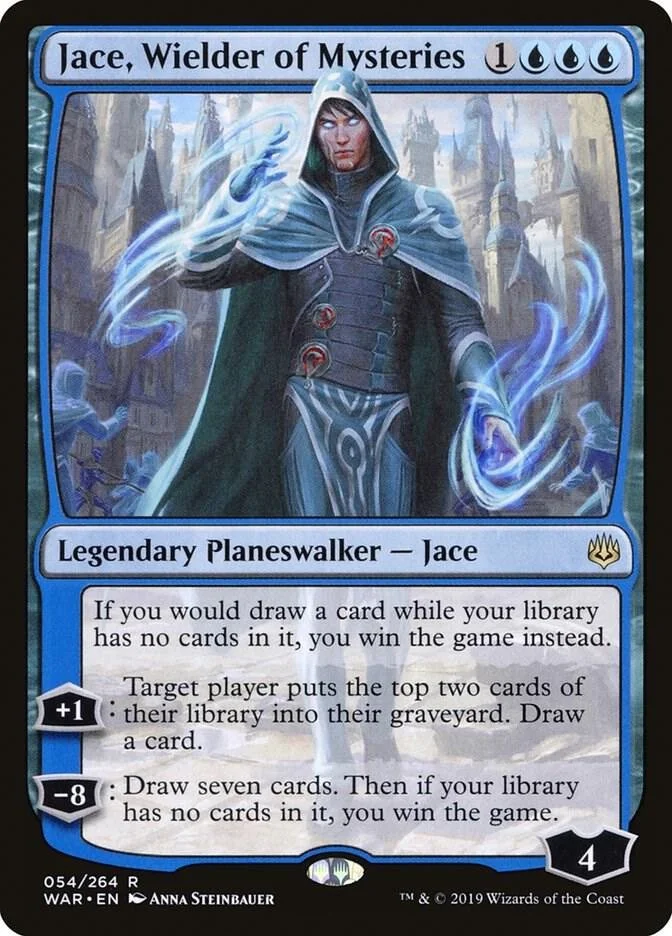
Jace, Wielder of Mysteries: The main draw-from-empty payoff in this list. His first loyalty ability can also mill you and draw, helping you complete the finish once the library is small enough.
Fblthp, Impossily Lost: Connects the combat plan to the empty-library plan. Your flying attackers can help enable his trigger, so you can pursue the finish without depending entirely on a planeswalker staying in play.
Triskaidekaphile: Wins during your upkeep if you have exactly thirteen cards in hand. You need that number as the upkeep begins and when the trigger resolves. Set it up during the previous turn rather than waiting until your upkeep to start adjusting the count.
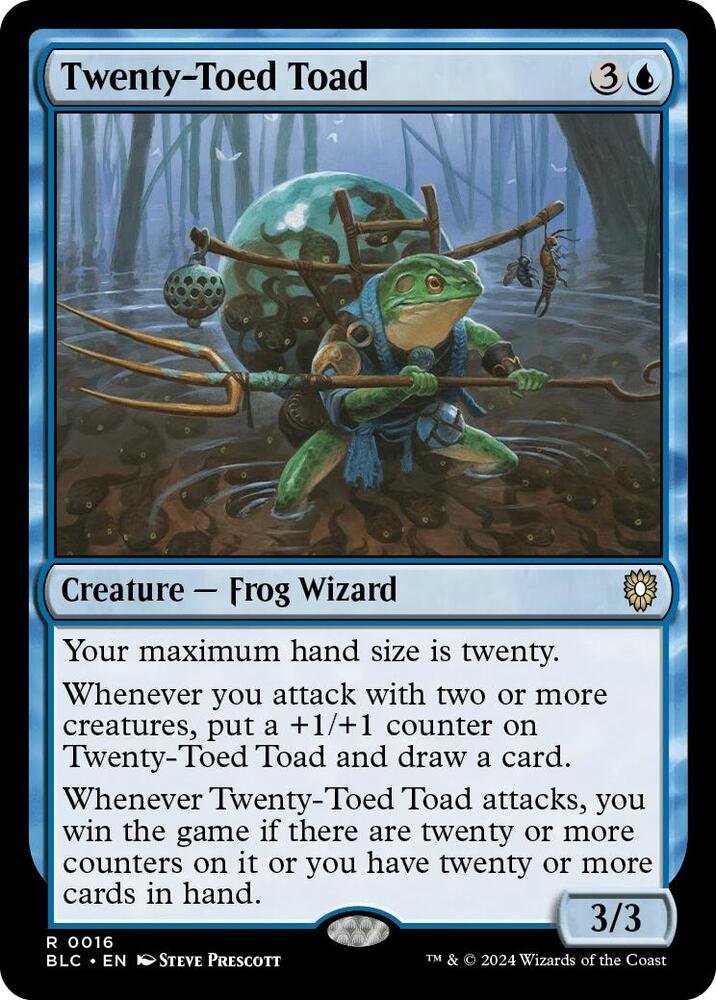
Twenty-Toed Toad: Offers a win when its attack trigger resolves if you have at least twenty cards in hand or it has at least twenty counters. It needs to attack, but it does not need to connect. Its hand-size setting is twenty, with the most recent applicable hand-size effect determining the limit.
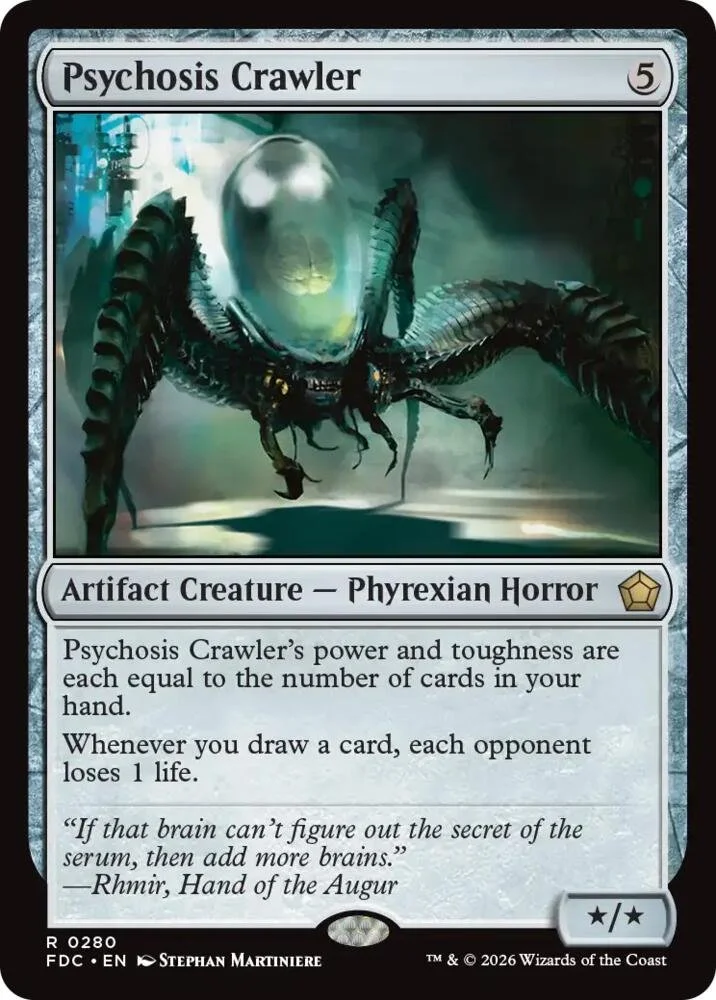
Psychosis Crawler: Each card you draw makes every opponent lose 1 life. This gives your big draw turns a way to end the game through life loss, even when combat is difficult or your empty-library payoff is unavailable.
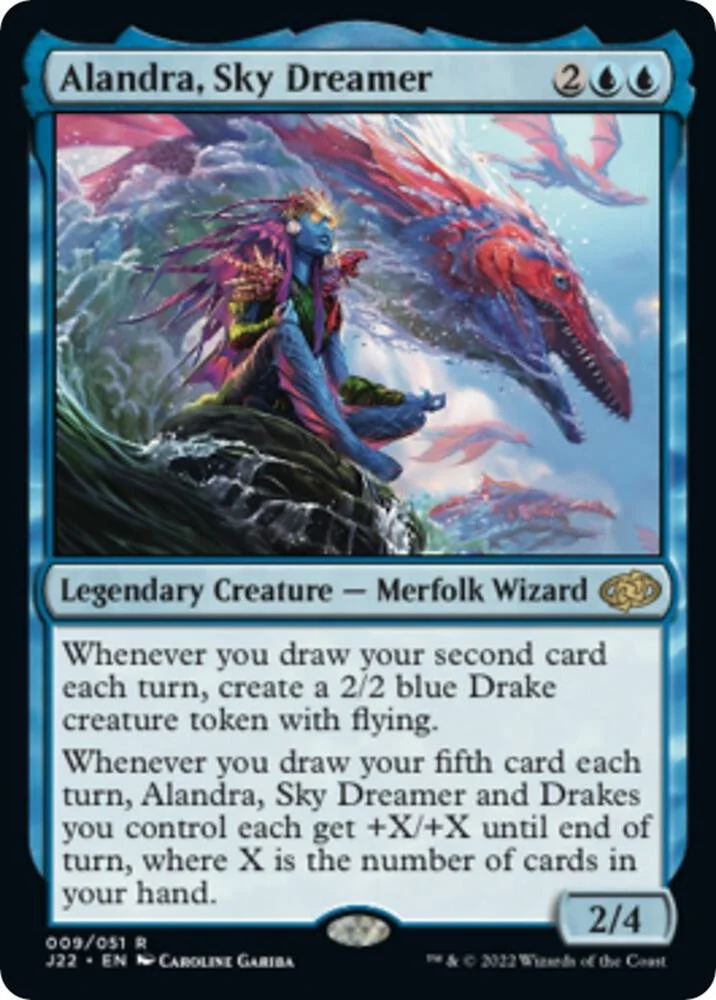
Alandra, Sky Dreamer: Makes a flying Drake when you draw your second card each turn. Your fifth draw also boosts Alandra and your Drakes based on your hand size for that turn. Time your draw before combat when you want to use that boost to attack.
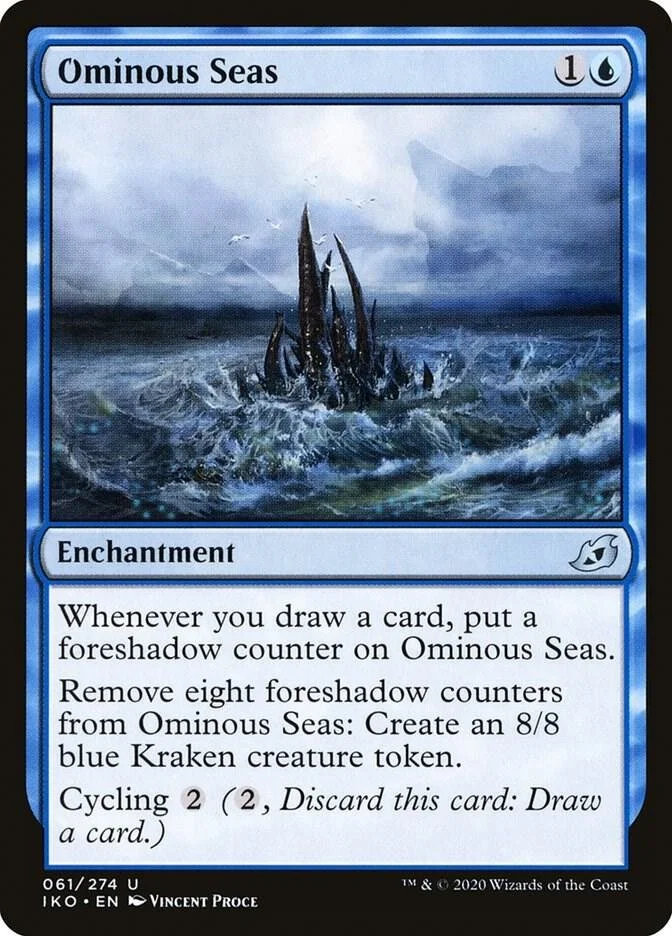
Ominous Seas: Builds counters as you draw, then lets you turn those counters into 8/8 Kraken tokens. It gives the deck substantial threats while you continue working through your library.
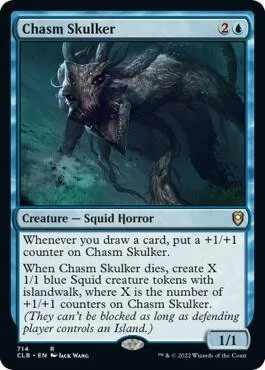
Chasm Skulker: Grows with each draw and can leave behind an army of islandwalk Squids when it dies. It makes a growing hand contribute to your battlefield and offers some recovery after losing the creature.
Budget options for a Lyra, Tolarian Archangel commander deck
A lower-budget Lyra deck is very doable, especially if you focus on a traditional mono-blue game with draw, interaction, and token pressure. I would start there and add alternate win conditions as your budget allows.
Reliquary Tower, Thought Vessel, Decanter of Endless Water, and Wizard Class are the first hand-size options I would price out. You do not need to buy every version of that effect when several cards can cover the same role.
For inexpensive draw support, consider cards like Think Twice, Deep Analysis, and Treasure Cruise alongside the smaller draw spells already in this list. These are additional options rather than cards in my current build. Compare available printings before shopping, since prices can vary.
Keep the interaction package practical too. Counterspell, Arcane Denial, and Unsummon let you answer problems without needing every premium blue staple. You can then use whichever draw payoffs and token makers fit your budget.
The alternate-win route can raise the price depending on your chosen finishers and engines, but it does not have to be expensive by definition. You can build around a few affordable payoffs and upgrade the consistency later. The important thing is having a working deck before spending more on the cards that make it faster.
Higher Power/Budget options for a Lyra, Tolarian Archangel commander deck
The cards in my sideboard are optional upgrades and swaps. Some improve draw volume, some improve protection, and others give you another way to support a large hand. Choose based on what your current version needs.
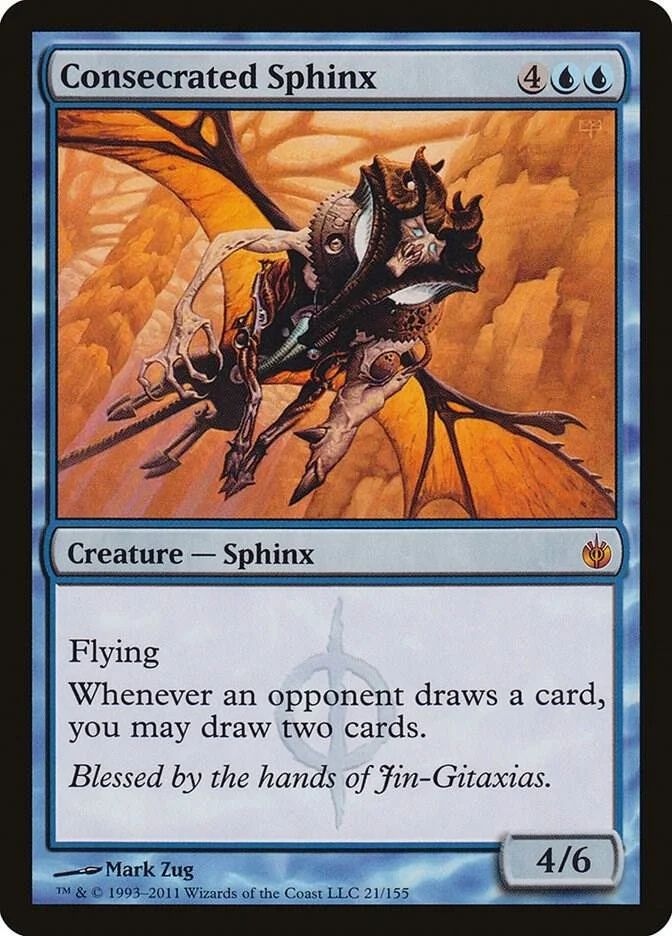

Consecrated Sphinx: Lets you draw two cards whenever an opponent draws a card. In a multiplayer game, that can provide a huge amount of fuel, and it is one of the clearest upgrades for a deck trying to draw through its library.
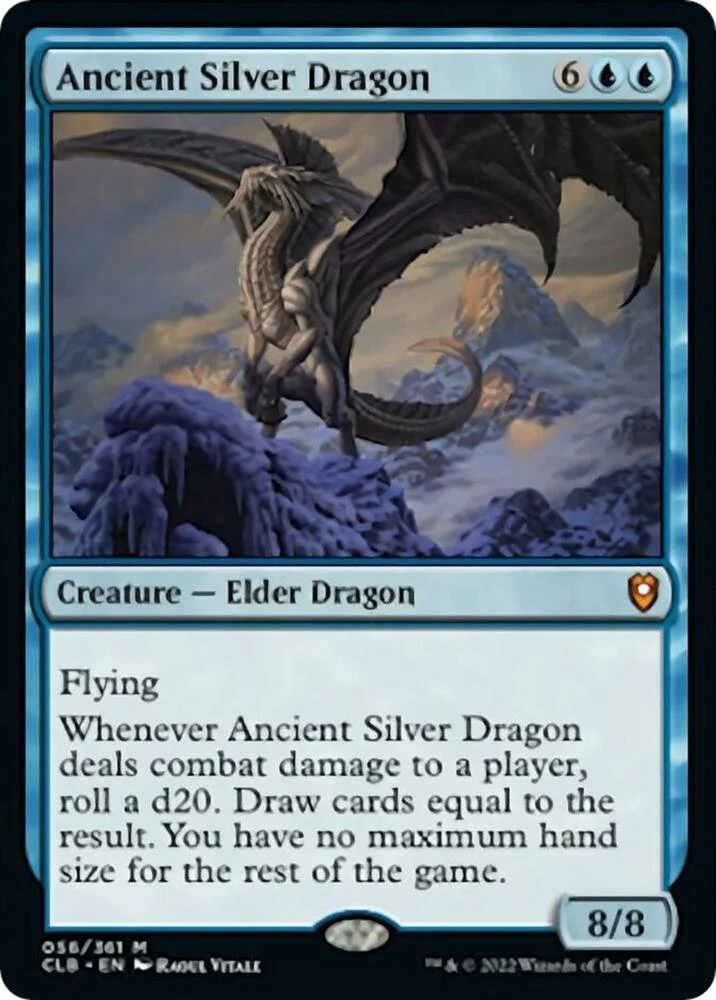
Ancient Silver Dragon: A massive flying threat that can draw a large number of cards after connecting with a player. Its combat-damage ability also removes your maximum hand size for the rest of the game. The draw amount depends on a die roll, so treat it as an explosive option rather than a guaranteed number.
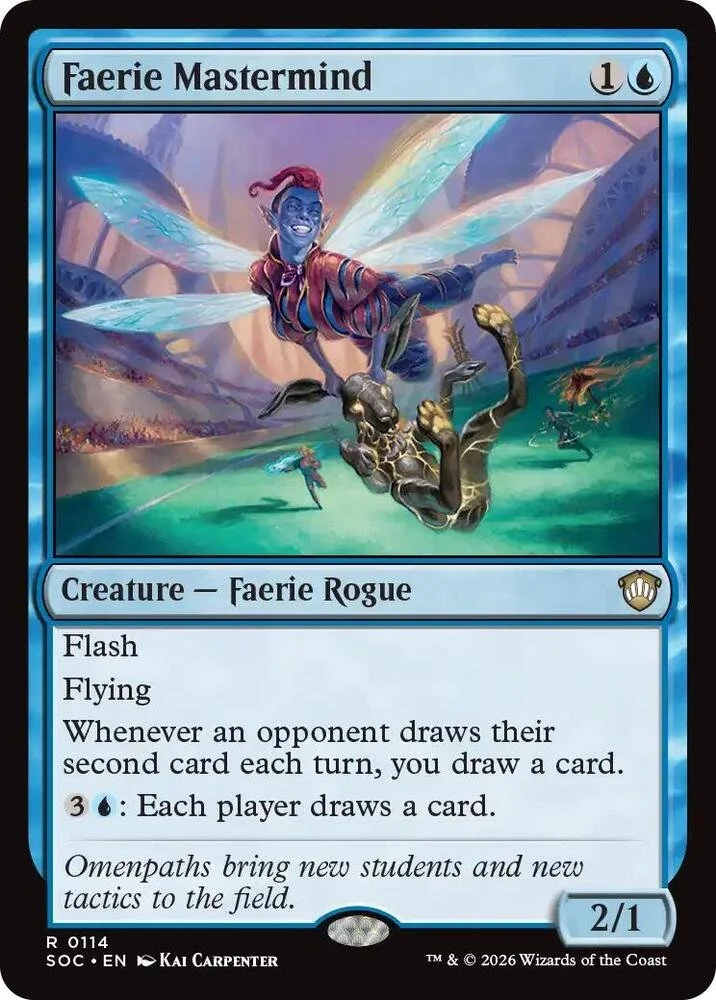
Faerie Mastermind: Rewards opponents drawing their second card each turn and offers an activated ability that lets each player draw. It is an early engine, although the shared draw ability benefits opponents too.
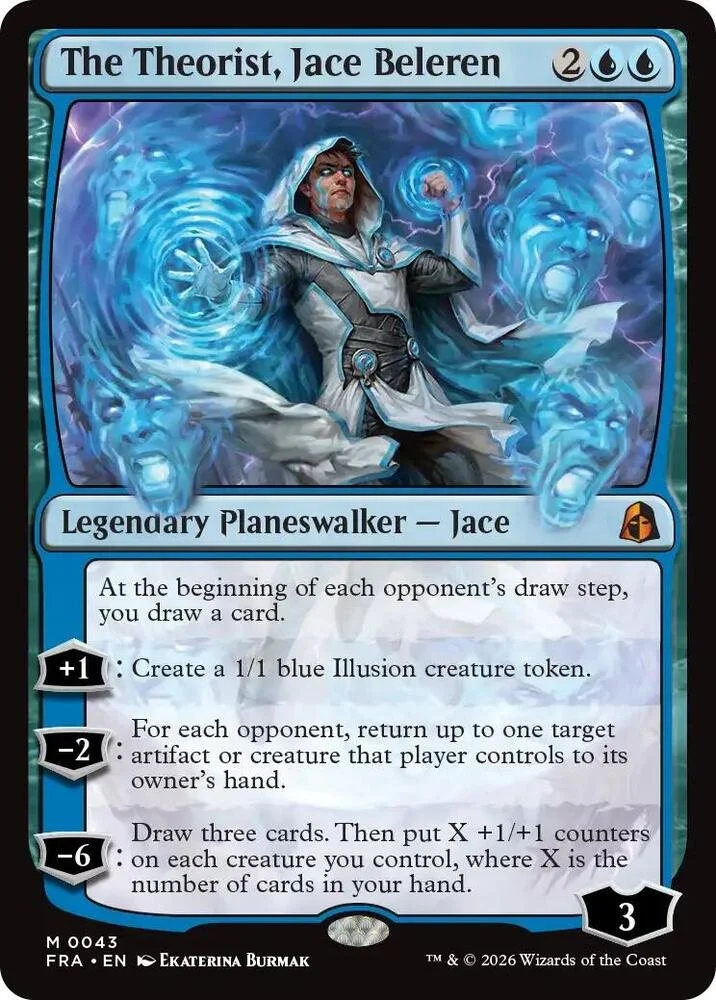
The Theorist, Jace Beleren: Draws a card during each opponent's draw step. His other abilities can build a board, bounce opposing permanents, or turn a large hand into creature growth.
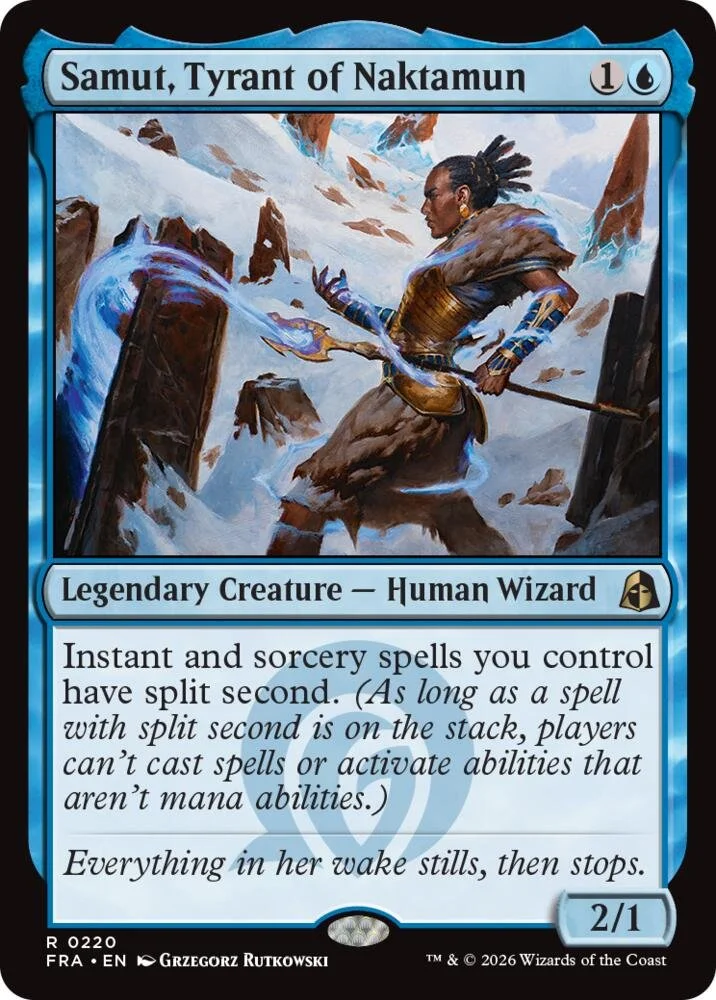
Samut, Tyrant of Naktamun: Gives your instants and sorceries split second, restricting responses while those spells are on the stack. It helps important spells resolve, but does not stop triggered abilities or protect every other spell and ability in your finish.
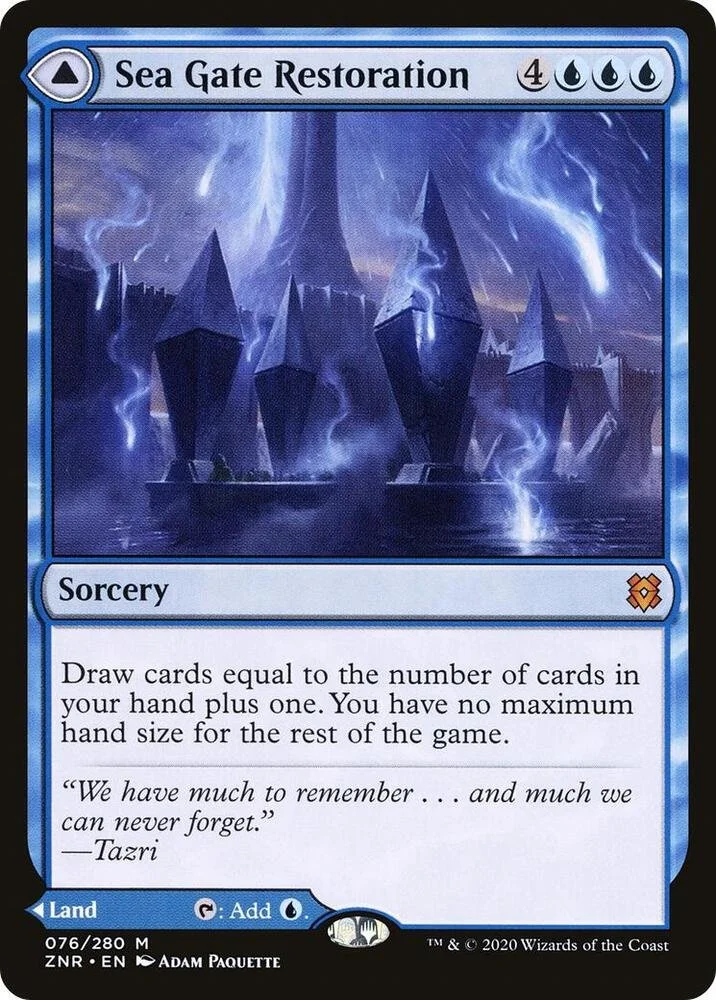
Sea Gate Restoration: Gives you a large draw spell and a lasting hand-size benefit, with a land on the other face when you need mana instead. That flexibility is useful in a deck with several expensive spells.
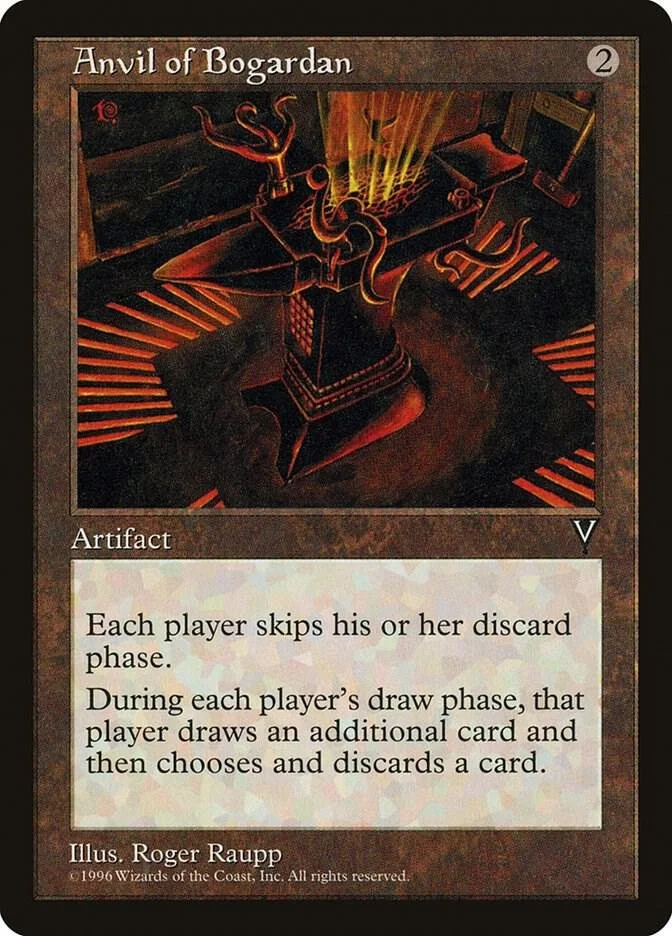
Anvil of Bogardan: Removes everyone's maximum hand size and adds an extra draw followed by a discard during each draw step. It supports your draw payoffs, but helps opponents filter their hands too. This is a table-wide effect, so I would evaluate it against your group's decks before including it.
Stardew Valley: Adds a draw option to a land slot, with a tradeoff: another player may take control of the permanent you target. Offering an expendable token is much more reasonable than risking an engine piece, and the draw ability can only be used at sorcery speed.
Higher budget does not automatically mean higher power in every game. Consecrated Sphinx can sharply increase your draw volume, while a specialized land might only help occasionally. Prioritize the upgrades that address the deck's actual weak spots.
Cards to avoid when building a Lyra, Tolarian Archangel commander deck
This deck wants plenty of draw, but the list still needs balance. You need enough mana to use the cards you find, enough interaction to survive, and enough payoffs to make all that drawing matter.
Too Many Slow Spells
Enter the Infinite is exciting, but a hand full of similarly expensive spells can leave you doing very little early. Keep the biggest spells for plays that substantially change the game. Your cheaper cards should help you reach that point.
Too Much One-Time Draw Without An Engine
One-shot draw is useful, especially at instant speed. The problem is relying on it exclusively. If every draw effect requires another card from your hand, you can struggle to keep things moving once that hand runs low.
Balance those spells with permanents that keep contributing across turns. That gives you room to hold answers while still developing your resources.
Cards That Refill Your Library Without A Reason
If you are planning to win with an empty library, shuffling a large graveyard back in can undo a lot of work. Avoid automatic reshuffle effects that fight the finish you are trying to assemble.
Finale of Revelation is an important exception already in this list. At X below ten, it draws without refilling the library. At X of ten or more, it shuffles your graveyard in first. That larger mode can be useful for recovery or a big-hand plan, but choose it deliberately when an empty-library finish is close.
Fblthp is different again: he shuffles himself back after his ability checks for a win. That is one card returning during a useful effect, rather than resetting your entire graveyard.
Too Many Cards That Only Remove Your Hand-Size Limit
Keeping twenty cards is great, but first you need to draw them. An opening hand full of hand-size support and no engine can stall just as easily as one full of expensive finishers.
Prefer cards that cover another role as well, such as mana production, draw, or a win condition.
Forgetting To Protect The Finish
Your opponents will notice when your library is nearly empty or your hand is approaching a winning number. Keep an answer available when committing to the final play instead of spending every bit of mana drawing more.
If the finish is not safe yet, you can keep attacking and make the table spend resources elsewhere. You do not have to force the alternate win just because it is the route you built around.
How This Deck Wins
This deck functions one of two ways. You can play a traditional mono-blue game, building card advantage and answering threats while your flying creatures and draw payoffs take over. Or you can take my route and use the draw engine to set up an alternate win condition.
For the empty-library plan, Jace, Wielder of Mysteries and Fblthp, Impossibly Lost offer different ways to complete the finish. For the large-hand plan, Triskaidekaphile and Twenty-Toed Toad reward very different numbers and timing windows. Know which one you are aiming for before firing off another draw spell.
Psychosis Crawler provides another route by making your draws reduce opposing life totals. Meanwhile, Alandra, Ominous Seas, Chasm Skulker, and your commander's tokens keep the combat plan available.
That is what I like about this build. You get to pursue some unusual wins without spending the entire game waiting for one exact combination of cards. Keep drawing, use the resources you find, and choose the finish that the game actually gives you.
Decklist
This is my main list, with the optional higher-budget cards listed separately in the sideboard.
Example decklist available here: Lyra Card Draw & Alternate Wins
Final Thoughts
Lyra, Tolarian Archangel gives mono-blue players plenty of reasons to do what they already love doing: draw more cards. For my version, the fun is keeping a huge hand, building a board along the way, and finding the right moment to turn all that card advantage into an alternate win. You can lean harder into control and flying creatures or follow the empty-library route, but either way, make sure your draw engine has a payoff and enough protection to finish the job. If you are looking for more commanders to build from this set, check out my best Reality Fracture commanders guide for more deck ideas. If you’re looking for the perfect way to Goldfish this deck, check out my Reality Fracture Horde mode deck where you’ll take on waves of Jace Planeswalkers in casual automated co-op game mode!