The topography of interactive entertainment has undergone radical changes. What used to be an isolated pastime or a regional network experiment has now become a worldwide ecosystem in which identity, monetary resources, and societal prestige are inseparable from online accounts. The need for flexible account management has increased as gaming platforms implement more security measures to prevent fraud and botting.
Verification phone numbers have become a useful tool for most competing players to maintain many regional profiles or circumvent face holding SMS without putting their main personal information at risk. This move shares a general trend in the industry: the search for a frictionless and still safe gaming experience.

The Evolution of Player Identity
At the beginning of the 21st century, a gaming identity used to be a pseudonymous status in a forum. Nowadays, a Steam or PlayStation Network or Battle.net account is a years-long investment and a few thousand spent on digital items and a proven record of accomplishments.
These accounts increase in value; hence, they become the main targets of cyber criminals. As such, Multi-Factor Authentication (MFA) has been required by the developers. Although it may seem a requirement, these necessities sometimes become obstacles to international players in areas without reliable telecommunication services or other customers who are highly concerned with the privacy of their data. Introduction of temporary IDs has become a viable way of preserving access to international servers, with their permanent identity remaining unknown to possible leakage.
The Rise of the “Platform Agnostic” Gamer
This is the end of the so-called console wars and the beginning of the single gaming culture. Cross-platform play has become a luxury and not an expectation. The likes of Call of Duty, Fortnite, and Genshin Impact have shown that the device does not matter as long as the ecosystem. But this interdependence has created special problems:
Regional locks. Most publishers split them by region, which has an impact on DLC availability and matchmaking latency.
Social integration. Gen Z and Gen Alpha use Gaming as their most important social network. Handling these social circles would demand some advanced style of digital boundaries.
Hardware independence. Game-as-a-service models, such as Xbox Cloud Gaming and GeForce Now, are decoupling high-end performance and high hardware costs, letting players make a jump into AAA games without having to buy a high-end computer or a gaming laptop with low specifications.
Competitive Integrity and the Anti-Cheat Paradox
Fights against smurfing (high-ranked players playing with low-ranked accounts) and cheating are one of the most controversial problems in the modern gaming sphere. Another similar development has involved the growing reliance of developers on SMS Protect systems, in which a special phone number is necessary to log in to ranked competitive modes.
This is a good way of increasing the cost of entry barrier to those cheating, but it unintentionally punishes legitimate players using VoIP or prepaid plans. The secondary verification service market has developed a business just in this niche to fill this void and offer an option to the customers who require privacy to play high-stakes competitive games. The industry’s aim in the future would be to strike a balance, preserving the integrity of the ladder by not eliminating players due to the option of the telecommunication provider used.
The Economy of Digital Assets: Skins, NFTs, and Beyond
Games-as-a-Service (GaaS) has replaced the one-time purchase model of monetization of games. This model flourishes in the absence of digital cosmetics and their high demand.
| Asset type | Value driver | Risk factor |
|---|---|---|
| Skins / cosmetics | Social status and aesthetic preference | Account phishing and trade scams |
| In-game currency | Progression speed and convenience | Inflation and black-market trading |
| Account longevity | Access to “legacy” content is no longer available | Permanent bans due to automated security flags |
The appearance of real-world value of these digital items starts to reflect the very notion of traditional finance, as the so-called lifestyle element of gaming. Players have become portfolio managers, and they monitor the market prices of their inventories. It requires that level of security that is professional in nature, like the use of isolated communication lines and specialized recovery procedures, at the cost of which a lapse of available technology at one point will not cost decades of digital history.
Privacy as a Performance Metric
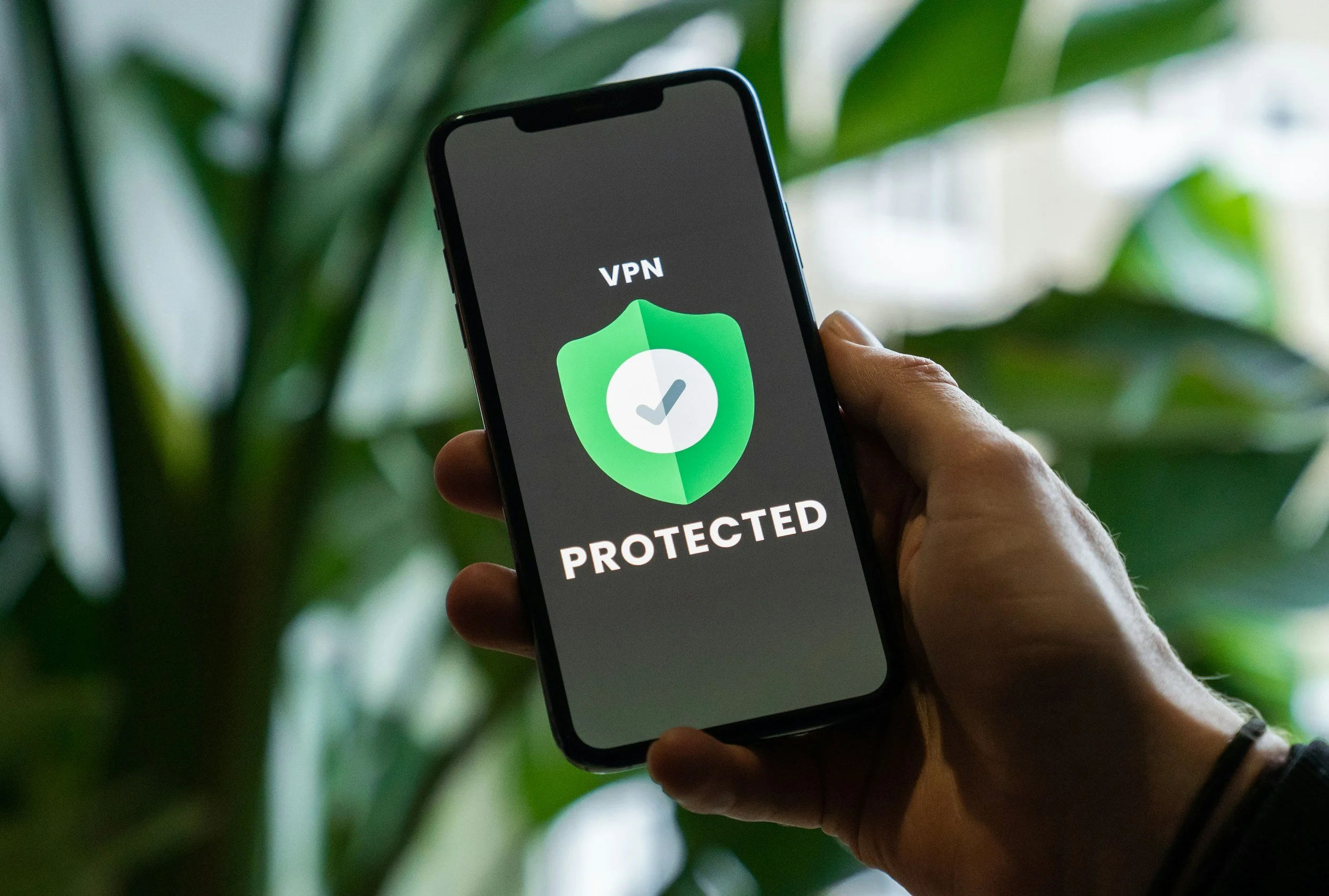
Privacy is a strategic point in the competitive esports scene. Even the high-stakes qualifiers have not been spared by the threat of a DDoS (Distributed Denial of Service). Professional gamers tend to separate their online existence, and secondary numbers and VPNs are used so that their core domestic linkage goes unnoticed.
Such an attitude is percolating into the non-serious competition. The latter applies to streamers and content creators who are always at risk of being doxxed. With virtual identifiers in registering an account with, they establish a space between their online identity and their real life to enable them to concentrate their energy on making content instead of dealing with crises.
The Psychological Impact of Gamification
In addition to the technicalities, modern software requires psychological loops that also contribute heavily to the lifestyle of the gamer. The strategy of Daily Login Bonuses, Battle Passes, and Fear of Missing Out (FOMO) establishes an obligation to go digital. Gamers are following the strategies of digital minimalism to live a healthy lifestyle:
Notification auditing. Turn off unnecessary pings to avoid incessant dopamine spikes.
Account consolidation. Marching down on the total active subscriptions and platforms in the interest of quality rather than quantity.
Time-boxing. Gaming is not something one should be obsessed with; this is made possible by applying technical obstacles (as in App timers) to their use.
Future Outlook: VR, AR, and the Metaverse
The boundaries between reality and gaming will be blurred even further by the end of the decade. AR games are transforming cityscapes into game boards, and Virtual Reality (VR) is becoming increasingly socially immersive.
In such locations, your physical presence is your avatar. The safety of the data that is stored behind such an avatar, namely, biometric data, movement patterns, and personal preferences, becomes central. The one lesson we are learning today, of keeping our accounts safe and verifying ourselves online, will be the basis of our safety in the full-fledged Metaverse.
The contemporary gamer is not the two-dimensional inactive participant anymore; he is an advanced user in a complicated technical, social, and financial environment. A mixture of excitement and competitiveness, on the one hand, and the ability to control digital privacy, on the other, is what becomes the characteristic of a wise player in 2026.
With the ability to use tools that enable us to have efficient management of our accounts safely and always look critically at the platforms we live in, we are able to raise the benefits that come with global connectivity, without being its victims. The future of the games is open, and they are also accessible and, more importantly, controlled by the gamer.