Finland has roughly 5.6 million people and a games industry that punches absurdly above that weight. A country smaller than metropolitan Los Angeles has produced the most downloaded free-to-play franchise in history, one of the highest-grossing mobile games ever made, and console titles that reshaped how “cinematic” is defined in gaming. None of this happened by accident, and none of it happened all at once — it’s the product of three overlapping generations of studios, each building on the reputation of the last.
Here’s a look at the Finnish-made games that actually moved the needle globally, not just domestically.
It Started With a Phone, Not a Console
Long before Rovio or Supercell existed, Nokia put Snake on millions of monochrome phones starting in 1997. It wasn’t Finnish-developed in the way modern studio titles are. The game itself was adapted from an older arcade concept, but its distribution model was the real innovation.
Snake taught an entire generation that games could live on a device you already carried, not one you had to buy separately. The game was one of the big reasons Nokia became one of the most popular mobile brands to buy, and a big reason so many millennials still remember the Nokia 3310 so fondly today.
That single design choice quietly primed the ground for everything that followed: when smartphones arrived a decade later, Finnish developers were among the first in the world who already understood mobile-first design as a discipline rather than an afterthought.
That head start explains why Helsinki became the place where mobile gaming’s biggest breakthroughs happened.
Rovio and the Bird That Ate the App Store
Rovio Entertainment released Angry Birds in December 2009, and within a few years the franchise had passed five billion downloads across its various titles, making it the most downloaded freemium series ever recorded at the time. It briefly became less a video game and more a media property in its own right: theme park attractions, a feature film, plush toys sold in supermarkets that had never stocked a game-branded product before. Sega acquired Rovio in 2023 for roughly €706 million, one of the largest deals the sector has seen, which tells you the brand still carries commercial weight more than a decade after launch.
The same mobile habits Rovio helped build have carried over into other pockets of Finnish digital life. Mobile gambling in particular has grown sharply in recent years, as Finnish players increasingly play on their phones rather than a desktop browser, and much of that traffic now goes to Malta-licensed sites such as www.maltalaisetkasinot.net, whose mobile-optimized platforms mirror the same convenience-first design Rovio popularised a decade earlier. It's a small but telling detail about how one generation's gaming habits shaped the next.
Supercell: The Studio That Rewrote the Mobile Playbook
If Rovio proved mobile games could go viral, Supercell proved they could become permanent businesses. Founded in 2010, Supercell released Clash of Clans in 2012. The game has since generated more than $7 billion in lifetime in-app revenue, according to some estimates. Clash Royale followed in 2016 and became a genre-defining hit in its own right, while Brawl Stars turned into one of the most-played mobile titles worldwide through the early 2020s.
What sets Supercell apart isn’t just the revenue — it’s the operating model. Small, autonomous teams with the authority to kill their own projects if a game isn’t fun became something close to an industry template, copied (with varying success) by studios far outside Finland. In its 2025 financial year, Supercell matched its all-time revenue record from 2024, with Clash Royale driving much of that growth, a reminder that a thirteen-year-old game can still be a company’s biggest earner if it’s maintained properly.
Remedy Entertainment: Console Storytelling With a Finnish Accent
Where Rovio and Supercell chased mobile scale, Remedy Entertainment went the opposite direction — narrative-heavy, cinematic console games built for players who wanted a story, not a session. Max Payne (2001) introduced bullet-time gameplay to a mass audience and became a genuine genre touchstone; its influence is still visible in third-person shooters two decades later. Alan Wake followed in 2010, and its 2023 sequel became one of the most critically praised games of that year, helping push the Finnish gaming sector’s aggregate revenue up 12% year-on-year. In between, Control (2019) picked up multiple Game of the Year nominations and cemented Remedy’s reputation for atmosphere over spectacle.
Remedy has grown accordingly — the studio has stated plans to expand from roughly 360 to 500 employees, though it’s publicly acknowledged that finding enough senior AAA-experienced engine and AI programmers in the Nordic region has taken longer than projected.
Housemarque, Colossal Order, and the Quieter Successes
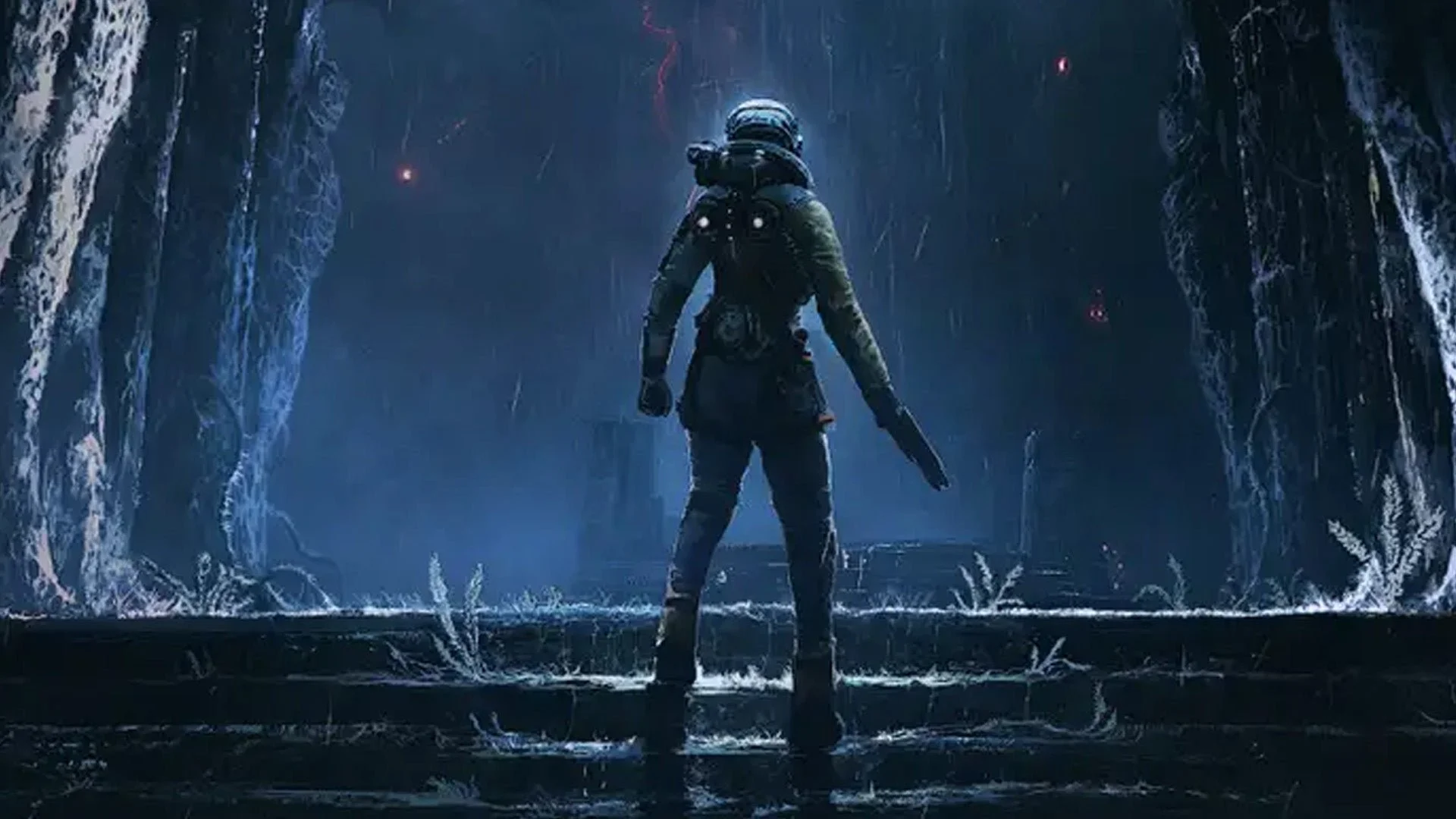
Not every Finnish success story involves a household name. Housemarque, long known for tight arcade-style action titles, released Returnal in 2021 to strong critical reception and was acquired by Sony that same year — proof that a small studio can become a first-party PlayStation developer without ever making a mobile game. Colossal Order, based in Tampere, built Cities: Skylines into the default city-building simulator for an entire generation of players after the genre had gone quiet for years, largely by treating its modding community as a genuine part of the development process rather than an afterthought.
Then there’s the solo and small-team scene: Ultrakill, developed largely by one Finnish designer working with a small international publisher, built a passionate following through relentless updates rather than marketing budget — a reminder that Finland’s games culture isn’t only about scale.
Why Finland Specifically
The honest answer combines a few unglamorous ingredients: early, sustained government funding through what’s now Business Finland; a Nokia-trained generation of engineers who suddenly needed somewhere to apply mobile expertise once the phone maker’s dominance faded; and a community norm — repeated by founders at both Rovio and Supercell — that one studio’s success should make the next one easier, not harder. It’s less a single formula than a set of conditions that reinforced each other for two and a half decades, and it’s why a country with a population smaller than Chicago keeps producing games the rest of the world actually plays.