Asobo Studio caught lightning in a bottle with A Plague Tale: Innocence, then followed it up with an even harder-hitting sequel, Requiem, for a devastating combo. But with Amicia and Hugo’s harrowing journey seemingly concluded, the franchise is stepping into new territory that leaves the siblings behind. The upcoming prequel, Resonance: A Plague Tale Legacy, promises to expand the dark, rat-infested universe (with less rat horror this time) we’ve come to love in more ways than one.
If they don’t innovate enough, prequels run the risk of looking like simple reskins or feeling like a project that should have been an expansion at times. Thankfully, Asobo Studio has redesigned many of the core features from the mainline series for this newest entry. From the setting to the core gameplay loop, here are the top five biggest ways Resonance is setting itself apart from the first two games.
Adult protagonist
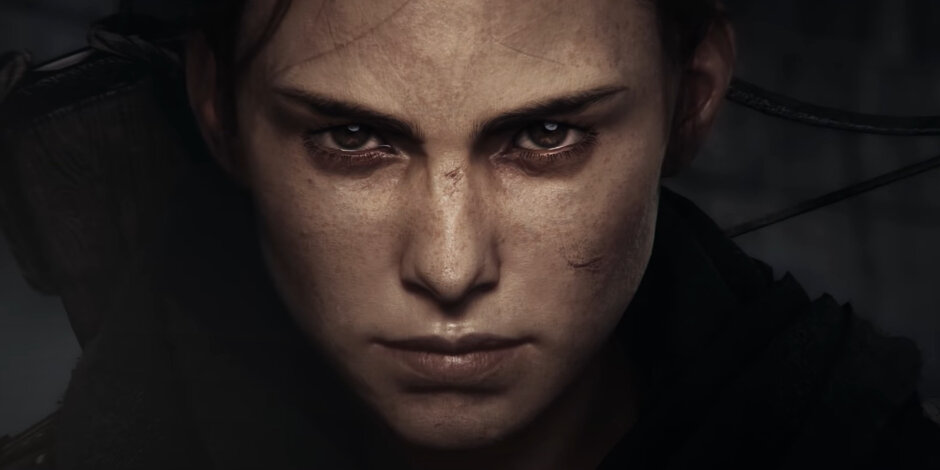
One of the defining features of the original games was the vulnerability of playing as Amicia, a teenager fiercely protecting her little brother. Resonance shifts the dynamic entirely by putting players into the shoes of a fully grown adult, Sophia, the fan-favorite smuggler from Requiem. This alters the entire tone of the game, allowing for a much more grounded, battle-hardened perspective.
No more pure stealth
Because we’re no longer playing as a teenager armed with a sling, the gameplay is seeing a massive evolution. While stealth is still part of the franchise's DNA, and possibly will be for future mainline entries, Resonance is stepping away from being a hide-and-seek experience. Sophia’s combat style is highly agile, introducing a brand-new parry-and-execute sword mechanic.
With the ability to swing at enemies finally here, players will have aggressive, close-quarters options to deal with them. Sophia carries a blade in each hand for quickly dispatching foes using their weak points, while a handy grappling hook is here for keeping them unsteady.
Leaving behind France
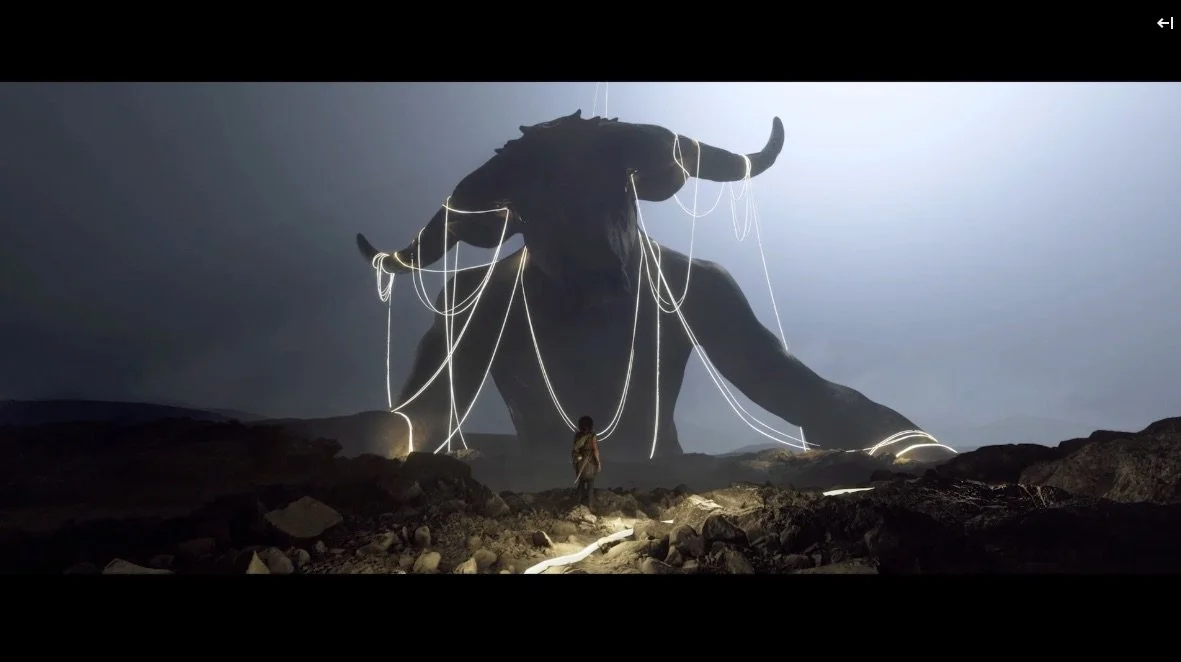
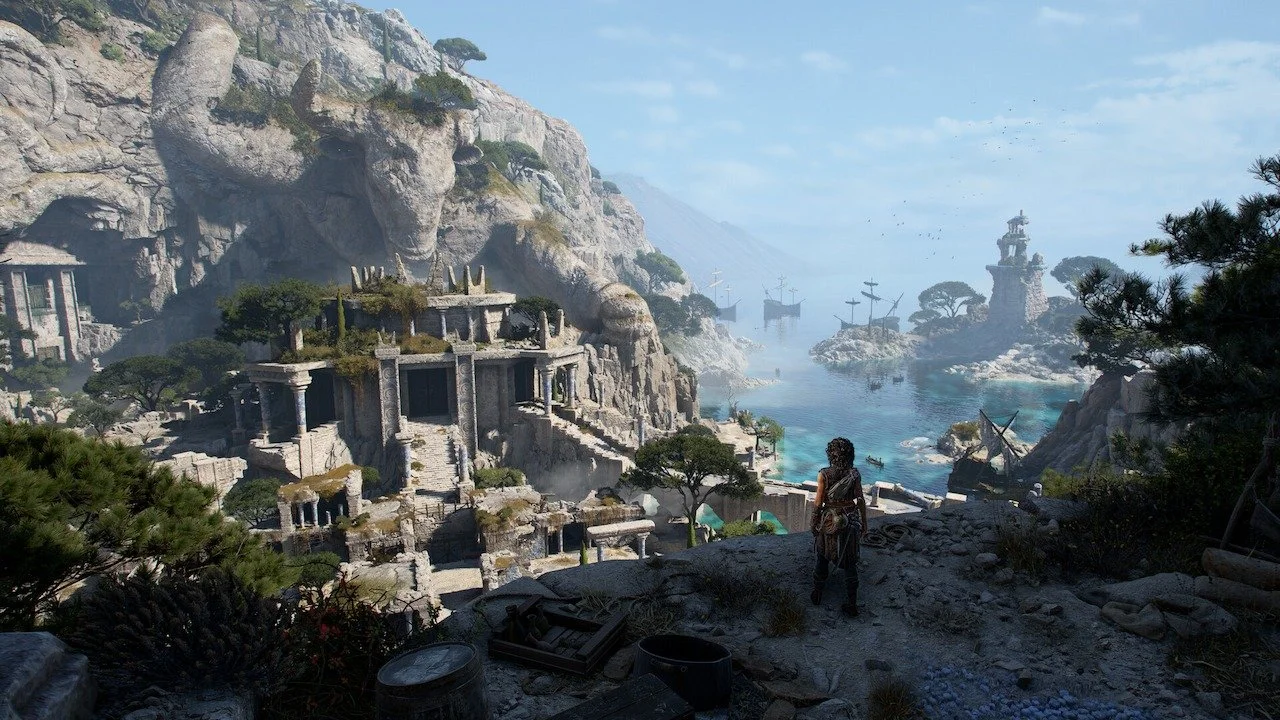
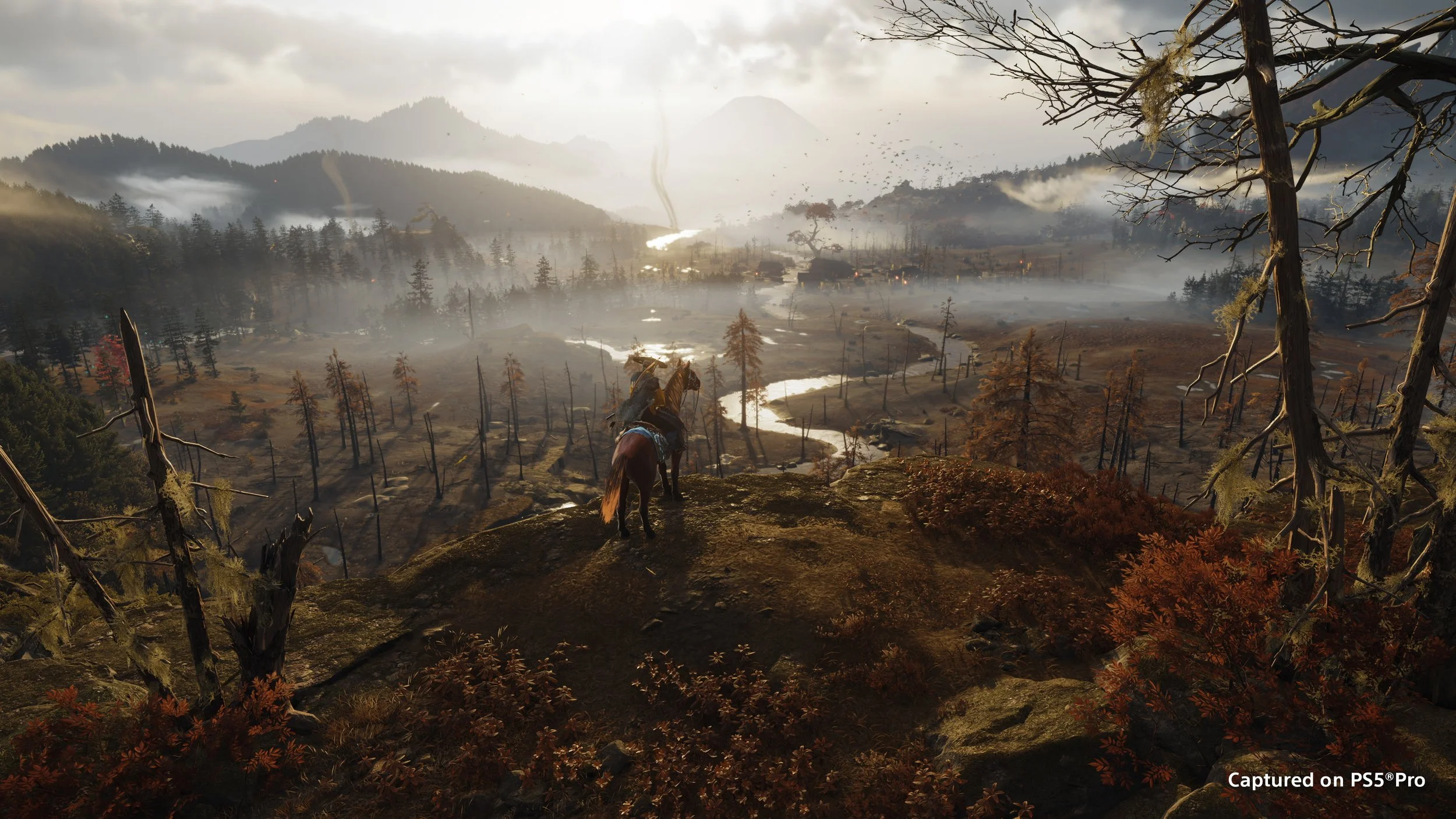
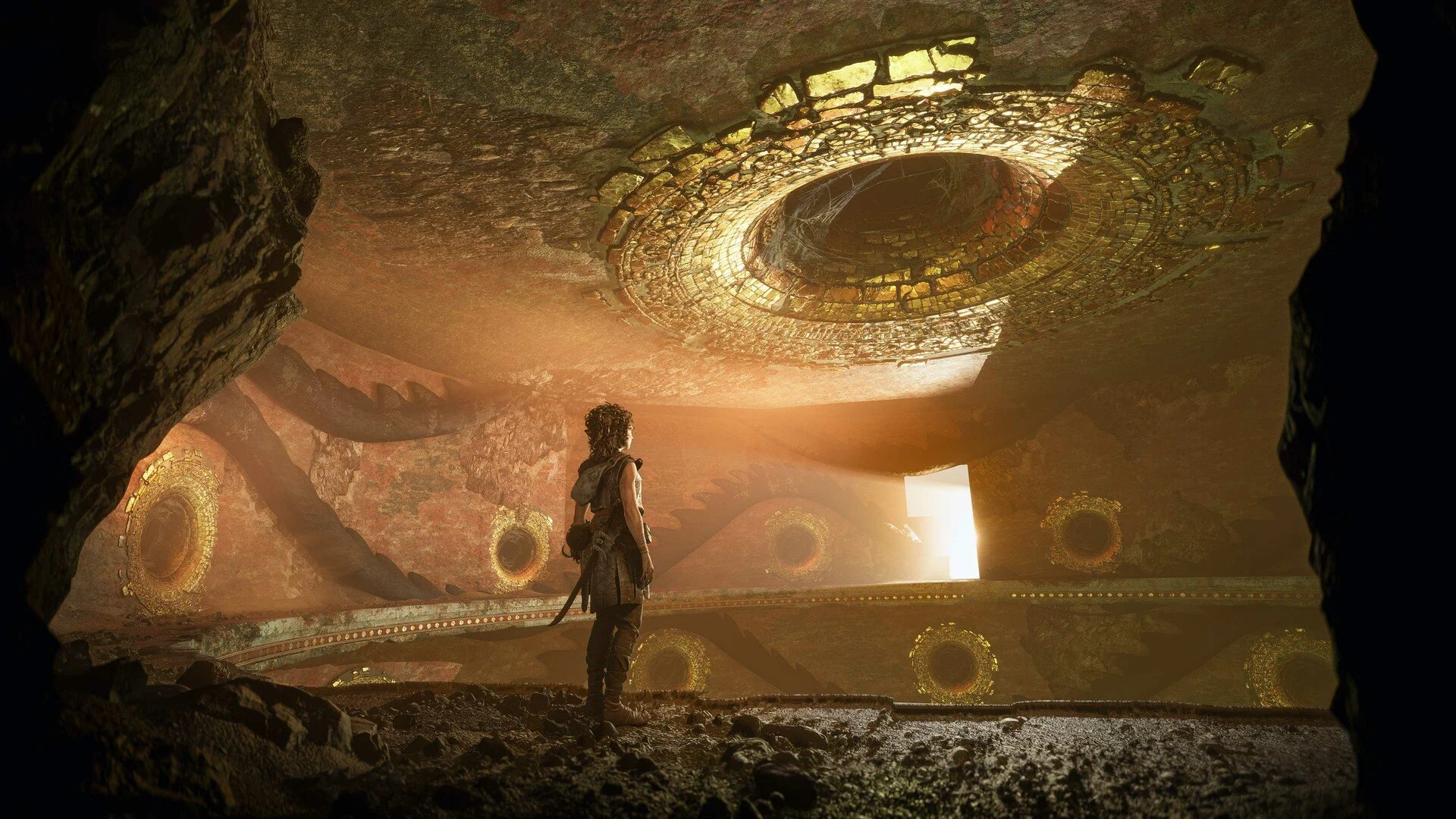
The sibling duo's adventures were heavily anchored in France, utilizing the European countryside and plague-ridden medieval cities to build their dread. However, Resonance is completely leaving that aesthetic behind for a more fantastical setting. Set fifteen years before A Plague Tale: Innocence, this prequel takes Sophia to the mysterious, myth-laden Greek island of Crete. This drastic shift is a breath of fresh air for the series, replacing the familiar architecture with ancient ruins, labyrinthine environments, and a heavy dose of Greek mythology.
Light-based puzzle loop
In the main series, the puzzle mechanics were built around alchemy, letting Amicia craft specific ammo types for her sling to light braziers, extinguish torches, and manipulate the rat swarms. Resonance is introducing a completely new puzzle selection. Sophia will be navigating treacherous paths using a stolen Minoan artifact that manipulates light. By swapping out alchemy for an ancient, seemingly supernatural technology, it's a pretty large switch that will force veteran players to rethink how they navigate the world and discover its secrets.
Dual timelines
Perhaps the biggest difference in Resonance is the introduction of a different timelines mechanic. Rather than playing through a strictly linear journey, players will experience the narrative across two distinct eras thanks to the introduction of new dual timelines. This explores the Middle Ages (as Sophia) and the ancient Minoan period (as the legendary hero Theseus). This allows the story to link past actions to present-day consequences, all following the Macula’s mysterious legacy.
It’s always risky for a franchise to leave its iconic main characters behind, but Asobo Studio seems to be making all the right moves. By evolving the combat and shifting locations, Resonance: A Plague Tale Legacy is presenting a familiar setting from a completely new and fresh angle later this month.
For more, see what we thought about our hands-on time with this upcoming prequel in our Resonance: A Plague Tale preview.