In the dynamic digital landscape of 2026, the traditional constraints of localized hardware are rapidly becoming a thing of the past. As a writer who has spent the last year and a half analyzing the trajectory of cloud infrastructure and interactive media, I have witnessed a significant paradigm shift. The "gaming rig" is no longer defined by the glowing tower under your desk; it is defined by the quality of your stream. We are entering an era where remote desktop gaming is not just a viable alternative for casual play, but a preferred method for power users who demand flexibility without sacrificing a single frame of performance.
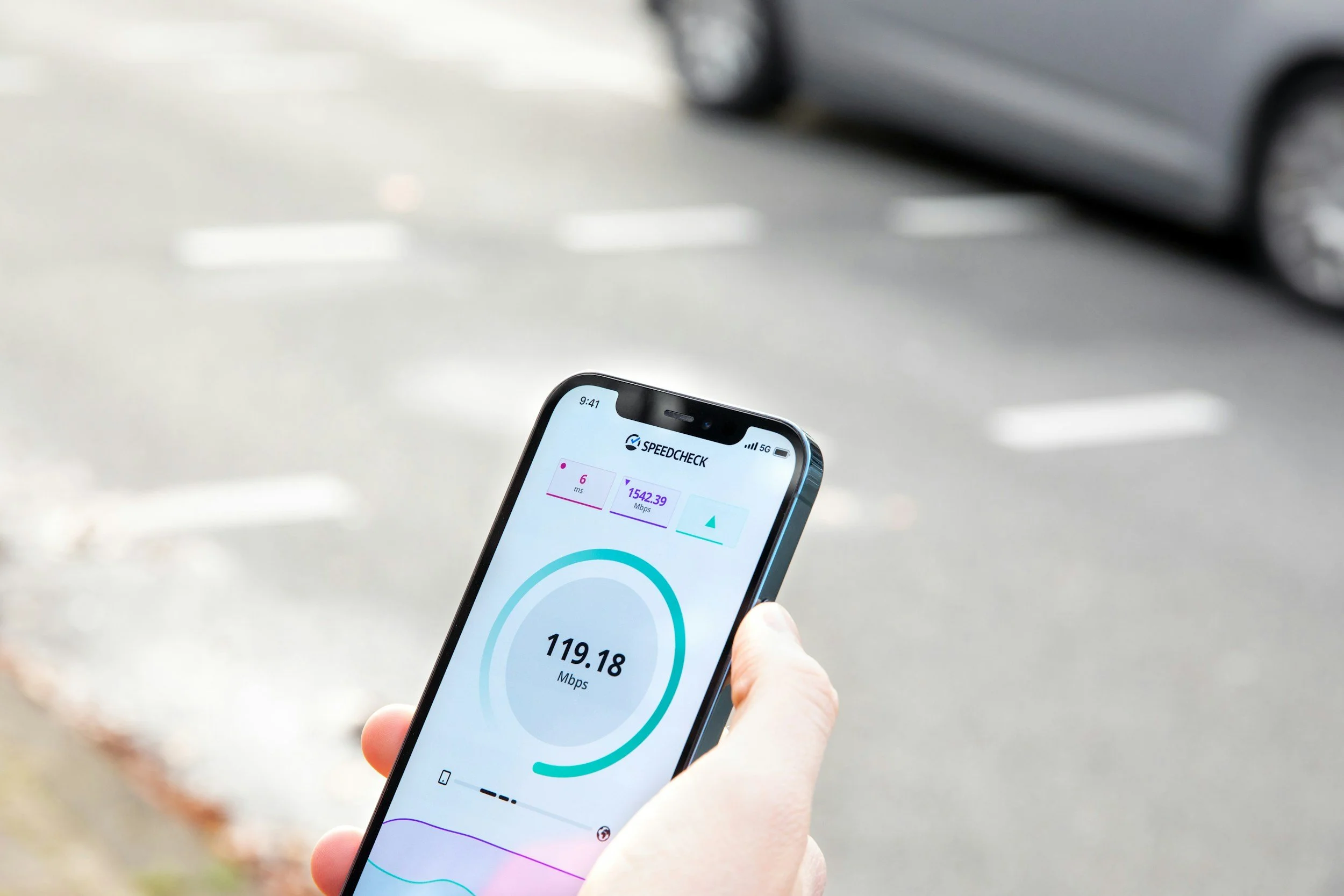
This transition has been fueled by the widespread rollout of ultra-low latency 5G and the maturation of video encoding technologies that can now transmit 4K resolution at 144Hz with imperceptible lag. For the modern enthusiast, this means the ability to play a hardware-intensive title on a thin-and-light laptop or a handheld device while the heavy lifting is handled by a powerhouse machine located miles away.
The Technical Evolution of Low-Latency Interaction
The primary hurdle for remote play has always been the "input-to-photon" delay. In a competitive environment, even a 50-millisecond delay can be the difference between victory and defeat. To solve this, developers have moved beyond standard screen-sharing protocols to create specialized engines that prioritize frame-timing and rapid-fire input delivery.
Modern solutions utilize a combination of hardware-accelerated encoding (using the latest NVENC or AMF technologies) and advanced network jitter buffers. This ensures that even if your internet connection experiences a minor hiccup, the software can predict and smooth out the motion, maintaining a consistent visual flow. Furthermore, the support for high-dynamic-range (HDR) and 4:4:4 color sampling means that the vibrant, sharp details of modern game engines are preserved, avoiding the "muddy" look that plagued early remote access attempts.
Hardware Liberation: Play Anything, Anywhere
The true beauty of this technology lies in its ability to democratize high-end experiences. Not everyone can justify or afford a multi-thousand-dollar GPU for every room in their house, let alone for their mobile devices. Remote access changes that equation entirely.
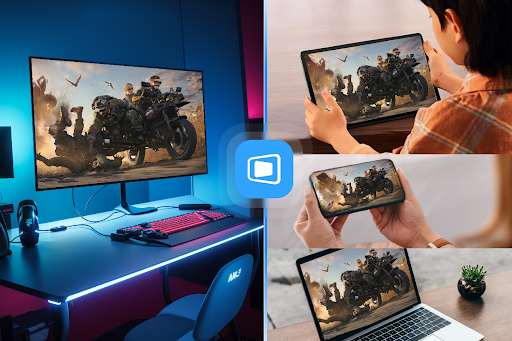
Platform Agnosticism: You can launch a Windows-exclusive title on a MacBook or a Linux-based tablet. The operating system of the device in your hands no longer limits your library.
Thermal Efficiency: Since your handheld device or laptop isn't doing the actual rendering, it stays cool and silent. This prevents the "thermal throttling" that often kills performance during long native gaming sessions on portable hardware.
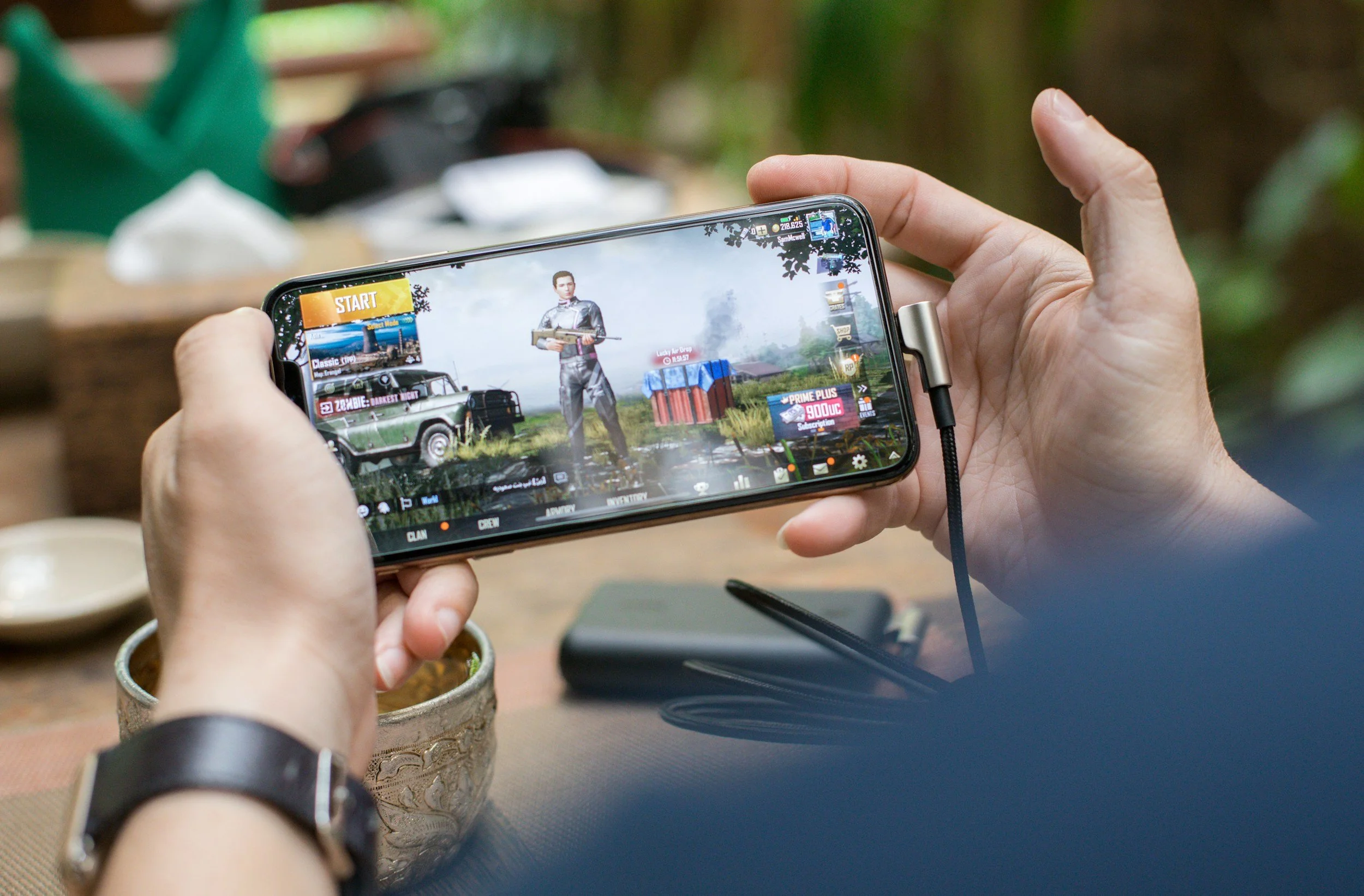
Battery Longevity: Streaming video is significantly less taxing on a battery than running a local 3D engine. You can often get double the playtime on a single charge compared to native mobile gaming.
For those ready to experience this level of freedom, the setup process has been streamlined for the average user. You can download StarDesk remote and be up and running in minutes, turning your smartphone or office laptop into a direct portal to your primary gaming environment.
Security and Privacy in the Stream
When you open your home computer to a remote connection, security is naturally a top concern. In 2026, the industry has adopted "Zero Trust" security models. This means that every session is encrypted from end-to-end using AES-256 standards, and access is protected by multi-factor authentication (MFA).
Furthermore, advanced privacy features allow you to "blank" the host monitor while you are playing remotely. This ensures that if you are streaming from a PC in a shared living space or an office, passersby won't see your game or your movements on the physical screen. Your digital session remains a private, encrypted tunnel between your host and your client.
Optimizing Your Environment for the Best Experience
To achieve a "local-feel" experience, a small amount of optimization goes a long way. Here are the three most impactful steps you can take:
Host Stability: Always use a wired Ethernet connection for the host PC. Stability at the source is the foundation of a good stream. If the host fluctuates, the client will suffer regardless of how good your Wi-Fi is.
Client Bandwidth: On the client side, utilize the 6GHz or 5GHz Wi-Fi bands. The older 2.4GHz band is too congested with interference from other devices, which often causes the "stuttering" effect that ruins immersion.
Peripheral Direct-Input: Many remote solutions now support USB passthrough. This allows you to plug your high-polling-rate gaming mouse or mechanical keyboard into your local device and have the remote machine recognize them as local inputs, reducing driver-level lag.
The Economic Shift of the Gaming World
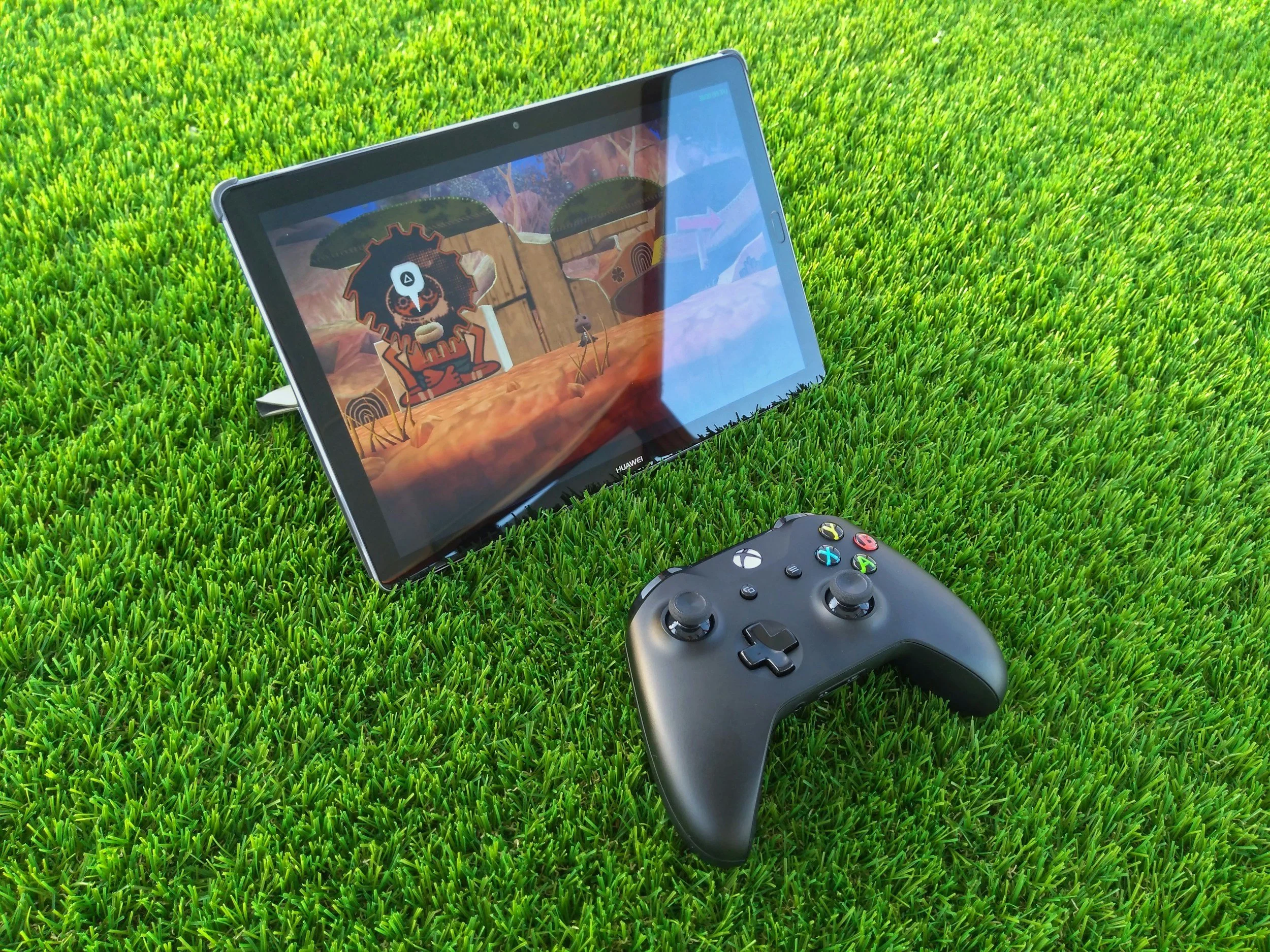
We are also seeing a major shift in how gaming hardware is purchased. More consumers are investing in one "Super PC" and then using inexpensive "Thin Clients" (like tablets, old laptops, or dedicated streaming handhelds) around the house. This reduces the total cost of ownership for a multi-device household and ensures that every screen you own—from the kitchen tablet to the bedroom TV—is capable of delivering a triple-A gaming experience.
Moreover, the "Bring Your Own Device" (BYOD) trend in the workplace means that employees can use their professional machines for high-end gaming during breaks without having to install large files or compromise the security of the work OS. The game stays on the home PC; the work laptop just displays the stream.
Final Thoughts: A Future Without Wires
The dream of a "seamless" digital life is finally becoming a reality. The barriers between our devices are melting away, replaced by high-speed data streams that carry our work, our creativity, and our entertainment across the globe. By embracing high-performance remote solutions, we are no longer tethered to a specific desk or a specific room.
The future is mobile, the future is high-definition, and the future is yours to control from the palm of your hand. Whether you are exploring vast open worlds or managing complex professional projects, the power of your primary machine is now as mobile as you are. Don't let your location define your capabilities—let your connection be your superpower.