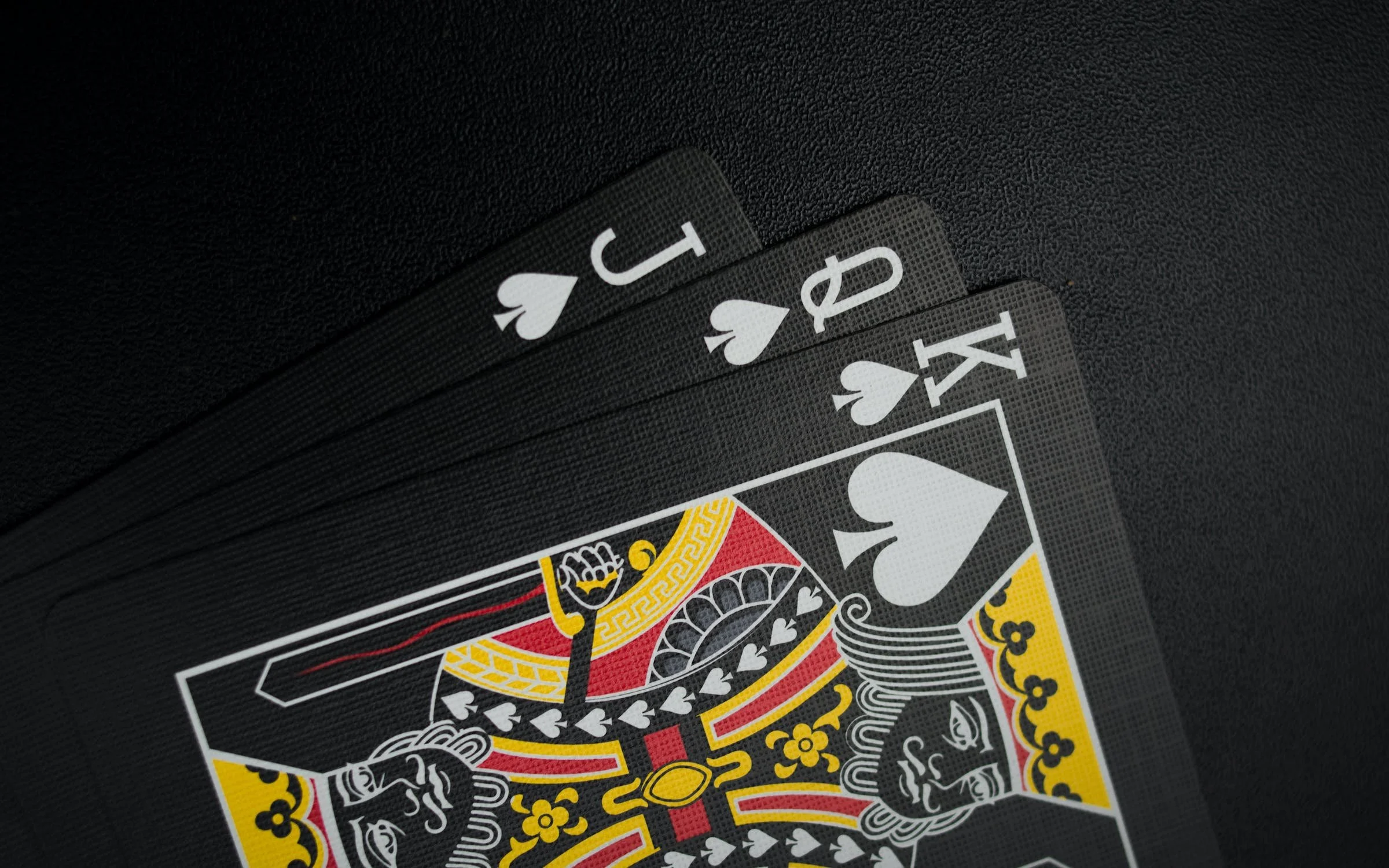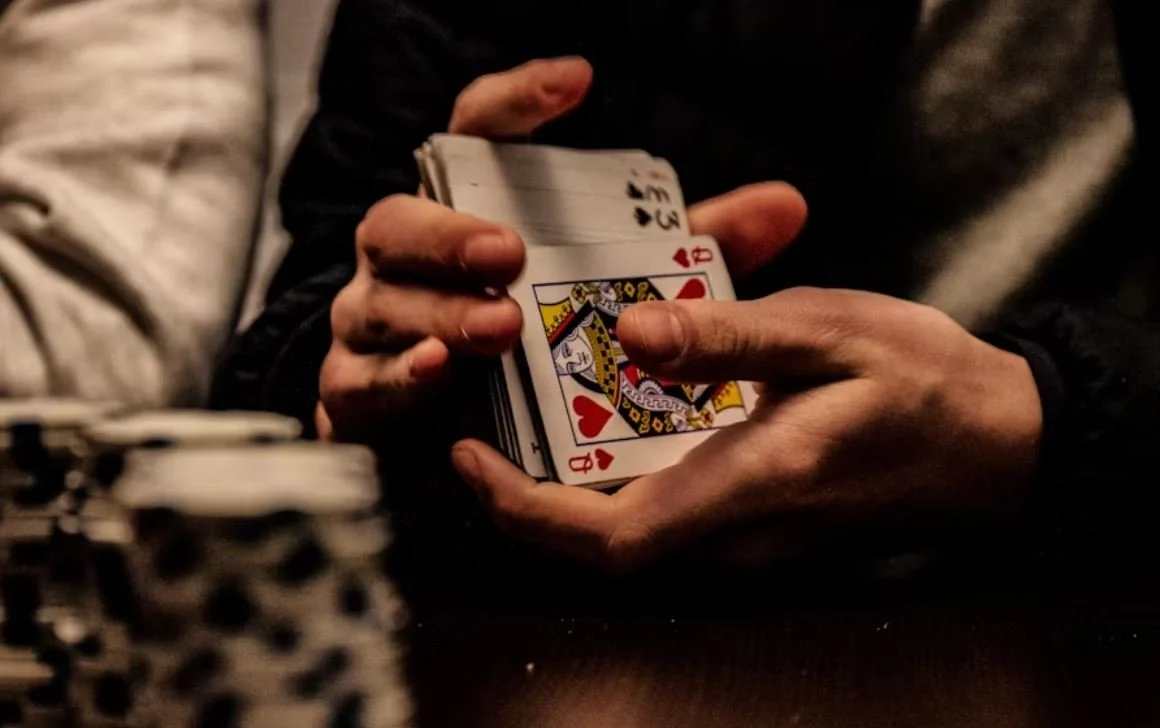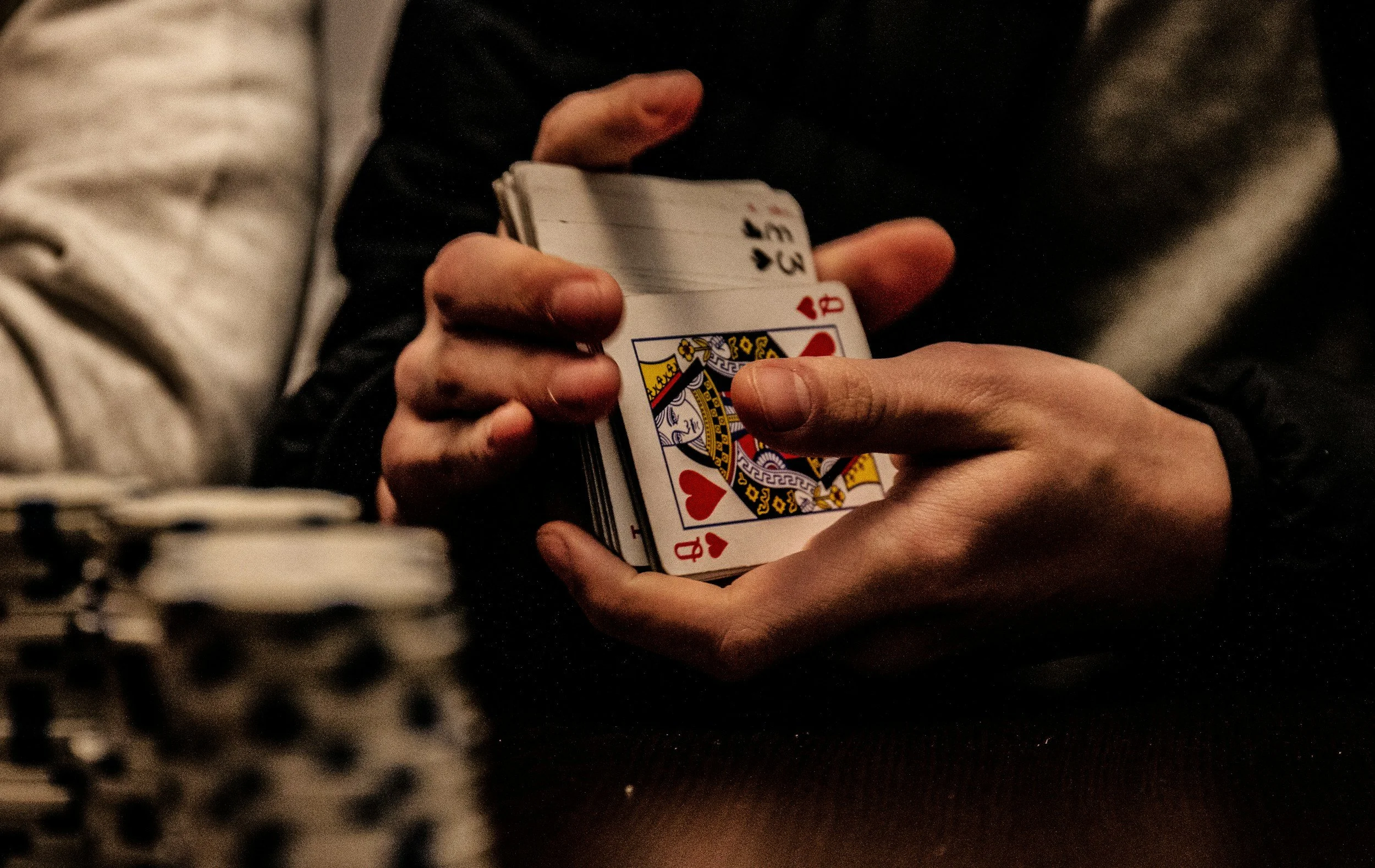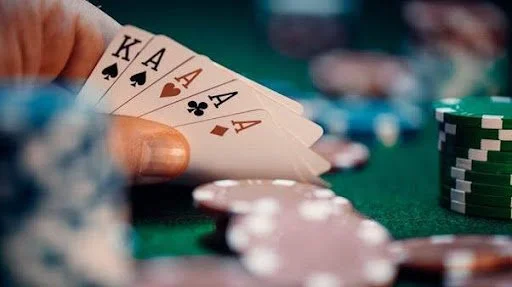
Texas Holdem poker hand with four Aces
In Texas Holdem, aggression is a double-edged sword. It can lead to massive pots and impressive wins, or it can result in major mistakes when overplayed. Understanding when to push hard and when to pull back is key to mastering the game. Whether you're a seasoned player or a newcomer, knowing the psychology behind aggression can elevate your poker strategy to new heights.
Understanding Aggression in Poker
Aggression in poker refers to actively betting, raising, or bluffing, as opposed to merely calling or folding. The right amount of aggression can put pressure on opponents, forcing them to make mistakes. However, it's important to understand that aggression must be used strategically, rather than impulsively.
Many players, especially those new to the game, think of aggression as always going big or going home. However, aggression without understanding the context can quickly lead to unnecessary losses. The key is knowing when to push forward with a strong hand and when to slow down and wait for the right moment.
Online Texas Holdem: The Aggression Factor
When playing online Texas Holdem, aggression can be even more important. In the fast-paced, often anonymous world of online poker, players are less likely to read body language and emotional cues. Instead, players rely heavily on betting patterns and timing. Here, aggression becomes a tool to control the pace of the game.
In online Texas Holdem, aggression helps to establish a table image. If a usually passive player makes a surprisingly aggressive move, others may fold, fearing that the player has a strong hand. This can be used to the player’s advantage to bluff their way to victory from a weak position. However, if the aggression is too predictable, opponents will start to catch on. As a result, varying aggression levels in different situations is crucial.
For players wanting to refine their aggressive poker strategy, learning how to make the most of each hand's potential is key. Playing online Texas Holdem helps you learn about strategies, especially those designed to optimize aggression, emphasizing patience as well as power. It's about making the most of each opportunity to outplay your opponents through aggressive moves. These strategies can help players differentiate between bluffing opportunities and moments when slowing down is the smarter play.
One example of how aggression plays out in different formats is Pot Limit Omaha (PLO), which requires a different approach to pre-flop strategies. Mastering PLO pre-flop moves can offer insights into the strategic importance of aggressive play, especially when shifting from Texas Holdem to PLO.
Understanding the differences between the two can give players an edge when navigating multiple poker variants.
The Mindset of Aggressive Poker Players
Aggressive players are often seen as risk-takers, but there's more psychology at play than just the thrill of the gamble. Aggression in poker comes from a desire to control the game. These players often believe they can dominate their opponents by putting pressure on them through constant betting and raising. This approach works well if done at the right times, but it can also be detrimental if overused.
The most effective aggressive players know when to change gears. It's not just about being aggressive; it's about being calculated with that aggression. A player who can balance between aggression and patience is often the most successful. They know when to slow down, gather information, and wait for their opponents to make mistakes.
When to Fold: Managing Your Aggression
Knowing when to fold is an essential part of managing aggression. Even the most aggressive players must be able to recognize when a hand isn’t worth pursuing. It’s tempting to keep betting in the hope of turning things around, but doing so is rarely the optimal way to play.
Fold when the pot odds aren’t in your favor or when your hand isn’t strong enough to compete against other potential hands. Aggression should not blind you to the strength of your opponents’ positions. Recognizing when to take a step back and preserve your chips is just as important as knowing when to bet aggressively.
Poker Strategy for Winning: Balancing Aggression with Patience
The most successful poker players are not just aggressive—they are strategic. They understand when to push forward and when to pull back. Balancing aggression with patience is a mindset that can take your poker skills to the next level. Recognize when to apply pressure, but also learn to read the situation and fold when necessary.
Mastering aggression can be a game-changer. Aggressive moves, when done at the right times, will give you a psychological edge, forcing your opponents to make decisions that benefit you. But it's also important to recognize when to control your aggression and let the game come to you.
Managing Aggression and the Emotional Component of Poker
Poker is as much a psychological game as it is a strategic one. Aggression often comes from a place of wanting control, but this can lead to emotional decision-making. Managingyour emotional state is just as important as managing your betting strategy. Recognizing when you're overcommitting to a hand or becoming frustrated can prevent reckless behavior that undermines your poker strategy.