Everything in gaming is becoming more expensive. In 2026, players face $800 consoles, $200 controllers, and $300 collector’s editions. But that doesn’t stop the fun. Savvy gamers find ways to continue doing what they like. These are the main topics this article covers:
Gaming is pricier than ever. Next-gen console costs have climbed instead of dropping — a clear example is Microsoft raising the prices on all Series X/S models.
Players budget and hustle. Gamers are responding by saving, trading in old games, using layaway or payment plans, and even picking up side gigs to afford new gear.
Surprise expenses happen. Smart gamers prepare. Many keep a fund or quickly sell something so they can handle urgent gaming needs in a pinch.
Why Gaming Costs Are Rising in 2026
The price of gaming isn’t going down — it’s shooting up. U.S. consumers spent about $59.3 billion on video games in 2024, more than double what was spent a decade earlier. What’s driving these rising expenses?
Global inflation and production costs. General inflation means everything costs more. Console makers cite higher component prices — chips, memory, and shipping — as reasons for charging more. Creating a high-end console or controller in 2026 simply costs manufacturers more money than it did previously.
Supply shortages and demand surges. Remember when console prices used to drop a few years after launch? Not this generation. Intense demand and periodic supply crunches have kept prices high. High demand plus low supply means there is no incentive to discount.
Tariffs and import costs. U.S. tariffs on electronics and Chinese-made components made consoles pricier to import. Console manufacturers found themselves paying more taxes to get systems onto U.S. shelves, and consumers now shoulder that burden.
Premium editions and collectibles. Beyond base prices, the industry is offering more deluxe products that tempt gamers to spend big. Major releases now commonly have $100+ deluxe editions or even collector’s editions costing several hundred dollars. For example, Bethesda released a Starfield Constellation Edition that came with a real smartwatch and other swag for about $300 USD.
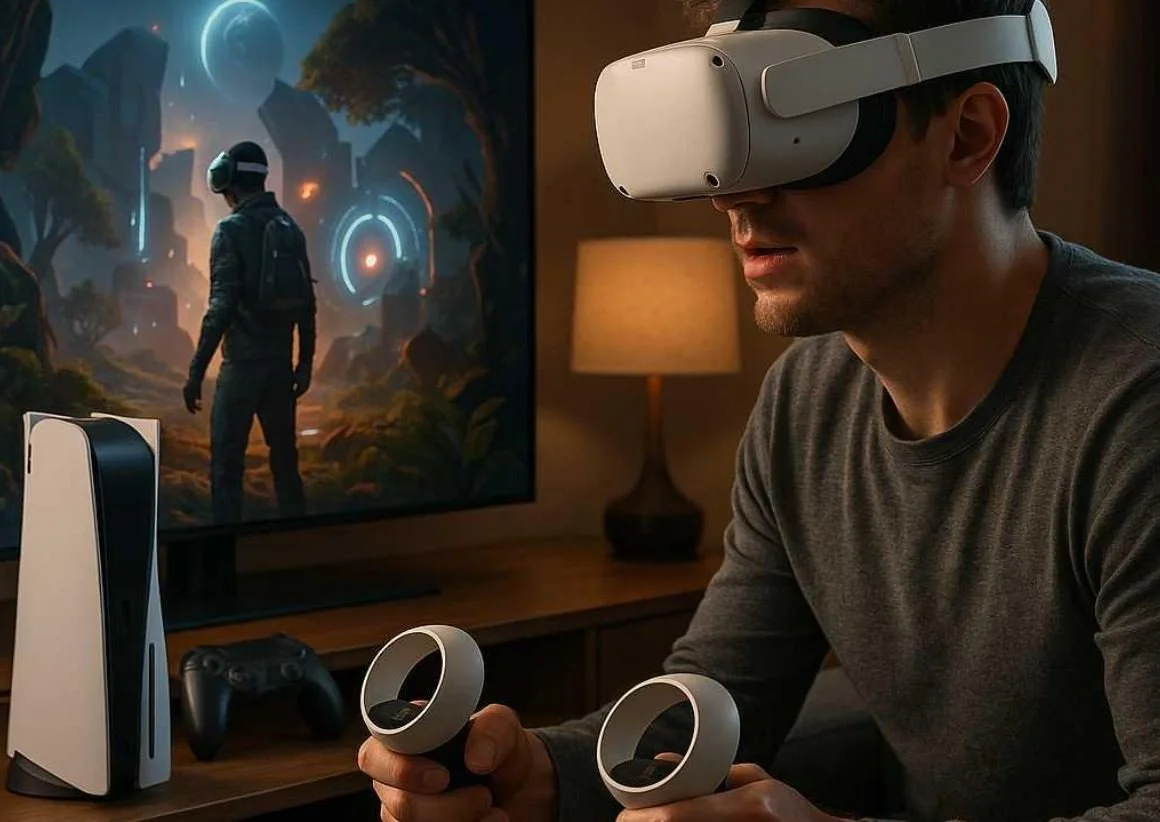
Accessory add-ons. Next-gen gaming is a whole ecosystem. High-quality controllers, headsets, VR gear, and storage can each cost a pretty penny. PlayStation VR2 launches at around $550. Need an extra 2 TB of fast SSD storage? That might be $200–$300. These add-ons aren’t mandatory, but for serious players, they feel essential.
Maintenance expenses. Today’s consoles are complicated machines that occasionally fail or break, especially once warranties expire. Fixing them isn’t cheap. Something as basic as replacing a faulty HDMI port on a PS5 can run around $120–$180 at a repair shop. Controller issues like stick drift might cost $40–$80 to fix, or you might just buy a new controller for $70+.
How Gamers Plan and Budget for Next-Gen Costs
Gamers aren’t giving up; they’re budgeting smarter and finding ways to afford the hobby they love. Here’s how many are making it work:
Dedicated Gaming Savings
Many gamers treat big gaming buys like a trip or a new phone: they plan and save for them. Instead of trying to find a few hundred dollars at once, they put aside a small amount regularly from each paycheck or allowance. If you save $40 every month, you’ll have $480 after a year — enough for a new console. When they know a big title or new console is coming, they start early. That way, they don’t have to panic or borrow money at the last minute.
Secondary Income & Side Gigs
Some gamers boost their budget by earning a little extra money on the side. This can be anything that fits their lifestyle — freelance work, tutoring, delivery, or small neighborhood jobs. Others stream, join small tournaments with prize pools, or take freelance testing and review projects. Many gamers use gigs to afford major updates and look for small financing solutions to handle urgent gaming needs, such as covering a new controller, a graphics card upgrade, or a limited-edition release. These added earnings help close the gap without touching their regular income when gaming costs rise.
Trade-In Credit
Many gamers cut the cost of new gear by trading in what they already own. Before buying a next-gen console, they often sell their current system or extra games to reduce the final price. Stores like GameStop offer trade-in programs where you can exchange used consoles, controllers, and games for store credit or cash. A previous-generation console can often bring in $100–$200 depending on its condition. Many players also sell older titles or collector’s items.
How to Handle Sudden Gaming Expenses
Even solid plans can get shaken by a sudden expense or a rare chance to grab something special. Real situations gamers deal with include:
Console breakdown or repair. Imagine your console suddenly dies or starts overheating right after its warranty expires. If you play a lot, being without it doesn’t feel like an option. First, many gamers check whether they bought an extended warranty or a store protection plan. If there’s no coverage, some use an emergency fund for tech problems. Others pull an old console out of storage or borrow a system from a friend so they can play while they figure things out. When money is tight, gamers often get creative. They can sell a couple of games, a spare controller, or other gear locally to raise cash fast. It’s stressful, but planning even a little helps a lot.
Restock or limited-time drop. You’re scrolling, and suddenly see an alert: a rare console bundle or collector’s edition is back in stock, and you know it’ll sell out fast. To jump on opportunities like this without blowing their budget, many gamers keep a small “slush fund” or an available credit line on a card for surprise deals. Have savings to cover a big purchase when something special pops up. They might skip buying new games at launch, wait for discounts, or sell older games and accessories to refill what they spent. They don’t let FOMO take over completely.
The Future of Gaming: Costly, But Still Unstoppable
Gaming in 2026 may come with sticker shock, but it hasn’t stopped millions of people from enjoying this hobby. Prices are higher for consoles, accessories, and games than they were a few years ago, and that trend might continue. But gamers are a resourceful bunch. Players can plan accordingly. Gamers continue doing what they love and show that no price tag is game over.