Digital rewards are far more than pixels on a screen. They tap directly into your drive for progress and recognition, keeping the experience feeling fresh long after the first login.
Ever notice how you promise yourself “one last quest,” and suddenly it’s 2:00 AM? That pull comes from watching a progress bar fill or unlocking a rare item. This exploration of player behaviour looks at how smart design, combined with the thrill of the chase, keeps you coming back for more.
The Rush of the Instant Win
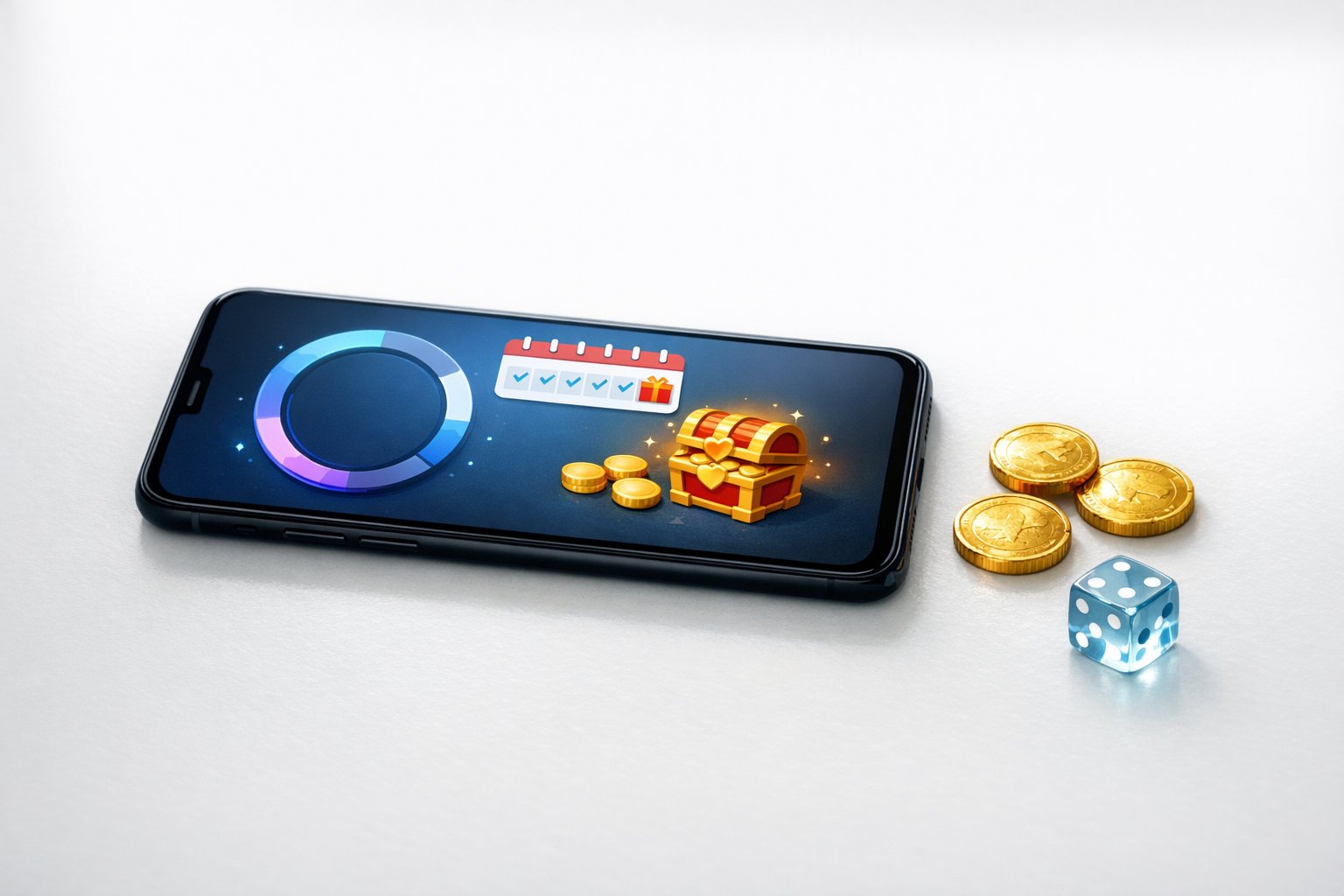
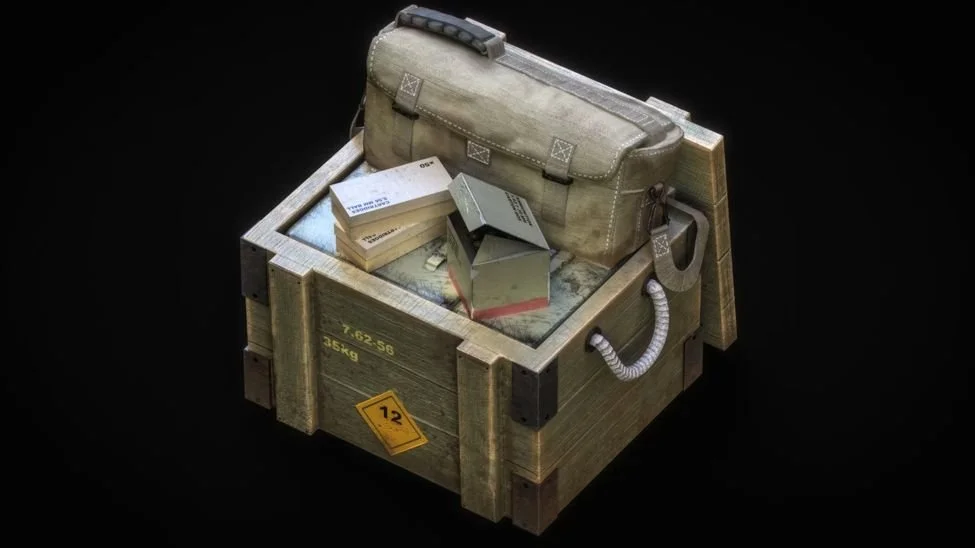
Think about the last time you opened a loot chest or heard that familiar sound when you levelled up. That burst of satisfaction is deliberate.
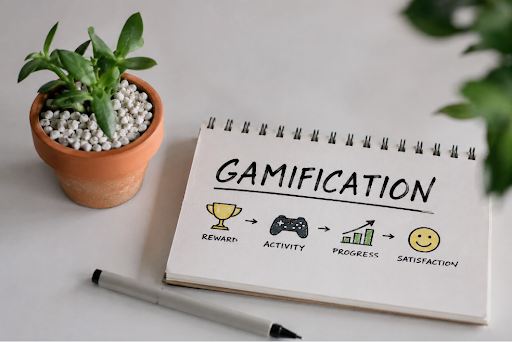
Games are built to give you immediate feedback, rewarding even small actions. Each minor success becomes a reason to push forward. When effort results in a visual upgrade or a new ability, the time you invest feels worthwhile rather than wasted.
Developers carefully layer these moments, so progress never feels too far away. Even brief play sessions offer something tangible, whether it’s experience points, cosmetic rewards, or a subtle boost to your character’s power. This constant sense of forward motion keeps motivation high.
You’re not just playing for an eventual payoff; you’re being reinforced every step of the way, which makes it easier to stay engaged and eager for the next win.
Why Progression Feels So Good
Games are especially good at making you feel like you are constantly improving. Whether you are shaping a new character or unlocking deeper layers of a skill tree, that sense of growing stronger is a powerful hook.
In some social systems, a crown coin casino mechanic lets you build a virtual balance that reflects your time, decisions, and strategy. It offers a simple way to measure progress without complicated stats. You can see your influence grow as resources expand, making the world feel like a place you truly belong.
To keep players engaged, developers often include:
Rotating seasonal challenges that introduce limited rewards
Milestone bonuses that recognise long-term commitment
Competitive rankings that highlight skill and consistency
Cosmetic items that help you stand out visually
The Power of Rare Status Symbols
Collecting items is not just about performance boosts. It is also about how you are seen by others. Watching a player pass by with a glowing weapon or an ultra-rare mount sparks instant curiosity. These items act as visual proof of dedication, luck, or persistence, communicating achievement without a single line of chat.
This social layer is what turns solo play into a living community. Owning something statistically rare makes you noticeable, a walking example of what others are chasing. It creates a shared conversation around odds, effort, and prestige, drawing players together around the stories behind those rewards.
You are not only playing for personal satisfaction. You are building a reputation. Being recognised in a crowd of thousands is a strong motivator that goes beyond simple mechanics.
Digital items become social currency, supporting a competitive yet connected ecosystem where everyone is chasing their own defining moment. Over time, these symbols shape the world’s hierarchy, turning pixels into genuine badges of status.
Riding the Wave of Unpredictable Luck
Unexpected rewards carry a unique thrill. If every chest delivered the same outcome, the excitement would disappear, and the experience would feel routine. Randomised drops keep that sense of anticipation alive. This system, often called variable-ratio reinforcement, keeps players engaged by pairing effort with uncertainty and occasional surprise.
You never know whether the next boss will finally drop the item you have been hunting or another forgettable reward. That uncertainty turns repetition into tension-filled moments. It is the difference between a guaranteed outcome and a rare win that feels earned and memorable.
This unpredictability keeps sessions energised and ensures even familiar gameplay can deliver a standout moment. It builds a sense of hope into every encounter, where each action feels like it might be the one that changes everything. In the end, that pull of the unknown is what turns a simple digital loop into a lasting passion.
Making the Journey Feel Personal
Games are also more dynamic, responding to your playing style. If you are more interested in exploration, you might get lore or cosmetic rewards instead of purely combat-focused upgrades. It makes you feel like you are playing in a world that reacts to you, rather than a generic experience.
It measures your routes, decisions, and even the time you spend on certain activities, influencing future fights based on your interests. When what you get matches your decisions, your connection with the game feels deeper, making progression feel organic rather than forced.
You are not simply completing tasks; you are creating a journey that respects your style and appreciates your contribution to this world. It fosters a sense of ownership, making you feel this experience is yours alone rather than a standard one.